The Impact Of Technology On Curiosity
Understanding the impact of technology on curiosity suggests that we first understand the role of curiosity in the learning process itself.

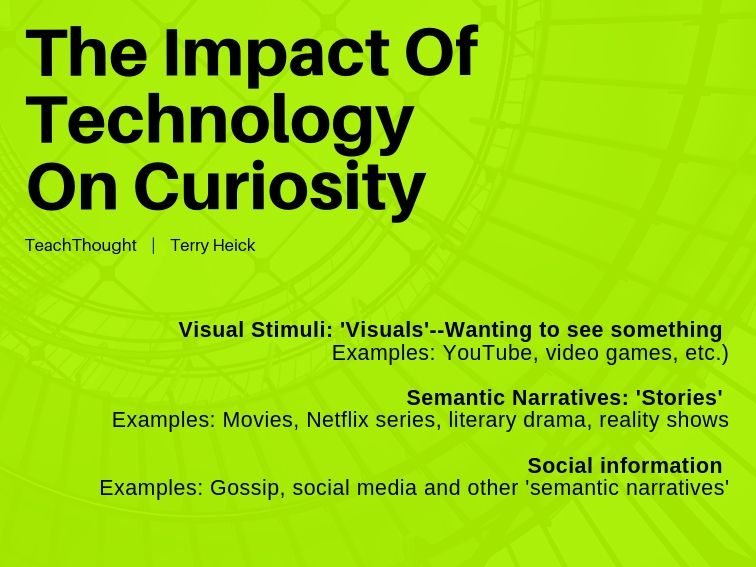
Understanding the impact of technology on curiosity suggests that we first understand the role of curiosity in the learning process itself.
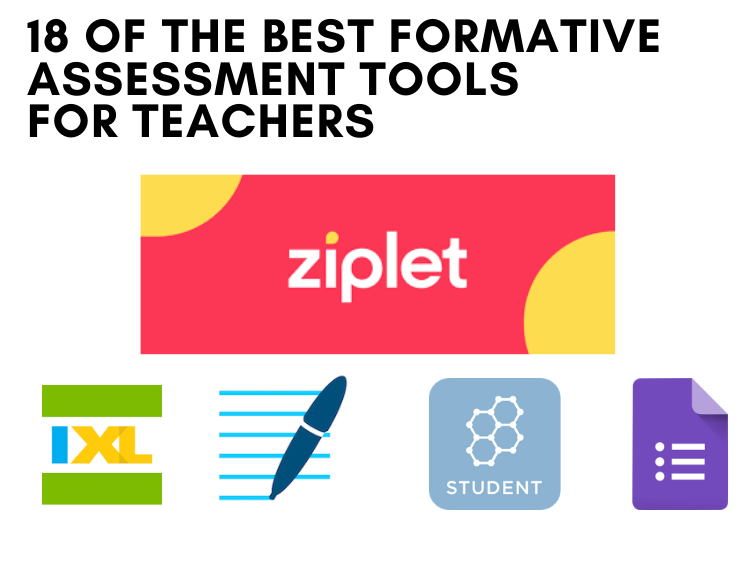
18 of the best formative assessment tools for teachers check for understanding.

The film section of Tuppence Magazine has put together a list of the 25 best learning resources for film studies available online.
From quick classroom projects to advanced productions, these editors cover K–20 needs.
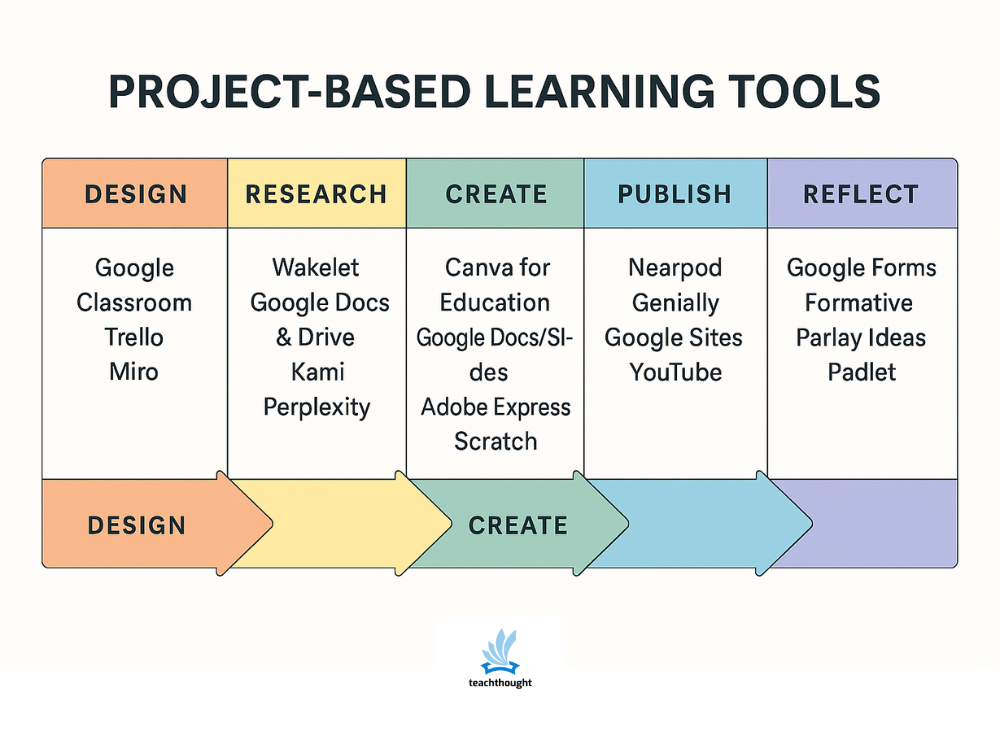
Project-based learning tools help students move from ideas to finished products through research, collaboration, and authentic presentation of learning.
Teacher tools to create online assessments: Google Forms for quick quizzes, Socrative for live checks, and Edulastic for standards-aligned tests.
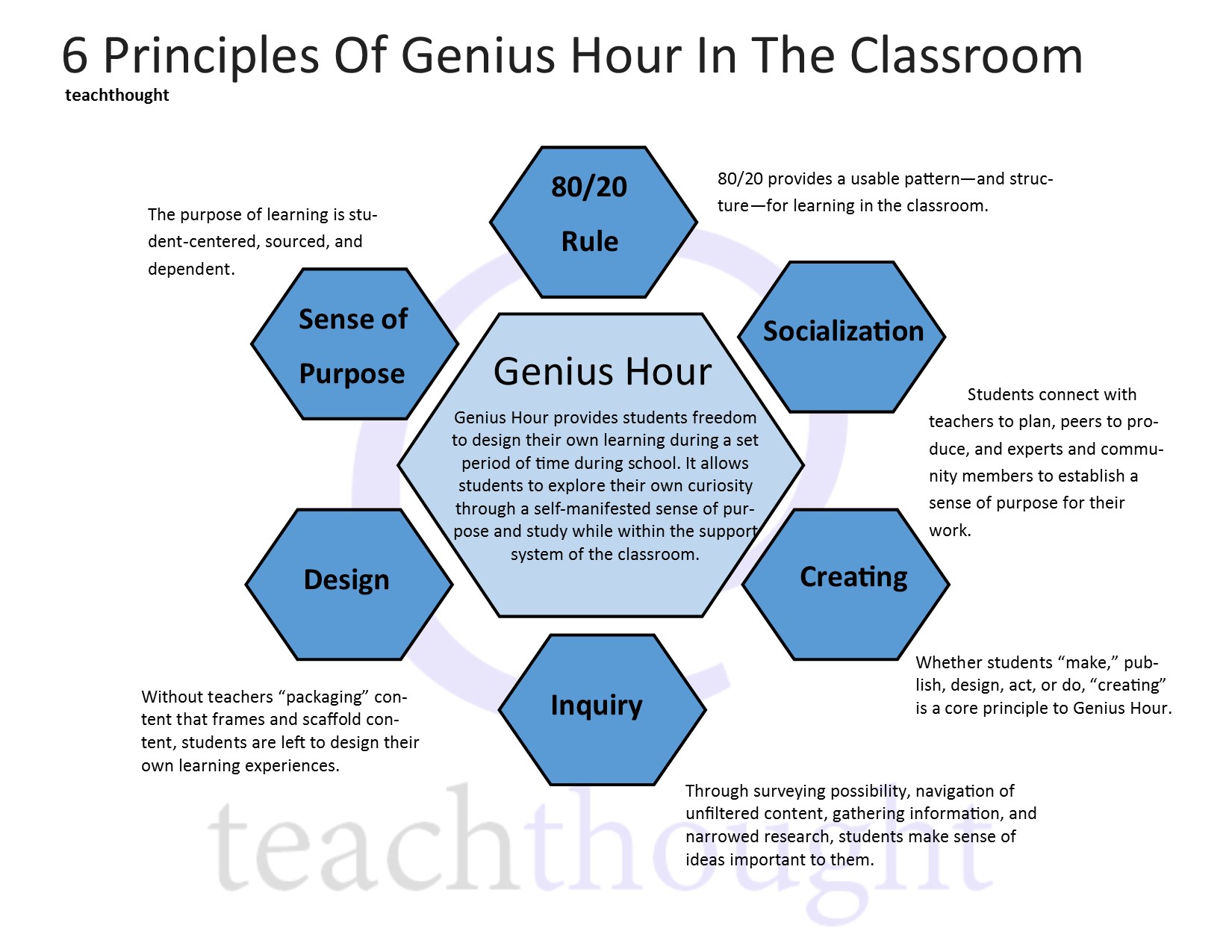
Genius Hour in the classroom is driven by curiosity. Critical principles include inquiry, purpose, socialization, and design.

Grading problems still surfaced, but with a system in place, it was easier to identify what went wrong and communicate why to students.
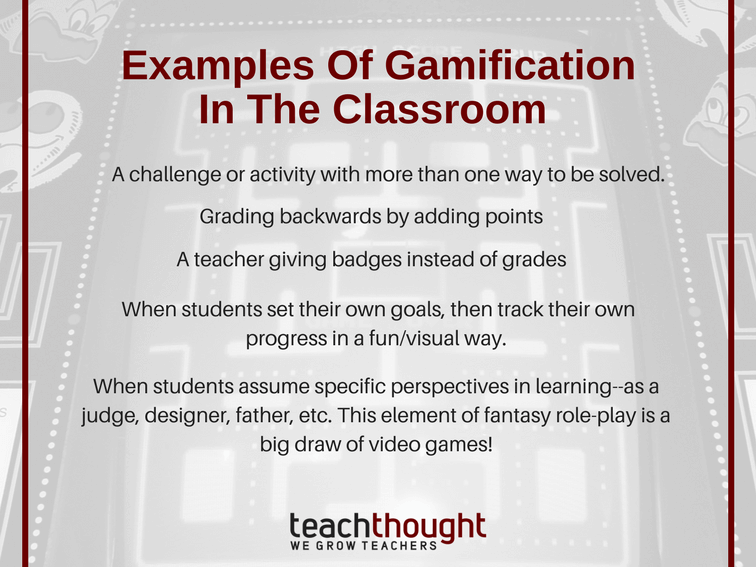
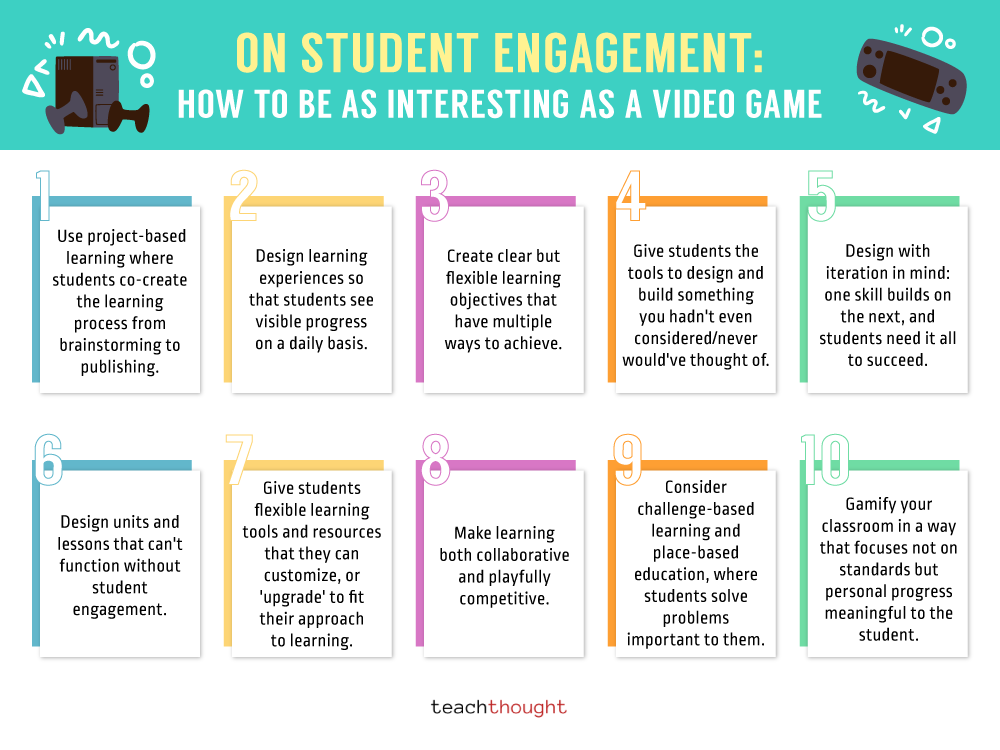
Examples of gamification include additive grading, using levels of progress, creating learning badges or trophies to include, and more.
BYOD in education (Bring Your Own Device), is caught on quickly, and while it has challenges, it also has possibility.
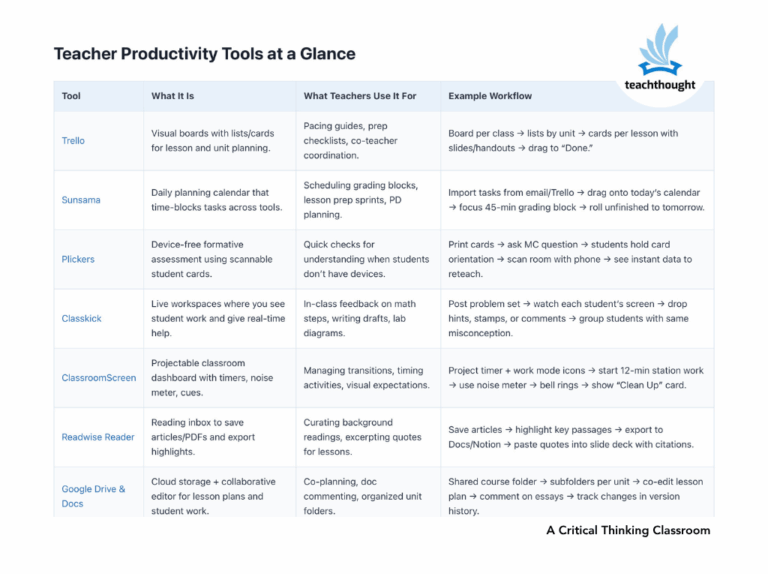
A list of 30 teacher productivity tools that streamline planning, collaboration, grading, and automation. Includes Trello, Notion, Google Docs.

Like thinking, reading in the 21st century is endlessly linked in an increasingly visible web of physical and digital media forms.
Nearly every major educational institution in the world is teaching with YouTube through videos featuring news, lectures, and courses.
Despite good intentions, the way we approach ‘career readiness’ in education often falls short.