Rethinking Grading In A 21st Century Project-Based Learning Environment
Rethinking grading in project-based learning can support students by clarifying complexity and rewarding nuance of understanding.

Rethinking grading in project-based learning can support students by clarifying complexity and rewarding nuance of understanding.
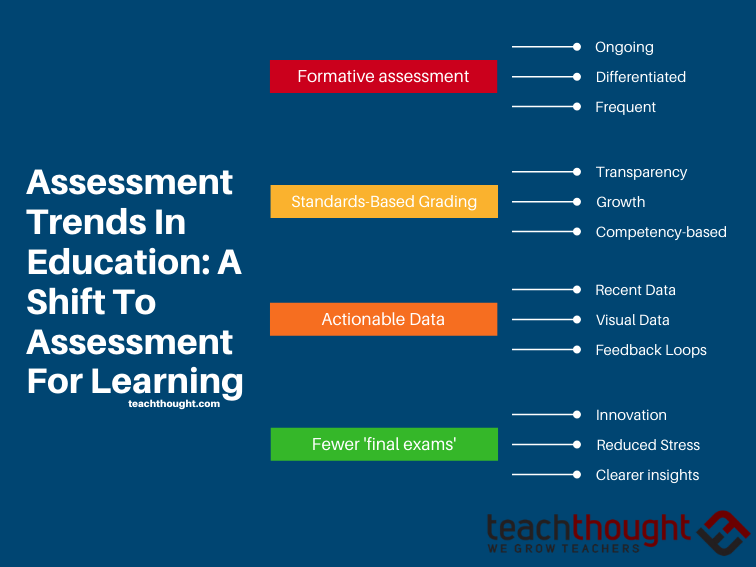
Throughout the K-12 learning landscape, assessment practices are changing to embrace assessment for learning, not assessment of learning.

Teachers have moved from “Should I use technology?” to “How can I integrate technology best, enhancing learning without hijacking it?”
If the goal a student has to clear is absurdly low, then the assessment is not rigorous even though it is ‘standards-based’ grading.

With single-point rubrics, the focus is on providing evidence of meeting, exceeding, or falling short of the quality you’re looking for.
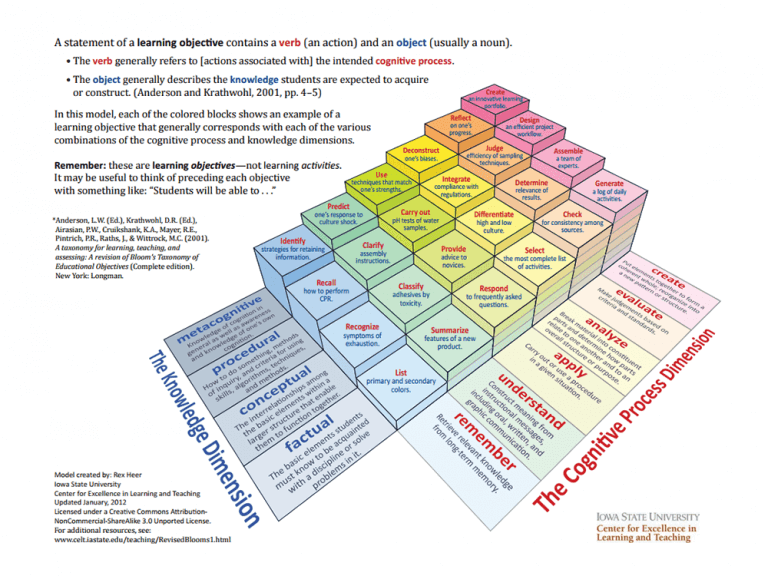
Each colored block has an example of a learning objective corresponding with each combination of the cognitive process and knowledge dimensions.
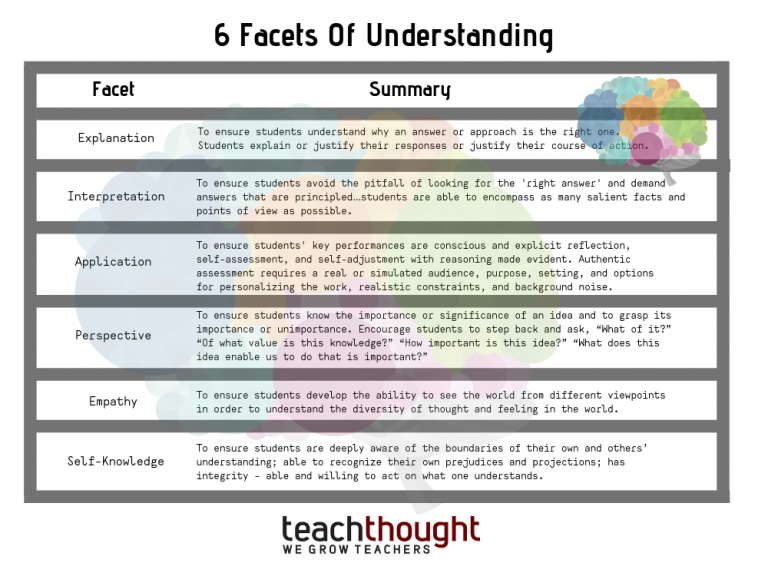
The 6 Facets of Understanding is a non-hierarchical framework for understanding. These ‘facets’ are useful as indicators of understanding.

The usefulness of student data is generally proportional to the frequency with which it’s collected. Here are eight sources of formative assessment data.
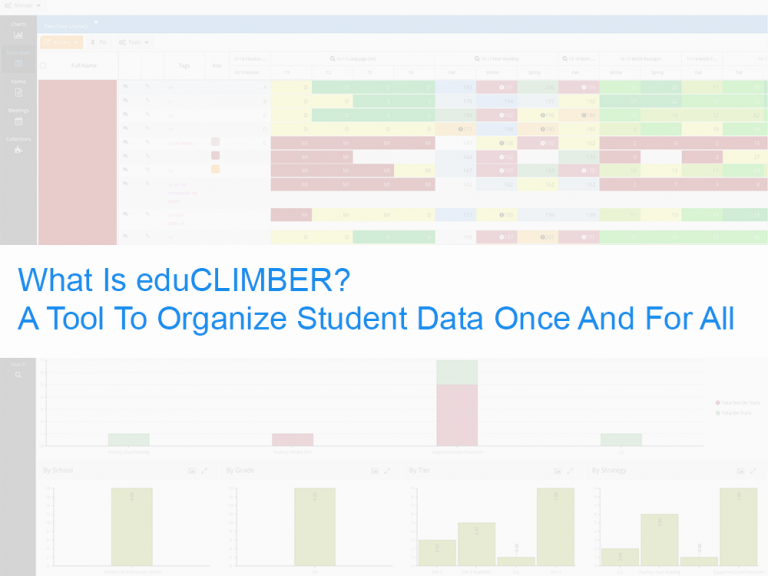
The most compelling feature of eduCLIMBER might be how it provides a central location for dozens of data forms and outputs.
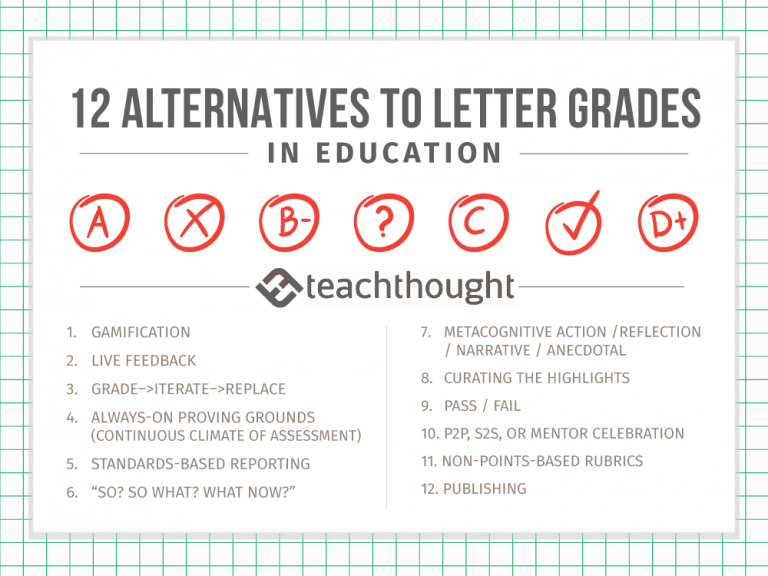
In this alternative to letter grades, work is first graded and then, through revision and iteration, is gradually improved and ultimately curated.
If we insist on outcomes-based, data-driven teaching, the traditional unit—at least in its current guise—has no business in our classrooms.
Whether a formal test or an informal observation, the most important question every assessment should answer is, ‘What now?’
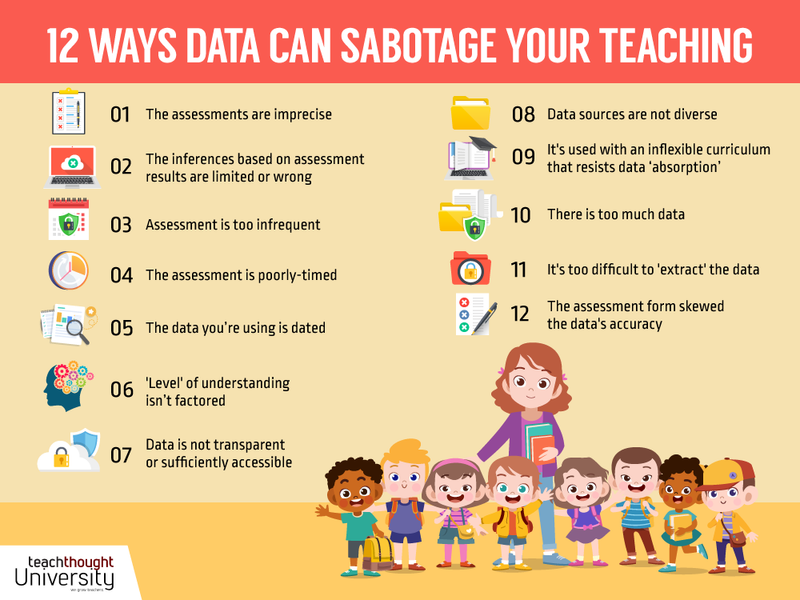
Functionally, the purpose of assessment is to provide data to revise planned instruction. Of course, it’s not that simple.
Evaluating a student’s mind with a system not much more robust than the one we use to review movies doesn’t seem like our best thinking.