100+ Bloom’s Taxonomy Verbs For Critical Thinking
A comprehensive list of Bloom’s Taxonomy verbs, organized by cognitive level, to guide lesson planning, assessment design, and the development of critical thinking.

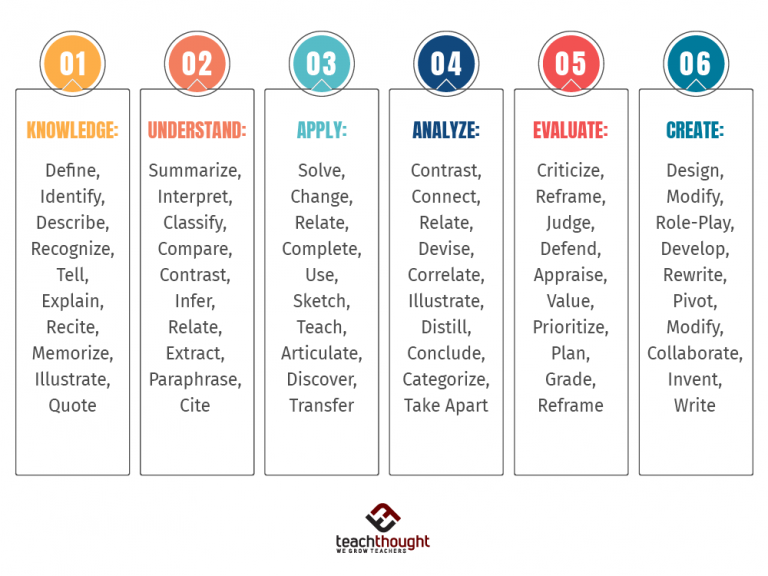
A comprehensive list of Bloom’s Taxonomy verbs, organized by cognitive level, to guide lesson planning, assessment design, and the development of critical thinking.
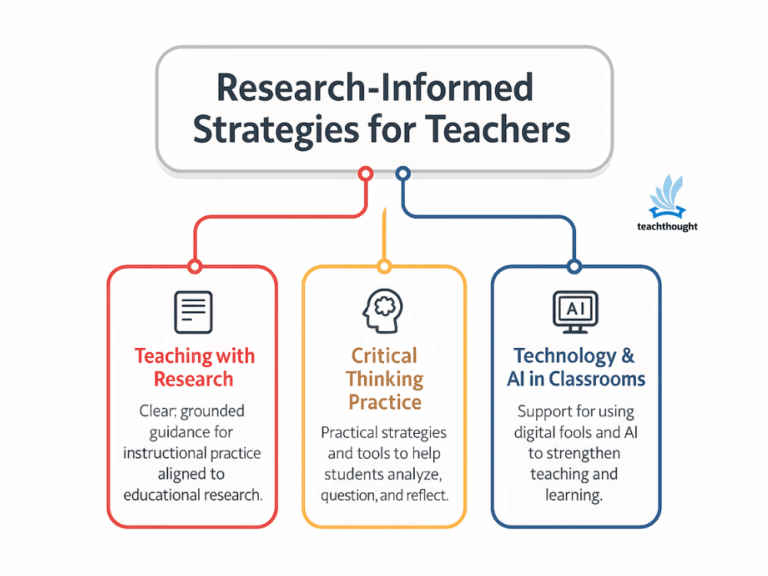
Some of the best lesson planning tools and templates for K–20 in 2025 include AI planners, collaborative platforms, and printable templates.
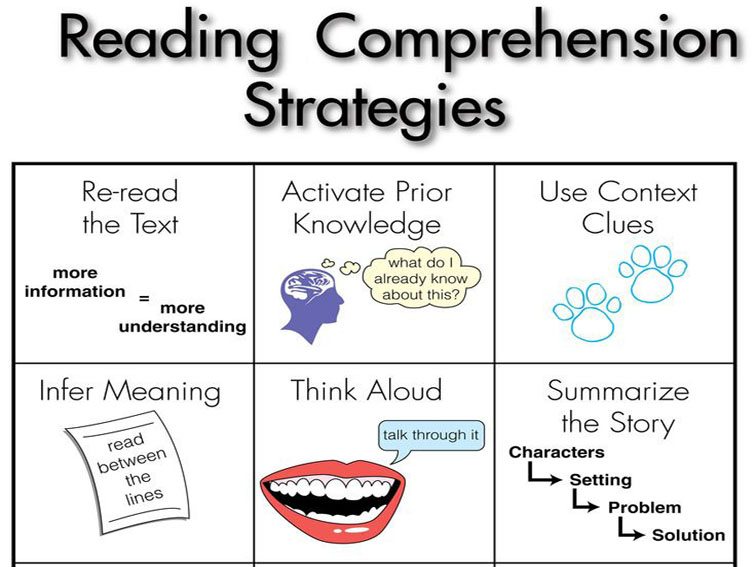
Reading strategies useful in every content area include Questioning the text, Visualization, and using Context Clues to infer meaning.

Practical, up-to-date X (formerly Twitter) tips: keyboard shortcuts, account safety, advanced search, lists, scheduling, and embeds. Updated for 2025.

What causes us to still cherish student-teacher relationships? It’s how they were developed, nurtured, and given space to evolve.
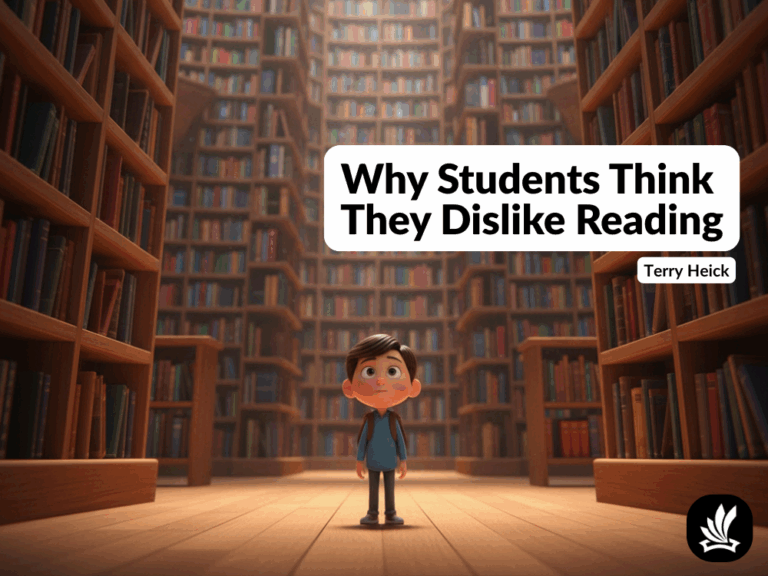
Why should students read? When we read–really, really read–for a while, a normally very loud part of us grows quiet.
A guide to presentation tools for teachers in 2026, organized by category with practical classroom use cases across K–20.
Classroom management is as much about instructional design and relationships as it is rules and discipline.
From Microsoft OneDrive and Hightail to Google Drive and Dropbox, here are 15 of the best ways to share large files–updated for 2026.
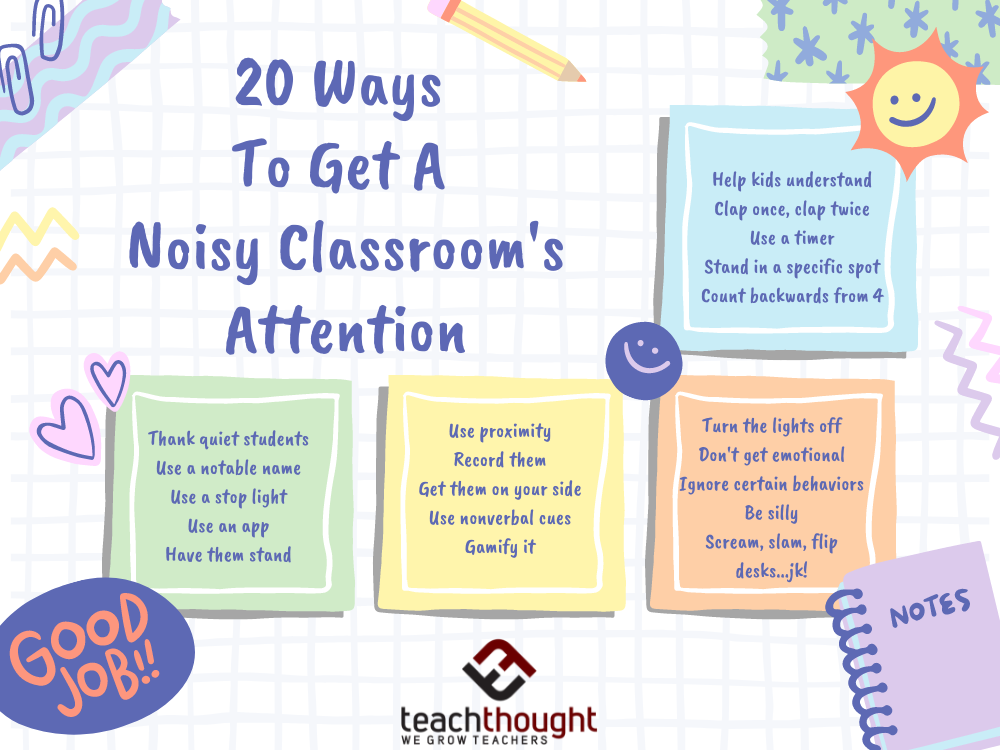
Stand at the front of the room and say out loud, “Clap once if you hear me, clap twice if you hear me,” while modeling the clap.
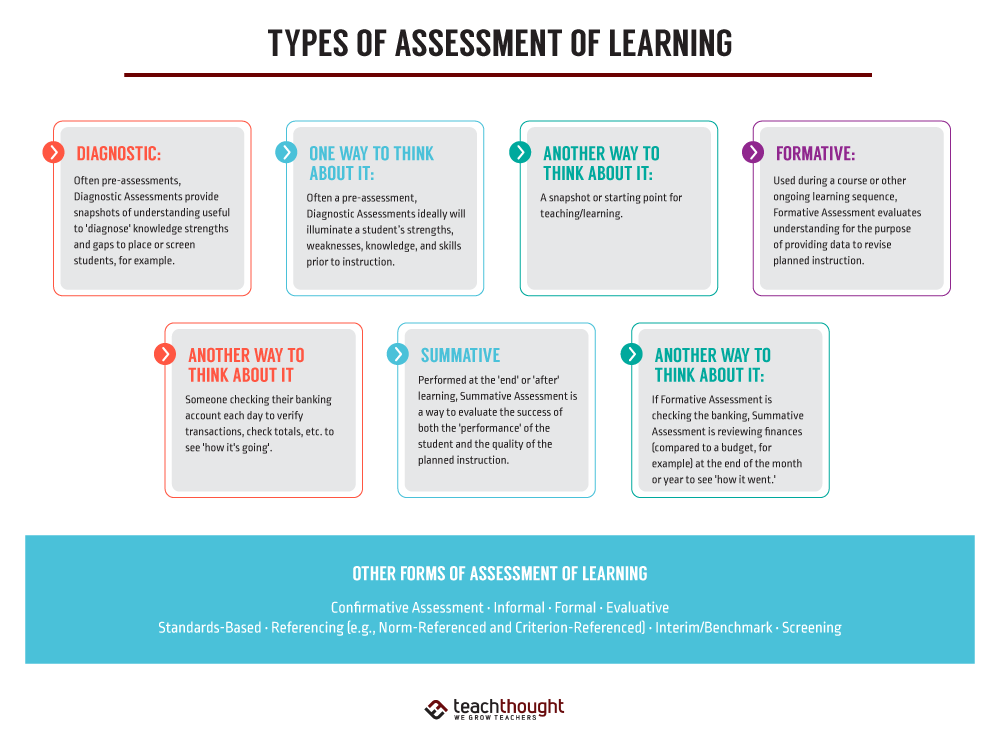
From formative and summative assessment to criterion-referenced and benchmark assessment, each type of assessment has a unique function.
As a strategy for the beginning of class, it’s hard to beat surveys to answer the question, “What’s this got to do with me?”
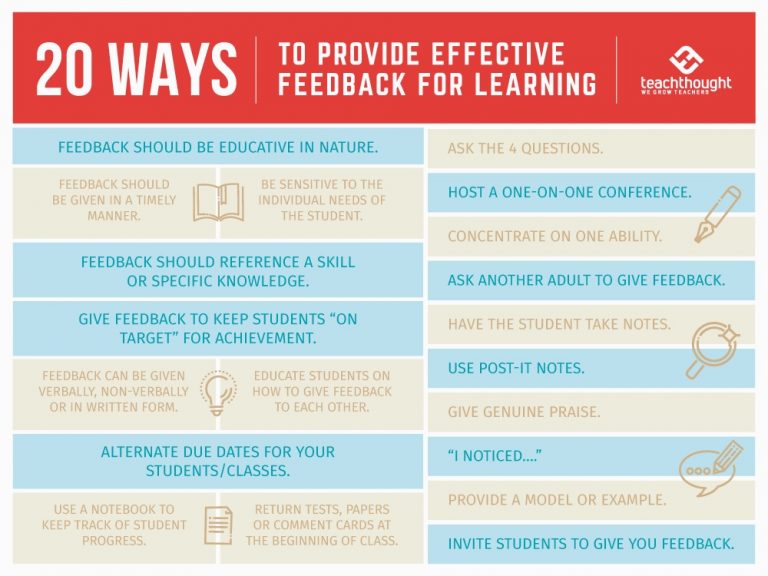
One way to provide effective feedback for learning is a ‘feedback sandwich’ to structure your feedback: Compliment, Correct, Compliment.
The United States’ most precious documents are housed at the National Archives.