Bloom’s Taxonomy Images For Teachers [Updated]
These images can help you see 6 Bloom’s Taxonomy images at a glance.

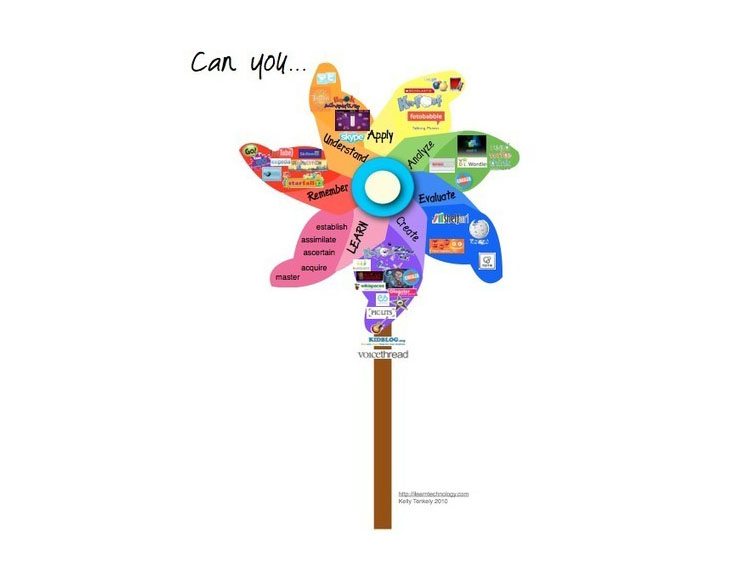
These images can help you see 6 Bloom’s Taxonomy images at a glance.
Measuring understanding might be the most complex thing teachers do. Unfortunately, PD gives little attention to making quality assessments.
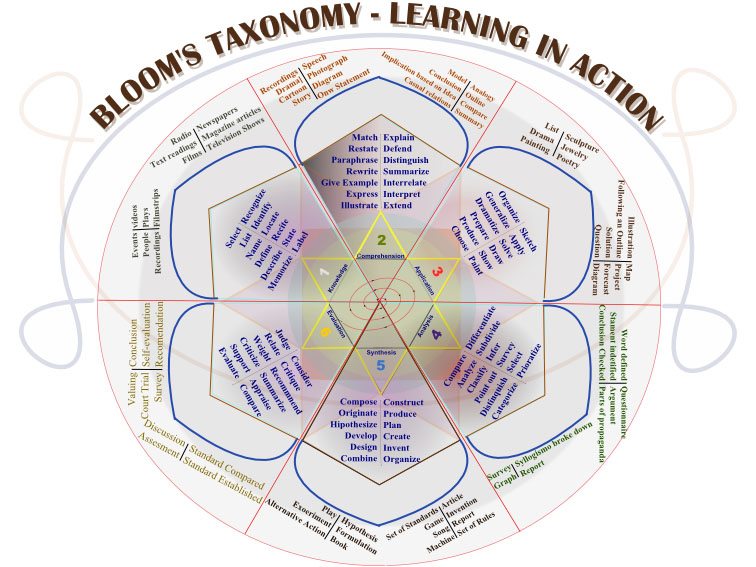
In this list, we’ve collected posters, apps, definitions, apps, tools, videos and strategies and more to help teachers use Bloom’s Taxonomy.
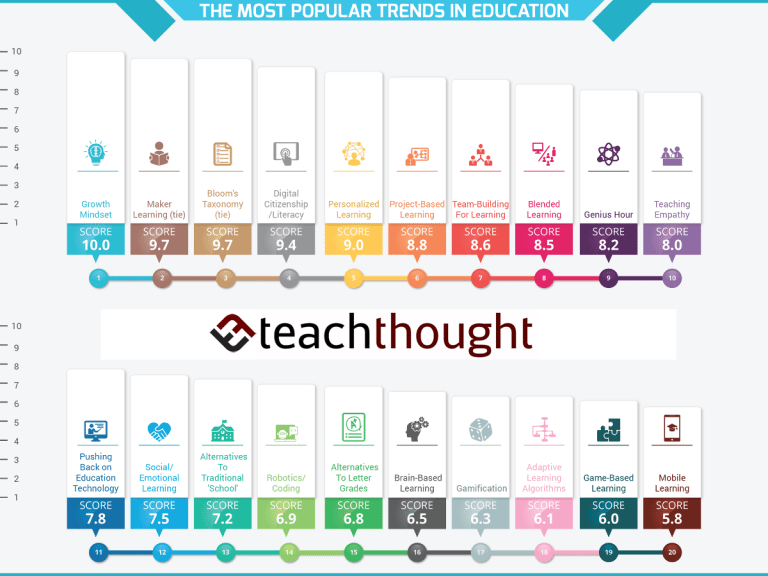
Some of the most popular trends in education include Social-Emotional Learning, blended learning, and sustainable teaching.
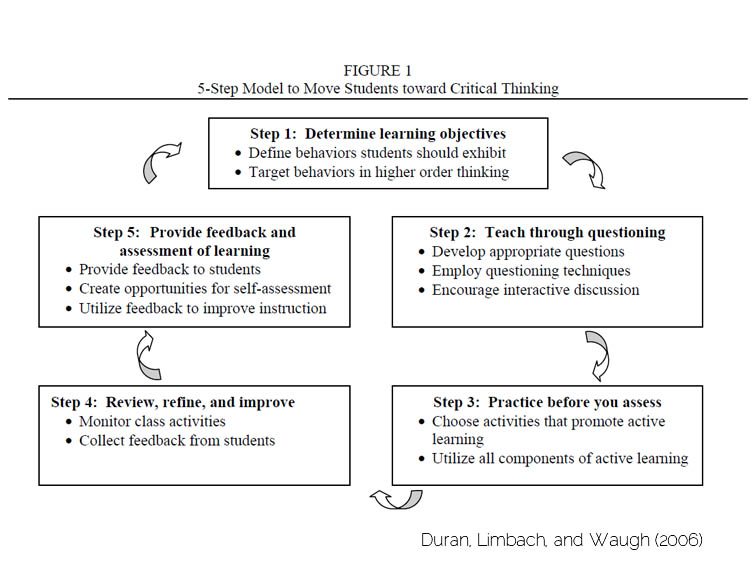
Like anything else in your classroom, promoting critical thinking skills is a matter of planning, priority, and practice.
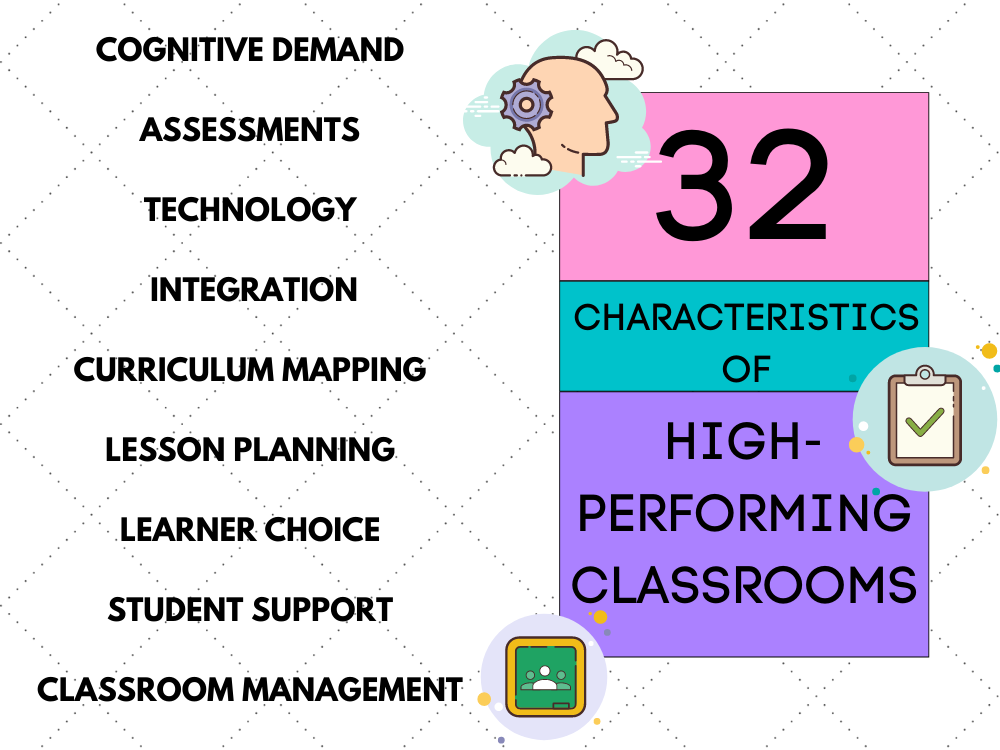
We’ve created the following 32 characteristics of high-performing classrooms to help you spot the opportunities for growth in your teaching.
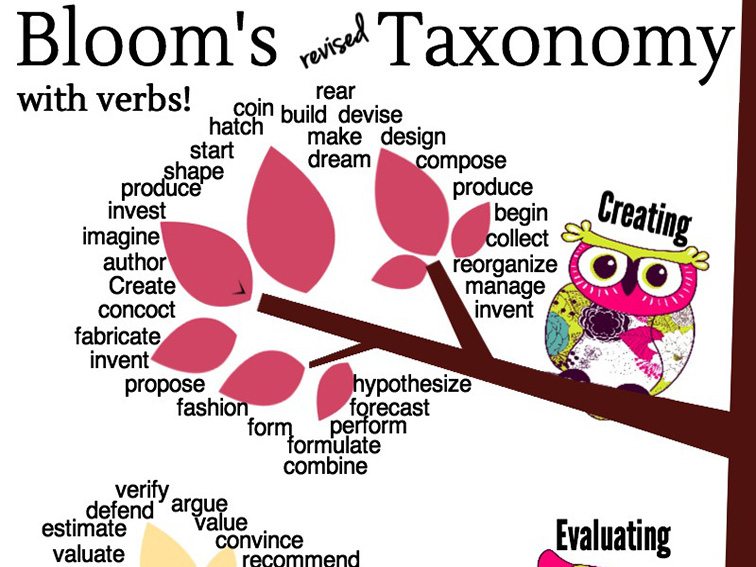
There are dozens of graphics that help frame Bloom’s taxonomy is unique ways. The Taxonomy tree is one of them.
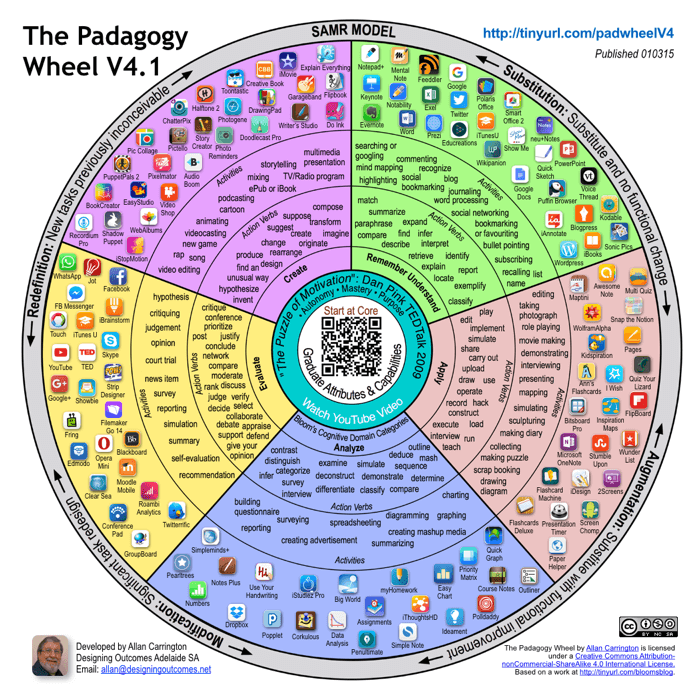
The Padagogy Wheel brings together in one chart several different domains of thinking with education apps for learning.
A Dictionary For 21st Century Teachers: An ongoing index of emerging learning models, theories, and technology for progressive teaching.
What is Diagnostic Teaching? Diagnostic teaching is a step-by-step, intentional process for pinpointing exactly why a student is struggling.
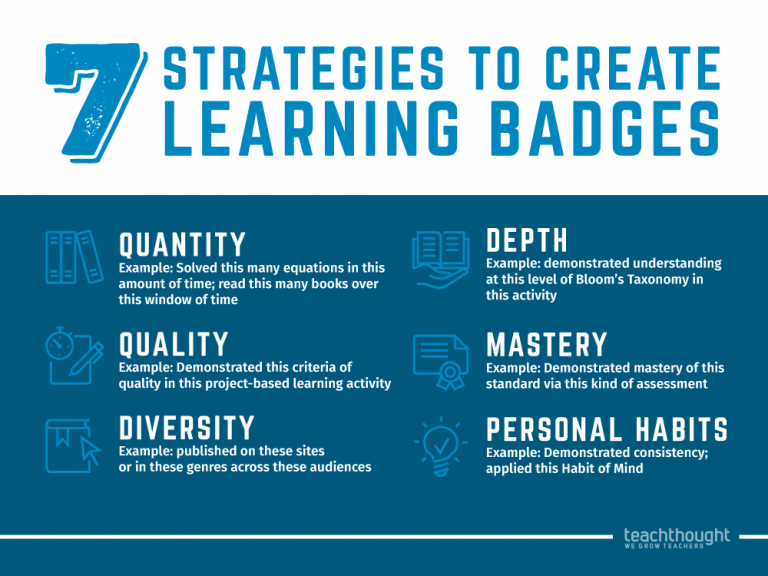
The effect of well-designed learning badges is a kind of encouragement mechanic that helps students see their own progress.
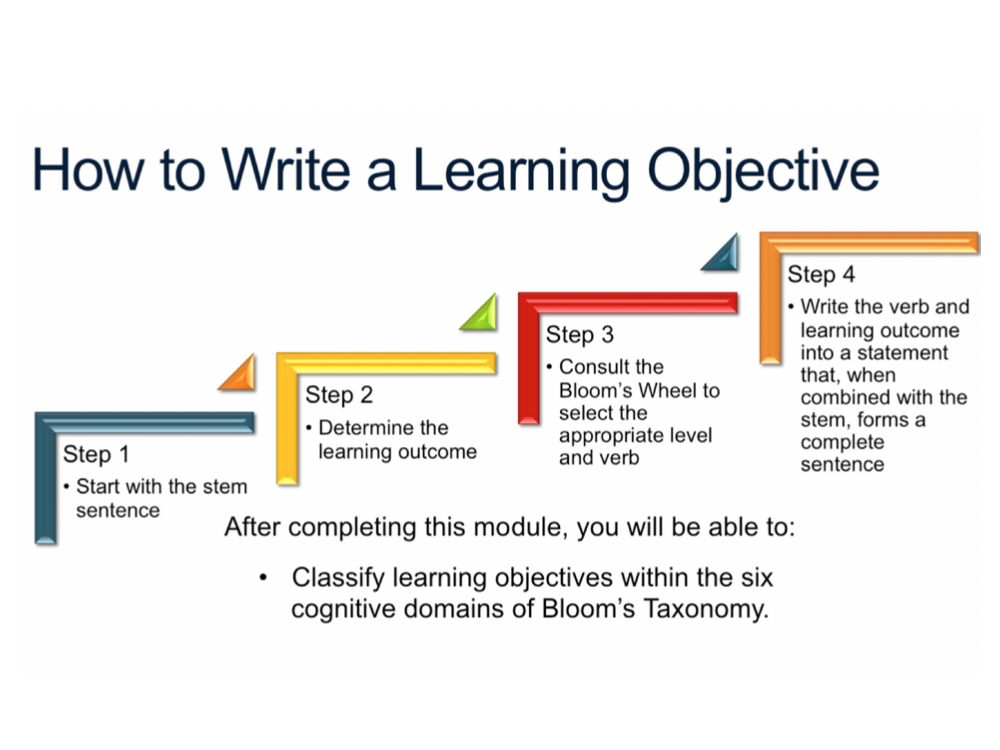
Used correctly, Bloom’s Taxonomy can help you to write lesson objectives aligned with specific levels of cognitive complexity.
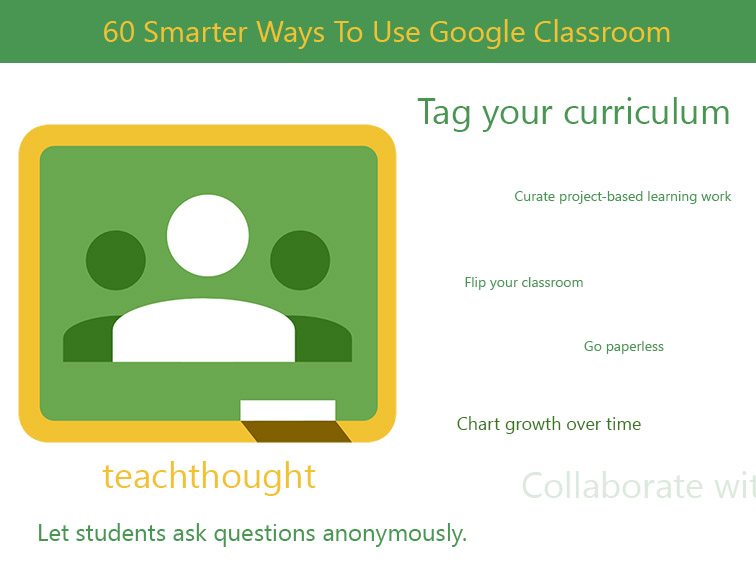
Google Classroom excels in providing solutions for teachers. From tagging curriculum to exit slips, here are 60 ways to use Google Classroom.
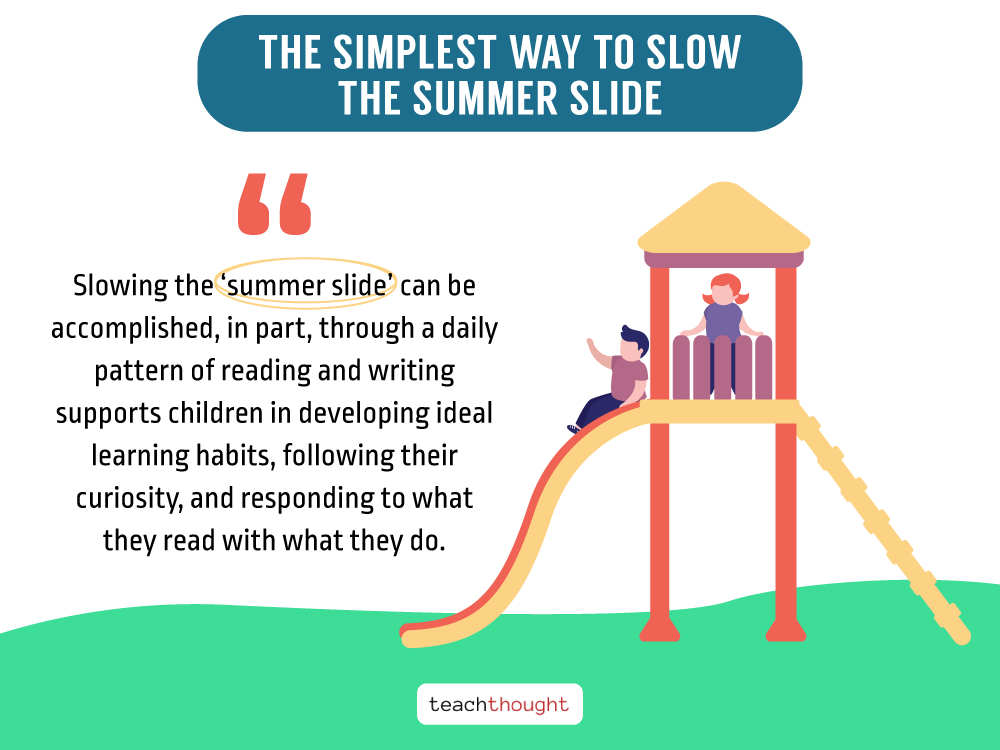
Slowing the ‘summer slide’ through daily reading, writing, and ‘playing’ supports children in developing learning habits that endure.