Classroom Of The Future: Shifts To Move Tomorrow’s Learning To Today
Shifts to create the classroom of the future include a shift from academic standards to learning networks and single modalities to blended.

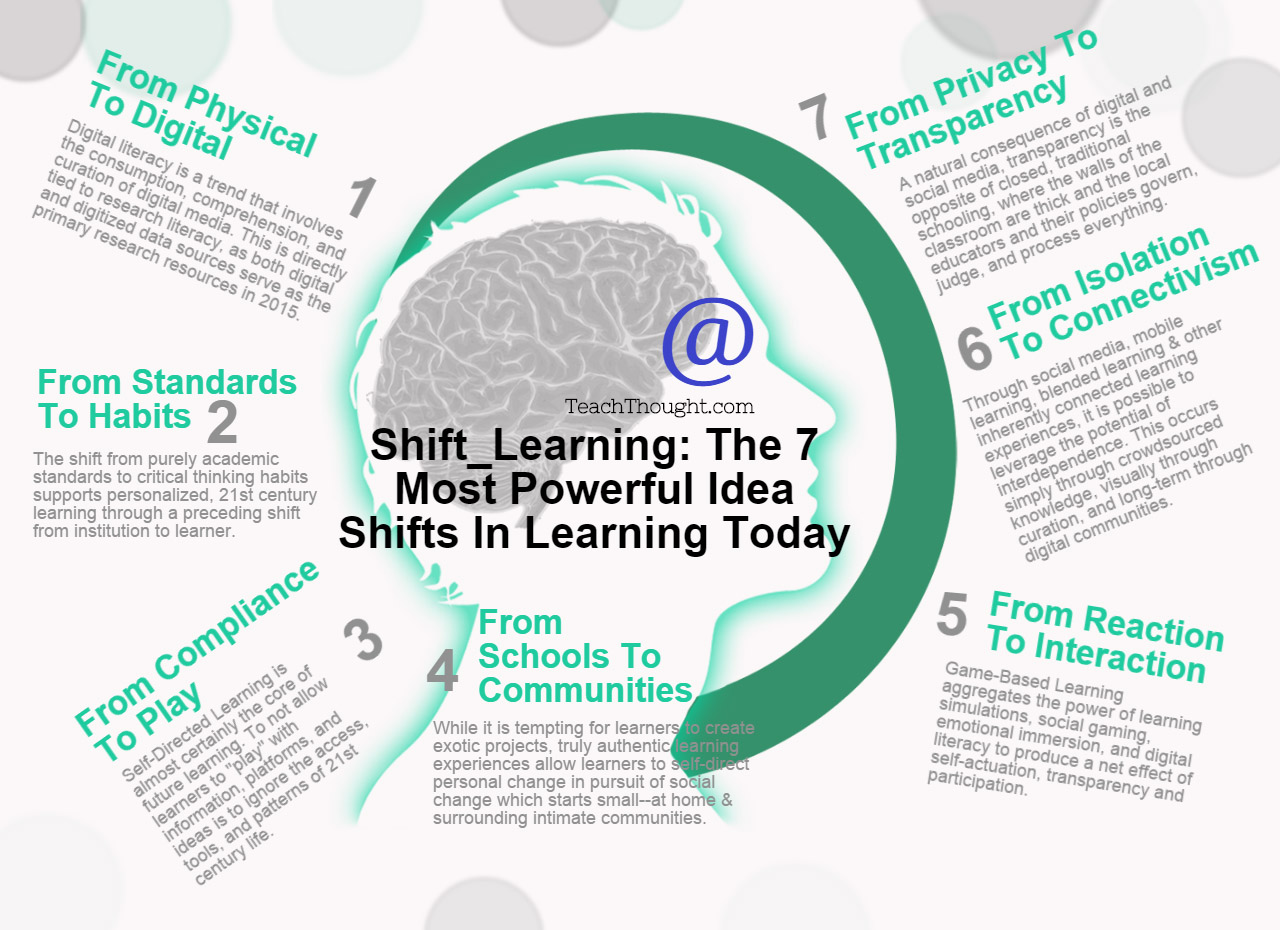
Shifts to create the classroom of the future include a shift from academic standards to learning networks and single modalities to blended.
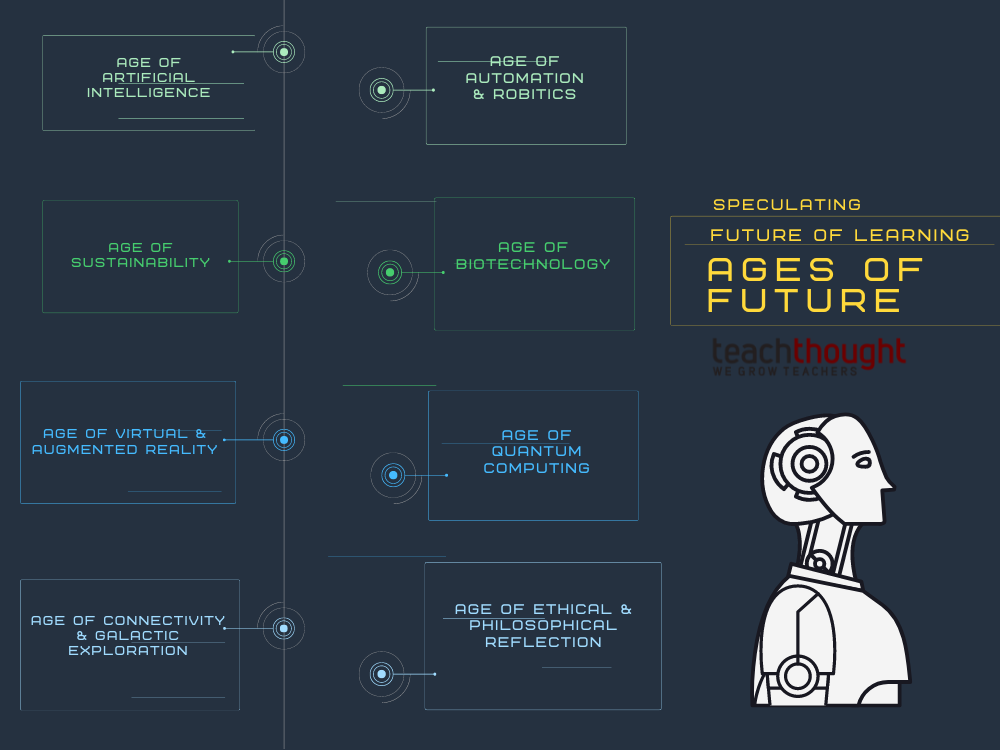
While predicting the exact future ‘ages’ that might come after the Information Age is speculative, we can try. : )
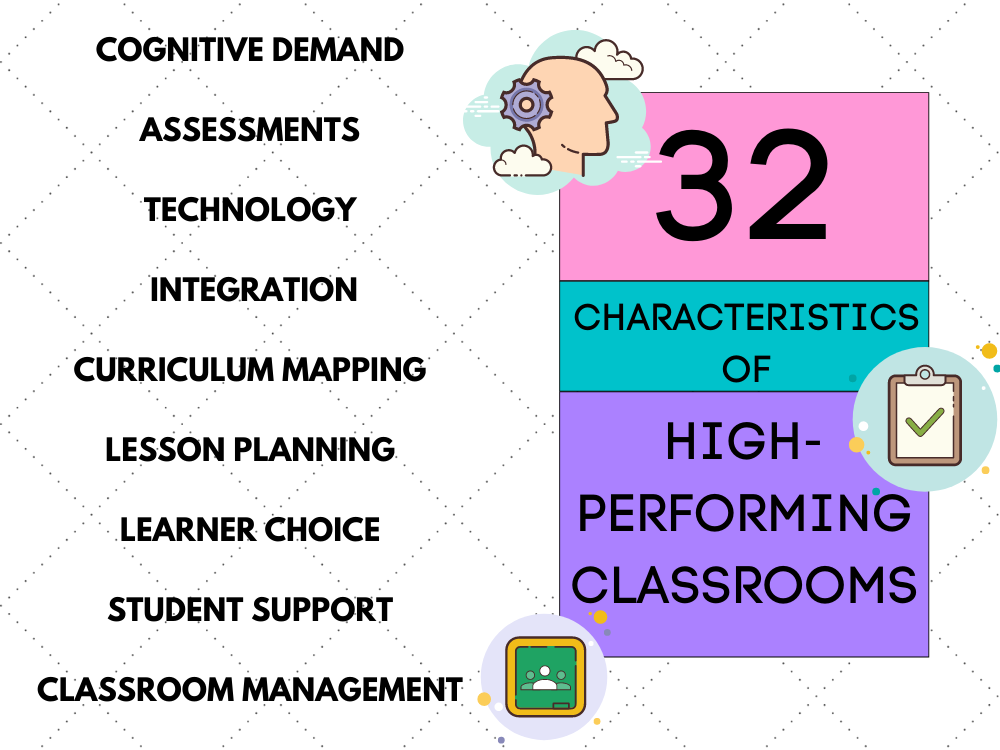
We’ve created the following 32 characteristics of high-performing classrooms to help you spot the opportunities for growth in your teaching.
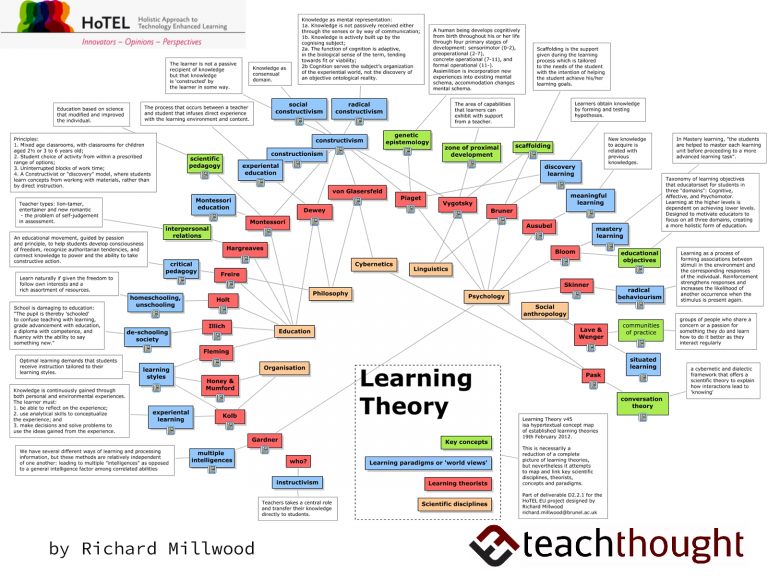
From Constructivism and Connectivism to Situated Learning, here are 32 of the most common learning theories every teacher should know.
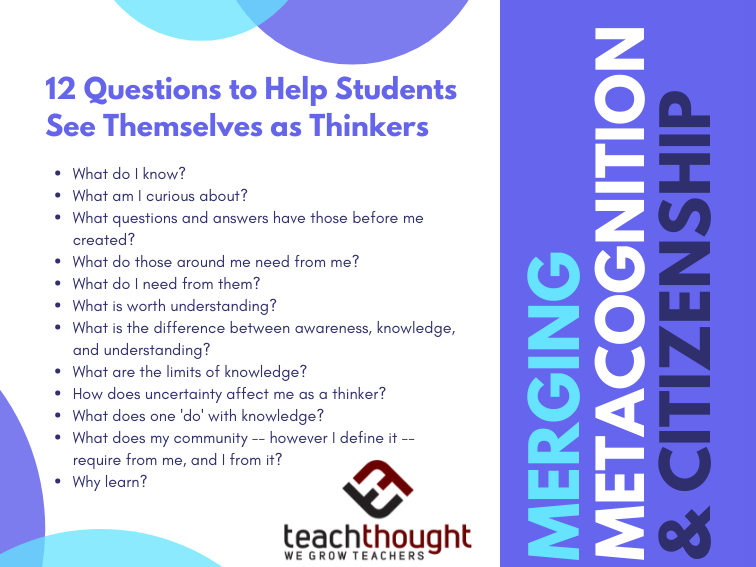
Self-knowledge is formed through metacognition and basic epistemology. Here are 12 questions to help students see themselves as thinkers.v
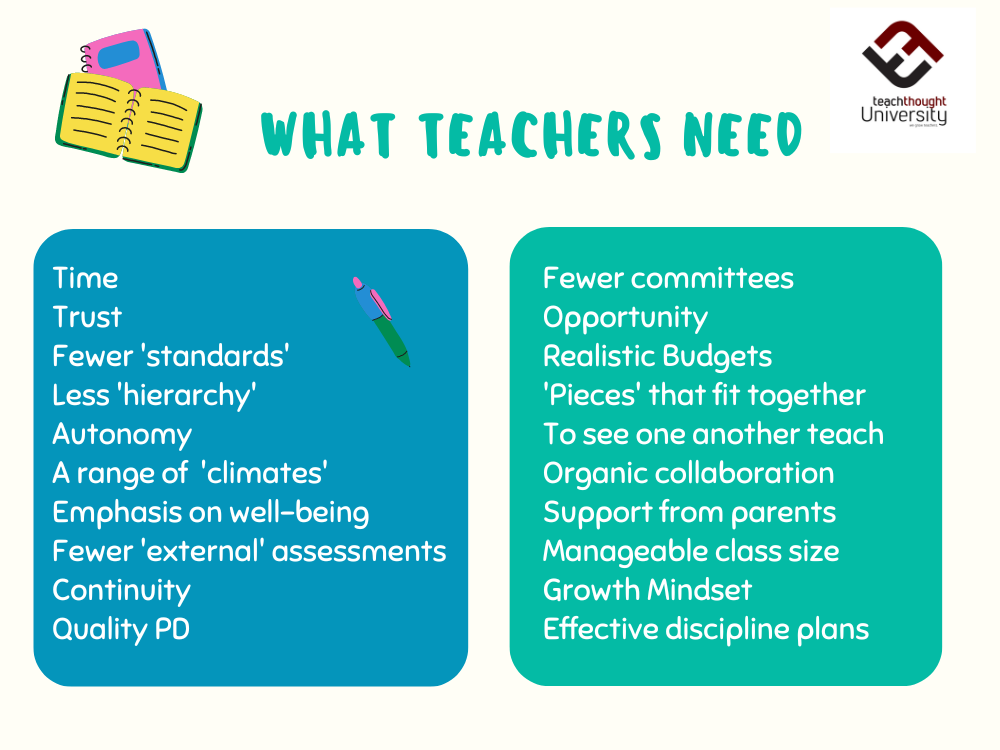
While schools should center children in purpose, tone, structure, function, etc., what about teachers? What do they need?
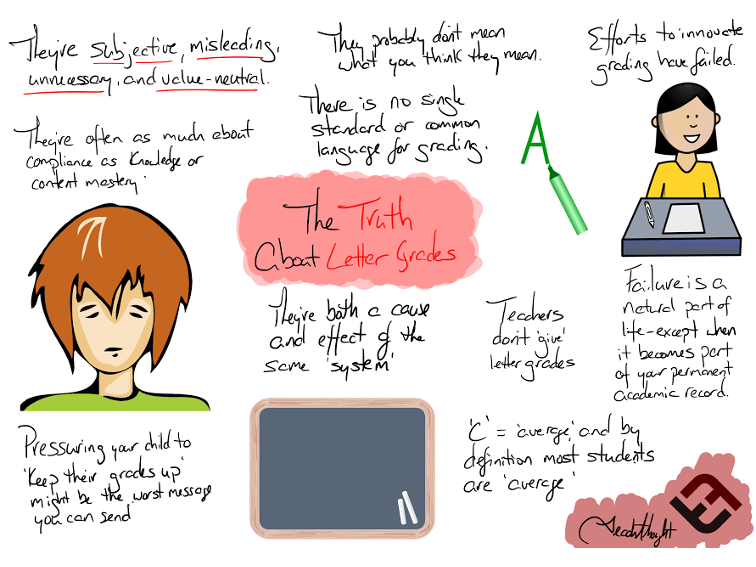
Letter grades don’t mean what you think they mean. In fact, they can fail to communicate important truths about your child’s learning.
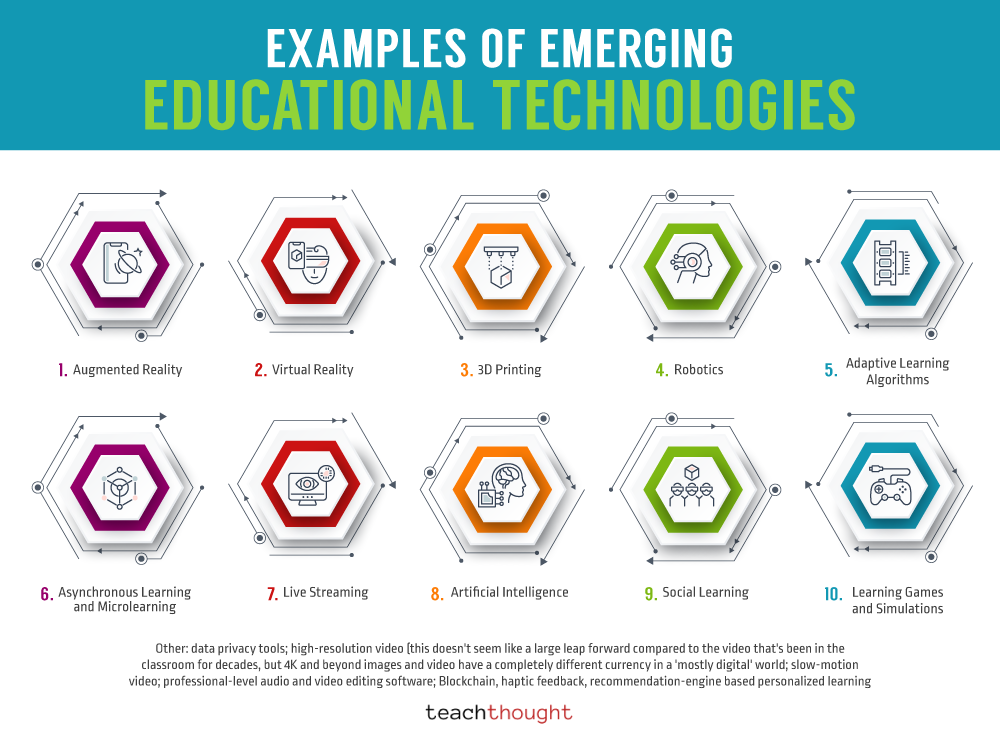
Most emerging educational technology will continue to radically reshape itself and thus continue ’emerging.’
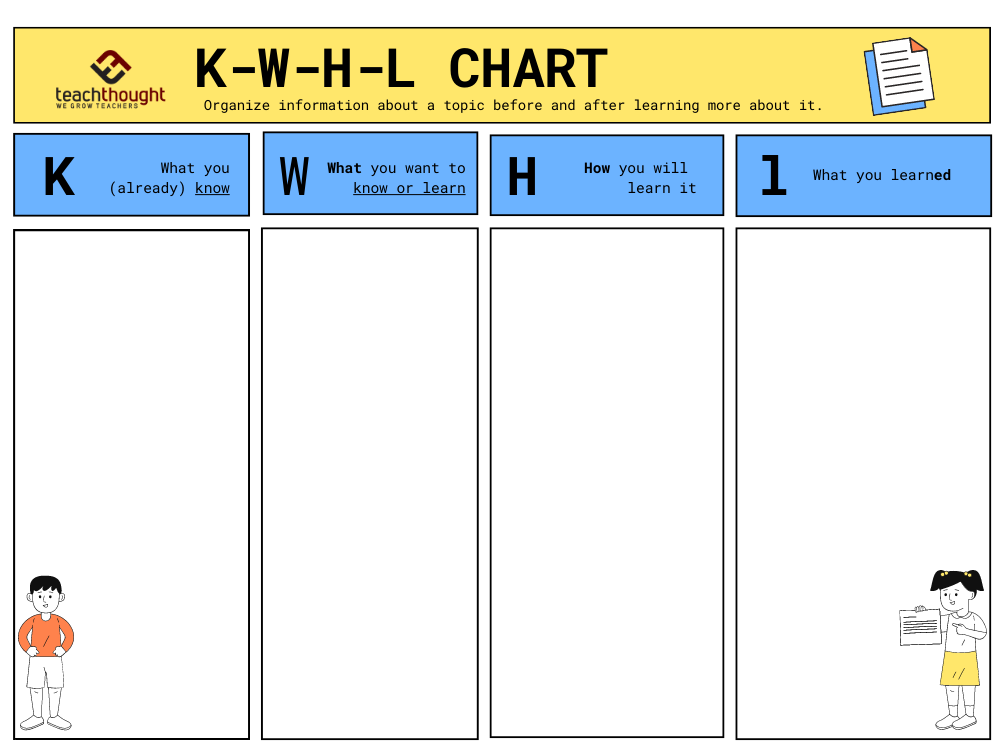
A KWHL chart is a variation of a KWL graphic organizer that adds ‘How’ to the predictive and reflective process.

Upgrading for me means a clean, fresh start. It’s about assessing what’s out there, removing what’s outdated, and investing in the future.
Hermeneutics is a branch of knowledge concerned with the theory, practice, and methodology of interpretation of text.

Athletes will rarely think, “I simply cannot make this shot.” Students–for whatever reason–are more likely to say, “I’m not good at tests.”
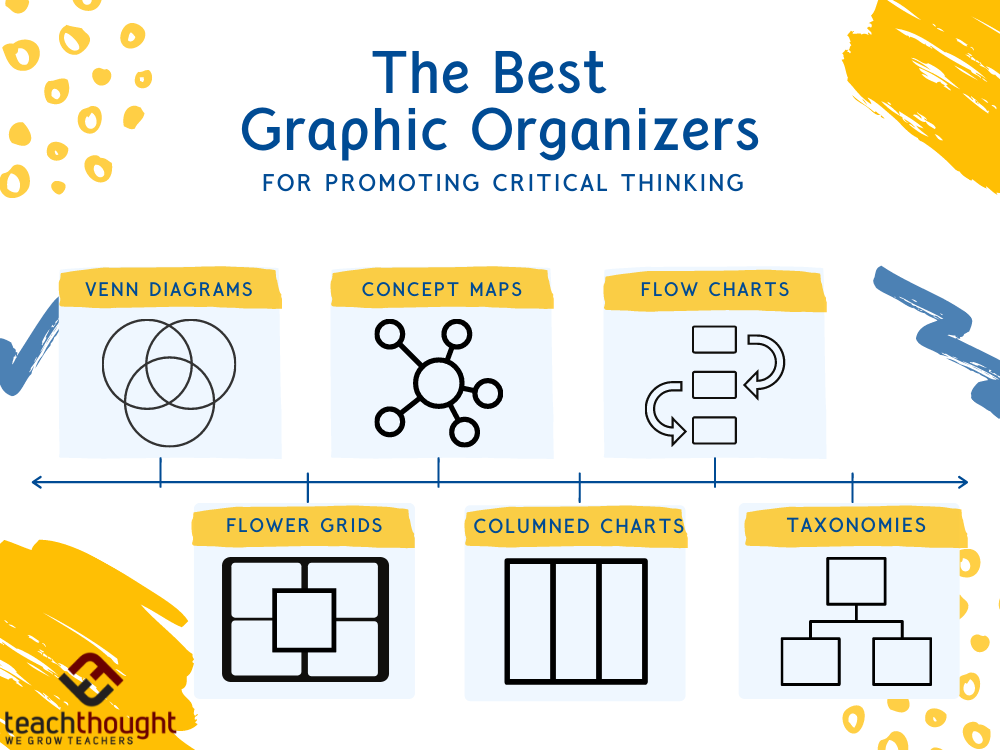
Graphic organizers allow students to visualize, order, and categorize concepts using verbal representations & visuals.
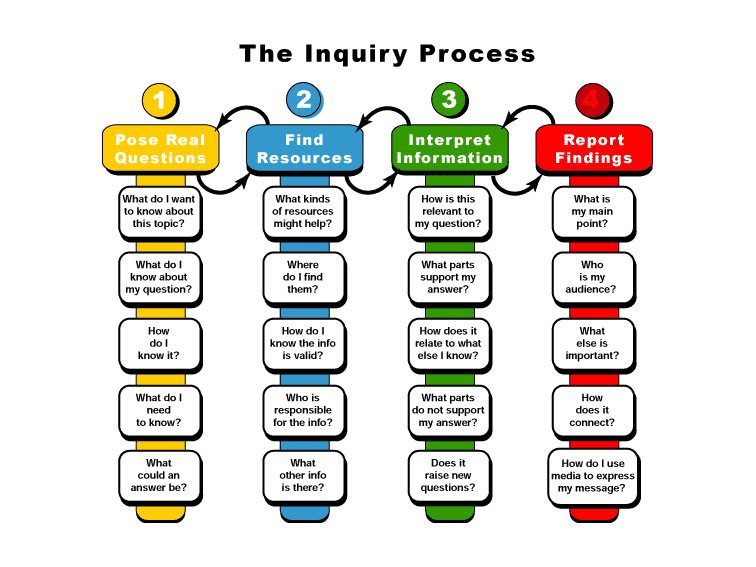
Guiding inquiry-based learning centers learning on a solving a particular problem or answering a central question.