What Is Question-Based Learning?
Question-based learning is a type of inquiry where the learner is guided by forming and refining a guiding question (or questions).

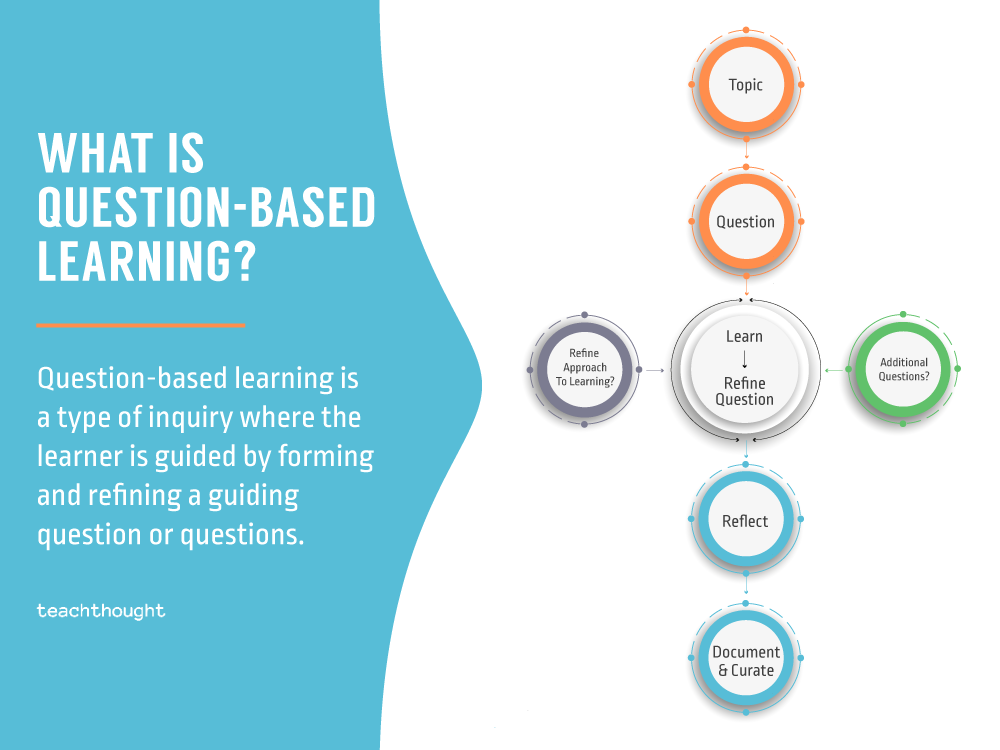
Question-based learning is a type of inquiry where the learner is guided by forming and refining a guiding question (or questions).
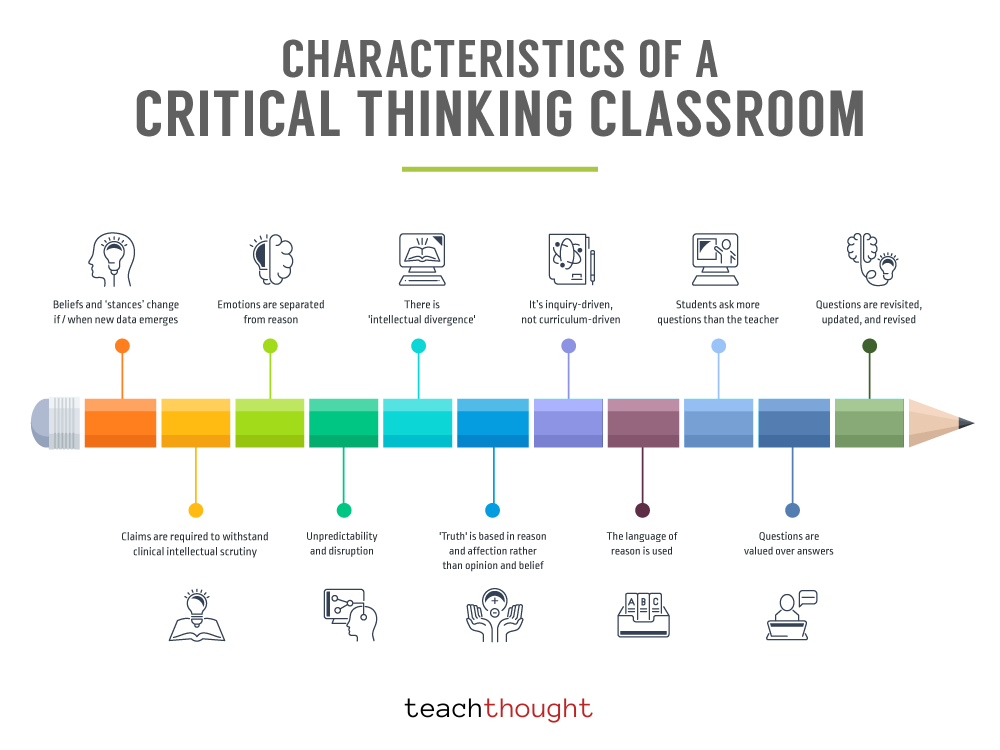
How do you know if your students are thinking critically in the classroom? Here are examples that might be good indicators.
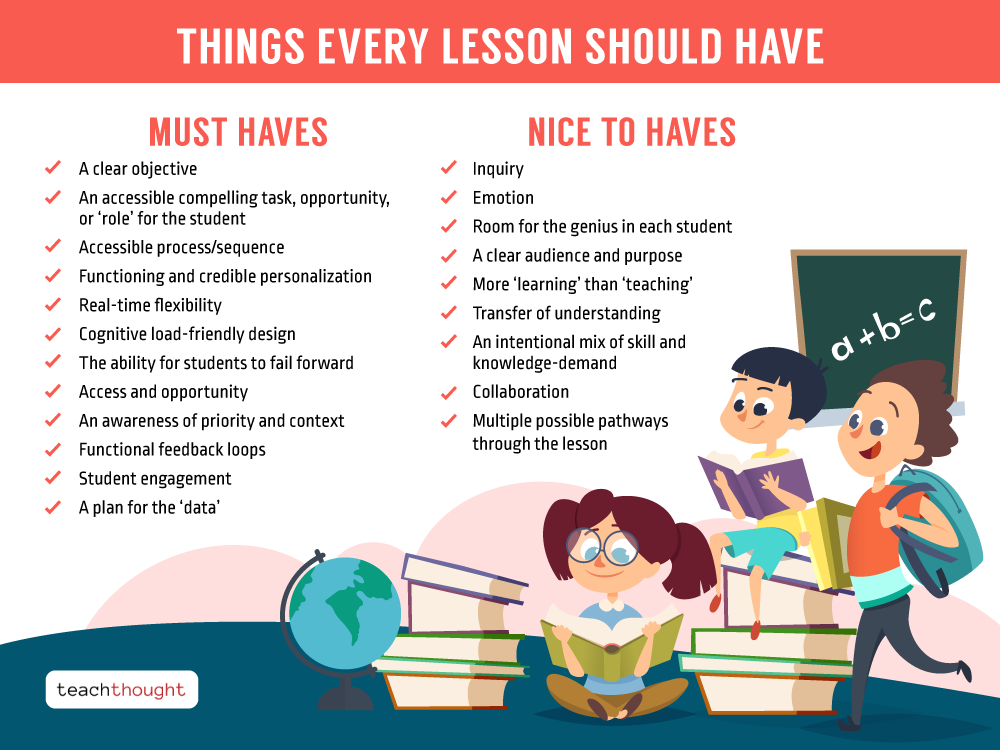
Every lesson plan should have a clear and compelling–and accessible–role for each student during each moment of the lesson.
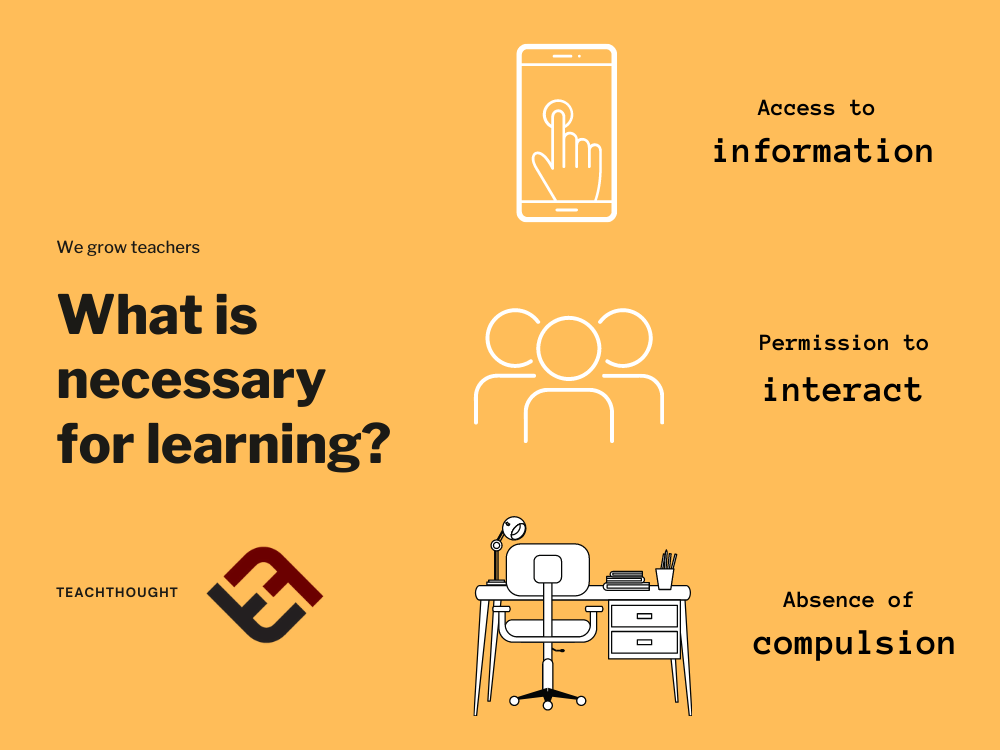
Sugata Mitra showed that children could learn complex tasks in the absence of formal training, spurred on by curiosity and peer interest.
While screen time certainly matters, focusing only on time is like developing a literacy program that focuses only on ‘minutes read.’
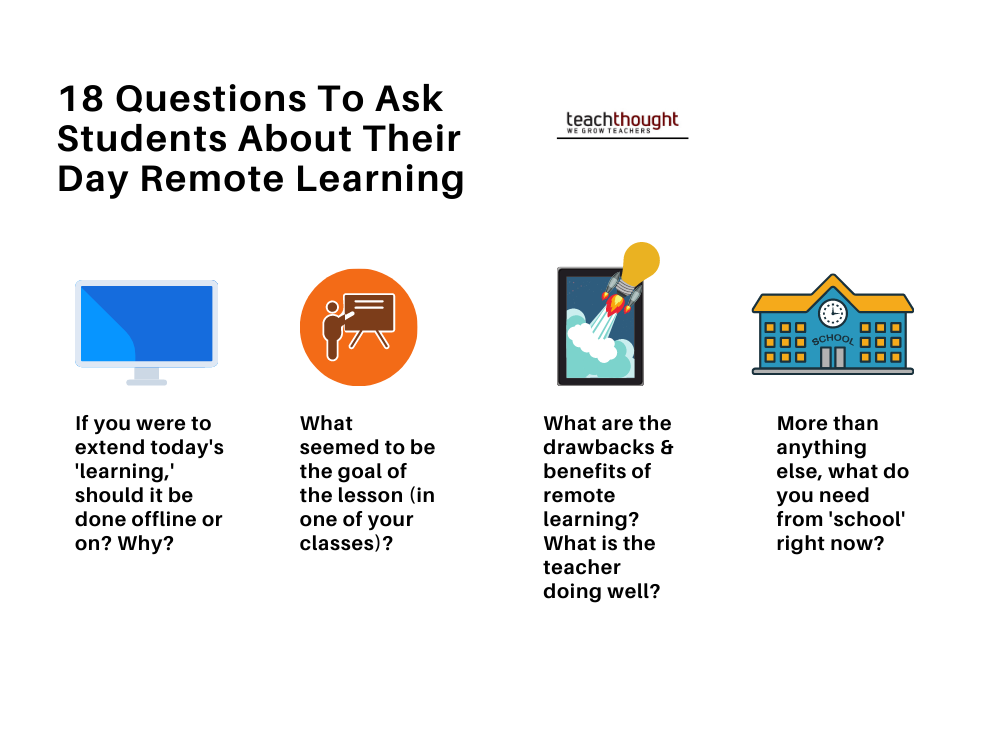
What kinds of questions to ask students support what they’ve learned remotely and enhance their ability to apply it?
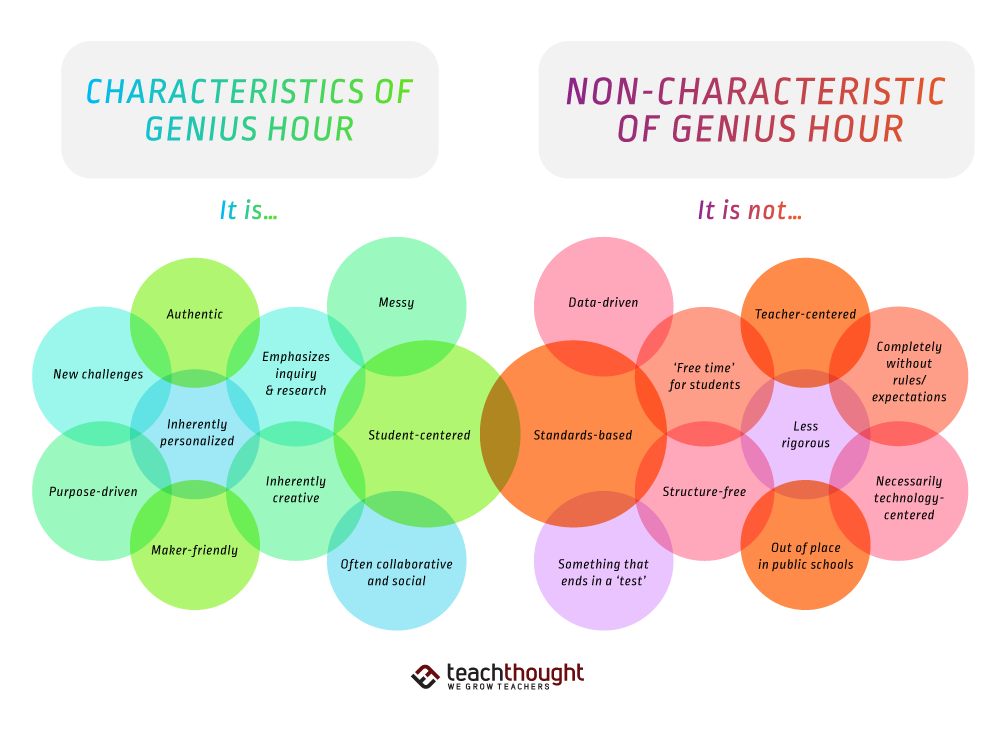
Genius hour is an approach to learning where students are guided by their own interests, background knowledge, and curiosity to learn.
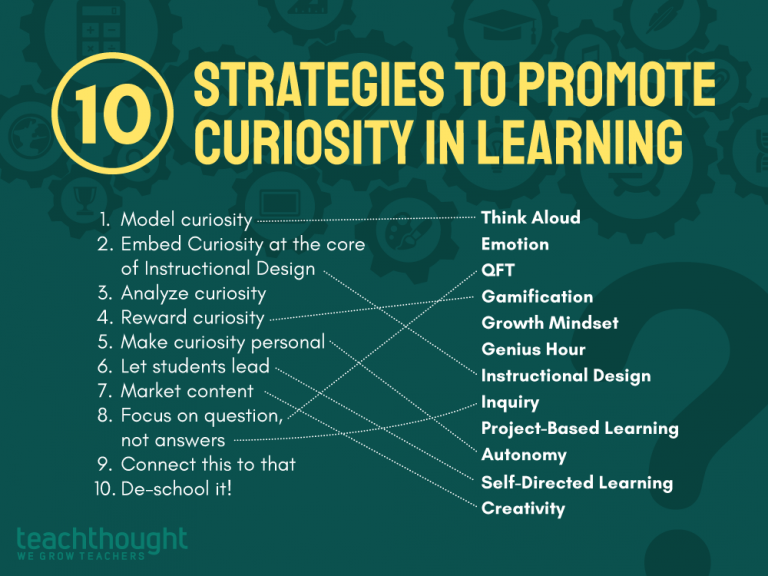
Questions are indicators of engagement and curiosity in learning. Just as usefully, they are evidence for what a student understands.
Here are 22 simple assessment strategies and tips to help you become more frequent in your teaching, planning, and curriculum design.
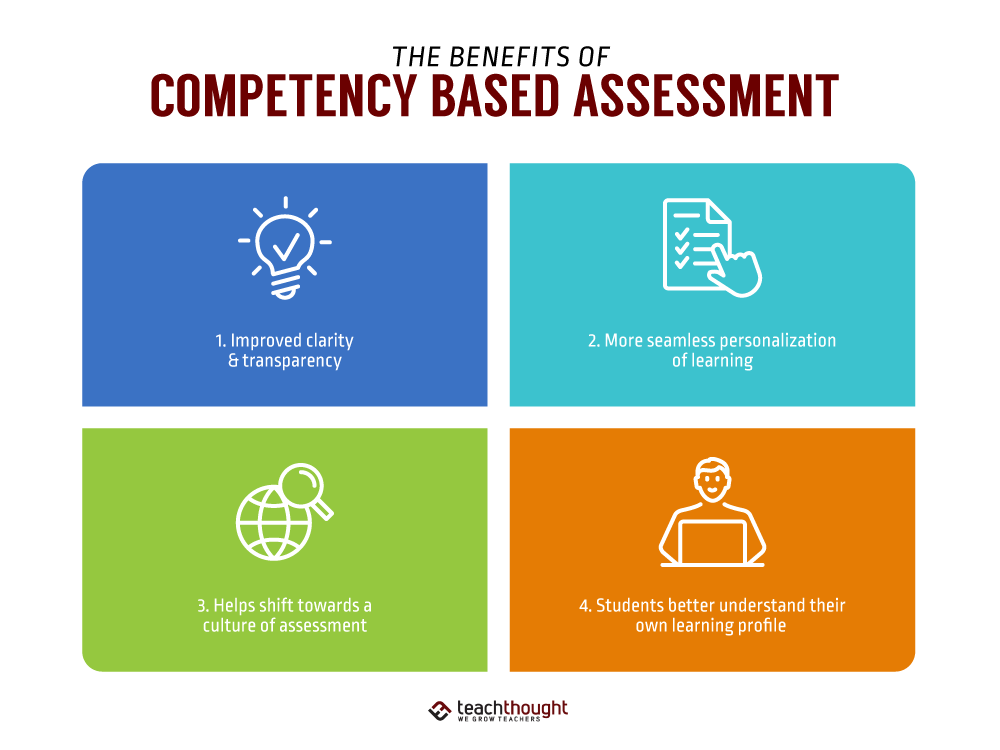
Competency-based learning provides students clear feedback about specific competencies and skills gained over time.
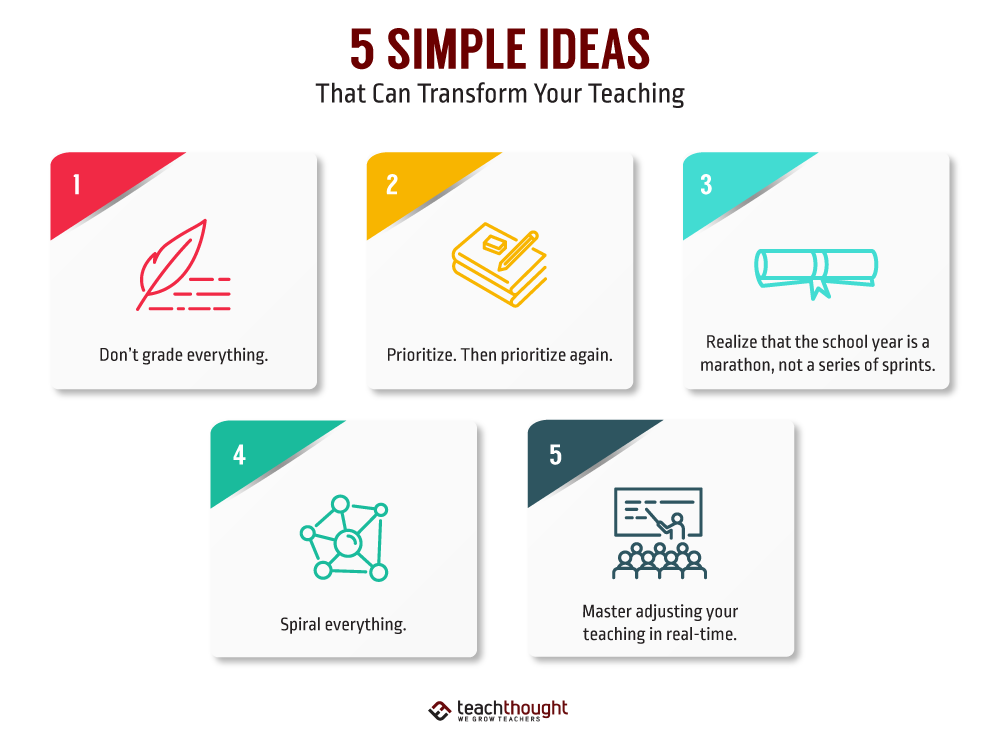
The school year is a marathon, not a series of sprints. You have longer than you think to help students learn by transforming your teaching.
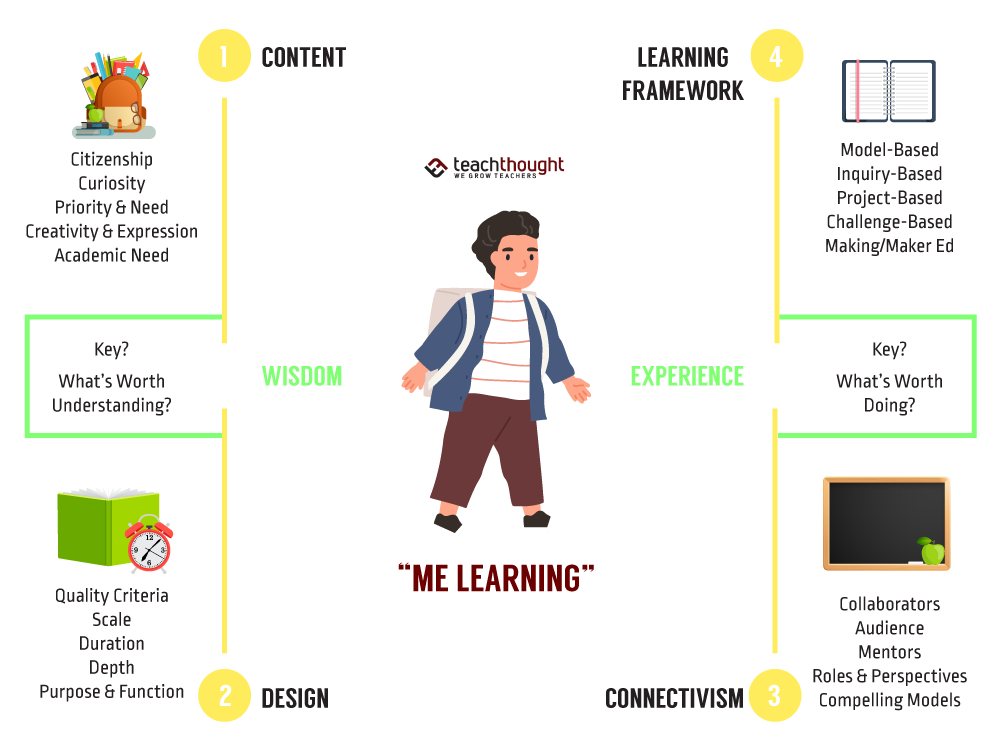
Key questions of Me learning include, “What’s worth understanding?” and, “What’s worth doing with what I come to understand?”
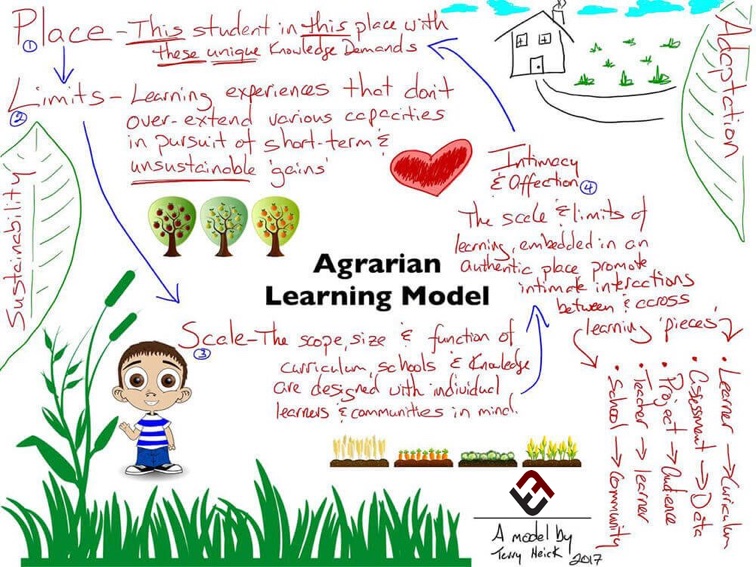
Can we design a school that’s more inherently sustainable? Our 7 principles of sustainable learning focus on to place, limits, scale, & more.
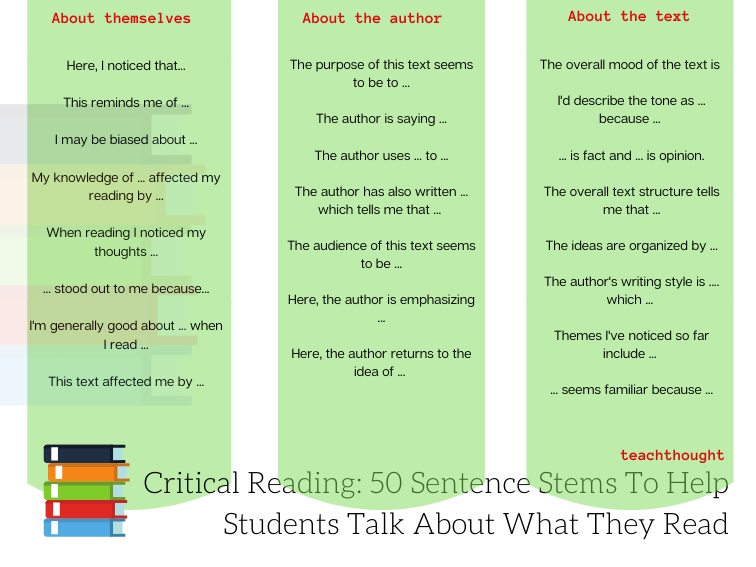
Critical reading is about gathering knowledge, understanding context, and seeing ideas from multiple perspectives to make sense of a text.