Skip to content
220x140
  • ProductsExpand
    • Anticipation GuidesExpand
      • Critical Thinking Analogies
      • The Giver Anticipation Guide
      • To Kill a Mockingbird Anticipation Guide
      • The Great Gatsby Anticipation Guide
      • Hamlet Anticipation Guide
      • The Lottery Anticipation Guide
      • Animal Farm Anticipation Guide
    • Writing PromptsExpand
      • SEL Writing Prompts 6-8
      • Writing Prompts For Elementary
      • Prompts For Elementary 3-5
    • StemsExpand
      • Sentence Stems for Reading Critically
      • Sentence Stems For Critical Conversation
  • CategoriesExpand
    • Critical Thinking
    • Educational Technology
    • Learning
    • Questioning & Inquiry
    • Project-Based Learning
    • Teaching & Pedagogy
  • SelectedExpand
    • Research-Based Instructional Strategies
    • Logical Fallacies A Master List
    • Cognitive Biases
    • A Visual Summary of Learning Theories
    • Correcting The Deficit In Critical Thinking
    • The Definition Of Critical Thinking
    • Important Critical Thinking Skills
  • Newsletter
220x140
  • image of student audience
    Teaching Posts

    Audience And Purpose: Who Are You Teaching And Why?

    ByTeachThought Staff

    Audience and purpose are elemental. They have to come first or none of it makes any sense. Who are you teaching, and why? Who exactly, and why exactly?

    Read More Audience And Purpose: Who Are You Teaching And Why?Continue

  • A Bloom’s Taxonomy Model in 3D
    Critical Thinking Posts

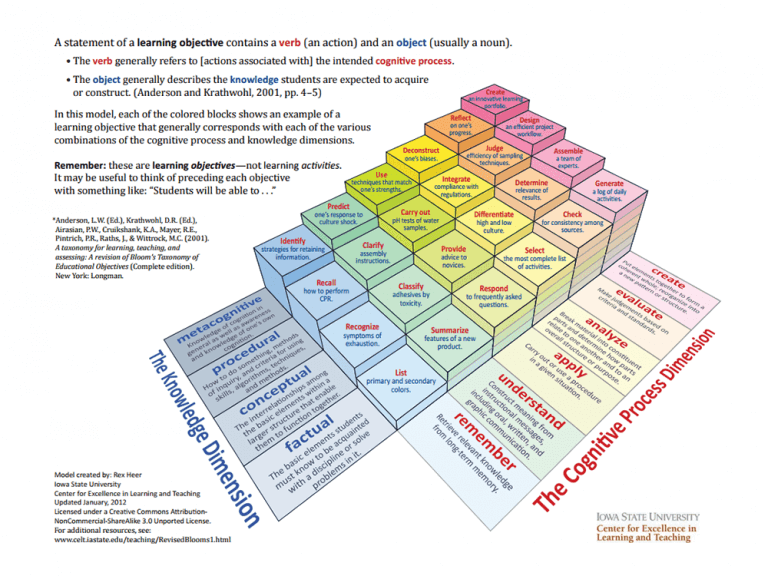
    A Bloom’s Taxonomy Model in 3D

    ByTeachThought Staff

    Each colored block has an example of a learning objective corresponding with each combination of the cognitive process and knowledge dimensions.
    Read More A Bloom’s Taxonomy Model in 3DContinue

  • 10 Characteristics Of A Great Teacher
    Teaching Posts

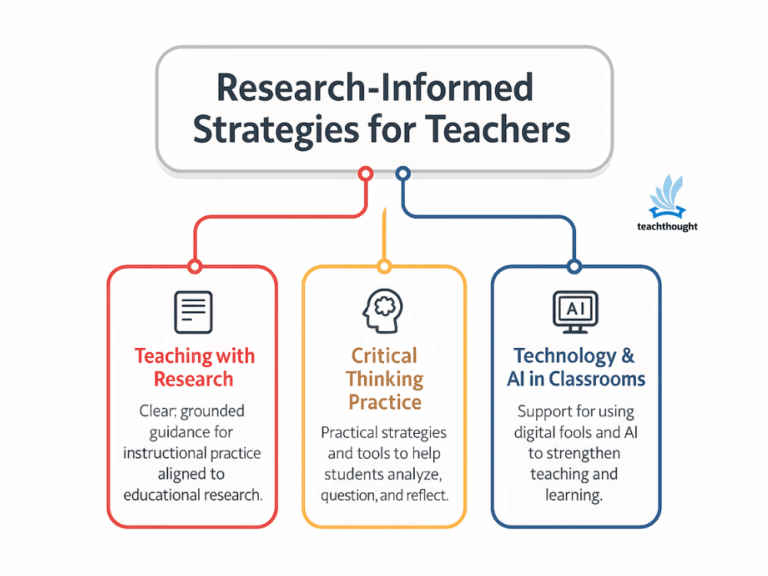
    10 Characteristics Of A Great Teacher

    ByTeachThought Staff

    Some teachers still have trouble showing vulnerability–especially if they feel unable to keep up with the incredible demands of teaching.
    Read More 10 Characteristics Of A Great TeacherContinue

  • Marzano's 9 Instructional Strategies For Teaching And Learning
    Learning Posts

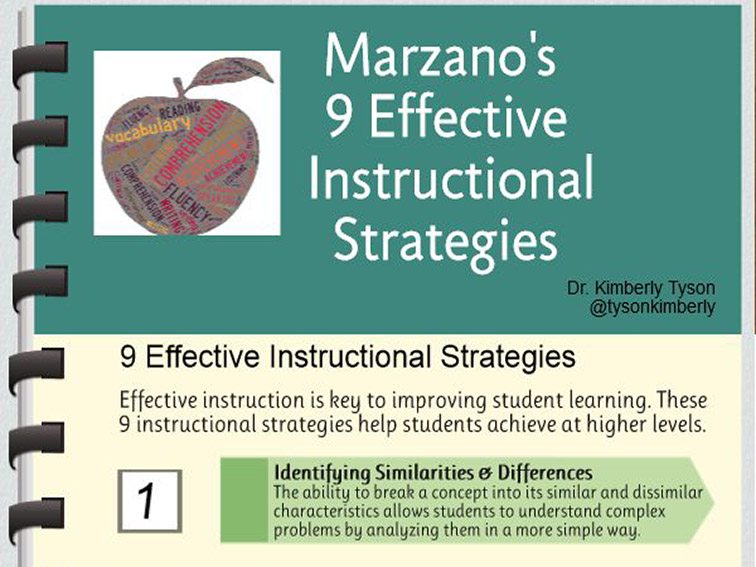
    Marzano’s 9 Instructional Strategies For Teaching And Learning

    ByTeachThought Staff

    Marzano’s 9 Instructional Strategies include non-linguistic representations, generating and testing hypotheses, and summarizing.
    Read More Marzano’s 9 Instructional Strategies For Teaching And LearningContinue

  • 12 things every modern classroom should have
    Teaching Posts

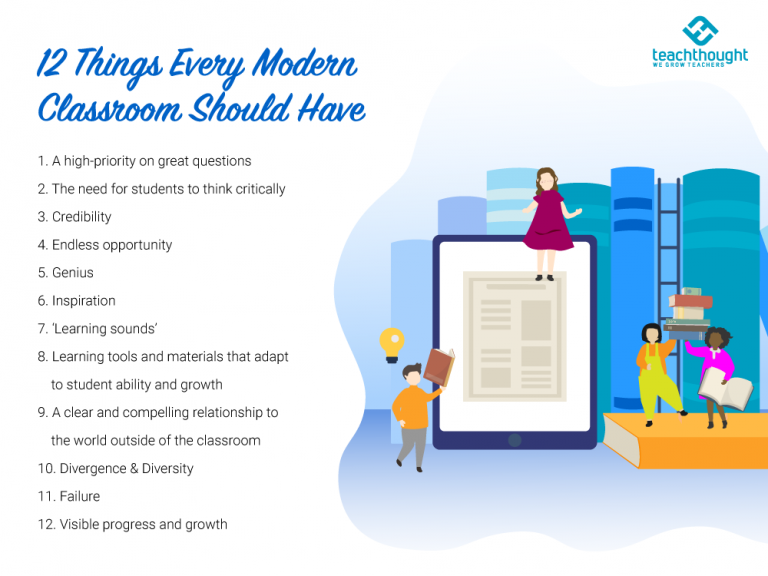
    12 Things Every Modern Classroom Should Have

    ByTerry Heick

    Every classroom is as different as the person creating it. But are there any common elements that every modern classroom should share?
    Read More 12 Things Every Modern Classroom Should HaveContinue

  • What Is The Feynman Technique
    Learning Posts

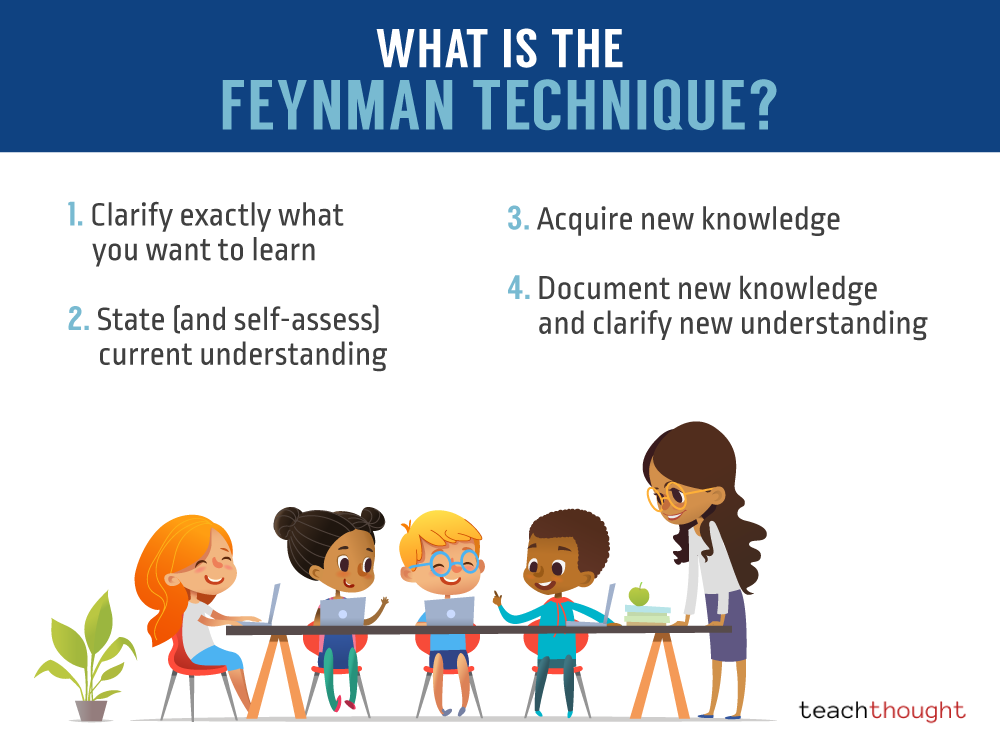
    What Is The Feynman Technique?

    ByTerry Heick

    To use the Feynman Technique, practice explaining a concept to others as simply as possible. Make it simple, then make it simple again.
    Read More What Is The Feynman Technique?Continue

  • visual of 180 + cognitive biases
    Critical Thinking Posts

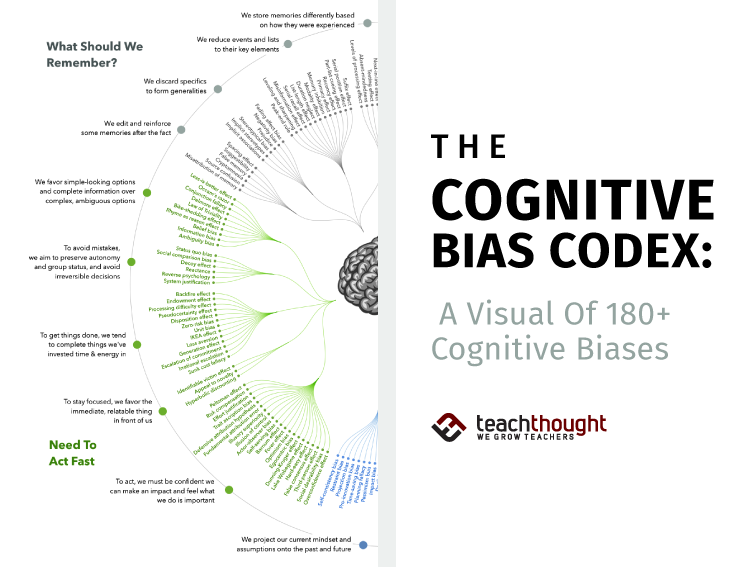
    The Cognitive Biases List: A Visual Of 180+ Heuristics

    ByTerry Heick

    Cognitive biases are tendencies to selectively search for or interpret data in a way that confirms one’s existing beliefs.
    Read More The Cognitive Biases List: A Visual Of 180+ HeuristicsContinue

  • Digital Citizenship
    Technology

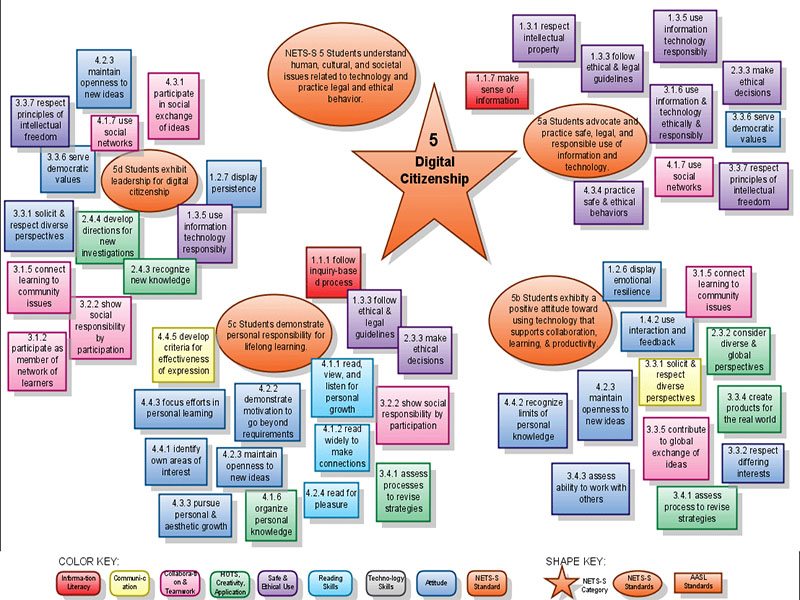
    20 Standards For Digital Citizenship

    ByTeachThought Staff

    This graphic is a kind of hybrid graphic that distills ideas about technology into ideas about digital citizenship.
    Read More 20 Standards For Digital CitizenshipContinue

  • quote about why questions are more important than answers
    Critical Thinking Posts

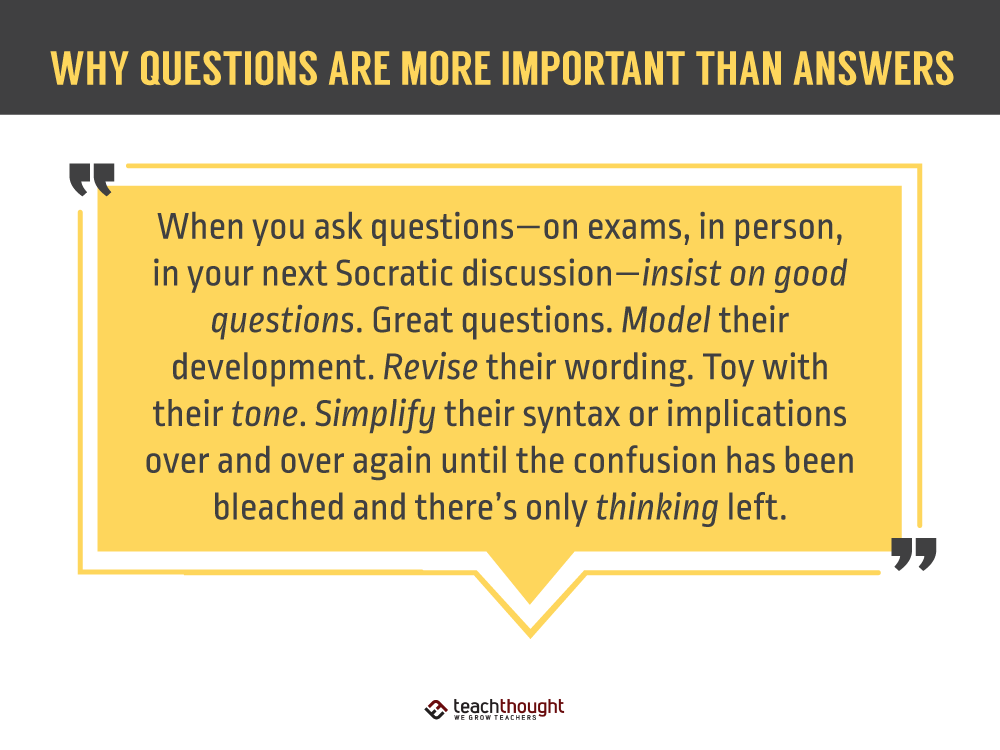
    Why Questions Are More Important Than Answers

    ByTerry Heick

    Why are questions more important than answers? Because answers stop learning while questions start it, contextualizing what we don’t know.

    Read More Why Questions Are More Important Than AnswersContinue

  • Teaching Posts

    Teaching Is Establishing The Need To Know

    ByTerry Heick

    ‘Not knowing’ is clumsy, precise label for the starting point of learning. Teaching is, at least in part, establishing the need to know.
    Read More Teaching Is Establishing The Need To KnowContinue

  • 7 skills students will always need
    The Future Of Learning Posts

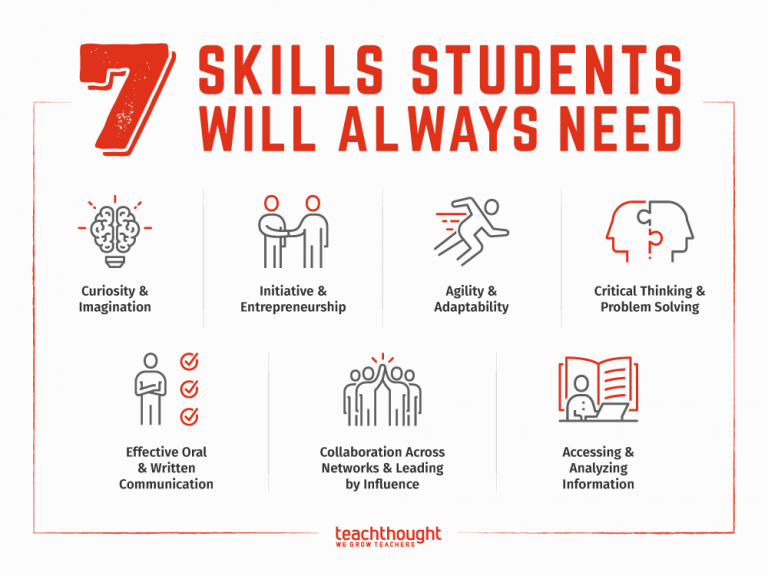
    7 Skills Students Will Always Need: Future-Proofing School

    ByTeachThought Staff

    From critical thinking and collaboration to adaptability, influence, and imagination, here are 7 skills students will always need.
    Read More 7 Skills Students Will Always Need: Future-Proofing SchoolContinue

  • 50 different approaches to learning
    Teaching Posts

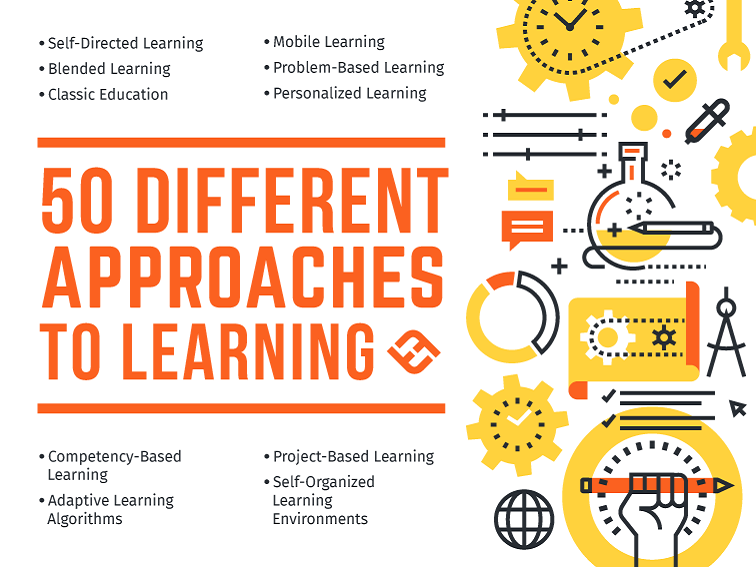
    Modern Trends In Education: 50 Different Approaches To Learning

    ByTeachThought Staff

    What if a class consisted of words that led to information that whirled into blended realms of creativity set up just for students, created by students?
    Read More Modern Trends In Education: 50 Different Approaches To LearningContinue

  • things schools could be instead of schools
    The Future Of Learning Posts

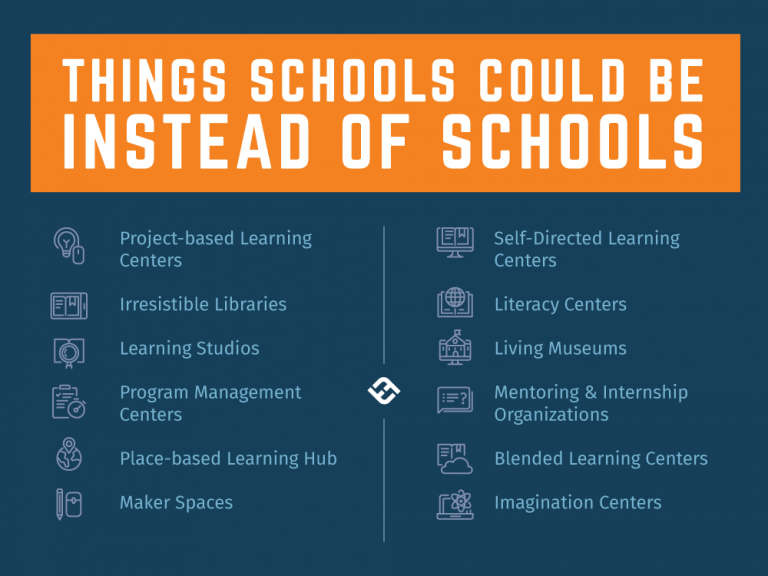
    12 Things Schools Could Be Instead Of Schools

    ByTerry Heick

    There’s no reason a ‘school’ can’t become a tech-infused place-based learning environment that focuses on literacy and civic participation.
    Read More 12 Things Schools Could Be Instead Of SchoolsContinue

  • 6 Factors Of Academic Achievement To Guide Your Teaching
    Teaching Posts

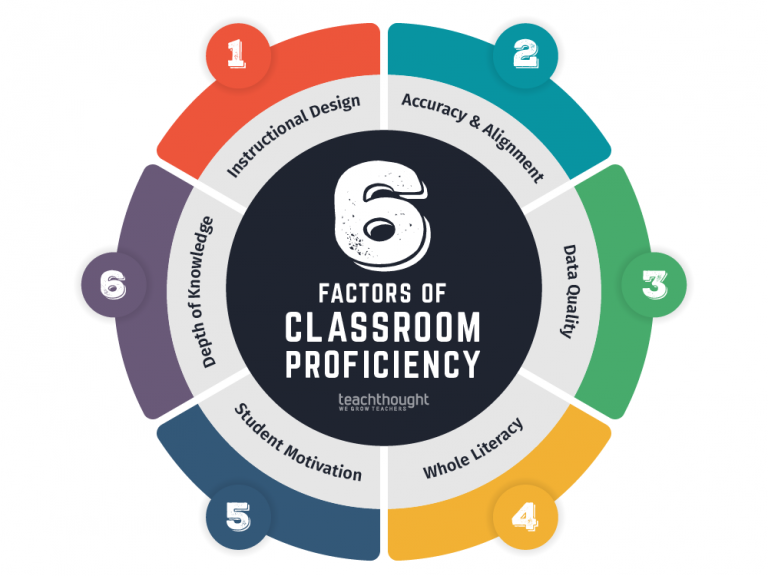
    An Efficient Classroom: 6 Factors Of Academic Achievement

    ByTerry Heick

    What are the primary factors of academic performance? While literacy skills and background knowledge matter, so does motivation.

    Read More An Efficient Classroom: 6 Factors Of Academic AchievementContinue

Page navigation

Previous PagePrevious 1 … 4 5 6 7 8 9 Next PageNext

About

TeachThought is an education resource platform that provides teachers with evidence-based teaching strategies and resources classroom resources that promote critical thinking.

More

  • Analogies Workbook
  • TeachersPayTeachers
  • Teaching Philosophy Quiz

Policies

  • Policy Page
  • Privacy
  • Cookie Overview
  • Disclaimer
  • Copyrights
  • Editorial Standards
  • Categories
    • Critical Thinking
    • Educational Technology
    • Learning
    • Project-Based Learning
    • Social-Emotional Learning
    • Teaching
  • Selected
    • What Is Cognitive Dissonance?
    • Logical Fallacies: A Master List
    • The Cognitive Biases List
    • Critical Thinking Skills
    • A Visual Summary of 32 Learning Theories