Research-Based Factors Of A Highly Effective Learning Environment
In a highly effective learning environment, there are opportunities for students to revisit old thinking while grappling with new ideas.

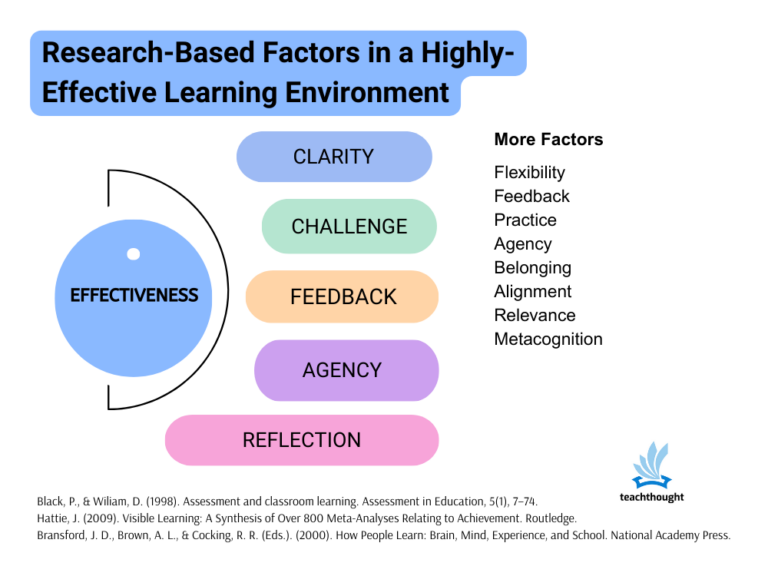
In a highly effective learning environment, there are opportunities for students to revisit old thinking while grappling with new ideas.
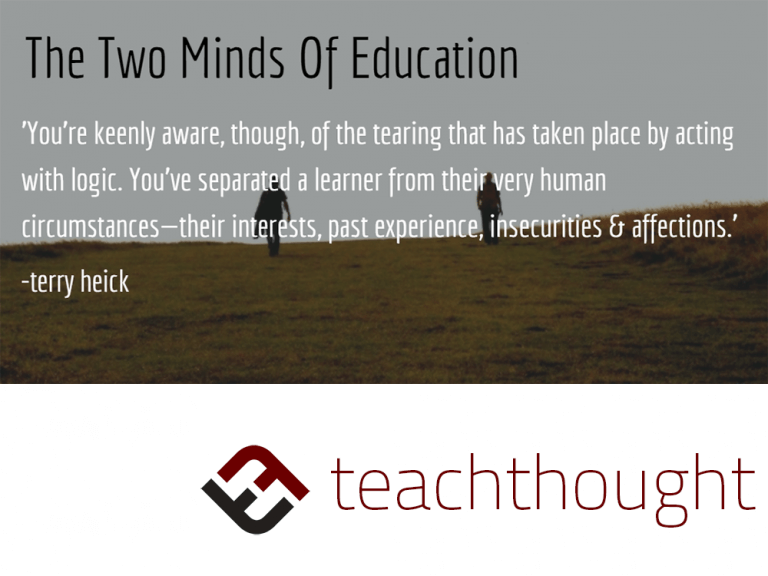
The need to be rational collides with the enormous complexity and scale of the circumstances teachers face.
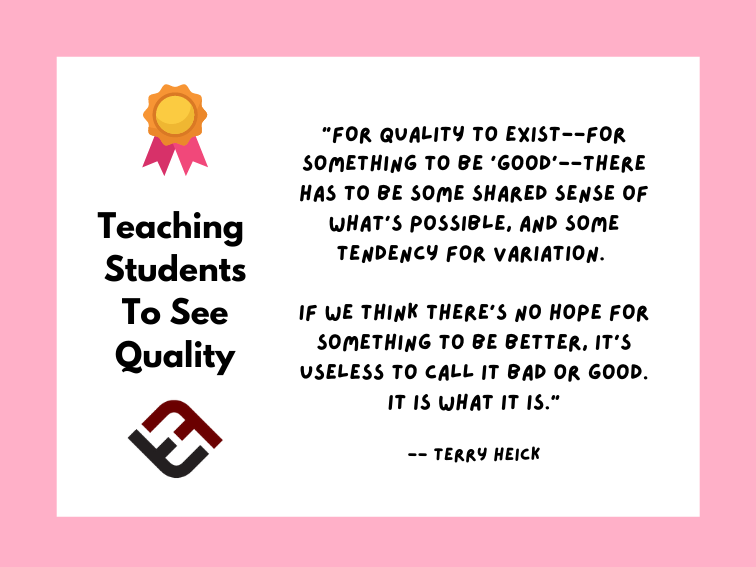
So what does quality have to do with learning? Quite a bit, it turns out. And it starts out with helping students understand what it means.
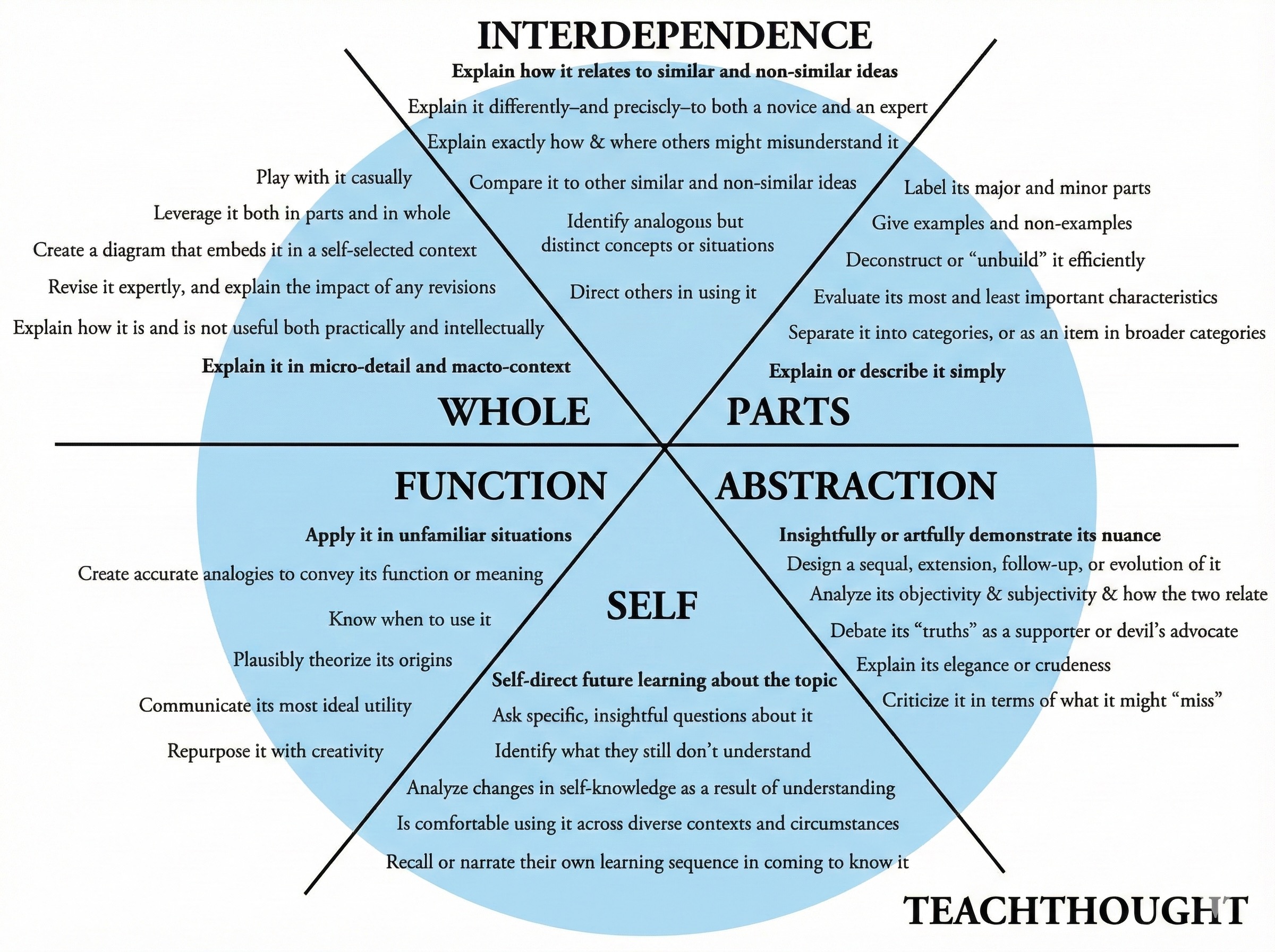
The Heick Learning Taxonomy can be used to guide planning, assessment, curriculum design, and self-directed learning.
Reading is personal but we often focus on the mechanics instead of the people and the strategies instead of the living and breathing happening around us.
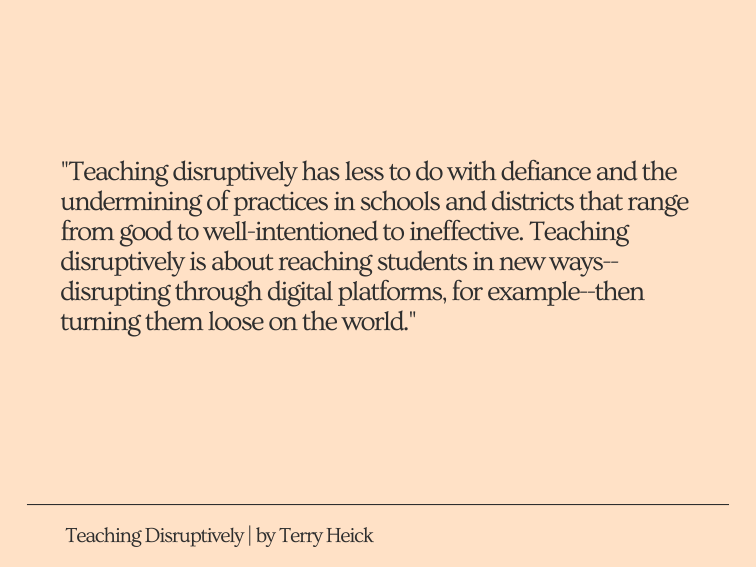
Teaching disruptively helps create learners who ask the right question at the right time for reasons that matter to them.
Why should students read? When we read–really, really read–for a while, a normally very loud part of us grows quiet.
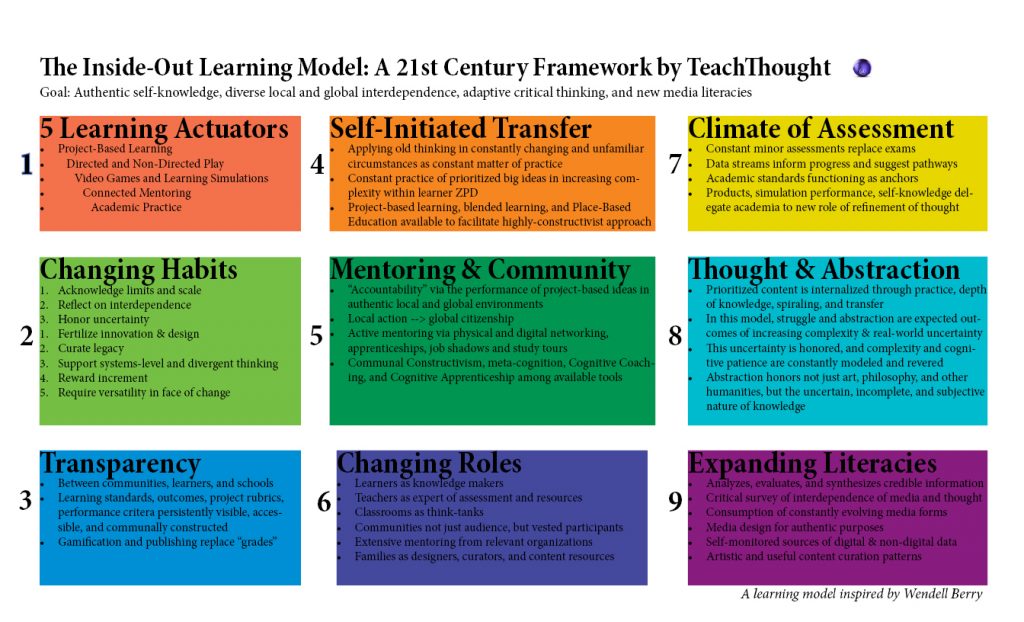
A micro-goal of the ‘Inside-Out’ School is a new kind of ‘intelligence’ where the macro-effect is healthier communities and citizenship.
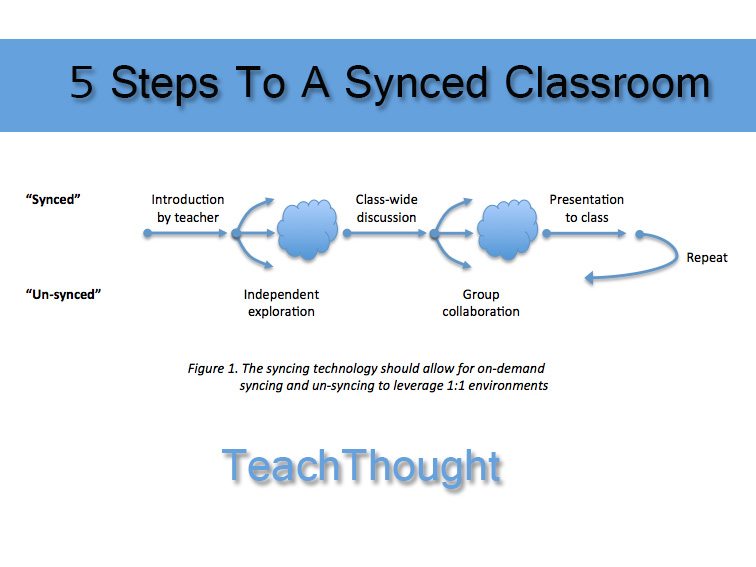
Learning in a synced classroom requires the ability to engage the same core material and the ability to engage the material independently.
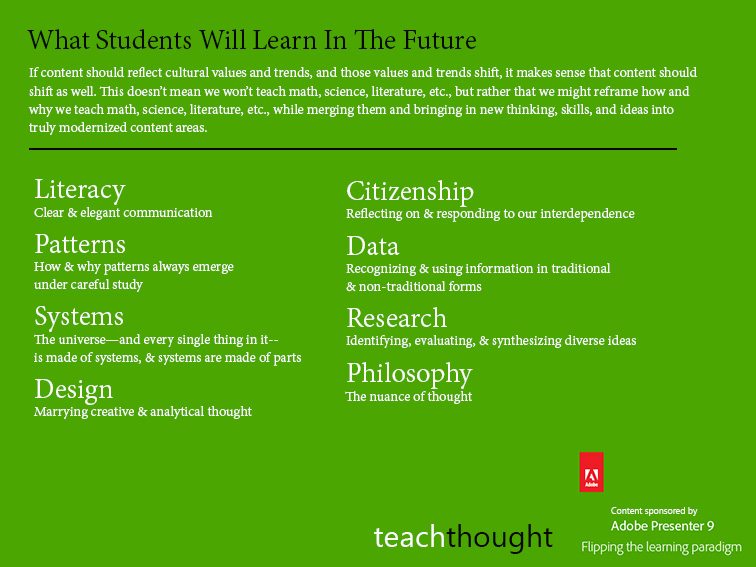
This doesn’t mean we won’t teach math or reading in the future. However, we might reframe what we teach and how and why we teach it.
If our curriculum is thinking, if our job is (excuse the convenient phrasing) teaching thought, our goals as educators change.
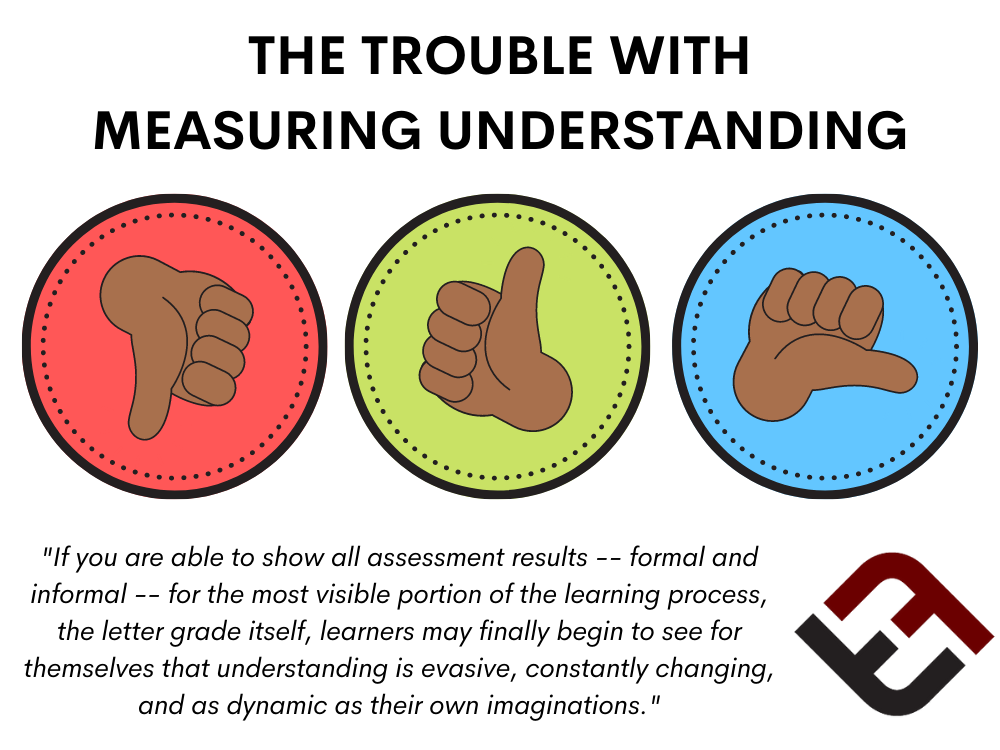
Measuring understanding might be the most complex thing teachers do. Unfortunately, PD gives little attention to making quality assessments.
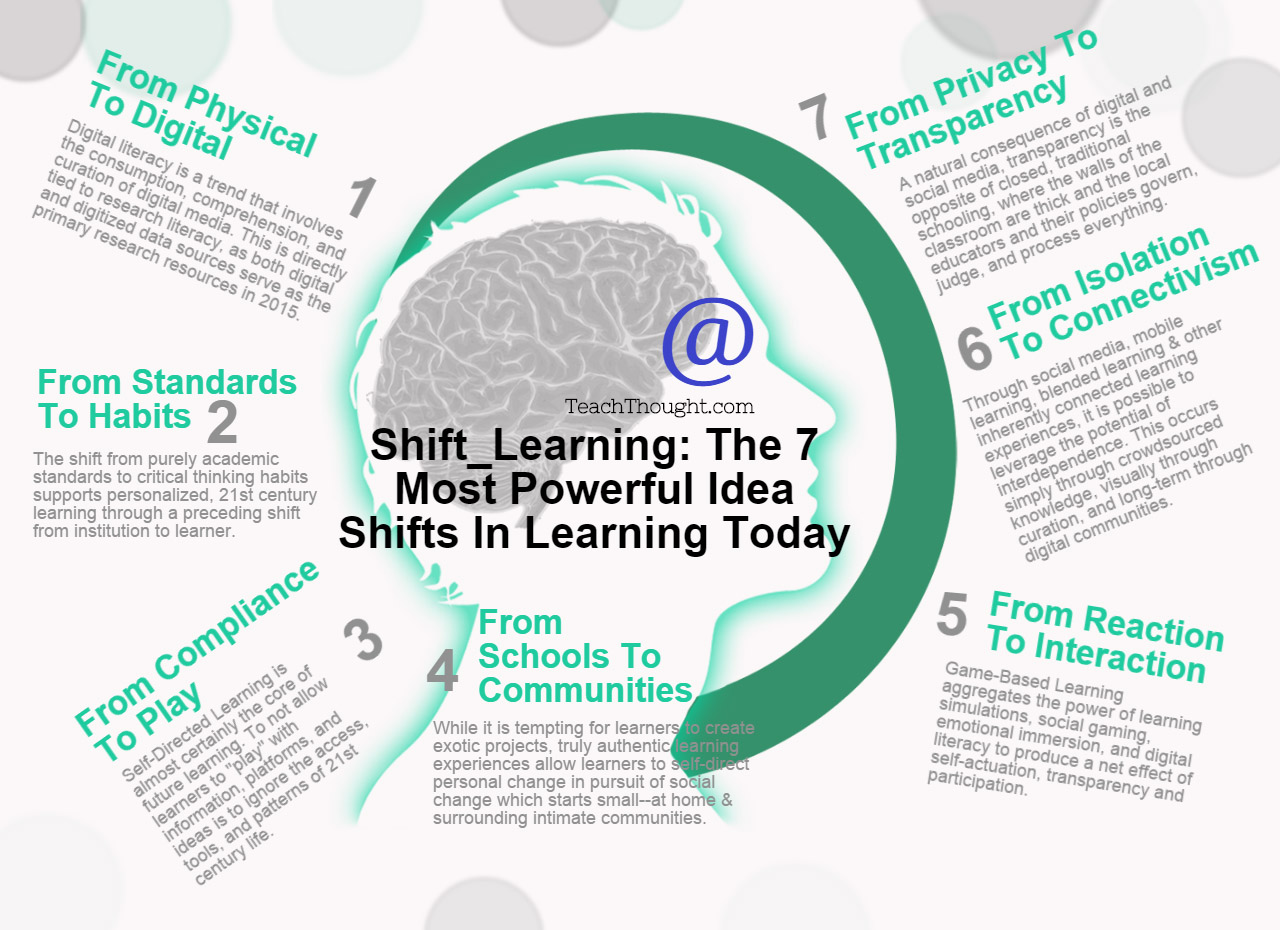
Shifts to create the classroom of the future include a shift from academic standards to learning networks and single modalities to blended.
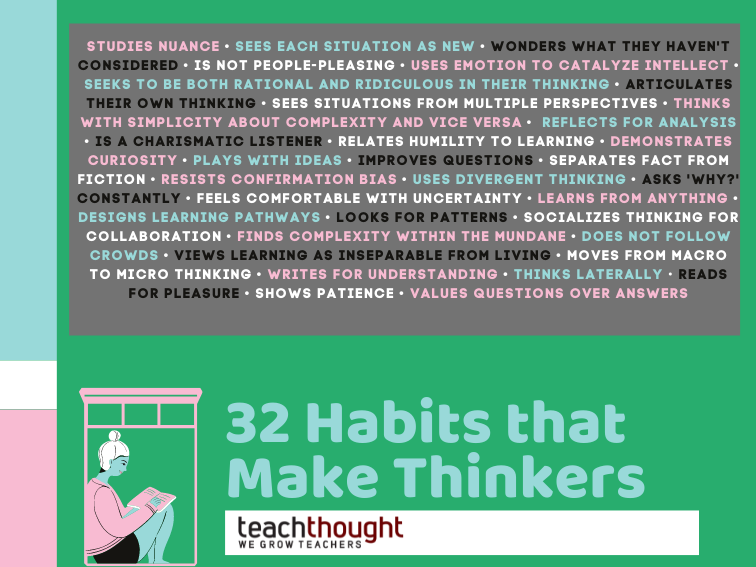
These 32 habits that make thinkers can lead to that critical shift that moves students from mere students to learners who think critically.