12 Myths About Project-Based Learning
Among the most pervasive myths about project-based learning is that students ‘doing projects’ equates to students learning through PBL.

Among the most pervasive myths about project-based learning is that students ‘doing projects’ equates to students learning through PBL.
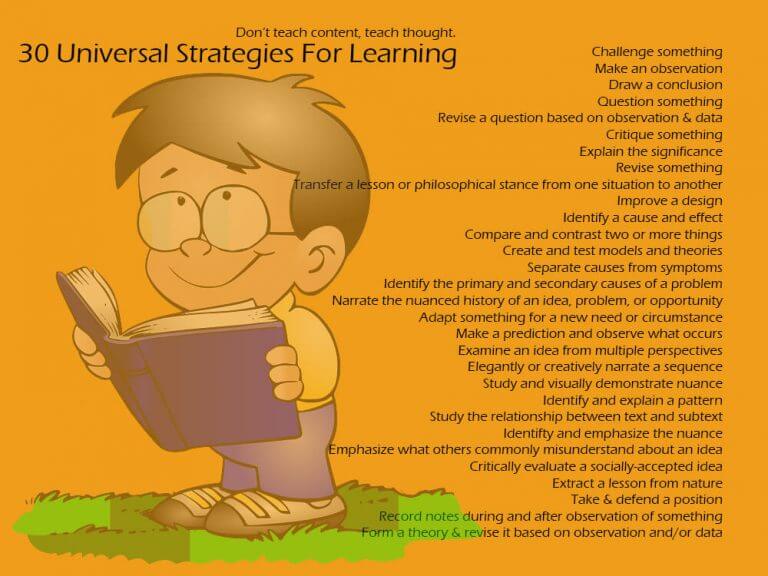
From making an observation and drawing a conclusion to forming and improving a question, here are 27 strategies for critical learning.
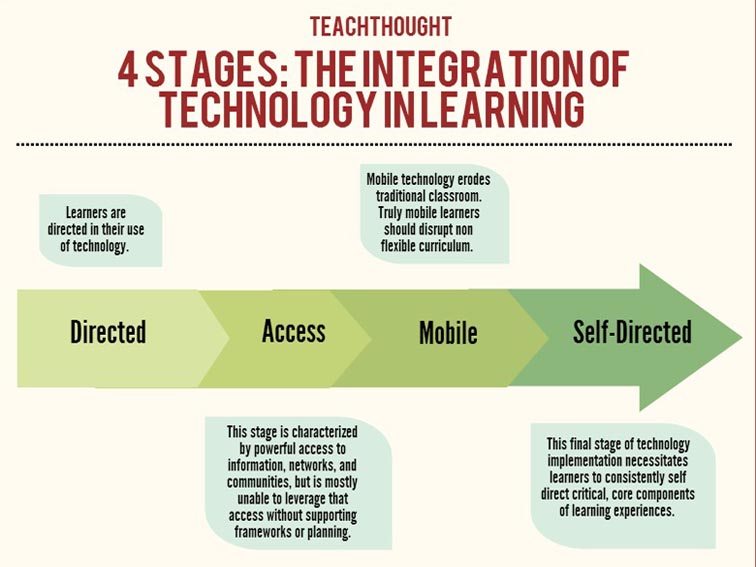
Mobile technology erodes the traditional classroom. Truly ‘mobile’ learners should disrupt non-flexible curriculum.

How much of your intelligence, your affection, your skill, and your pride is employed in your work? What are its ecological and social costs?
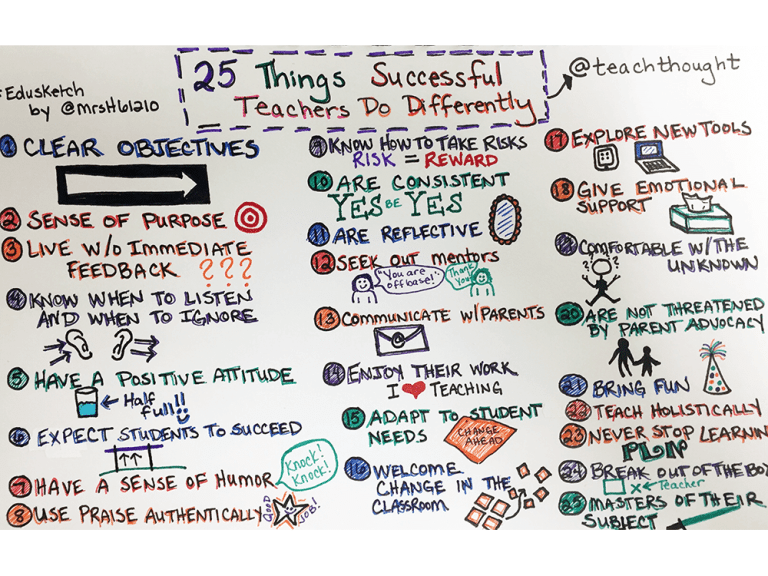
What do successful teachers do? It turns out, quite a bit–and it begins and ends with connecting with students.
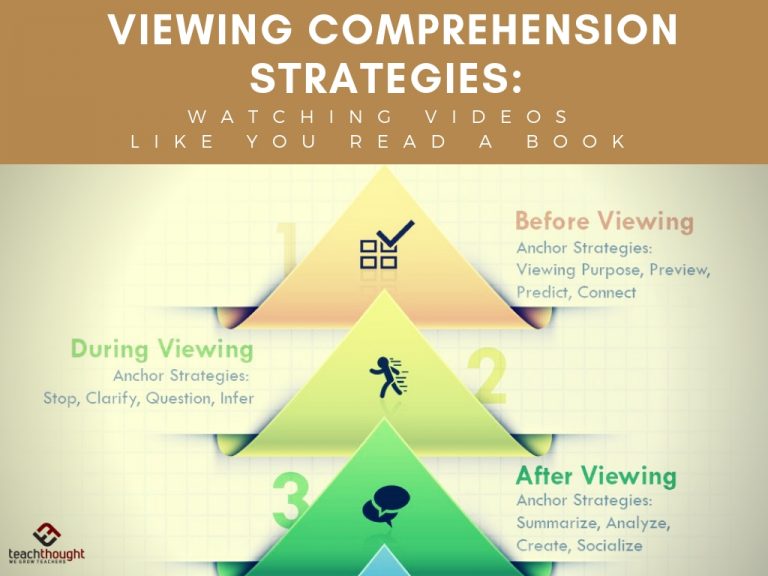
Video is a pedagogical goldmine. What ‘viewing comprehension strategies’ can students use during and after watching videos in class?
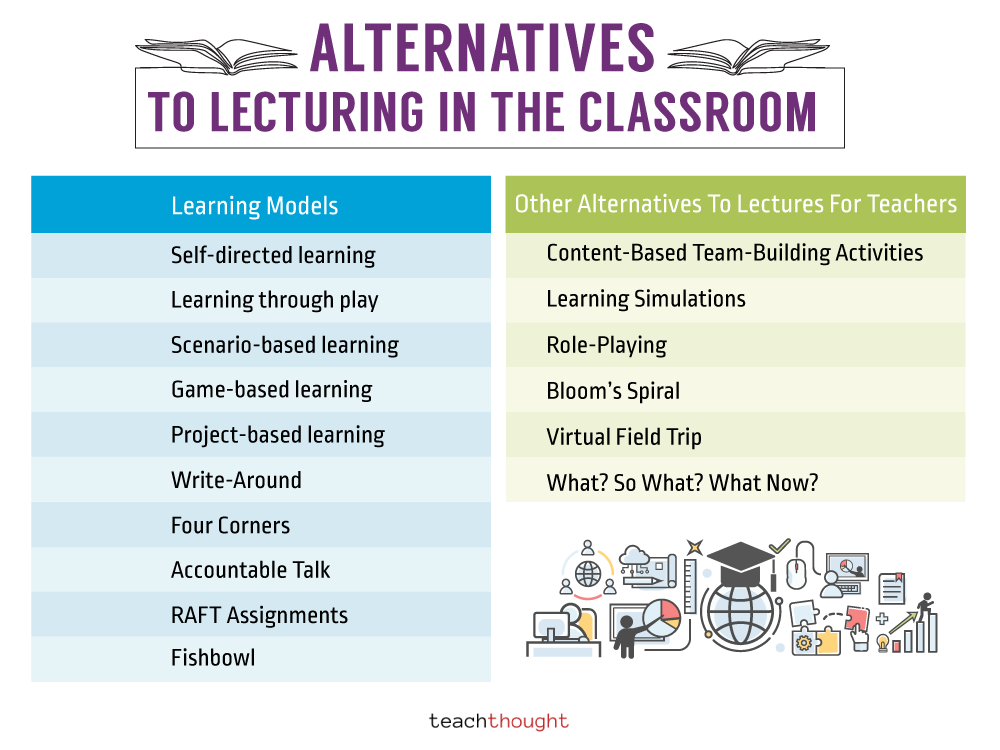
From Accountable Talk to interactive RAFT Assignments, podcasting to debate, there are countless alternatives to lecturing.
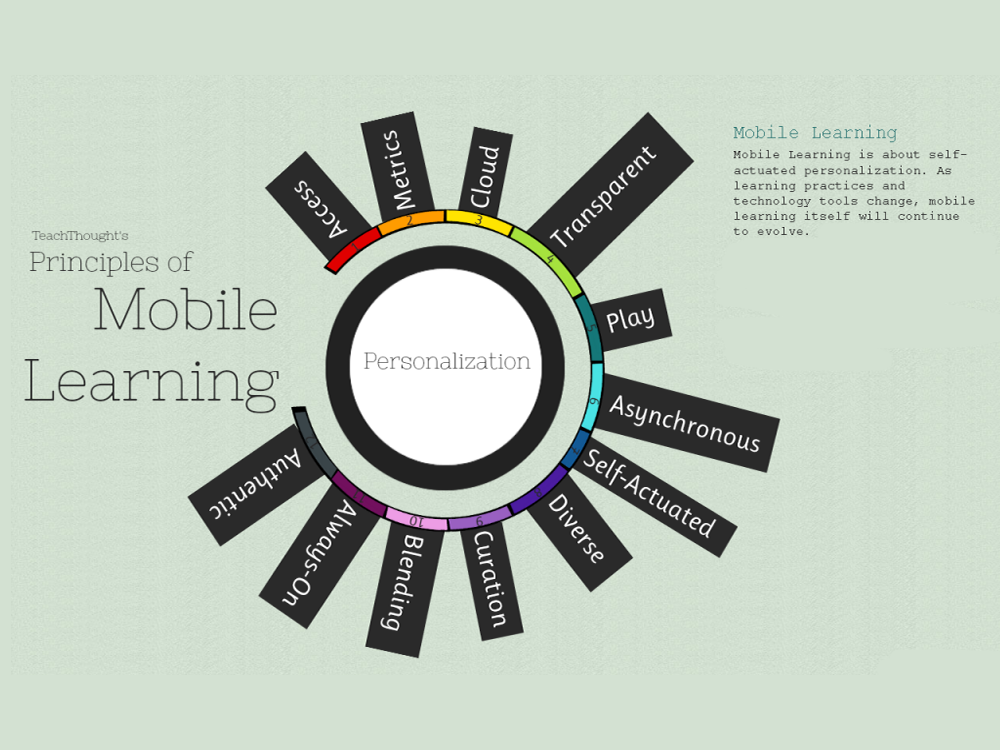
A mobile learning environment is about access to content, peers, experts, artifacts, credible sources, and thinking on relevant topics.
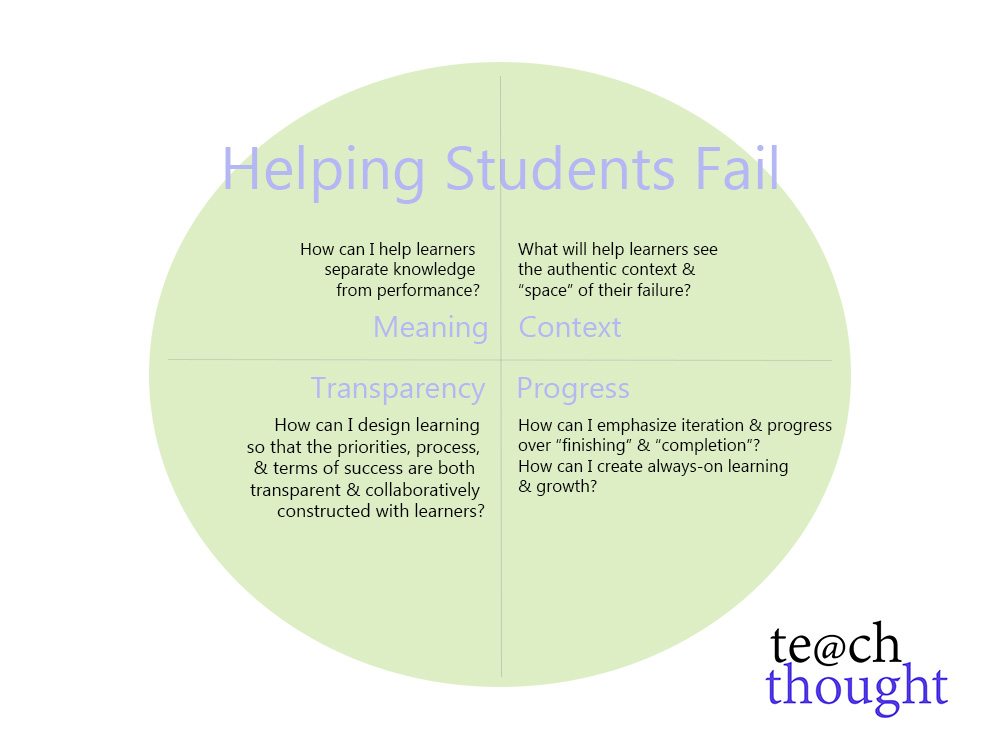
Helping students fail is about thinking like a scientist, farmer, designer, or CEO–failing gives the data needed to proceed.
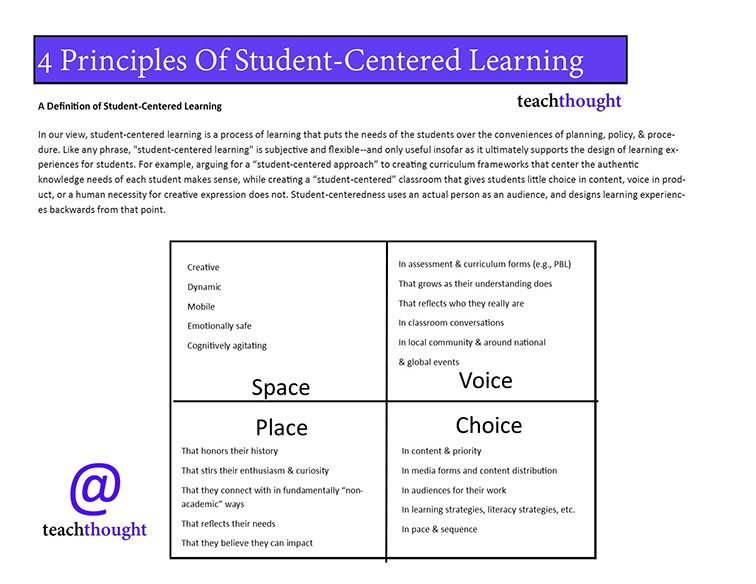
Student-centered learning puts the needs of the students over the conveniences of planning, policy, and procedure.
If you can show all assessment results, learners may realize that understanding is evasive, evolving, and as dynamic as their imaginations.
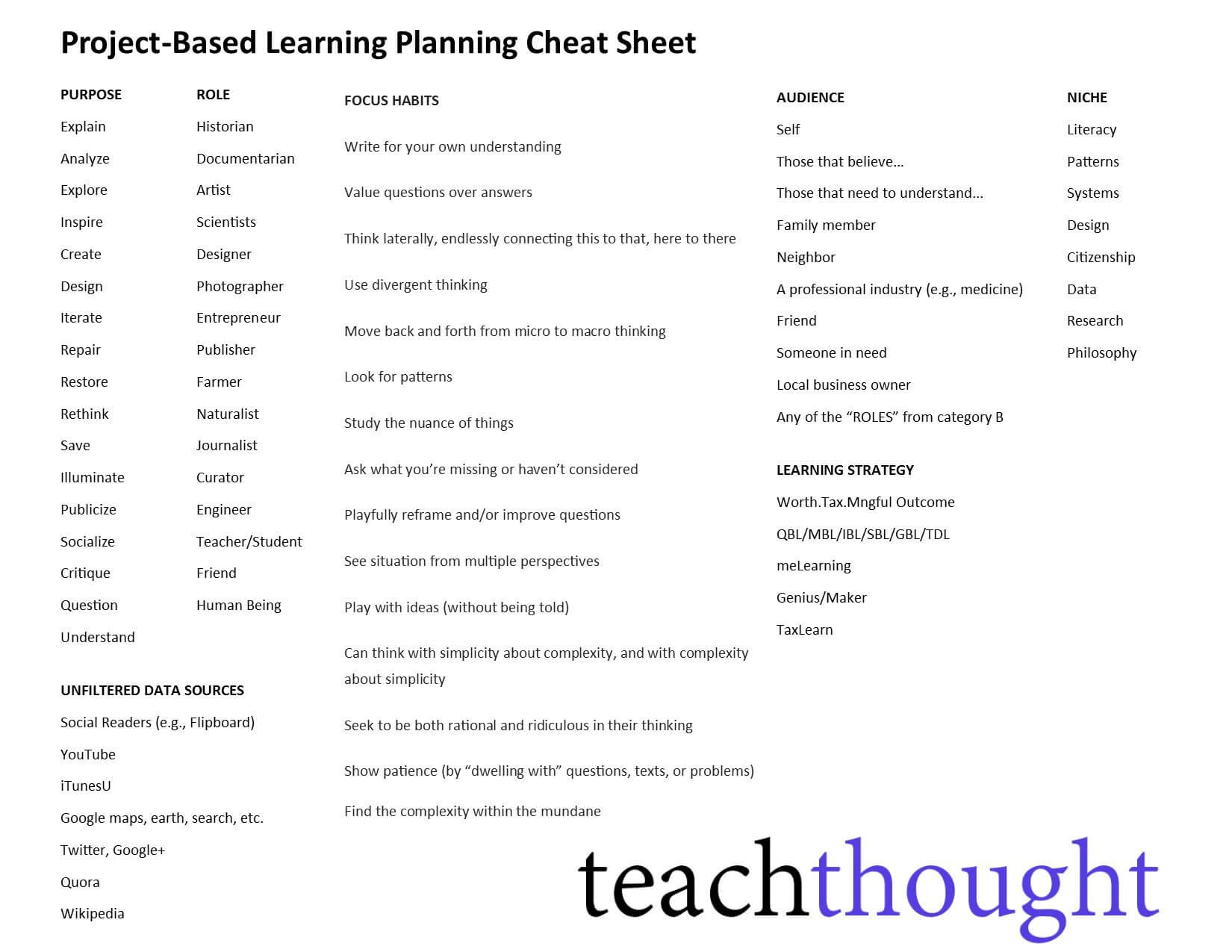
The function of this image is to help get your own creative juices going to decide what’s most important when designing authentic PBL units.
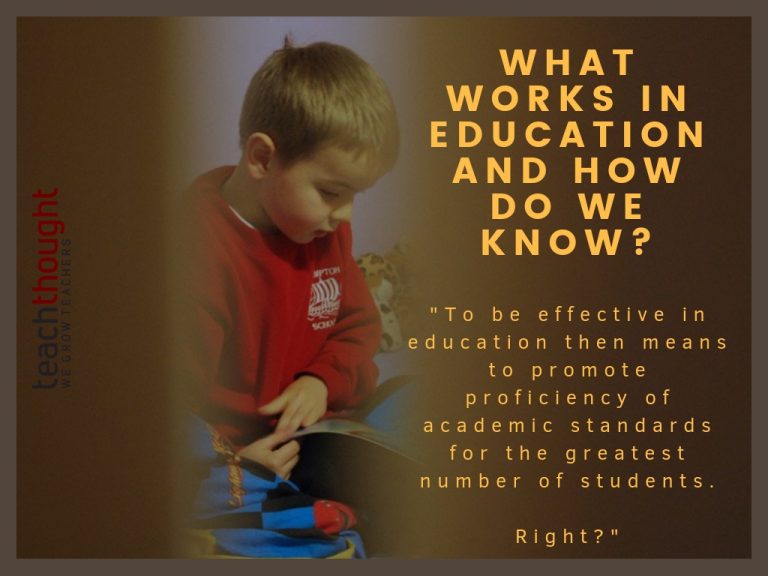
What works in education and how do we know? What do we know an idea is ‘good’? Letter grades? Test performance? Graduation Rates?
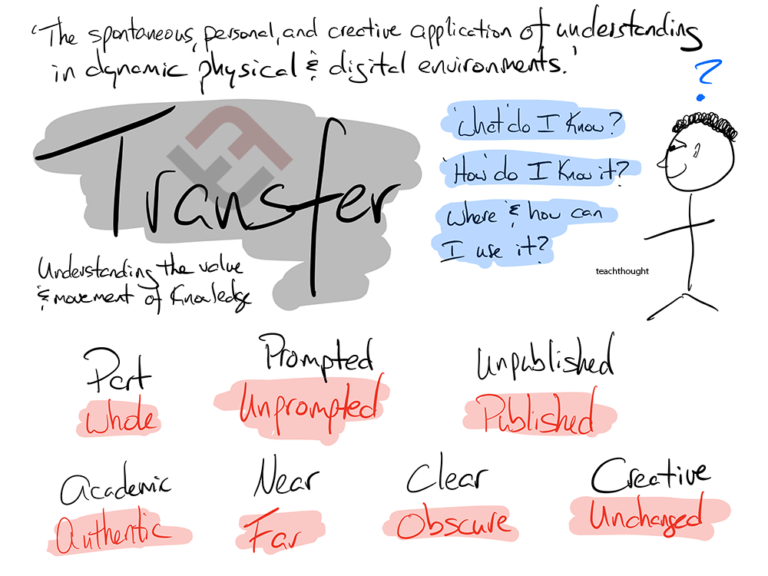
Understanding the value of information is the core of transfer. These categories include 14 ways students can transfer knowledge.