50 Everyday Formative Assessment Strategies
Formative assessment strategies matter. Like a chef checks a dish for taste, teachers must make frequent, targeted checks for understanding.
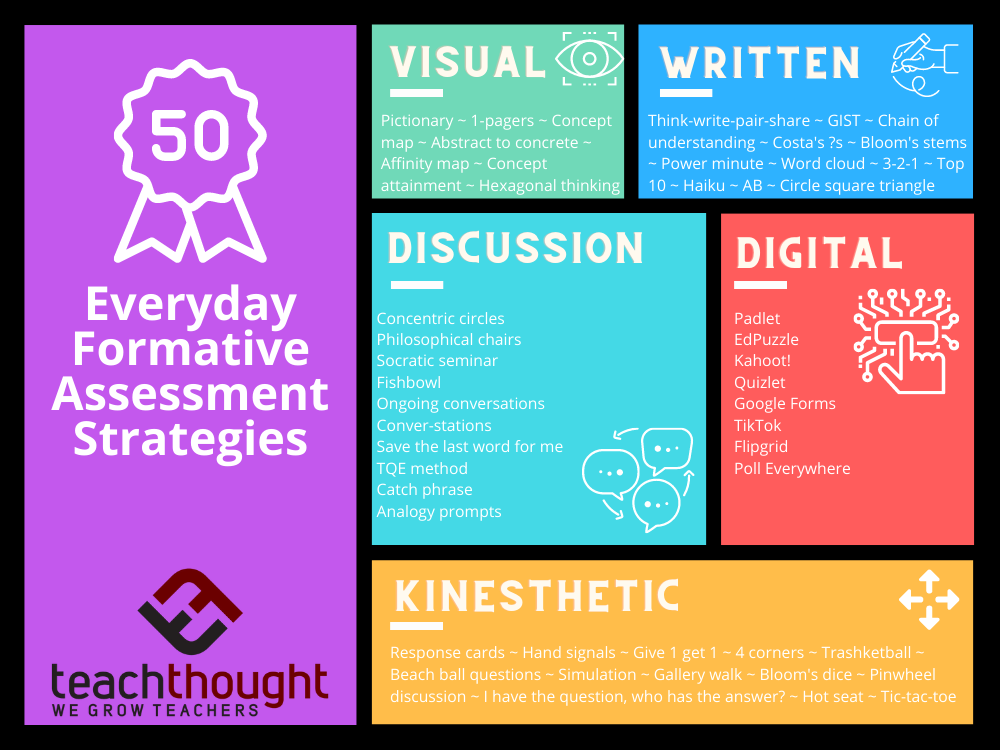
Formative assessment strategies matter. Like a chef checks a dish for taste, teachers must make frequent, targeted checks for understanding.
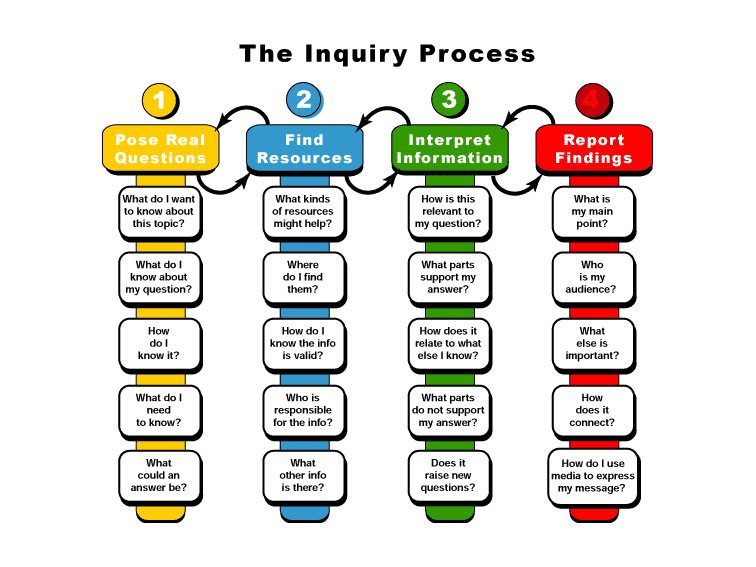
Guiding inquiry-based learning centers learning on a solving a particular problem or answering a central question.
The push is to do more, do it faster, improve the student’s grades and, more importantly, their standardized test scores.
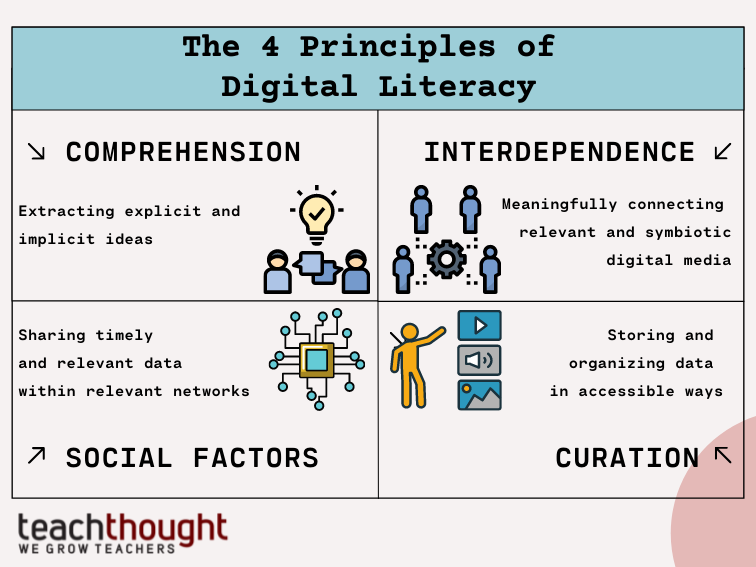
“Digital literacy is the ability to interpret and design nuanced communication across fluid digital forms.”
Here are 22 simple assessment strategies and tips to help you become more frequent in your teaching, planning, and curriculum design.
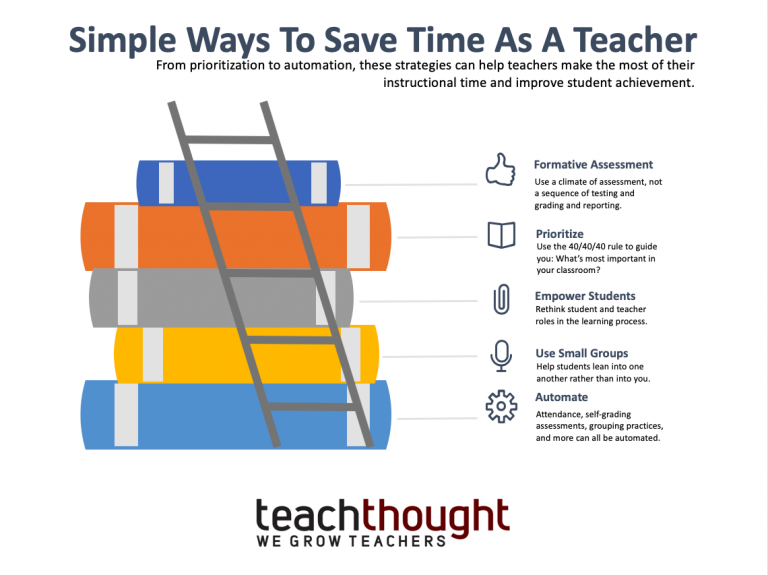
Implementing the instructional process of formative assessment can actually maximize learning and help teachers save time in the classroom.
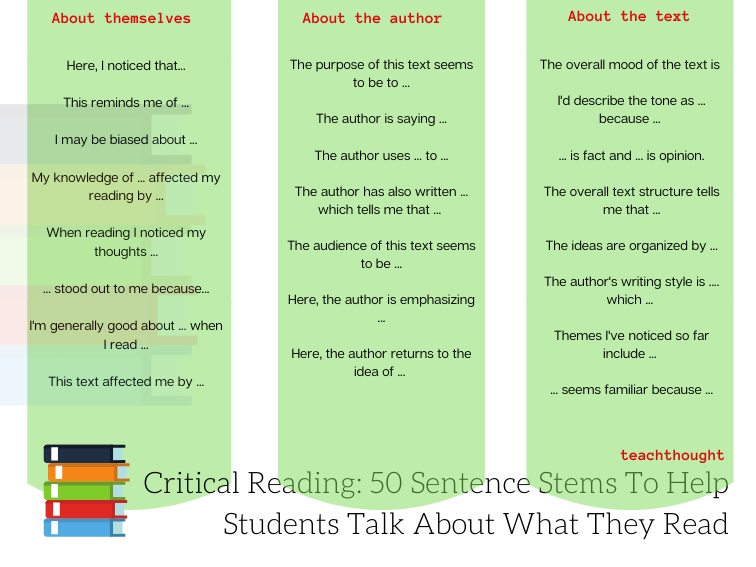
Critical reading is about gathering knowledge, understanding context, and seeing ideas from multiple perspectives to make sense of a text.
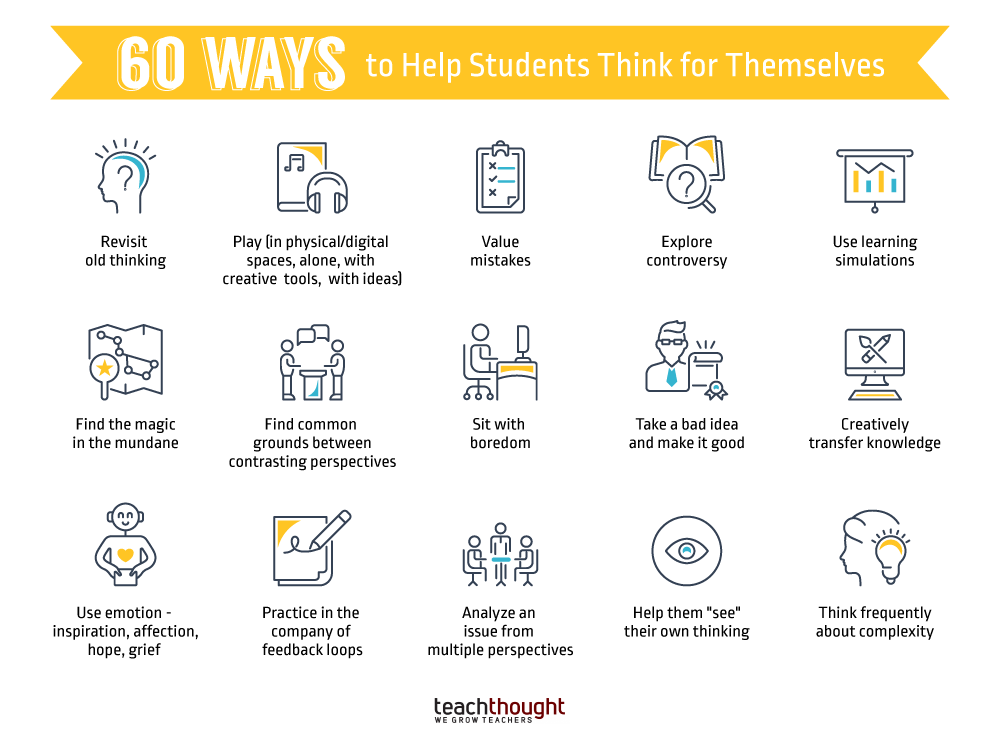
There are many ways to help students think for themselves. Guide them to dynamic spaces characterized by people, thought, and creativity.
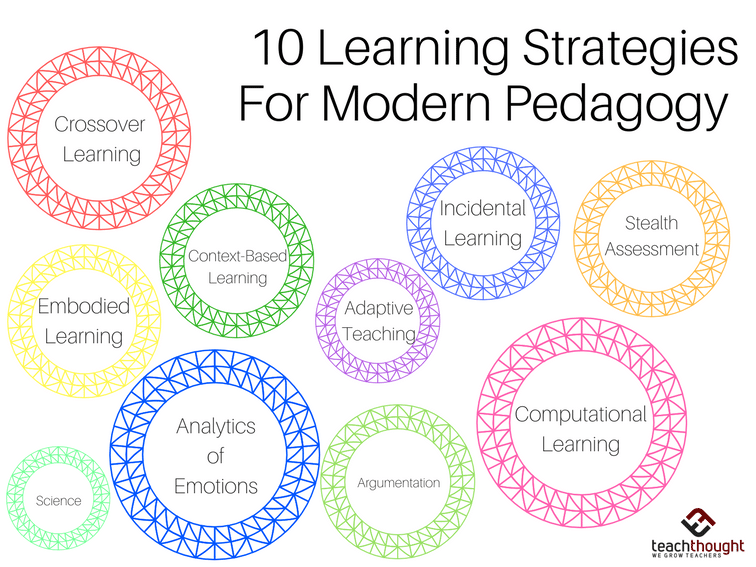
Learning strategies for modern pedagogy include crossover learning, computational thinking, and learning through argumentation.
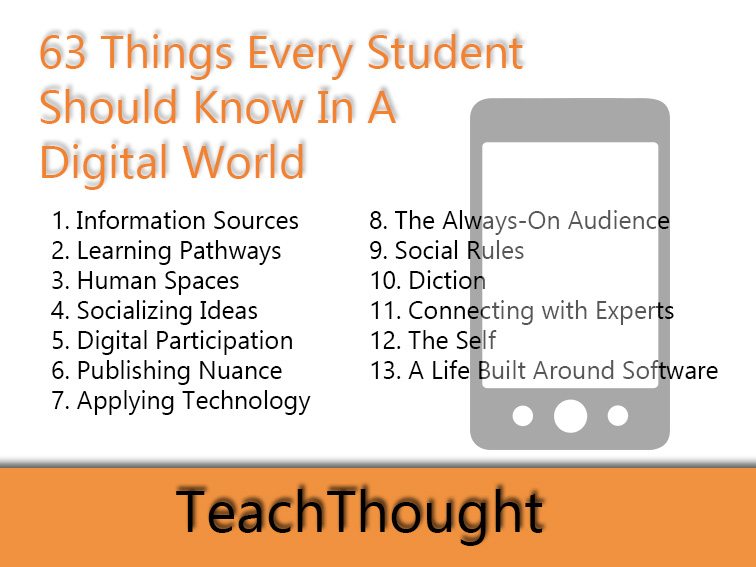
In an increasingly digital world, the things a student needs to know are indeed changing–sometimes drastically.
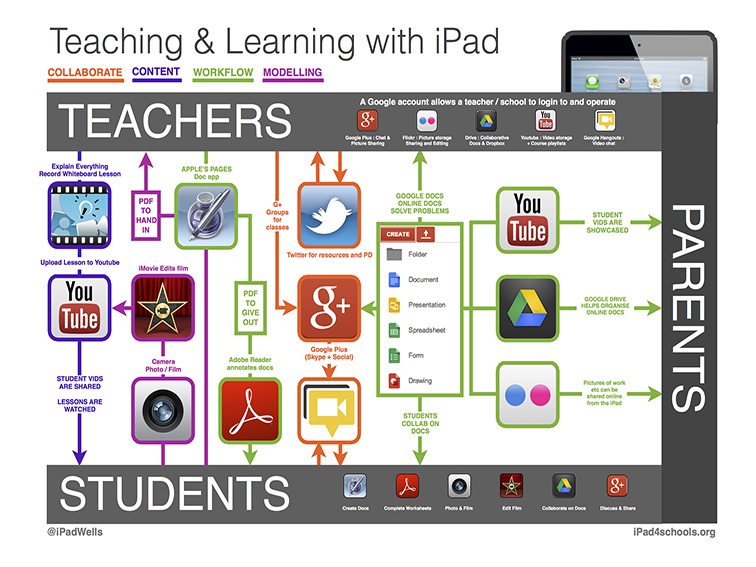
This collection is designed to reflect trends and changes–of the best resources for teaching with the iPad.

From science databases to document collections and more, here are 100 of the best search engines for academic research.
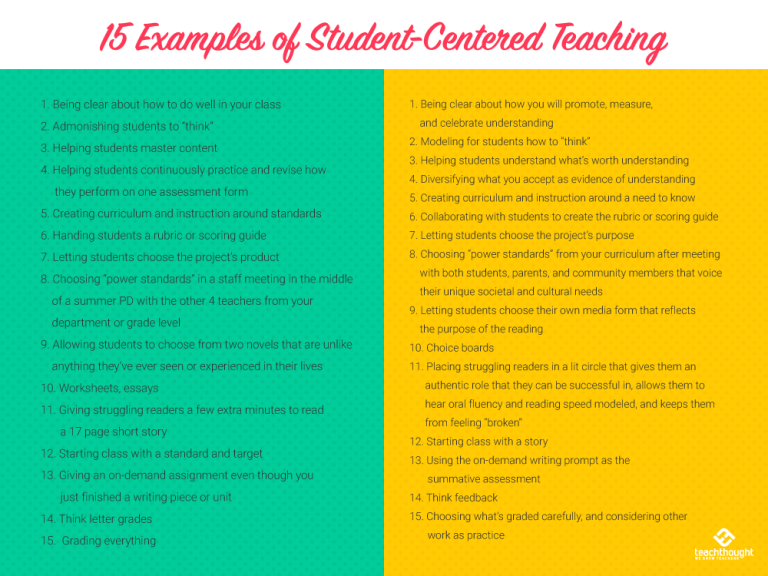
Student-centered teaching is simply the process of teaching with student needs ‘first.’ Here are 15 examples of student-centered teaching.
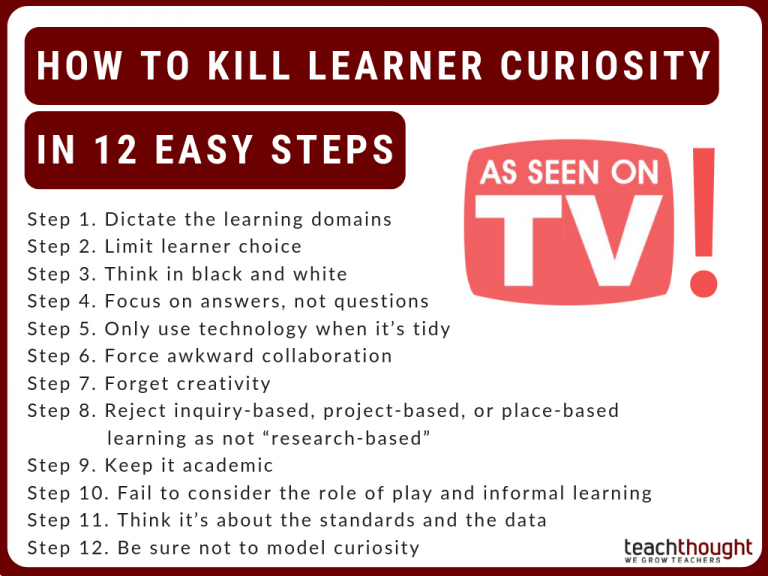
Killing a learner’s natural curiosity doesn’t happen overnight. It can take as long as 12 years, and in rare cases that isn’t long enough.