Why Questions Are More Important Than Answers
Why are questions more important than answers? Because answers stop learning while questions start it, contextualizing what we don’t know.

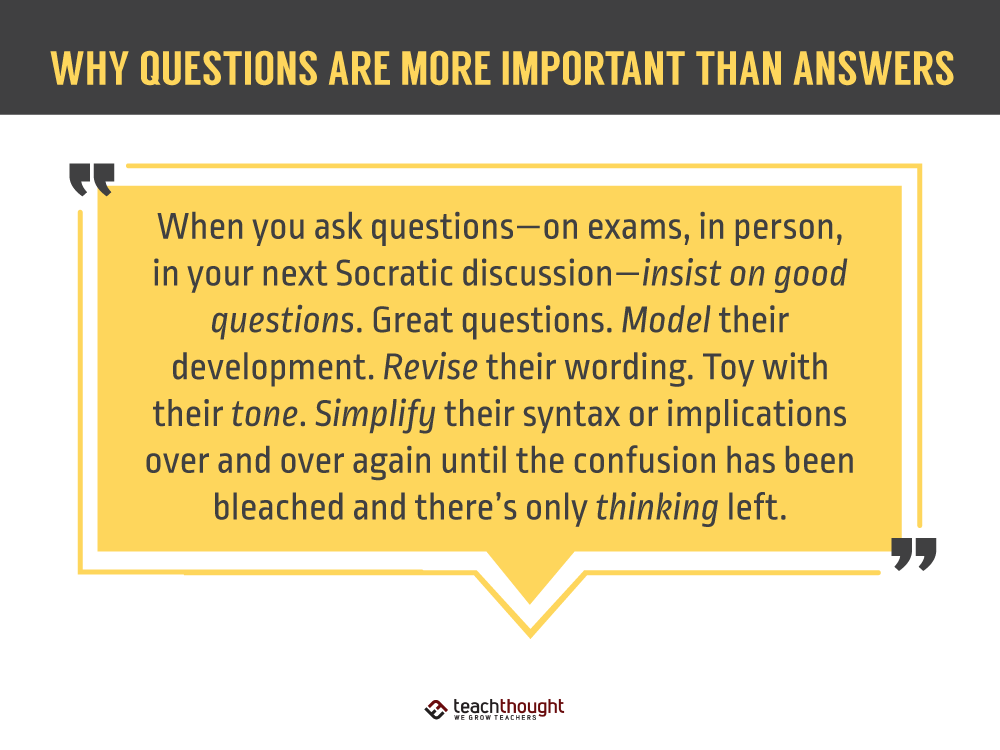
Why are questions more important than answers? Because answers stop learning while questions start it, contextualizing what we don’t know.
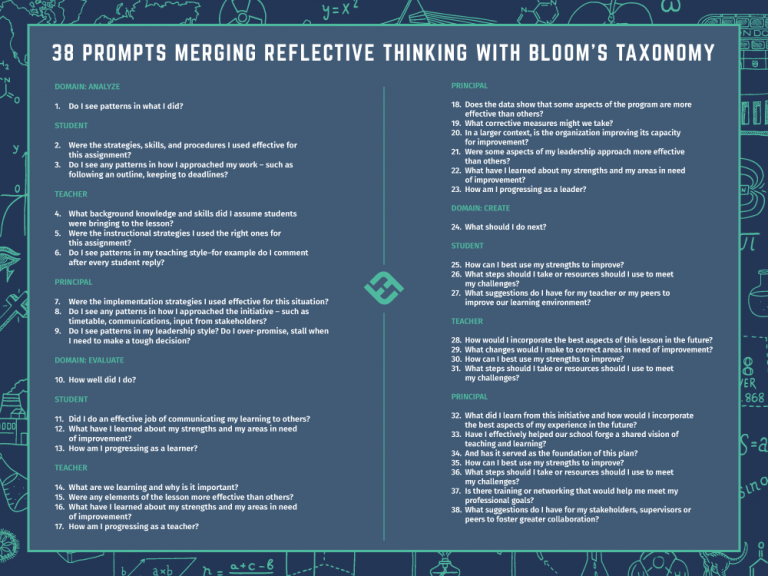
We developed a taxonomy to provide a schema of prompts that could be used by students and teachers to hone their reflective thinking skills.
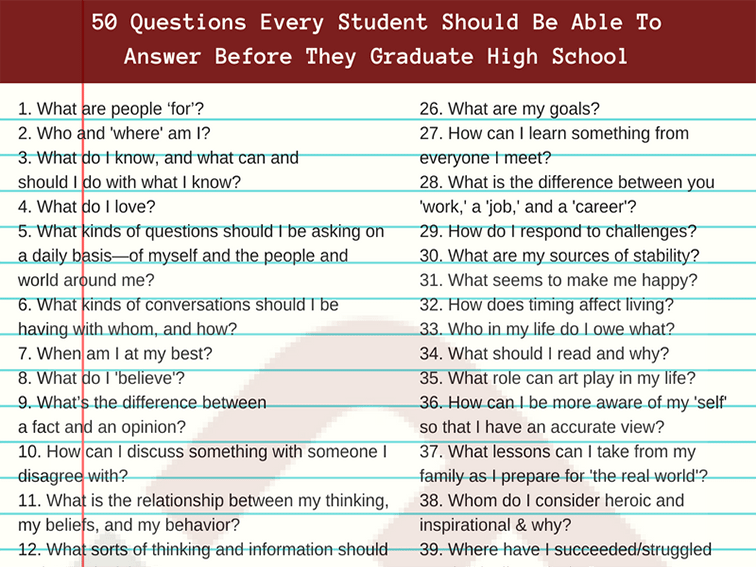
When should I lead and when should I follow? When should I talk and when should I listen–and what is the role of each in understanding?
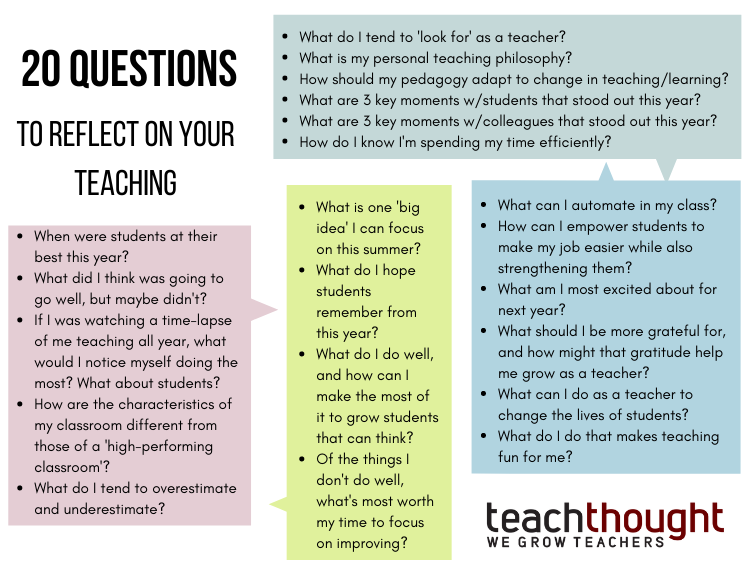
How can you reflect on your teaching to grow each semester/year? To make teaching easier? Better? More powerful? More fun? More efficient?
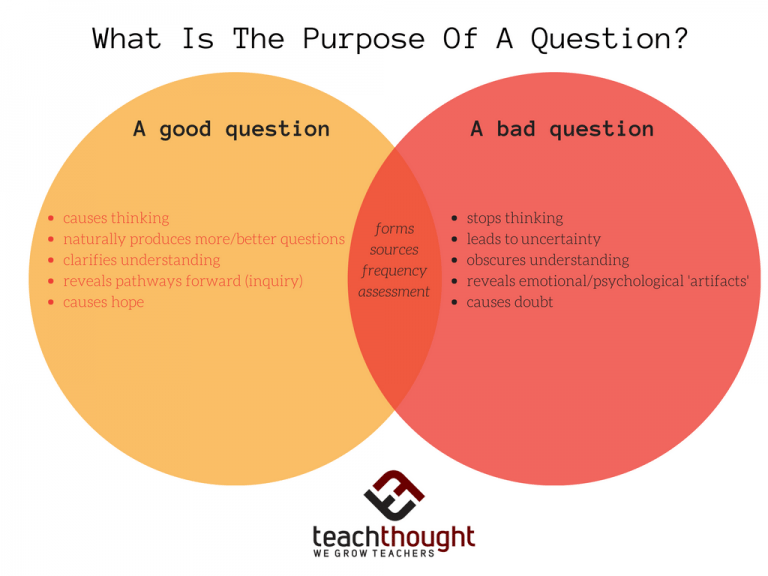
The source, frequency, and quality of questions from students are among the best data points to evaluate thinking in your classrooms.
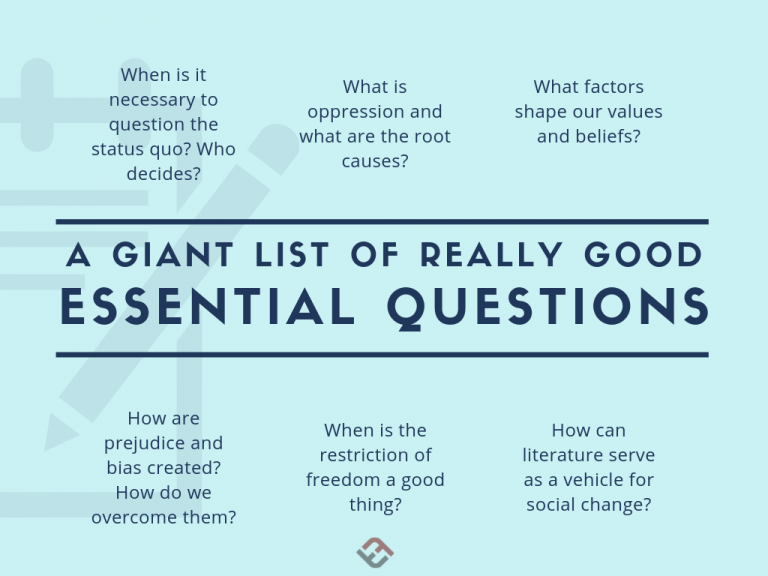
Essential questions are ‘essential’ in the sense of signaling genuine, important and necessarily-ongoing inquiries.
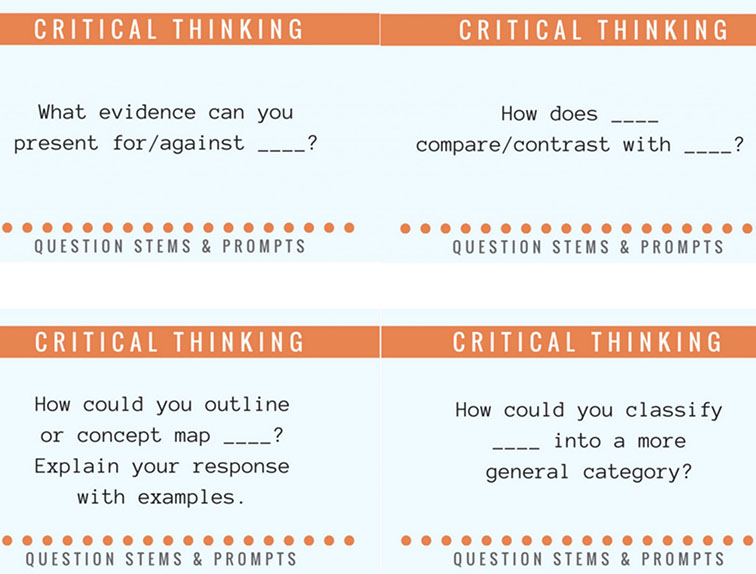
Using the right question at the right time can not evaluate understanding but can help students think about what they think.
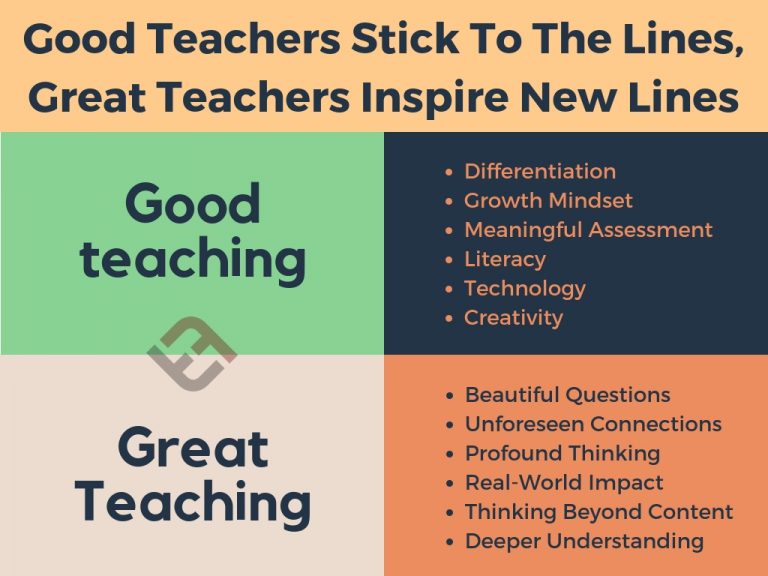
Great teachers go beyond being ‘good’ by leveraging student curiosity to spark beautiful questions and profound thinking.
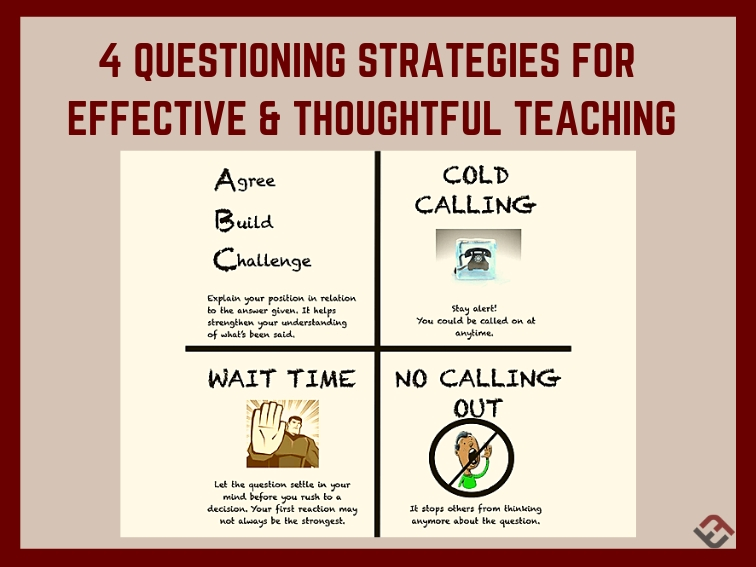
Questions can be a powerful weapon in a teacher’s arsenal, if applied with diligence. Check out these 4 questioning strategies for yourself.
What was your mindset going in to the activity? What do you discover about yourself during the learning process?
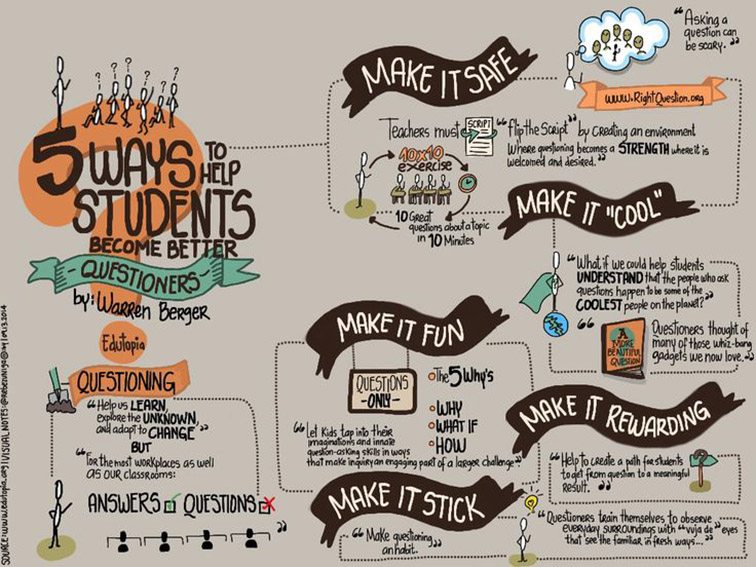
How To Help Students Ask Better Questions There’s nothing I care more about than students, and there are few things I think can serve a student better than being able to ask the right question at the right time. In “Why Questions Are More Important Than Answers,” I said that “Questioning is the art of…
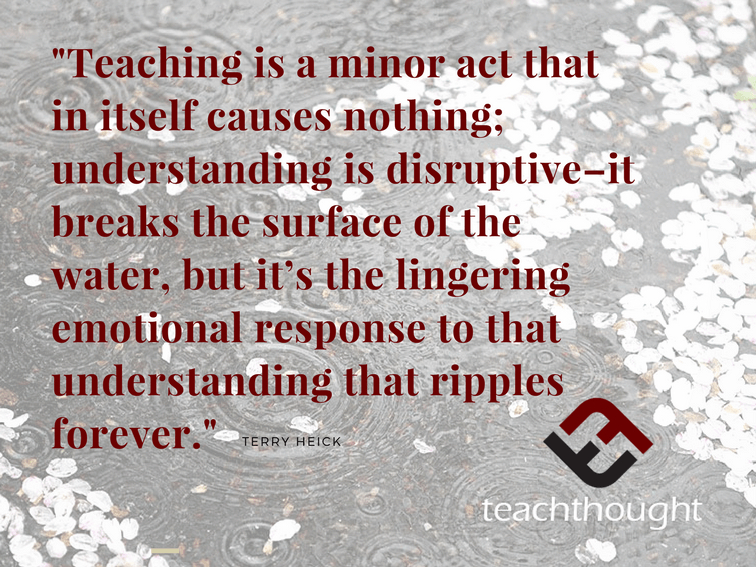
The need to belong, the desire to be understood, and the instinct to understand are universal human emotions that mean everything.
Questioning In The eLearning Environment by Rosa Fattahi, WizIQ As discussed in A Primer in Effective Questioning, Part I, it is important that traditional and eLearning teachers employ a variety of question types that address a range of intellectual skills. Questions should not only be used to assess student comprehension of the material, but also…