Wendell Berry And Preparing Students For ‘Good Work’
What is the effect of your work? Did you choose your work, or are you doing it under compulsion as the way to earn money?


What is the effect of your work? Did you choose your work, or are you doing it under compulsion as the way to earn money?

One underlying assumption of a curriculum is that it’s comprised of knowledge and skills that are both knowable and worth knowing.
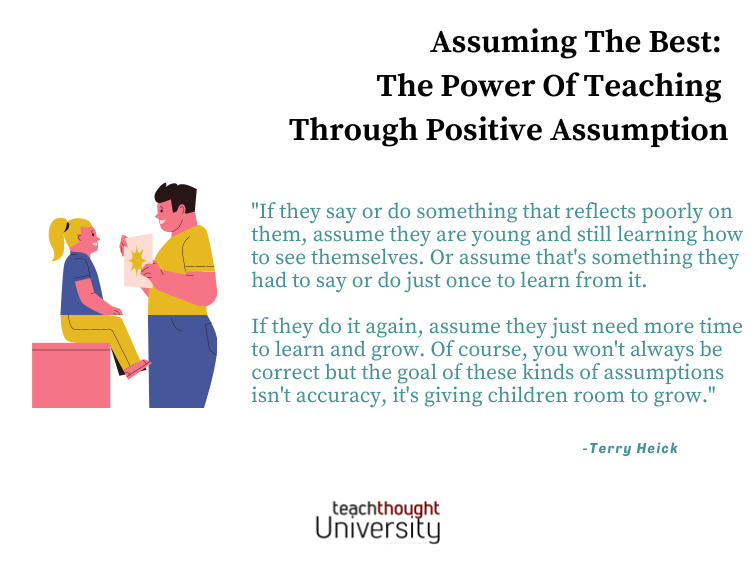
Of course, you won’t always be correct but the goal of these kinds of positive assumptions isn’t accuracy, it’s giving children room to grow.
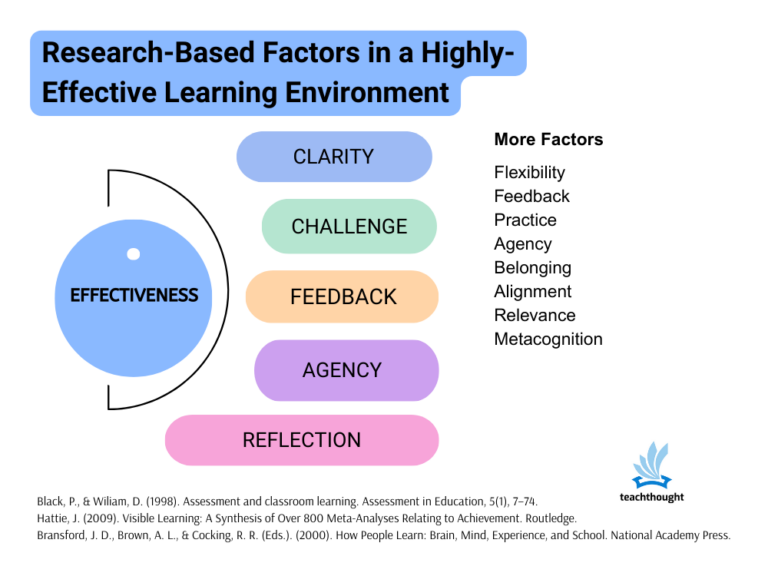
In a highly effective learning environment, there are opportunities for students to revisit old thinking while grappling with new ideas.
When one teacher meets another, they exchange ideas. Comparing and finding common ground and learning new things is nearly automatic.
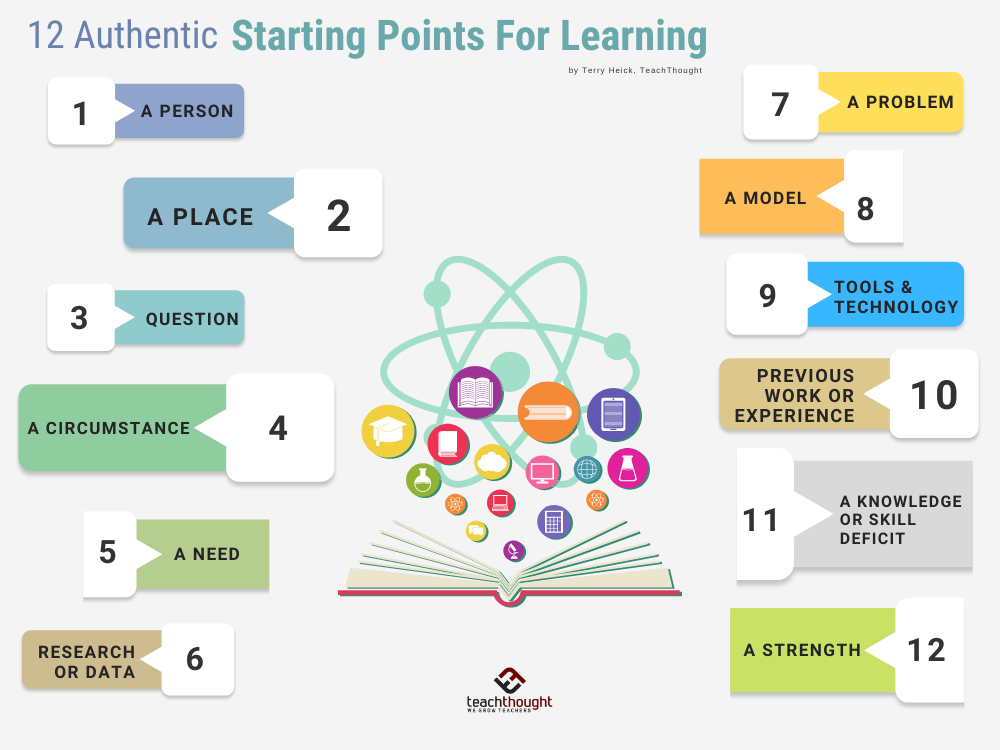
Learning–real, informal, authentic, and lifelong learning–can ‘begin’ with just about anything.
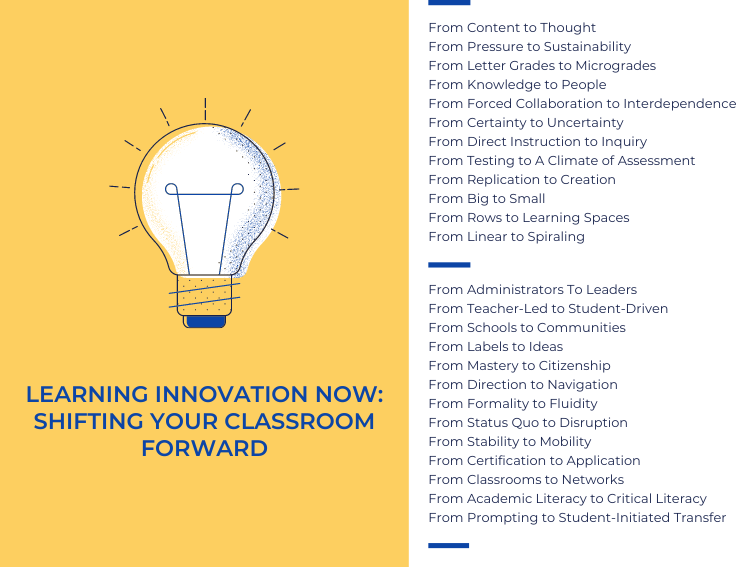
From content to thought, linear learning to spiral learning, and grading to micrograding, here are possible characteristics of an innovative classroom.
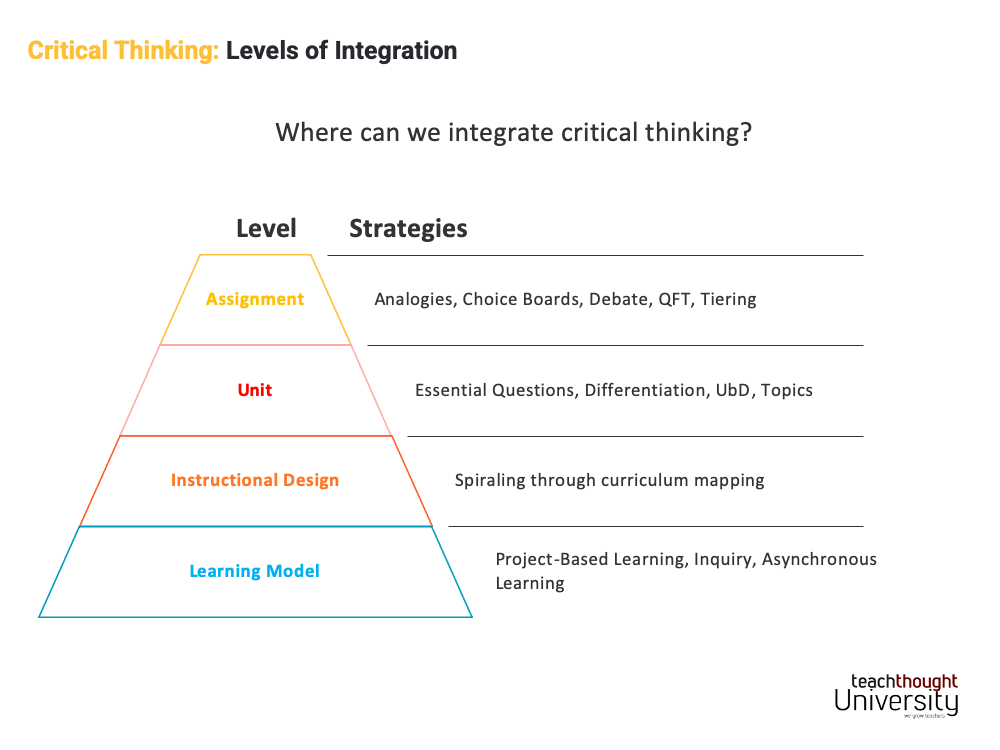
How can you teach critical thinking? This framework offers a way to integrate critical thinking in your classroom.
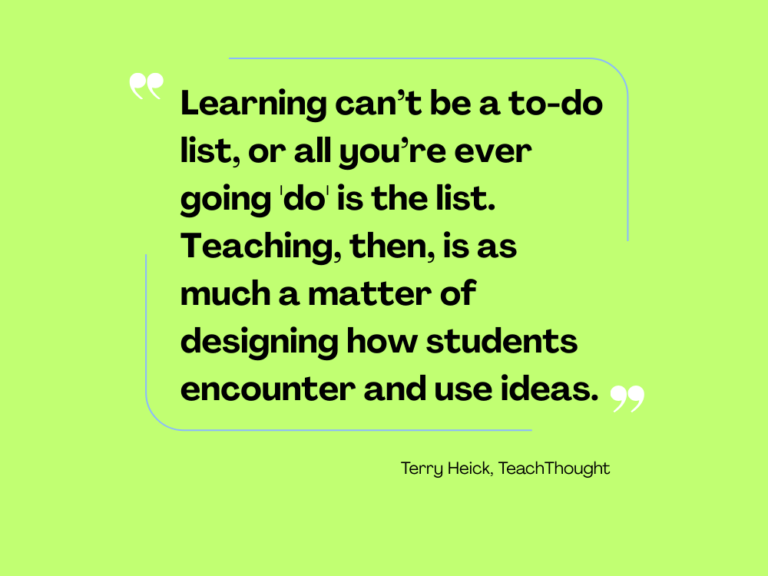
For me, my biggest takeaway from college was learning what I didn’t know.
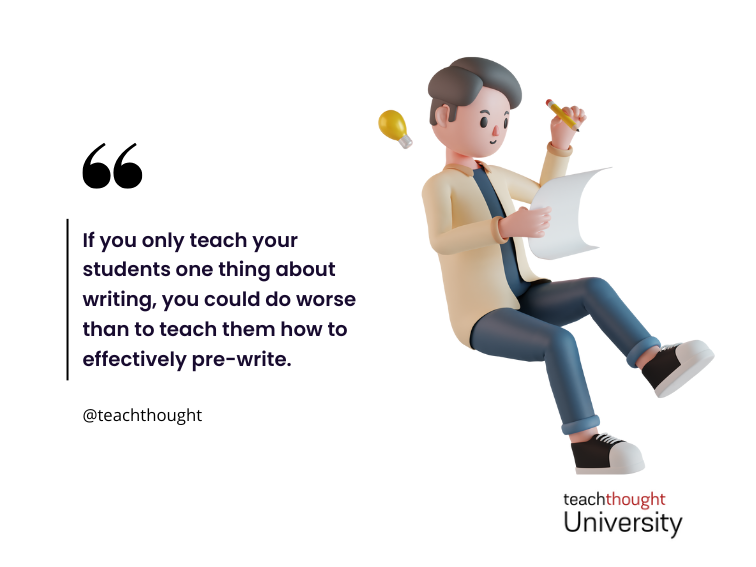
Pre-writing can include clarifying audience and purpose to researching and outlining, making it crucial to the quality of the writing.

I’m not saying any of these ideas are good—or even the least bit viable. Or that they wouldn’t be detrimental. I’m just wondering what would happen.
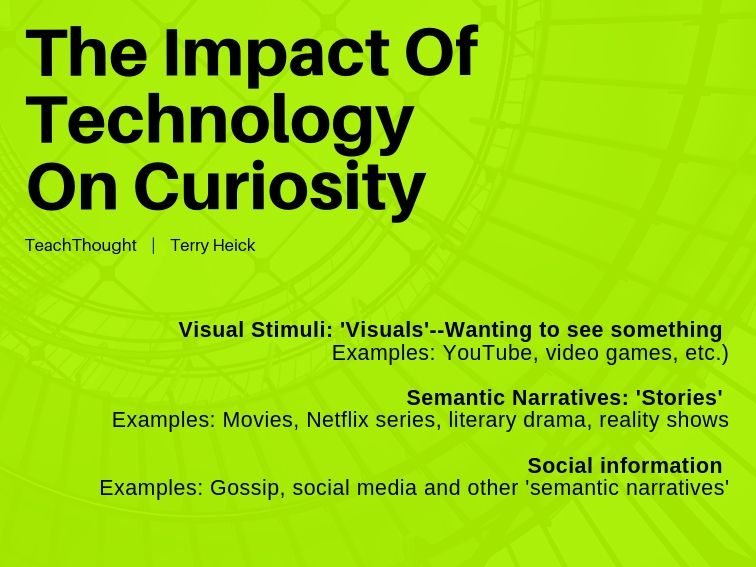
Understanding the impact of technology on curiosity suggests that we first understand the role of curiosity in the learning process itself.
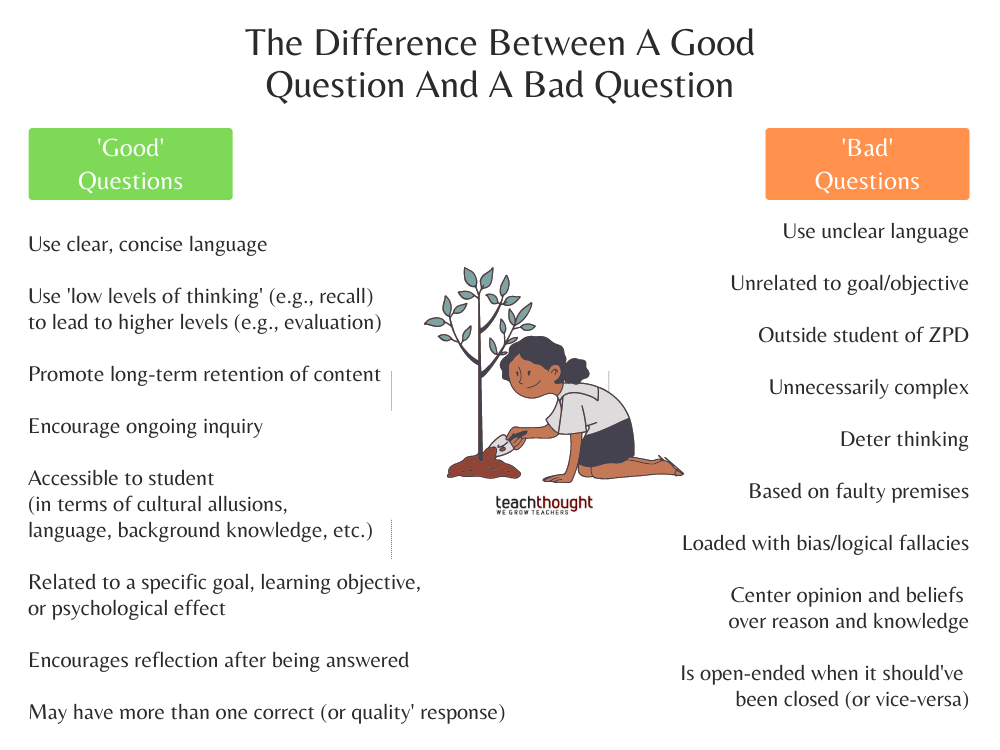
A question is only a strategy (for inquiry) and must therefore have a purpose if we want to evaluate its quality.
Students might see reading as something to do at school rather than an opportunity to be entertained, learn, or be exposed to new ideas.