Create A Curriculum That Questions The Purpose Of Knowledge
The purpose of curriculum is to provide a mutual language to organize and communicate knowledge–and students inherit its implications.
The purpose of curriculum is to provide a mutual language to organize and communicate knowledge–and students inherit its implications.
Critical thinking is certainly a ‘skill’ but when possessed as a mindset–a playful and humble willingness–it shifts from a labor to an art.
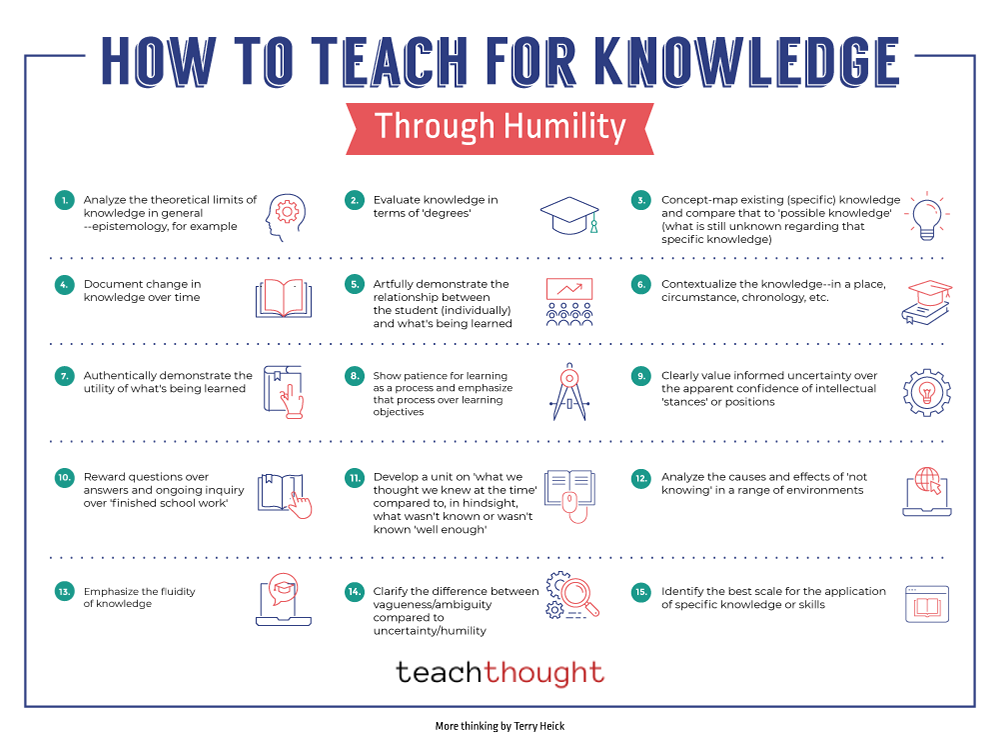
How would it change the learning process to start with a tone of humility? To clarify what can be known, and what cannot?

Like thinking, reading in the 21st century is endlessly linked in an increasingly visible web of physical and digital media forms.
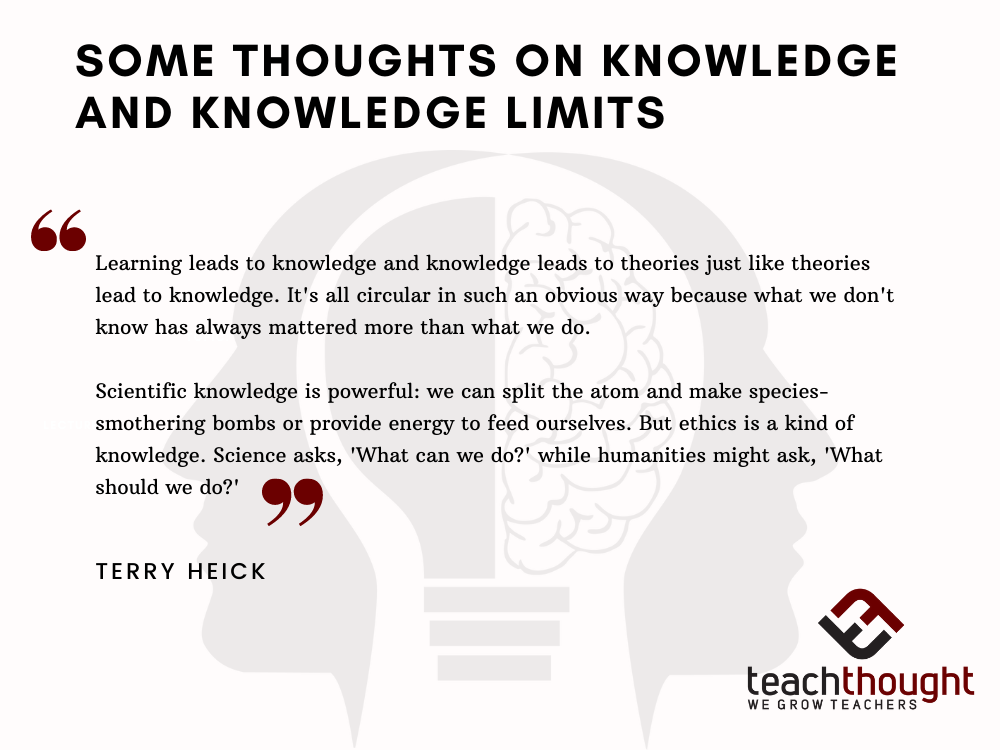
Learning leads to knowledge and knowledge leads to theories just like theories lead to knowledge. It’s all circular in such an obvious way.

What is the effect of your work? Did you choose your work, or are you doing it under compulsion as the way to earn money?
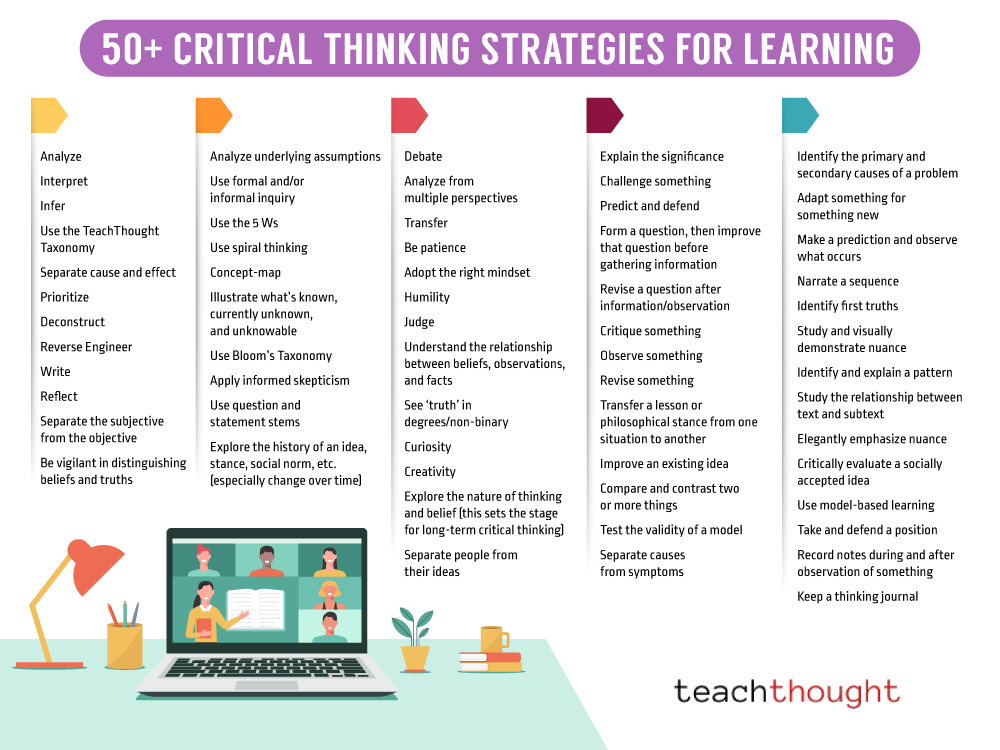
Critical thinking strategies often employ multiple data sources and perspectives in pursuit of understanding.
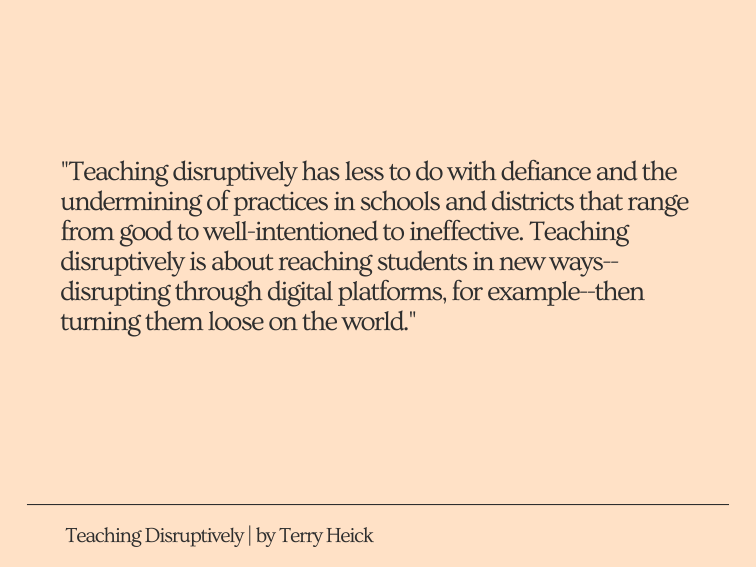
Teaching disruptively helps create learners who ask the right question at the right time for reasons that matter to them.
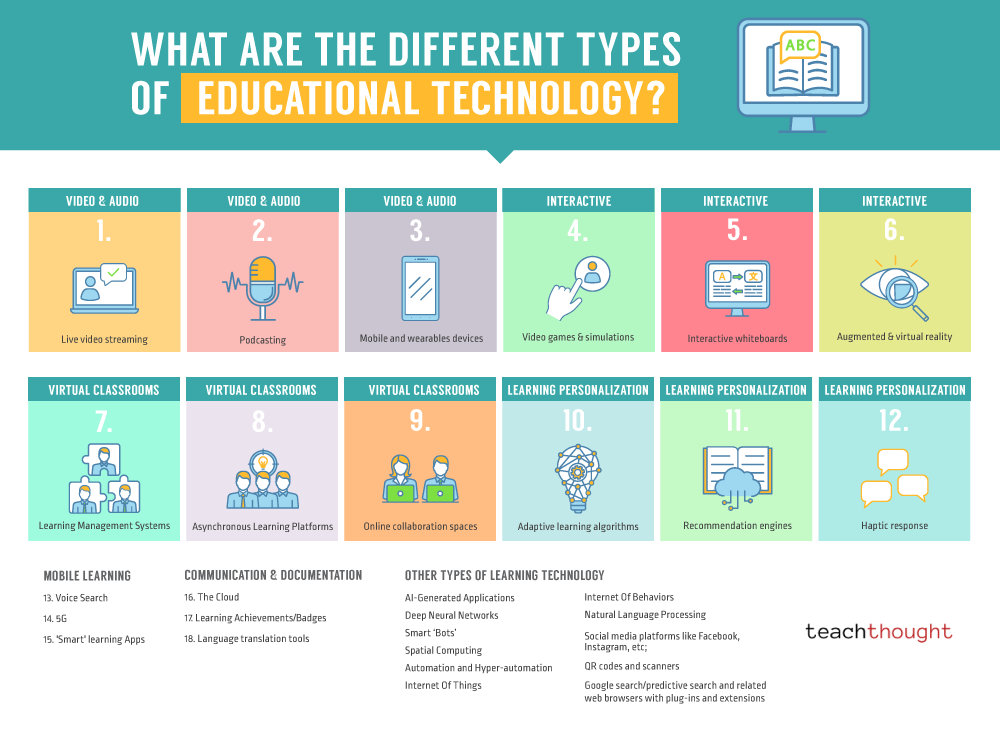
Examples of education tech include mobile devices, adaptive learning algorithms, the cloud, podcasting, and virtual reality.
Teachers are the great translators of learning–mediators that speak in binary code for the system and in human tongue for the children.

To use the Gradual Release of Responsibility model, students need to see others using it and who better to model it but you?

Education research is great, but it has nothing on what you are able to see every day within your classroom.
When rethinking learning loss, we should consider ‘transferability’ of knowledge to student life.
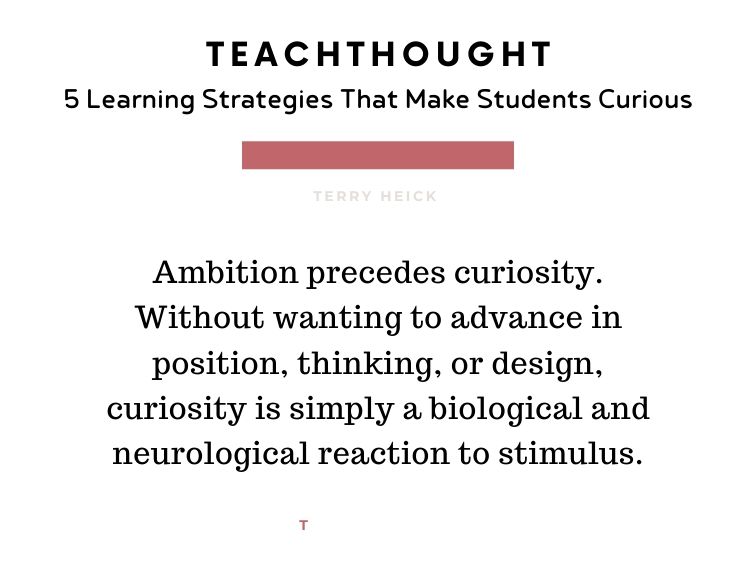
Ambition precedes curiosity. Without wanting to change or grow, curiosity is simply a momentary neurological reaction to stimuli.