Conversation: Building Knowledge Through Project-Based Learning
One could reasonably cite the complexity of constructivist teaching and learning as a reason to default to more traditional teaching methods.

One could reasonably cite the complexity of constructivist teaching and learning as a reason to default to more traditional teaching methods.
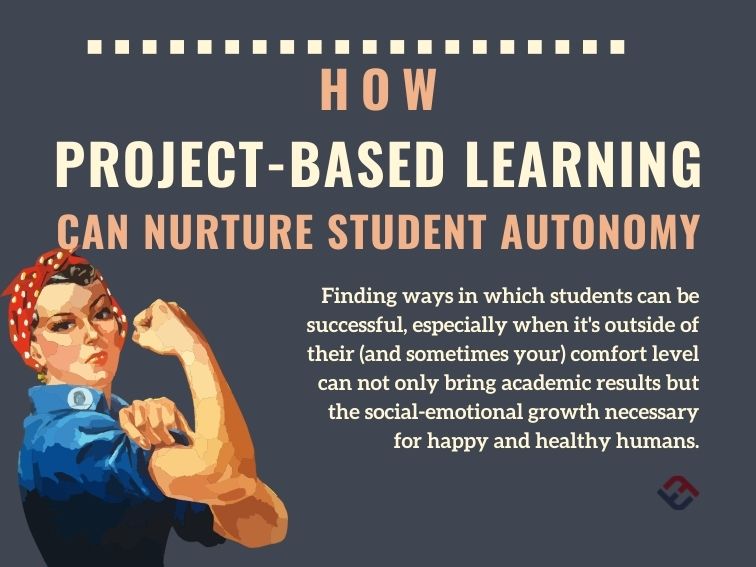
Project-based learning can nurture student autonomy by requiring students to make authentic decisions about what they learn and do.
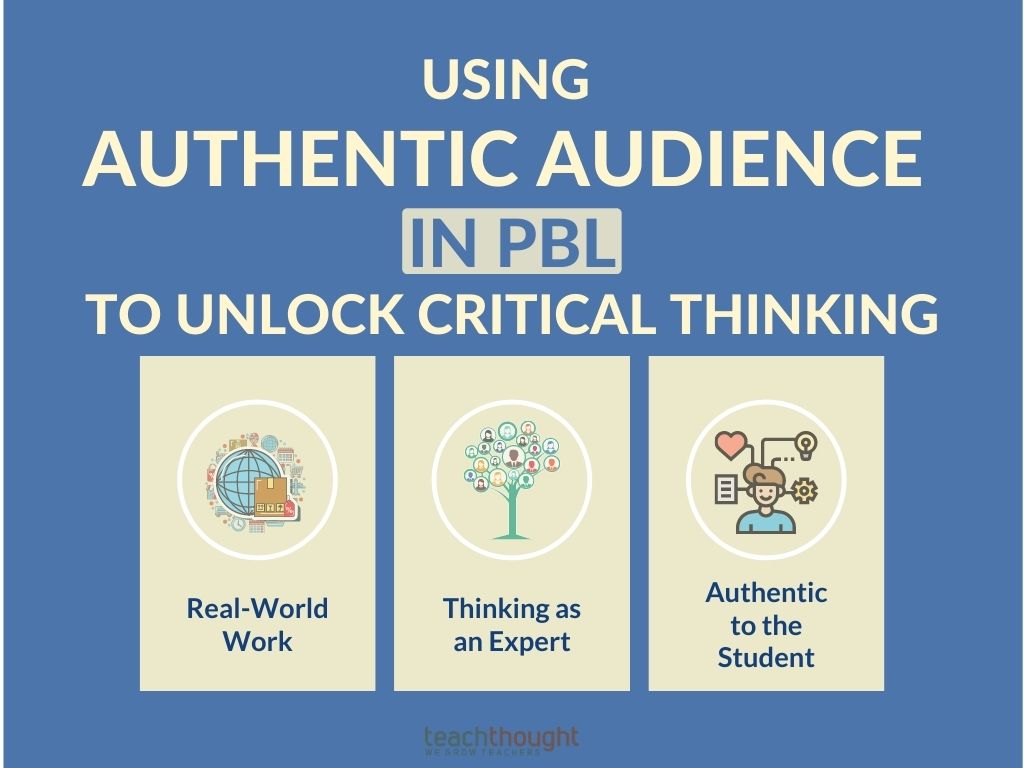
With an authentic audience in PBL, inquiry can help students ask important questions like, ‘Who is our audience and what are their needs?’
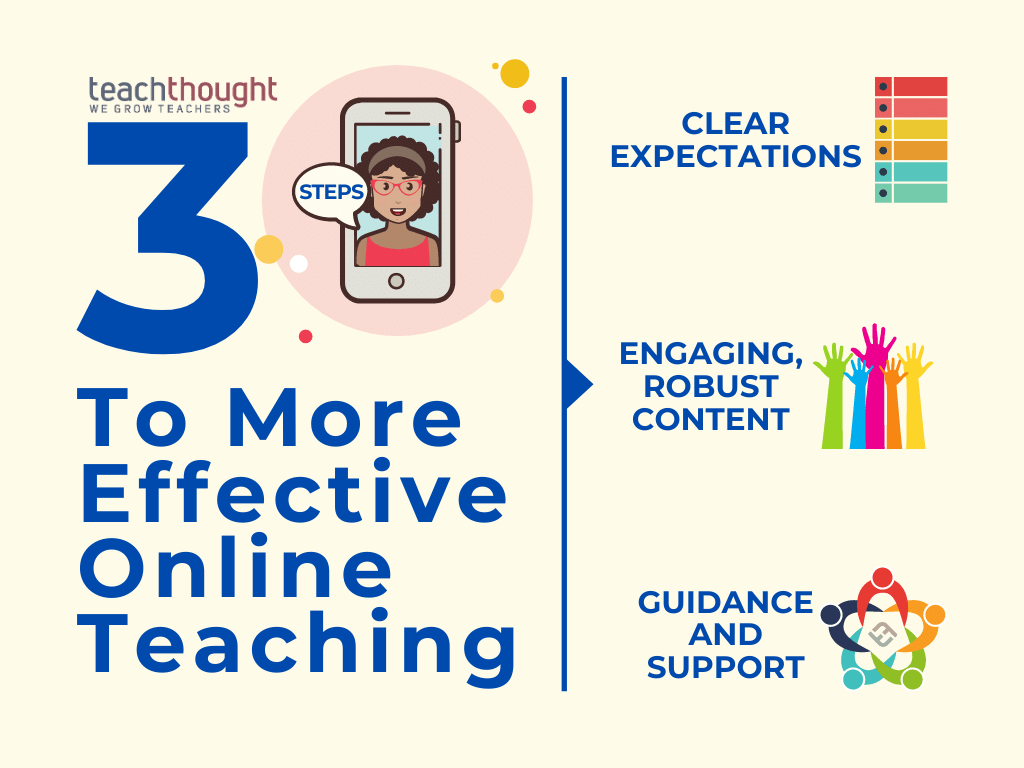
Consider including social-emotional learning strategies in your routines and practices for students for effective online teaching.
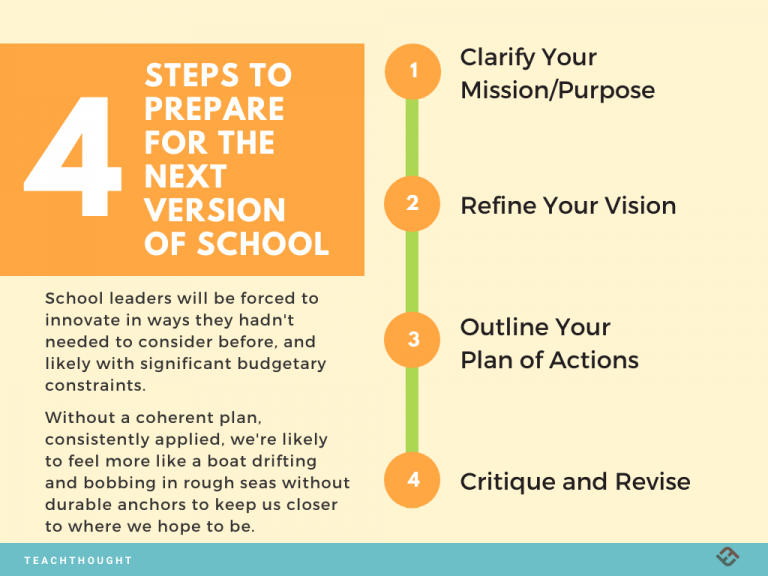
Leaning into good formative assessment practice, we can respond to shortcomings by changing our actions to better meet our goal statements.
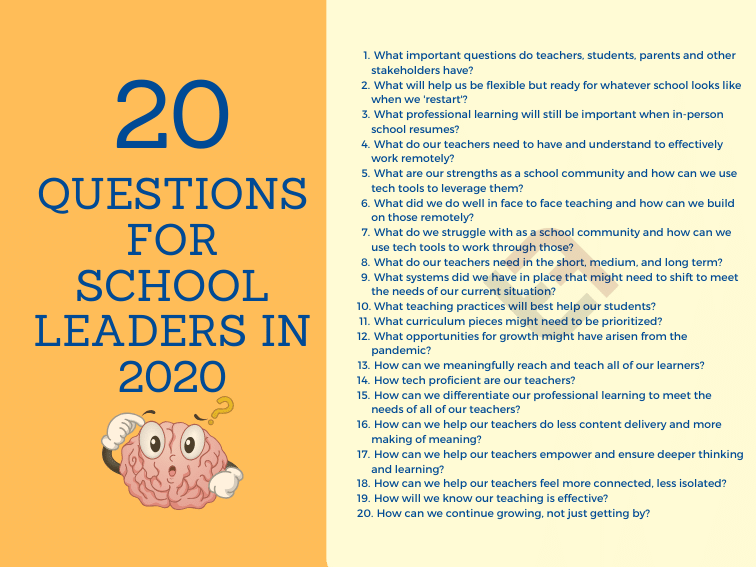
In an era of significant change and new pressures and opportunities, how should leaders organize school priorities?
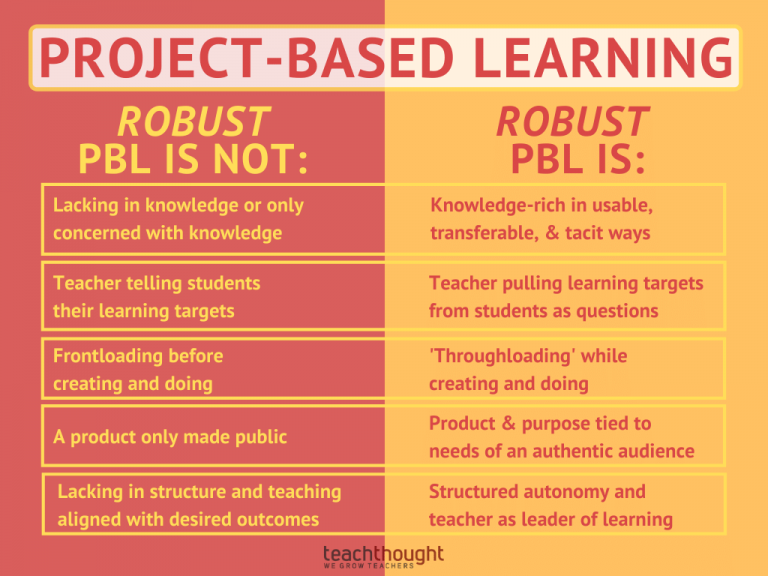
Robust PBL includes having an authentic audience, making PBL public, and baking in an important lever for Craftsmanship and Rich Inquiry.
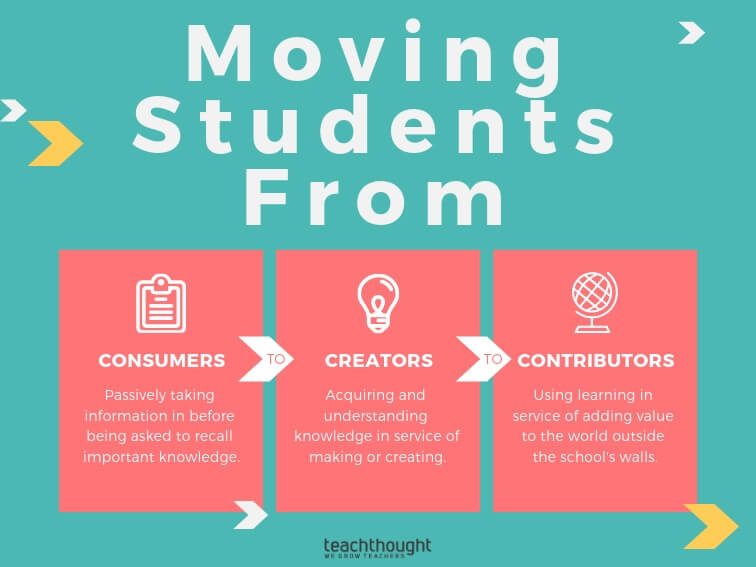
Education has the power to change communities — here, we discuss moving students from consumers to creators to contributors.
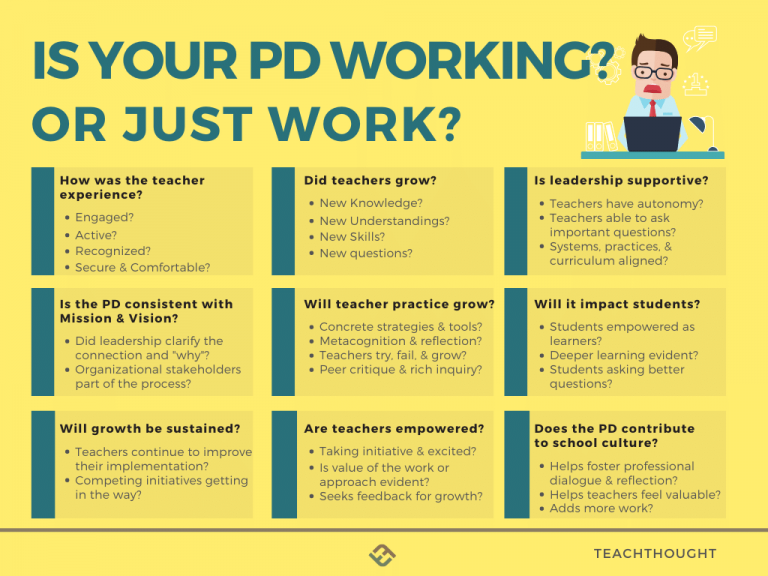
Teachers are passionate about helping their students and improving their craft. But PD doesn’t always feel particularly helpful.
Mediocre teaching loiters around the lower levels of Bloom’s taxonomy. A culture of ongoing inquiry can change that.
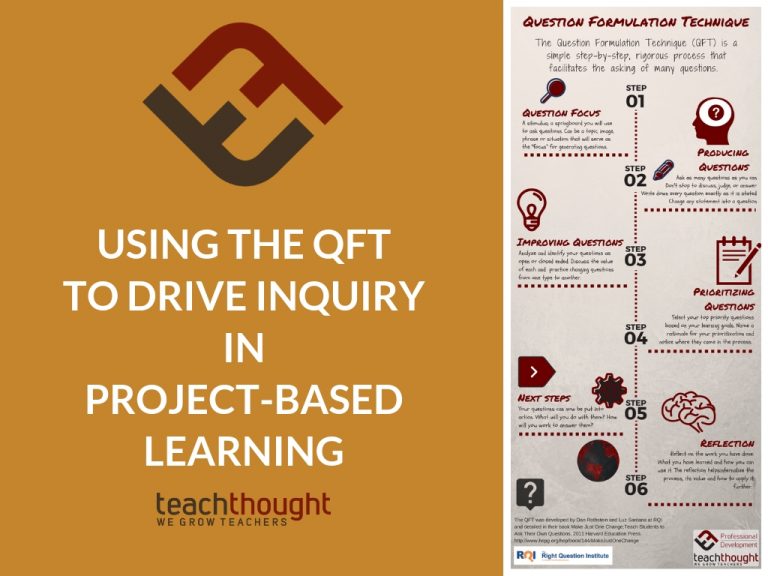
The shift from being asked for answers to being asked for questions can be powerful in building a powerful learning environment.
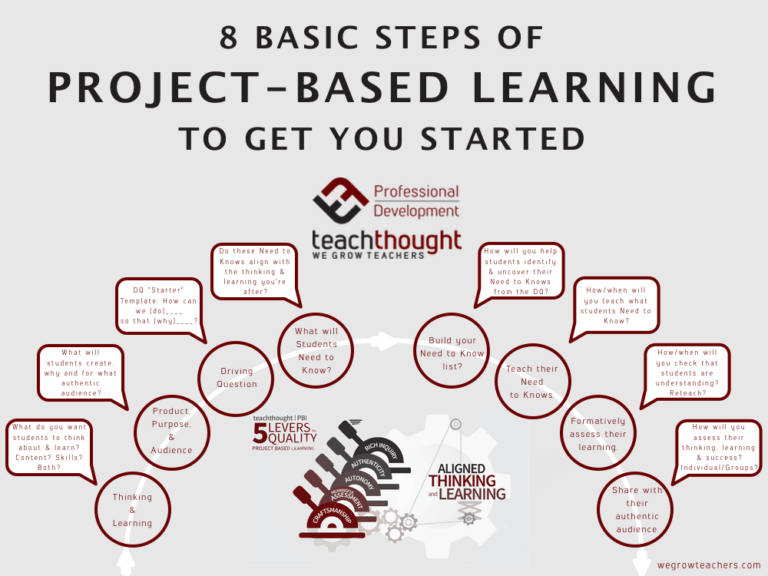
What are the steps for teaching through project-based learning in your classroom? Like all good teaching, it starts with students.
In this project, some serious questions were raised–above all “How can we help and where do we begin?”

With single-point rubrics, the focus is on providing evidence of meeting, exceeding, or falling short of the quality you’re looking for.