Technology Tools For Interactive Learning
Some of the more popular interactive learning tools include Kahoot!, Flip, Quizziz, and Nearpod, all designed to make learning interactive.

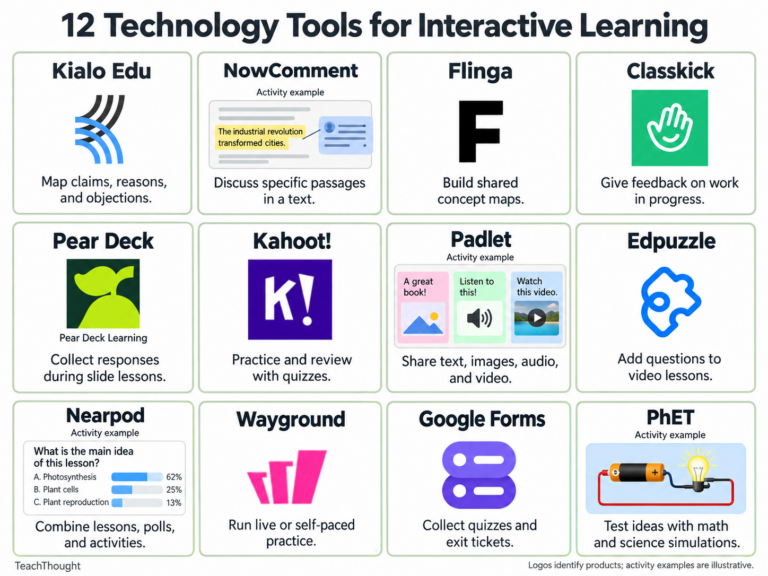
Some of the more popular interactive learning tools include Kahoot!, Flip, Quizziz, and Nearpod, all designed to make learning interactive.
While iOS remains the system of choice for most developers, learning with apps is as accessible on Android devices as it is on the iPad.
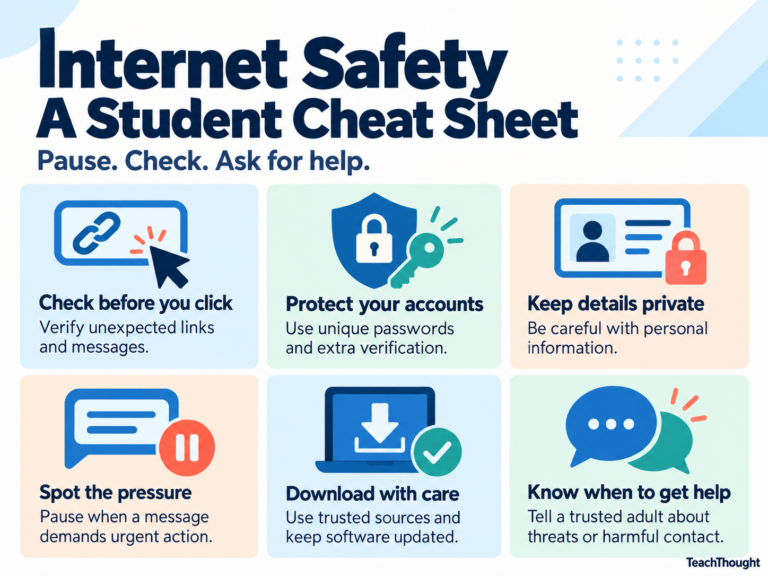
Internet safety is something many teachers-and worse, students-take for granted, and it doesn’t always begin with a clear threat.
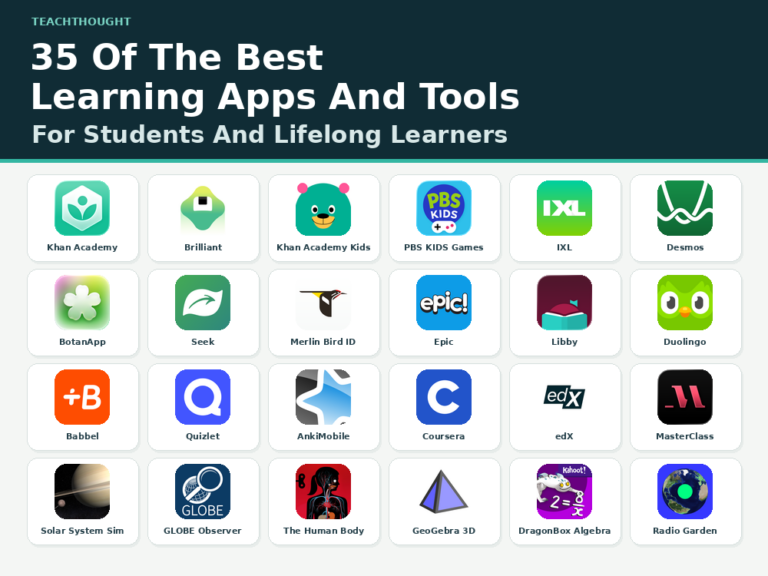
Brilliant, IXL, Seesaw, Khan Academy, FlipGrid, and Marco Polo are just a few of the best learning apps for 2027.
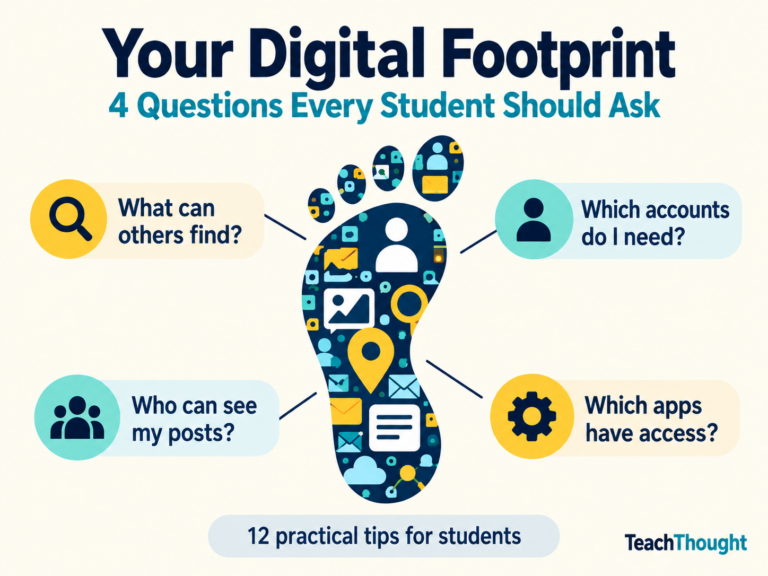
Helping students learn to manage their digital footprints starts with helping them understand how they’re vulnerable, then how to address it.
AI literacy should include the energy and resources behind AI, helping students decide when its benefits justify its environmental costs.
Whether you’re introducing students to concepts (e.g., Pi) or skills (e.g., dividing fractions), here are 12 of the best math apps for kids.
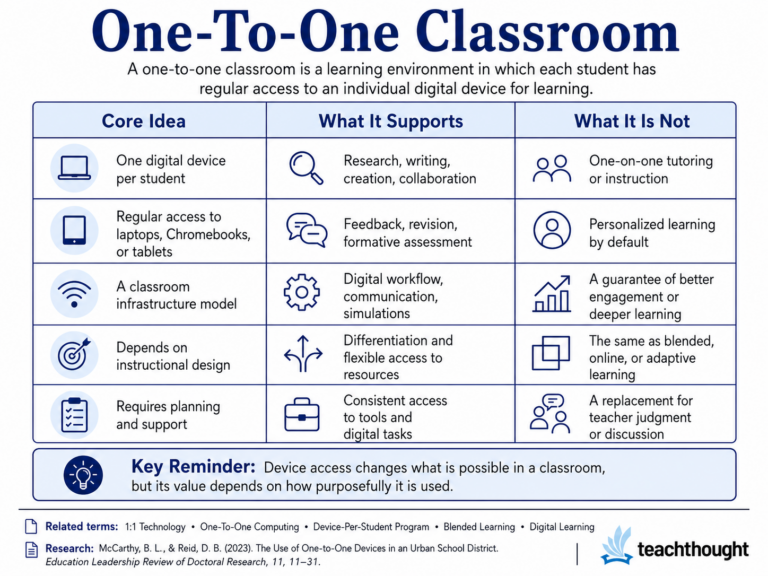
A one-to-one classroom is most often a classroom where each student has ongoing access to an individual digital device.

For one story, open it in the Archive, tap the options menu and save it to the phone
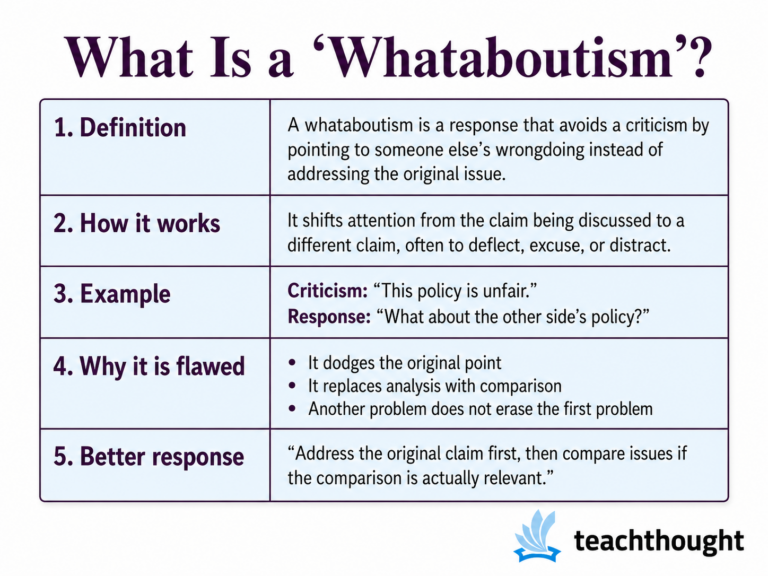
Whataboutism is a rhetorical deflection that avoids answering a claim by shifting attention to a different issue.
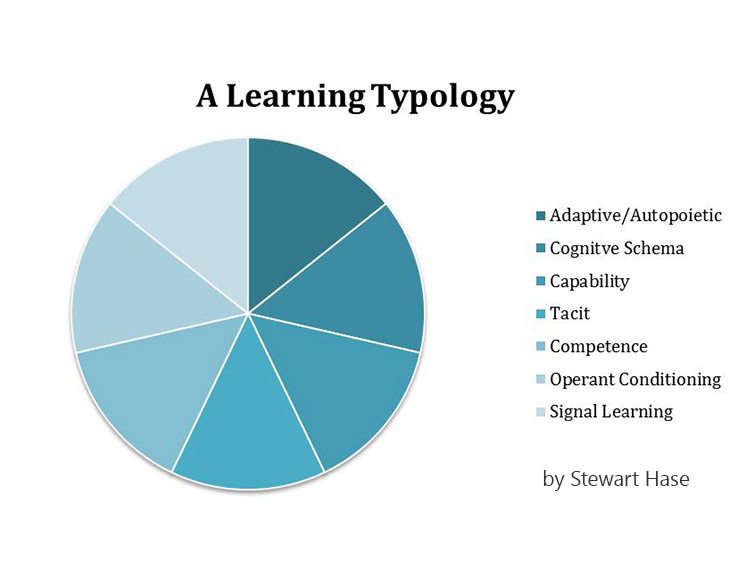
This is a typology not a taxonomy.
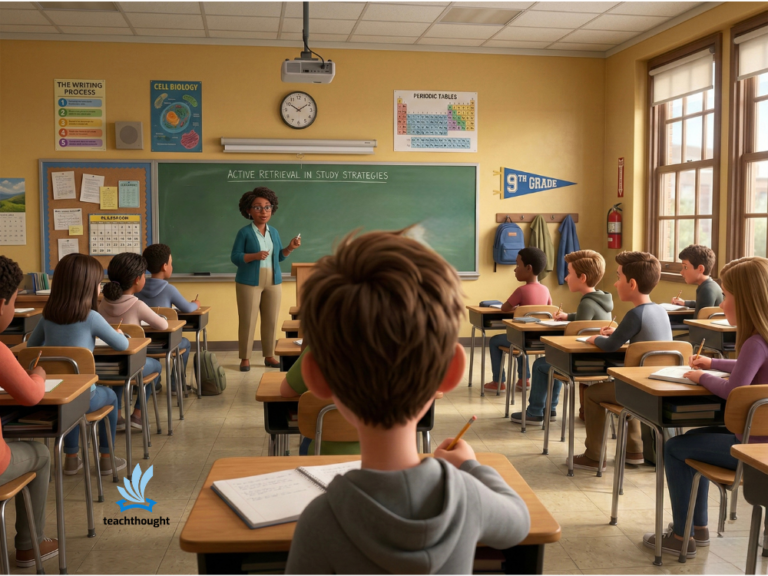
In most classrooms, we rely on visible indicators like grades, accuracy, and finished work to tell us whether learning is happening.
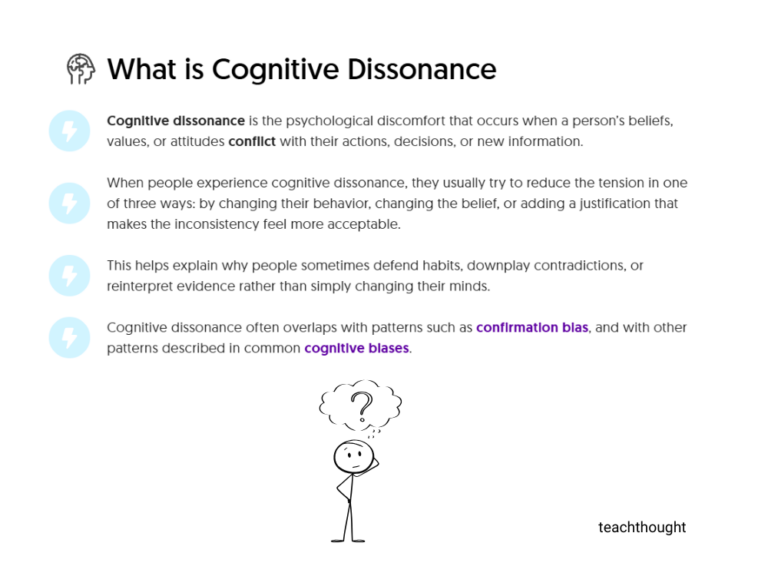
Cognitive Dissonance is the psychological discomfort that occurs when a person holds two or more contradictory beliefs, values, or attitudes at the same time.
Helping students recognize these trade-offs can strengthen their decision-making skills.