Digital Tools To Create Simple Quizzes And Collect Feedback From Students
These sites, tools, and apps can save teachers time by allowing them to create simple quizzes and collect feedback from students.


These sites, tools, and apps can save teachers time by allowing them to create simple quizzes and collect feedback from students.

From Afforai to Litmaps to ChatGPT, here are 26 free tools that support research, writing, and teaching for K–12 and higher ed educators and students.
![20 Ways To Use QR Codes In Education [Updated]](https://www.teachthought.com/wp-content/uploads/2025/11/TT-FI-PlaceHolder.png.webp)
1. Quick Access to Rubrics: Place a QR on the assignment sheet or wall that opens the scoring guide.
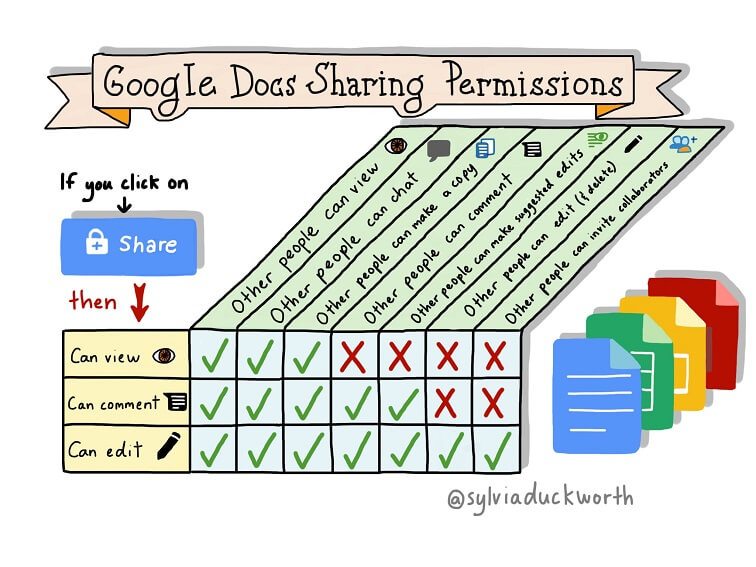
Learn the ins and outs of the sharing & privacy settings of Google Docs to help keep class information safe & to teach digital citizenship.

Critical reading includes ‘Inspectional Reading’: Reading with a focus on grasping the book as a ‘whole thing’–also called ‘Systematic skimming.’

Always test with the various clients to make sure that fallback versions are in order.

As costs for traditional books continue to rise, these platforms are leading the way with free or low-cost textbooks that are actually designed for classroom use.

Weekly and monthly view options, to-do lists, and priority sections can help students manage their time and responsibilities.

This Bloom’s Digital Taxonomy helps teachers evaluate and design digital tasks like ChatGPT use, blogging, podcasting, and more.

Before diving into specific degree options, it’s helpful to pause and consider what you actually want from a counseling career.

Games can serve as platforms for lessons in math, science or just about anything — even if they weren’t designed to be educational.

Good candidates for game-based learning games include Portal 2, Civilization VI, Democracy 4, and Assassin’s Creed Museum Tour.

Rub a needle with a magnet, float it on a leaf in water, and watch it align north-south. Explore magnetism and navigation!

In this talk, she underscores the need for scalable, stigma-free digital platforms that can teach, support, and connect young people dealing with mental health challenges.