Social Media In The Classroom: The Limits Of Teacher ‘Responsibility’
If large institutions and entire governments can’t solve the challenge of responsible social media use, why should teachers be expected to?


If large institutions and entire governments can’t solve the challenge of responsible social media use, why should teachers be expected to?
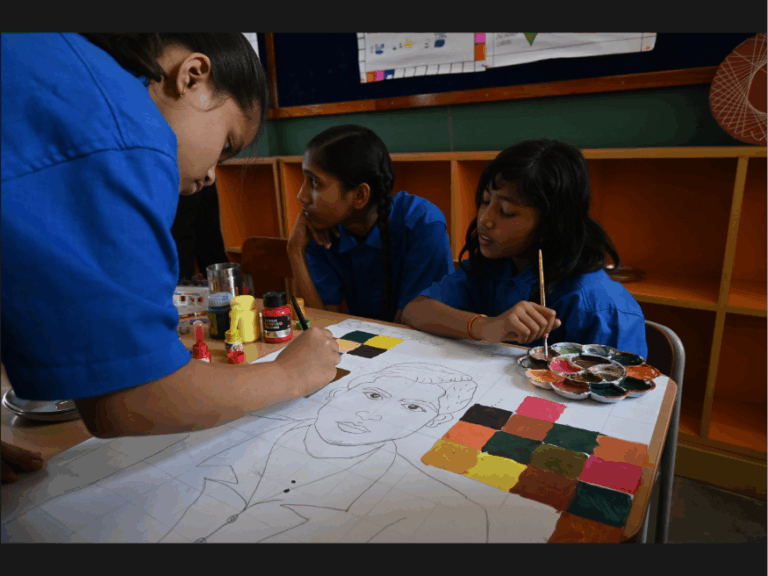
Every year on 22nd December, India celebrates National Mathematics Day commemorating Srinivasa Ramanujan.
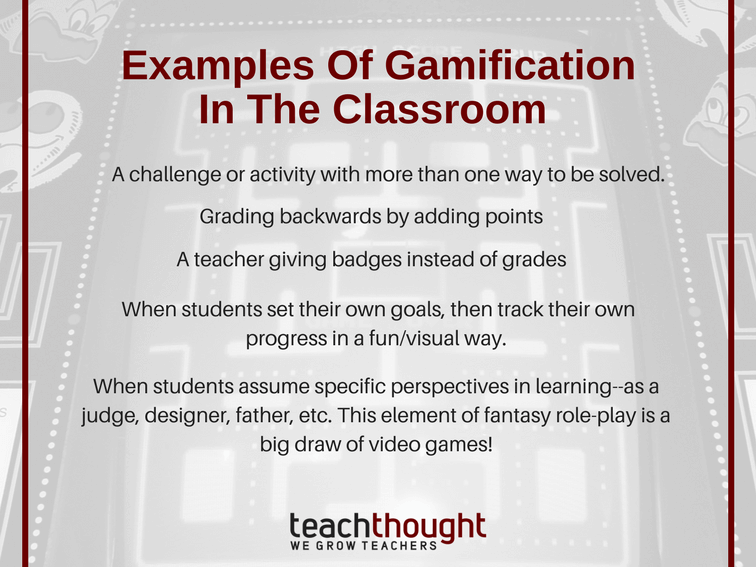
Examples of gamification include additive grading, using levels of progress, creating learning badges or trophies to include, and more.
BYOD in education (Bring Your Own Device), is caught on quickly, and while it has challenges, it also has possibility.
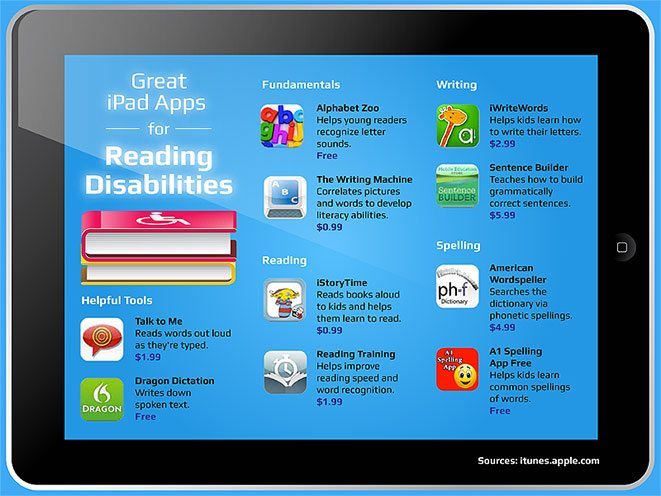
Here, are a few amazing iPad apps for struggling readers and writers to help them see school as fun and engaging, not a struggle.
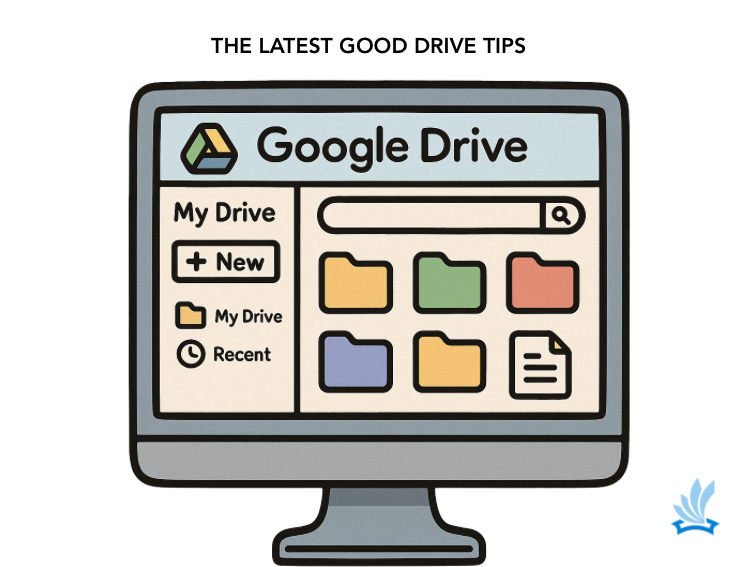
1. Place the cursor at the start of the line.
2. Press Tab once to indent about 0.5″.
3. Press Backspace at the start to remove the indent.
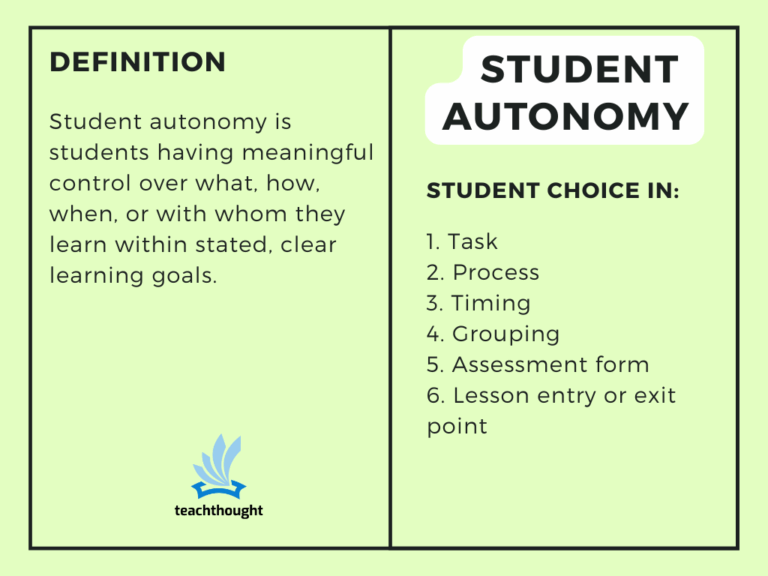
Autonomy is not absence of structure but the opportunity to release more responsibility students.
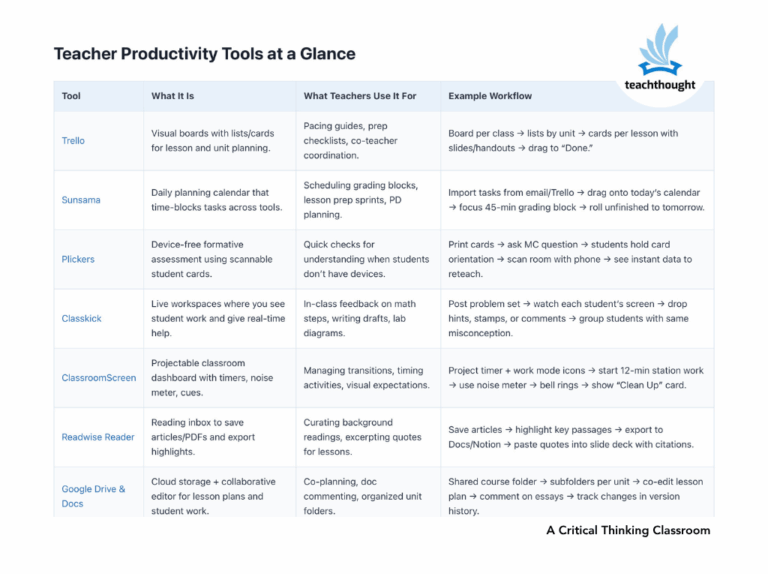
A list of 30 teacher productivity tools that streamline planning, collaboration, grading, and automation. Includes Trello, Notion, Google Docs.

We’re not quite at the stage of being cyborgs, but wearable technology is growing, and the number and type of devices is also increasing.
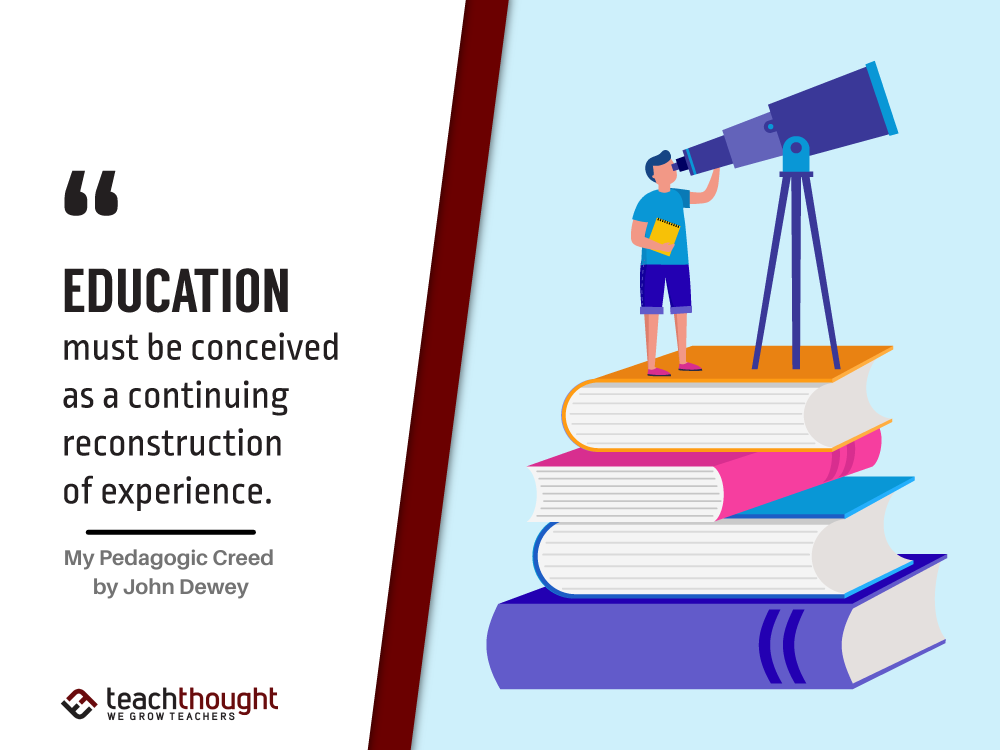
Dewey believed that the psychological and social sides are related and that “education cannot be regarded as a compromise between the two.”
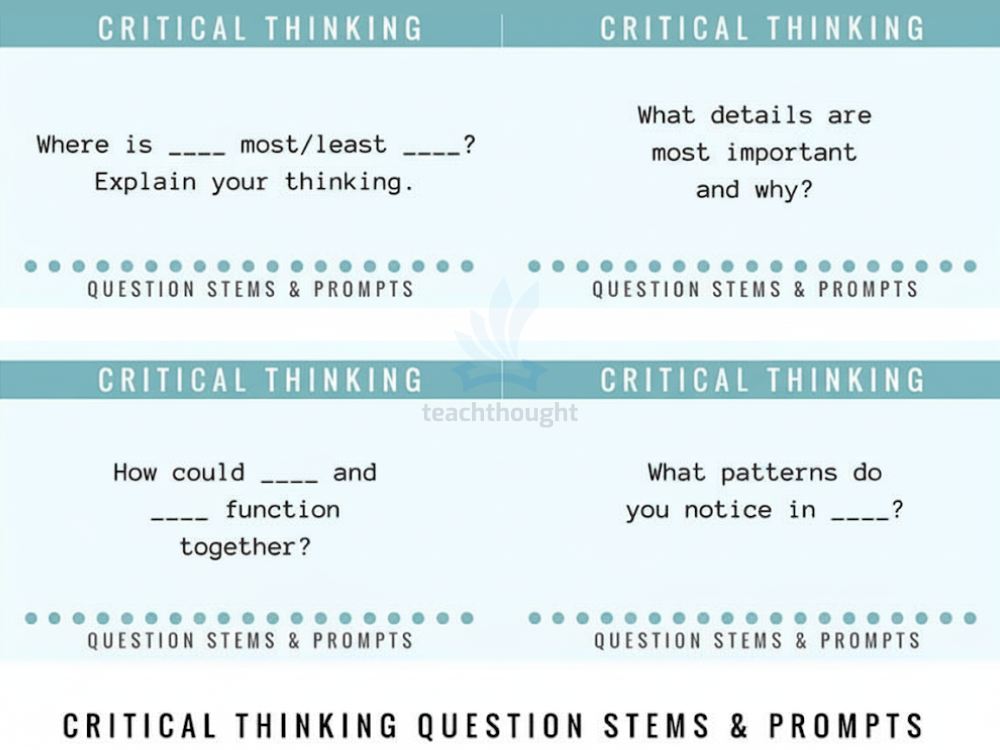
The purpose of these critical thinking question stems is to help students practice willingness to sit with an idea and struggle wonderfully.
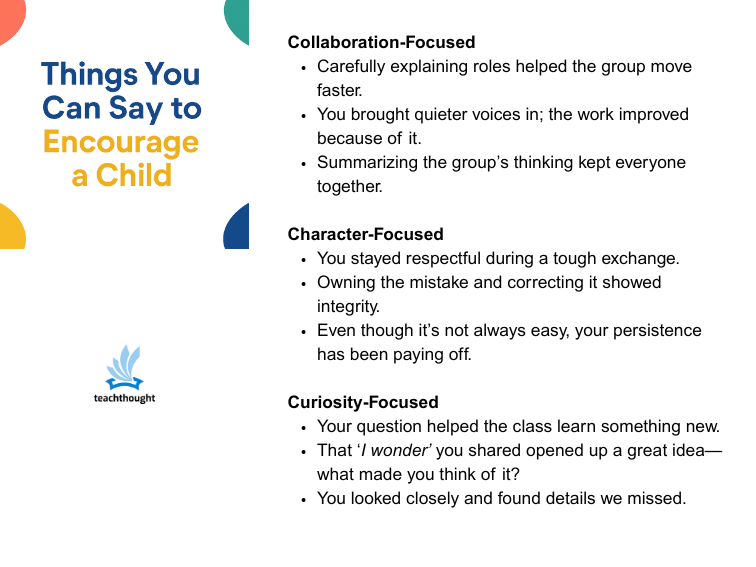
There are many ways to encourage a child but persistent, well-timed, positive messages are among the most powerful.

From translators to worksheets and definitions, here are 30 resources for teaching teaching the English language online.
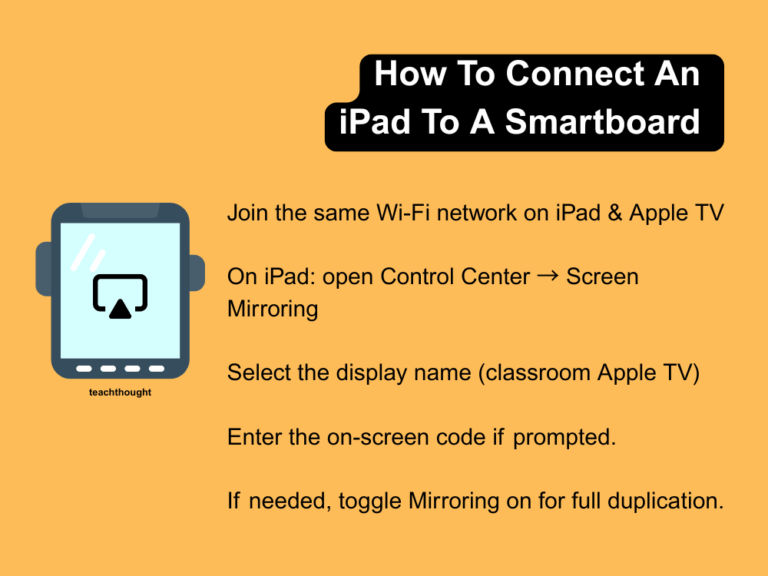
By displaying the iPad on the projector, you’ve got an easy way to broadcast your screen–or a student’s screen–to the entire class.