10 Student Engagement Strategies That Empower Learners
One student engagement strategy is to offer diverse pathways through content–pathways students would have to ‘unlock’ to progress.

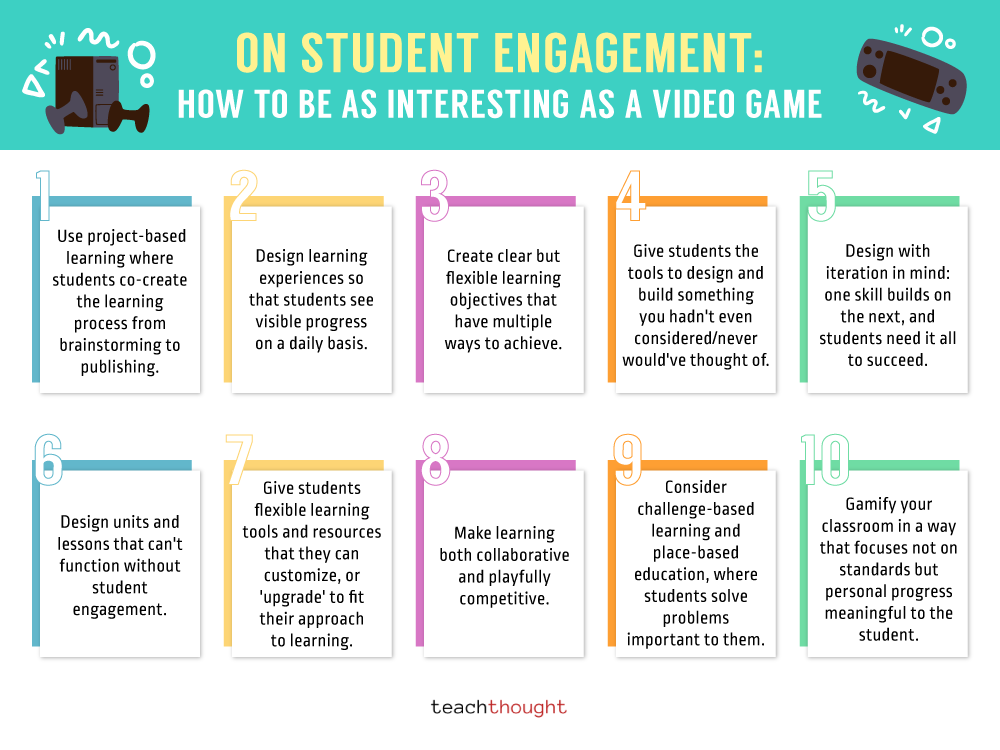
One student engagement strategy is to offer diverse pathways through content–pathways students would have to ‘unlock’ to progress.
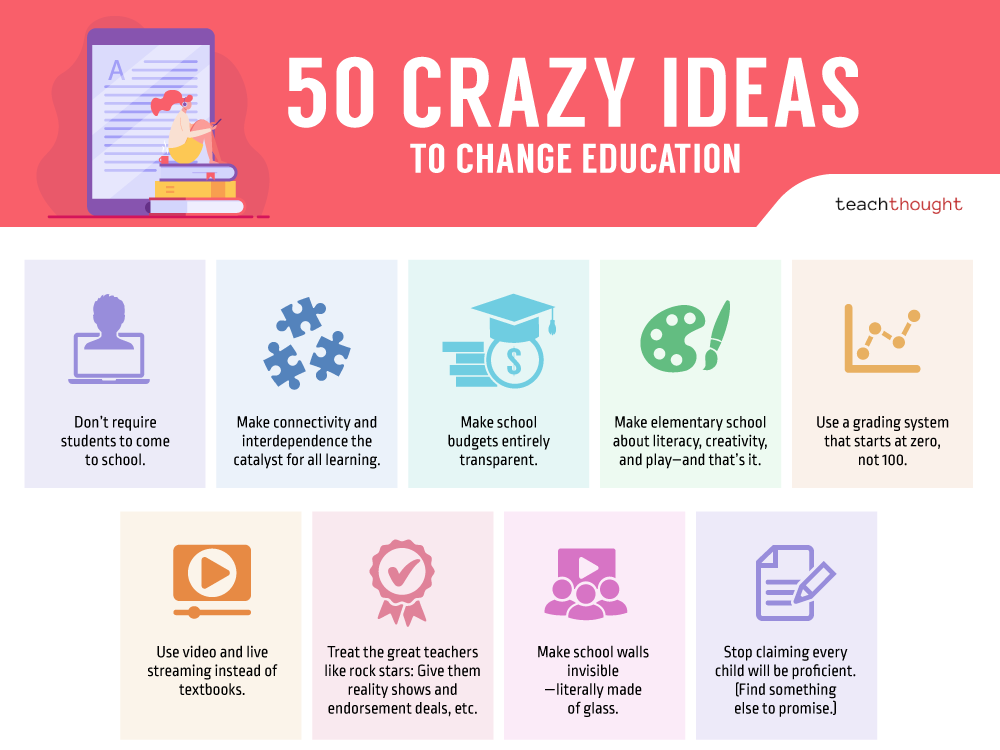
Make any politician voting on legislation have to qualify for that right to vote by spending a certain number of hours in the classroom.
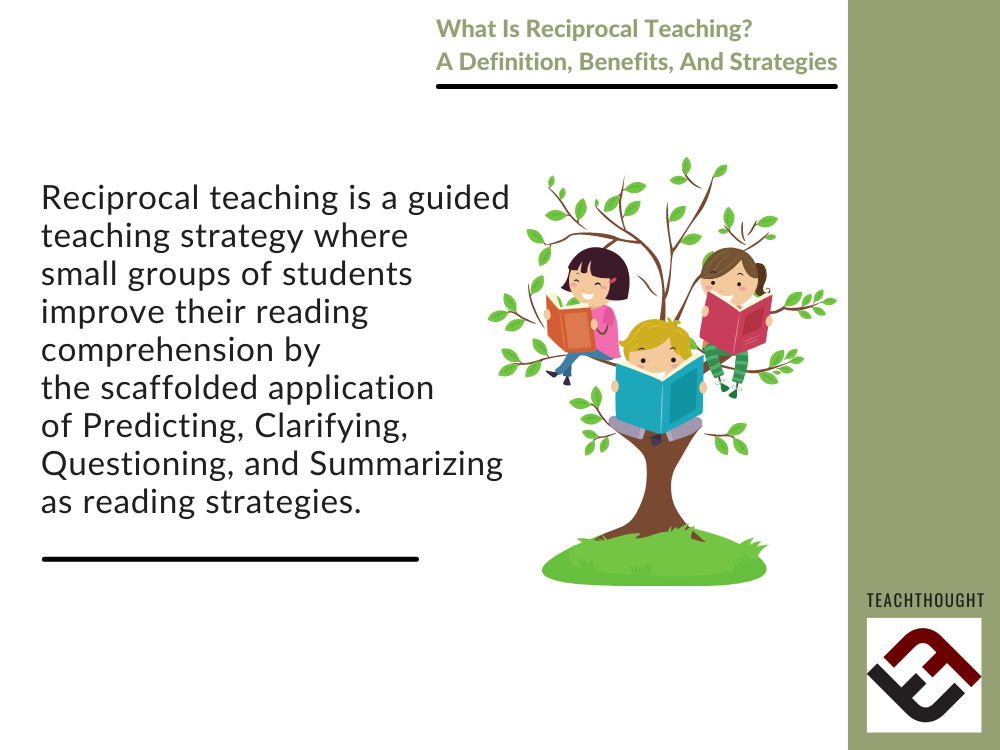
Reciprocal teaching is a teacher-guided strategy where small groups of students play specific roles in the comprehension of a text.
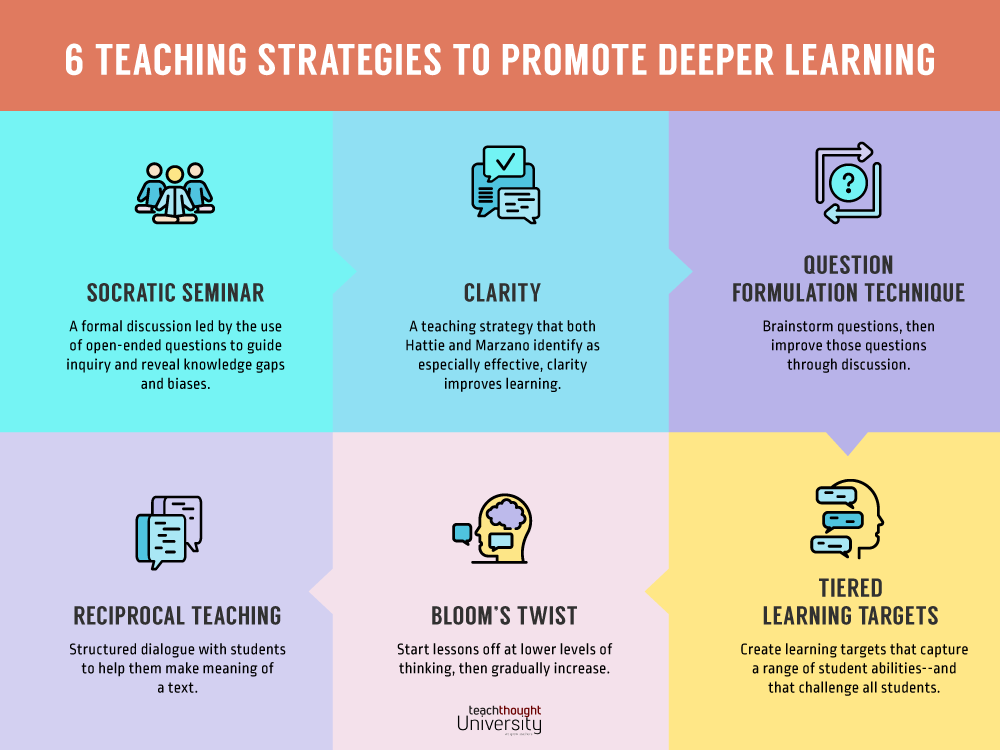
A teaching strategy is anything the teacher does to help students learn. From reciprocal teaching to clarity, here are 6 to get started.
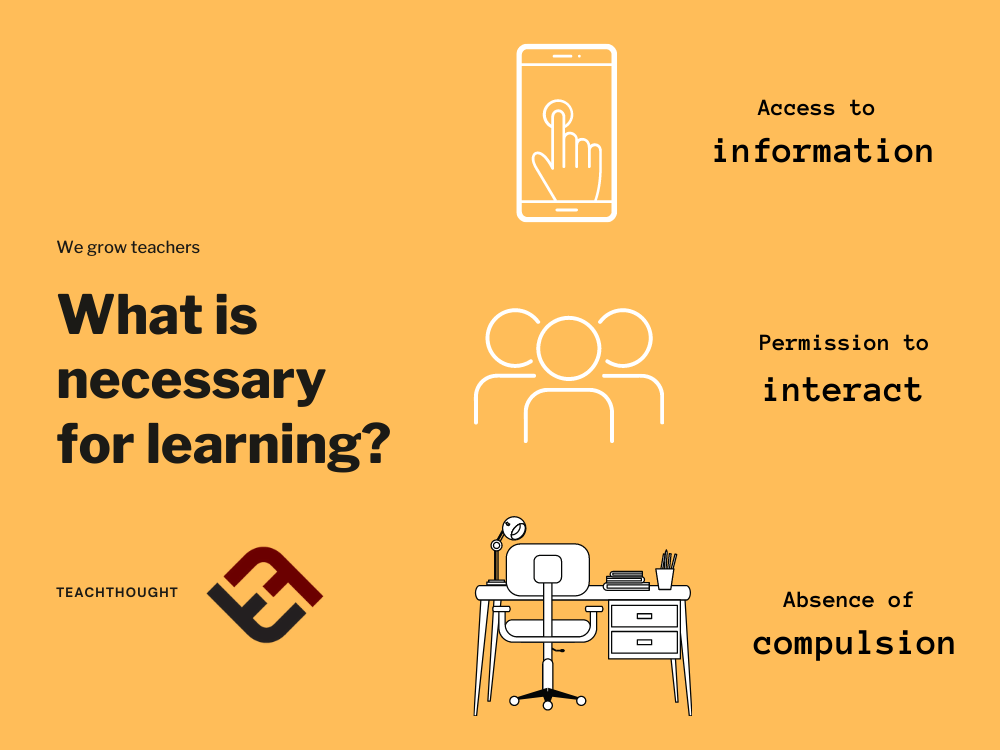
Sugata Mitra showed that children could learn complex tasks in the absence of formal training, spurred on by curiosity and peer interest.
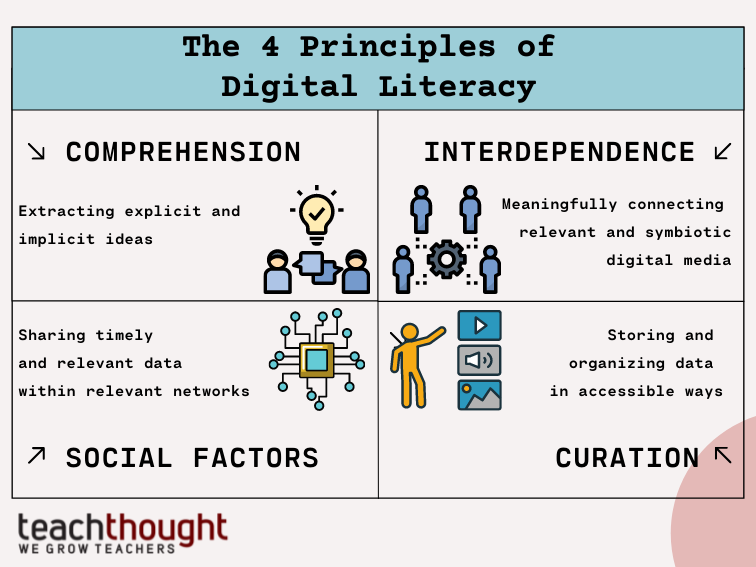
“Digital literacy is the ability to interpret and design nuanced communication across fluid digital forms.”
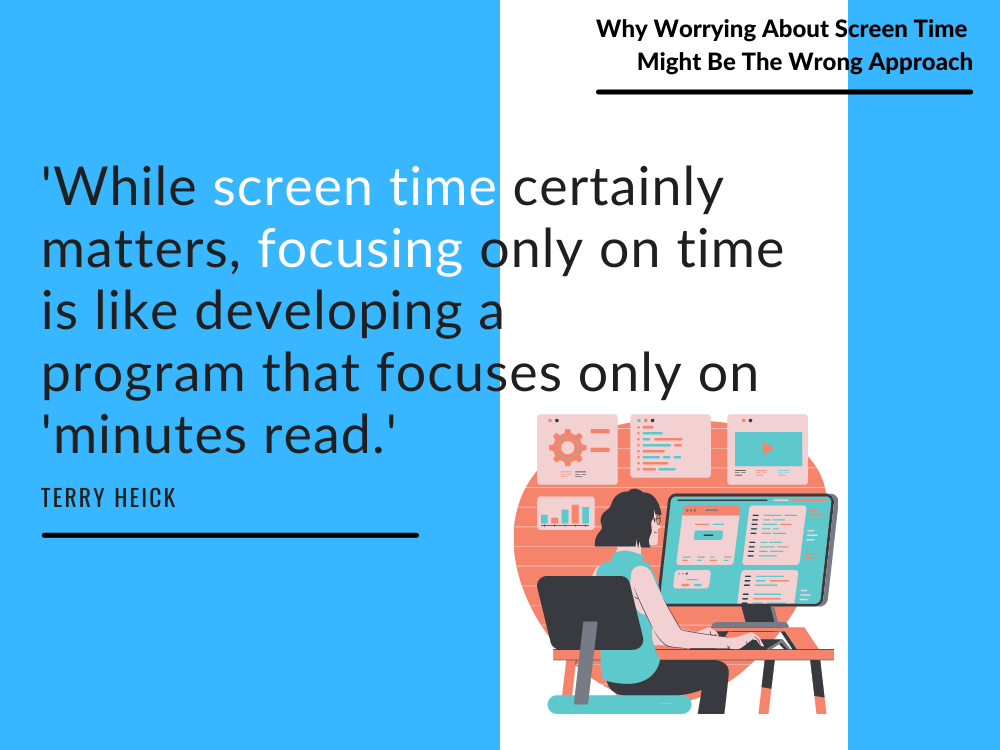
While screen time certainly matters, focusing only on time is like developing a literacy program that focuses only on ‘minutes read.’
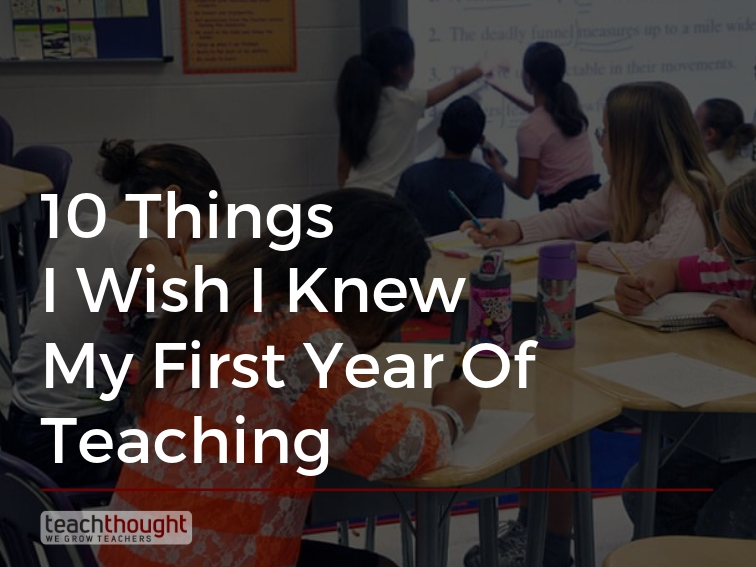
I learned that my classroom wasn’t *my* classroom. Rather, it was a learning space for children. The classroom belonged to them.
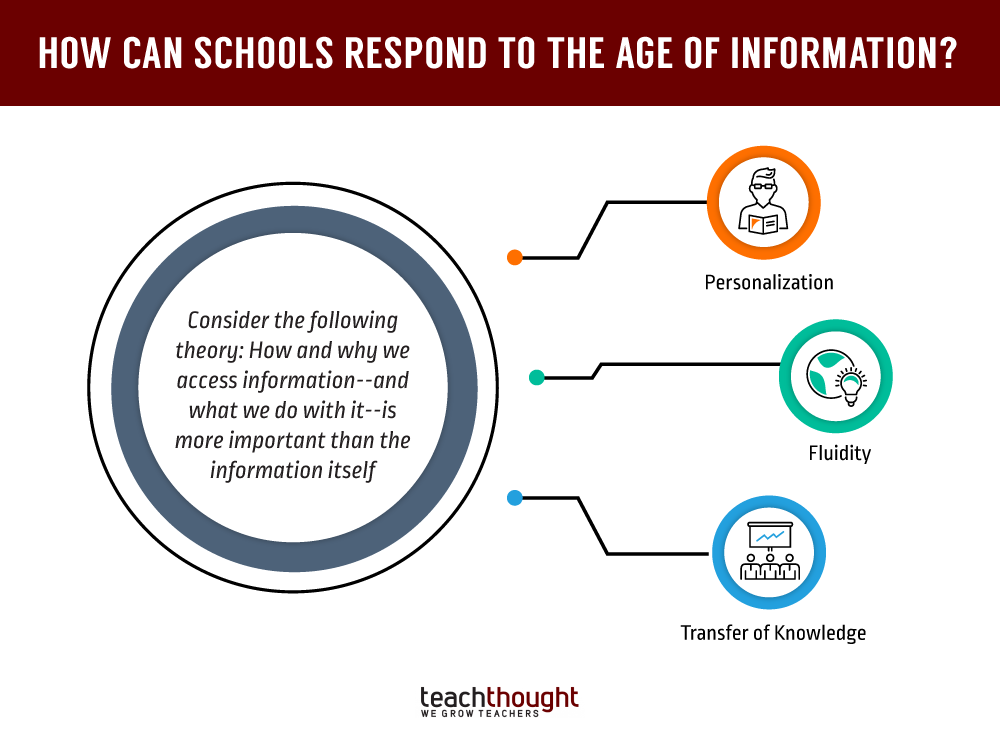
In the Age of Information, data has moved from singular places (here and there) to infinitely plural realities.
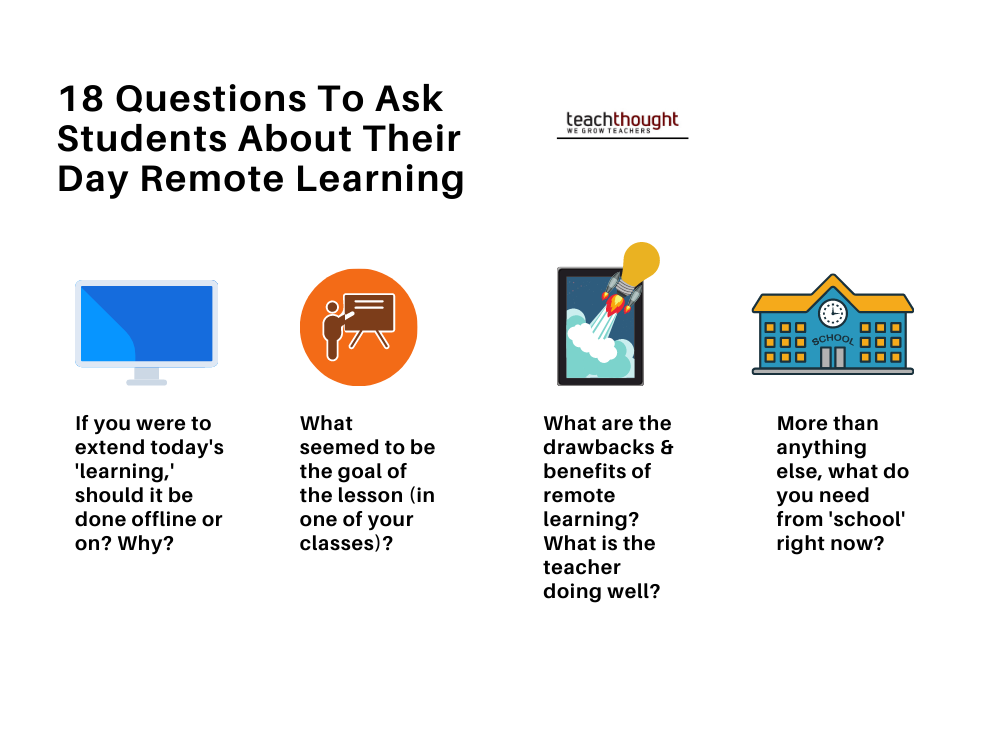
What kinds of questions to ask students support what they’ve learned remotely and enhance their ability to apply it?
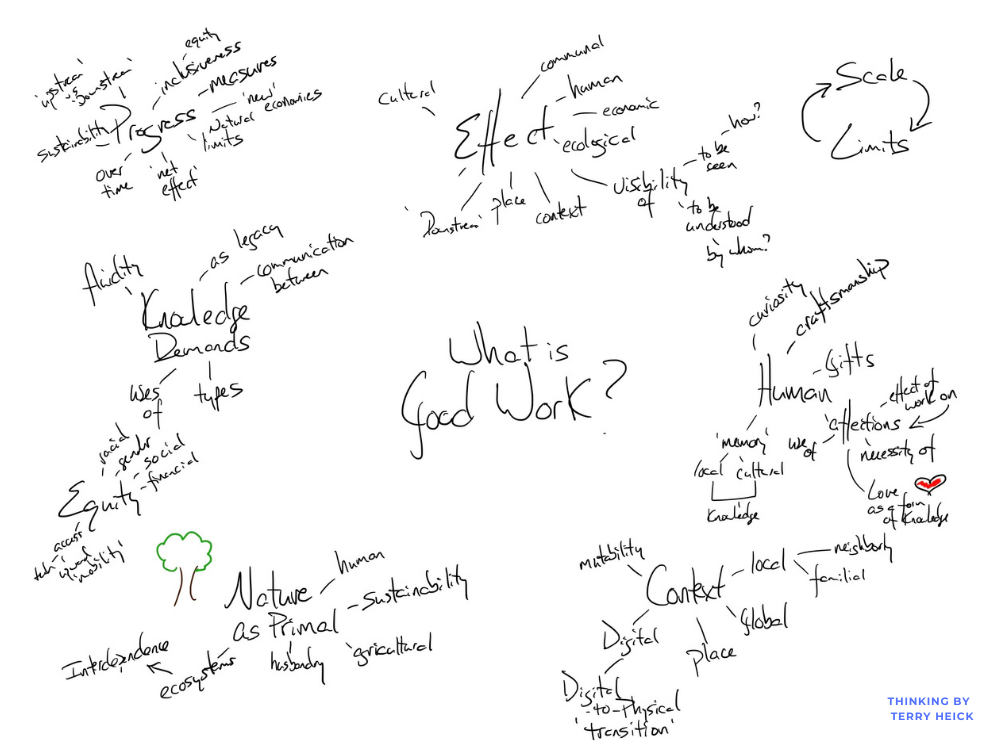
Good work is applying your affection, intellect, and specific ‘genius’ on people and places you depend on and that depend on you.
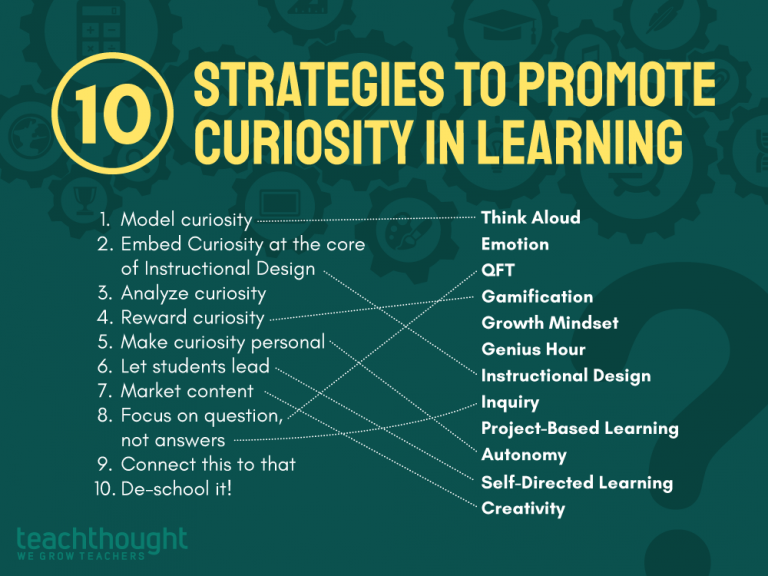
Questions are indicators of engagement and curiosity in learning. Just as usefully, they are evidence for what a student understands.

Anxiety is feeling like your skin is coursing with electricity, which creates this kind of heat over your skin. It smothers you.
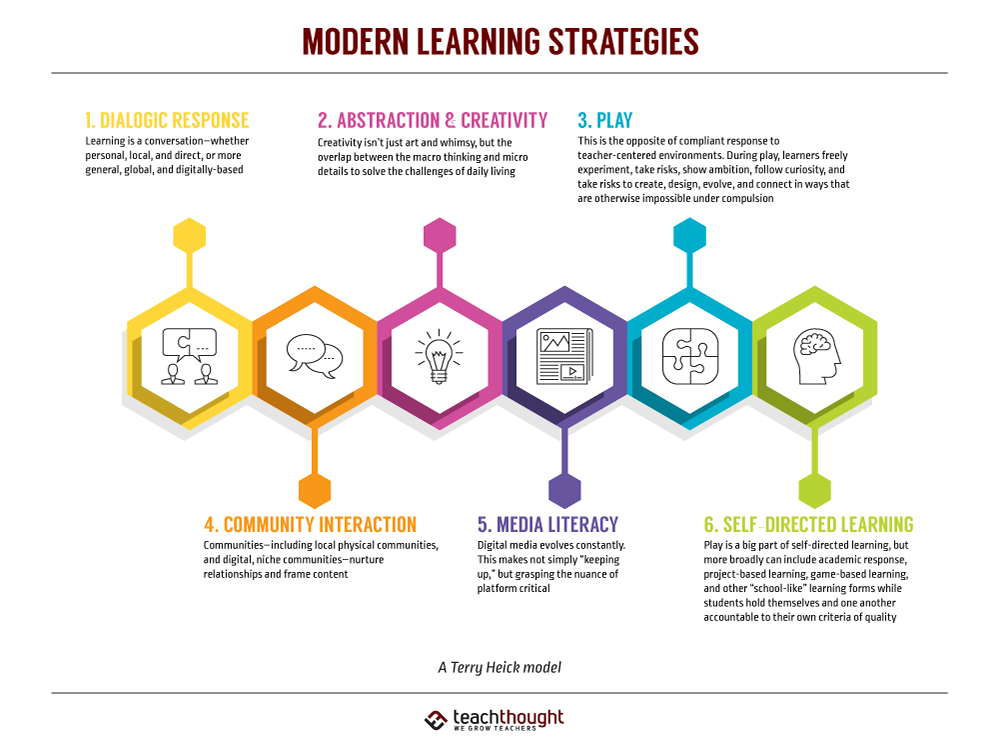
Learning channels’ refer to the unique pathways students most naturally–and powerfully–use to develop skills and understanding.