A Game To Help Students Understand The Maker Learning Process
This game can help students better understand the mindset, ethos, and process of maker learning in and out of the classroom.

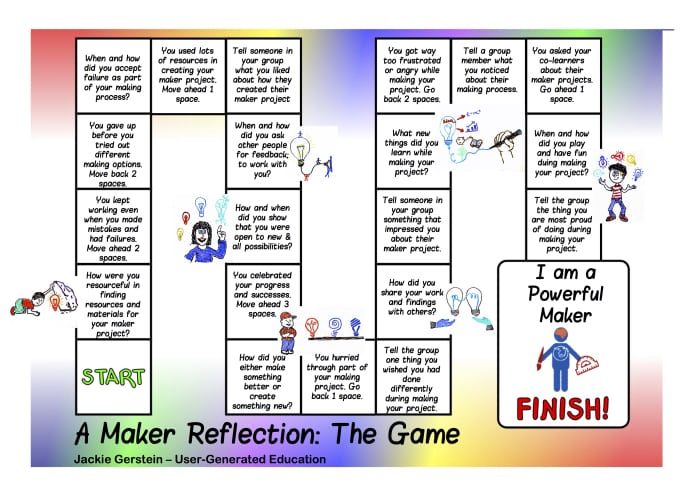
This game can help students better understand the mindset, ethos, and process of maker learning in and out of the classroom.
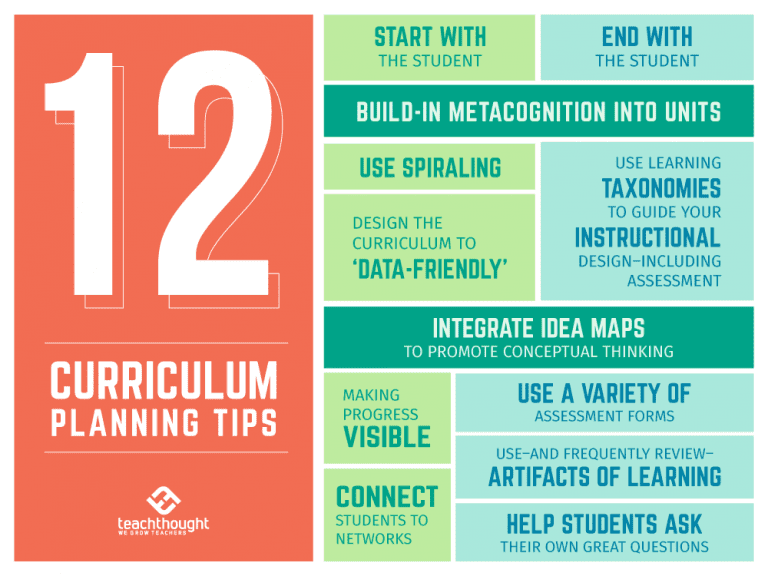
By exposing students to critical content over and over again in increasingly complex ways, spiraling is a flexible and potent curriculum mapping strategy.
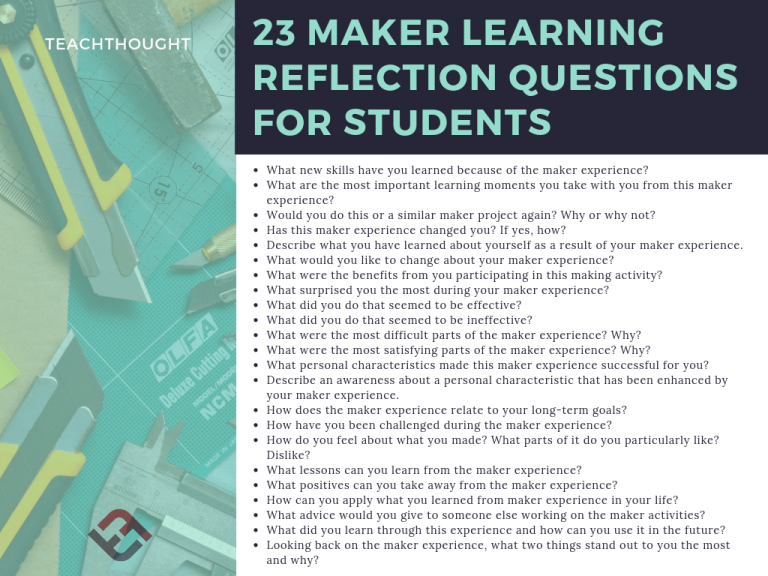
What new skills have you learned? Which existing skills did you practice? Which skills were most useful to you?
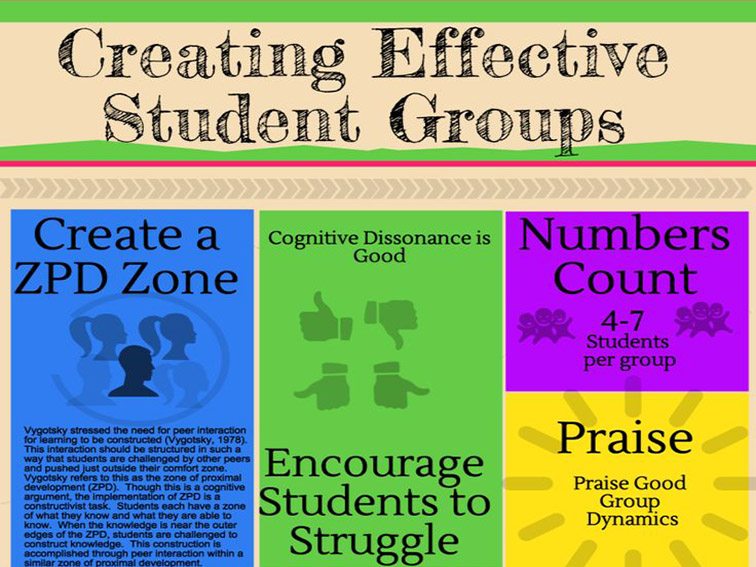
6 Tips For Creating Effective Student Groups by TeachThought Staff Grouping students is easy; creating effective student groups is less so. The following infographic from Mia MacMeekin seeks to provide some ideas to help make group work easier in your classroom. The strength of this particular graphic is in the range of the ideas. The first tip…
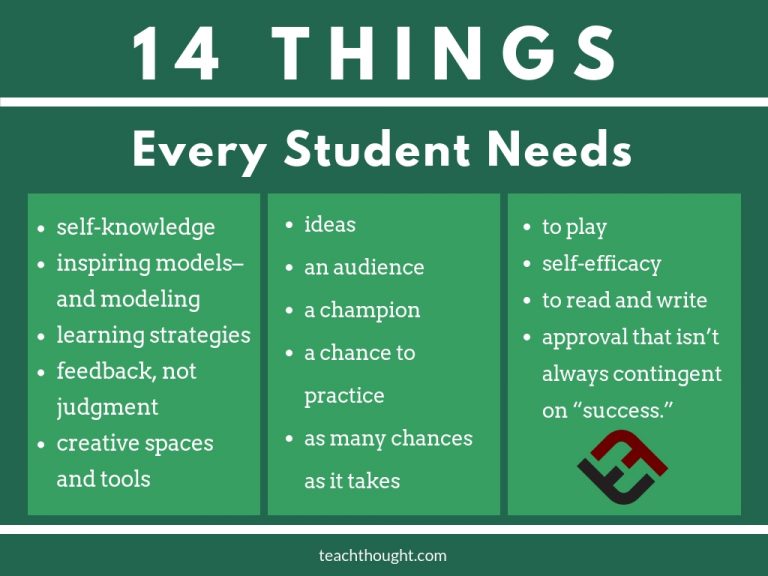
What does every single student need–absolutely, positively have to have–to succeed inside and outside of the classroom?
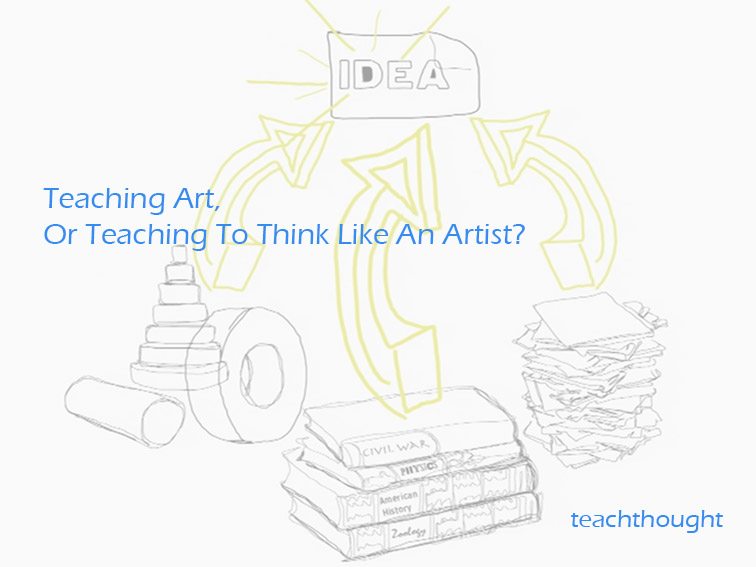
Should we teach content or thinking? Put another way, should we be teaching art or teaching students to think like artists?
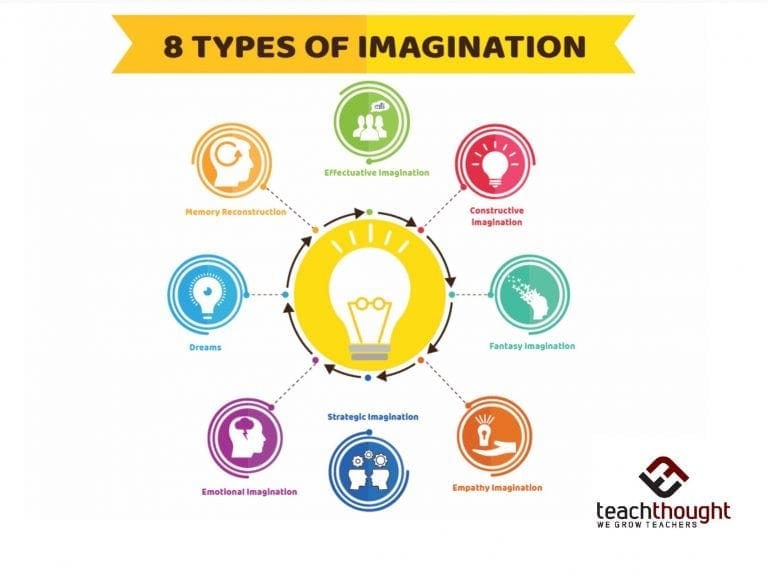
Here, Dr. Murray Hunter has offered eight types of imagination we use on a daily basis, from constructive to empathic and dreaming.
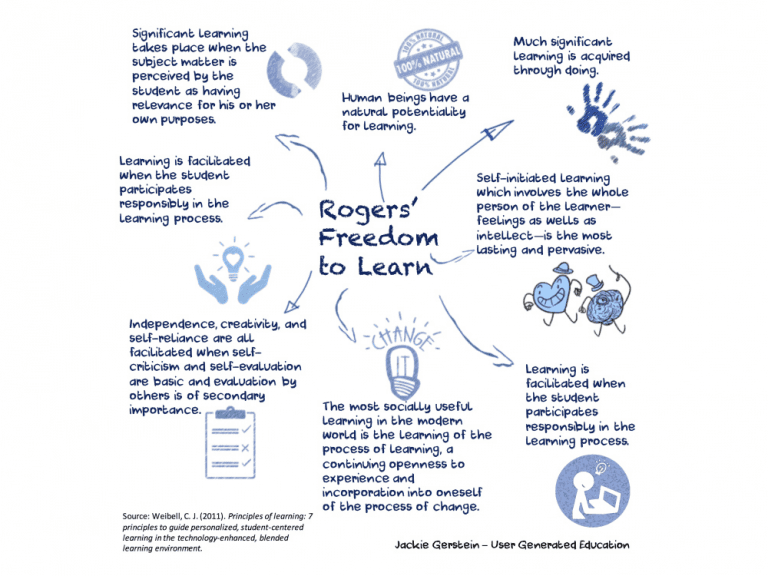
Rogers names five elements of experiential learning, including self-initiation, self-evaluation, and a meaningful essence.
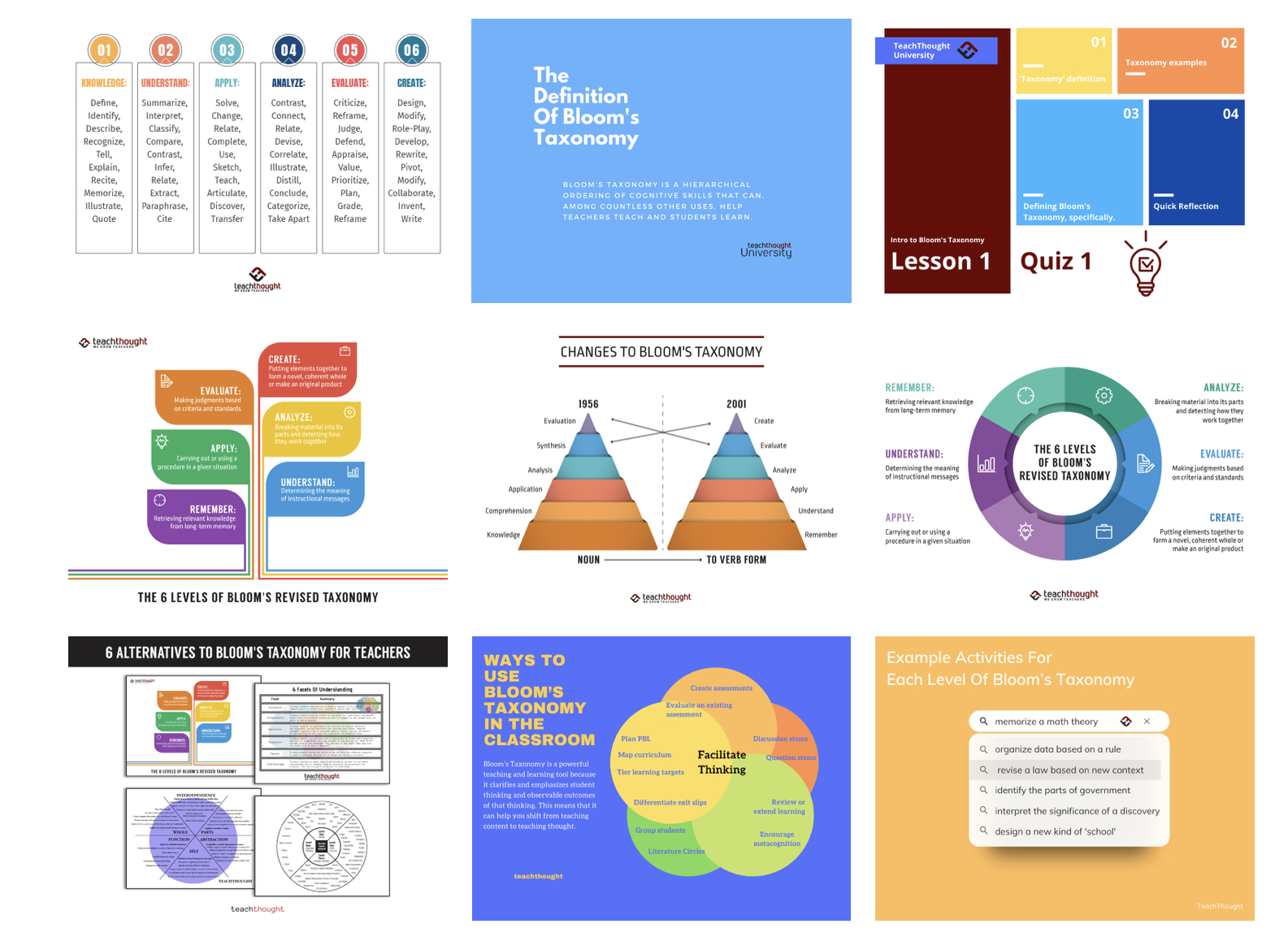
Bloom’s Taxonomy is a powerful teaching and learning tool that can help you shape nearly everything that happens in your classroom.
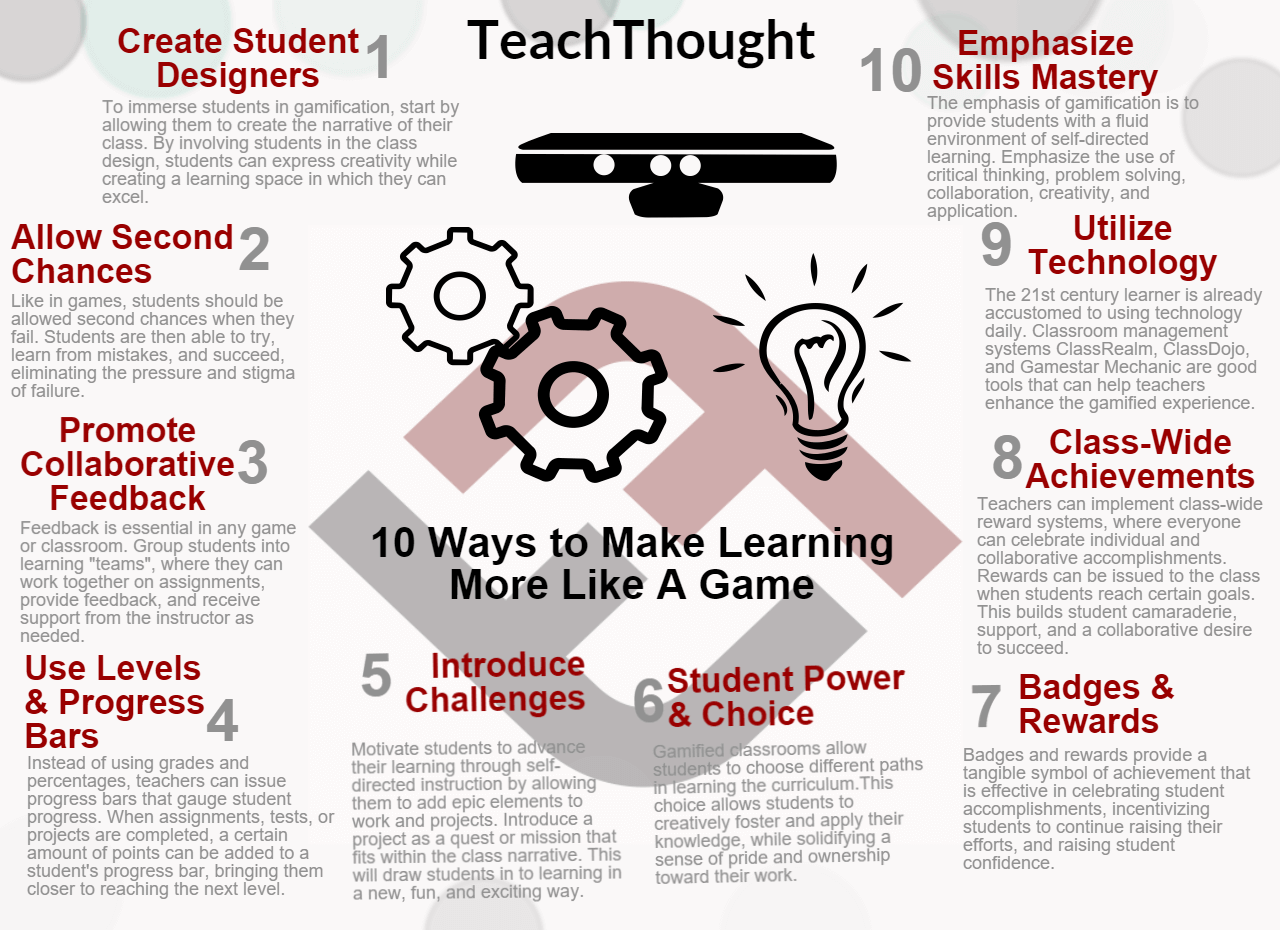
From using levels and and progress bars to badges and rewards, here are ten strategies to make learning feel more like a game.
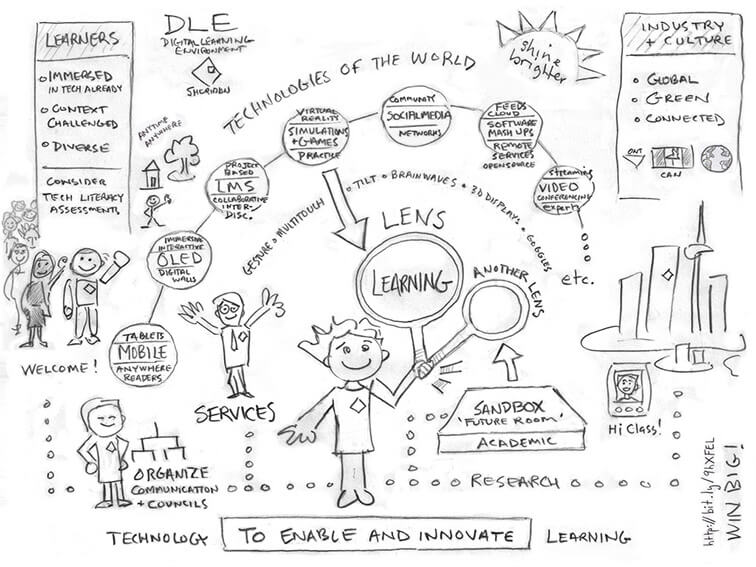
Advances in neuroscience & the capacity to investigate the functioning of the brain have really enabled us to see what happens when we learn.
ASMR is “Autonomous Soothing Meridian Response,’ and means being soothed by sounds and textures not generally considered soothing.
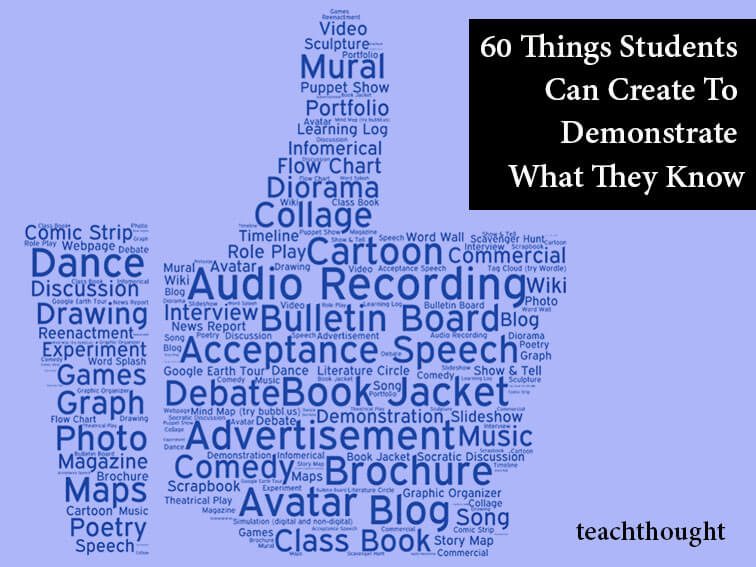
Students can express themselves and demonstrate knowledge in new ways. Here are 100 things they can create to show what they know.
The value of ‘place’ in learning lies in its context: People seek to know things in order to do them, and these things are done in a ‘place’.