On Student Engagement: How To Be As Interesting As A Video Game
One student engagement strategy is to offer diverse pathways through content–pathways students would have to ‘unlock’ to progress.


One student engagement strategy is to offer diverse pathways through content–pathways students would have to ‘unlock’ to progress.
You can’t keep feeding yourself the same things–the same ideas, forms, and perspectives–and expect to come up with something new.
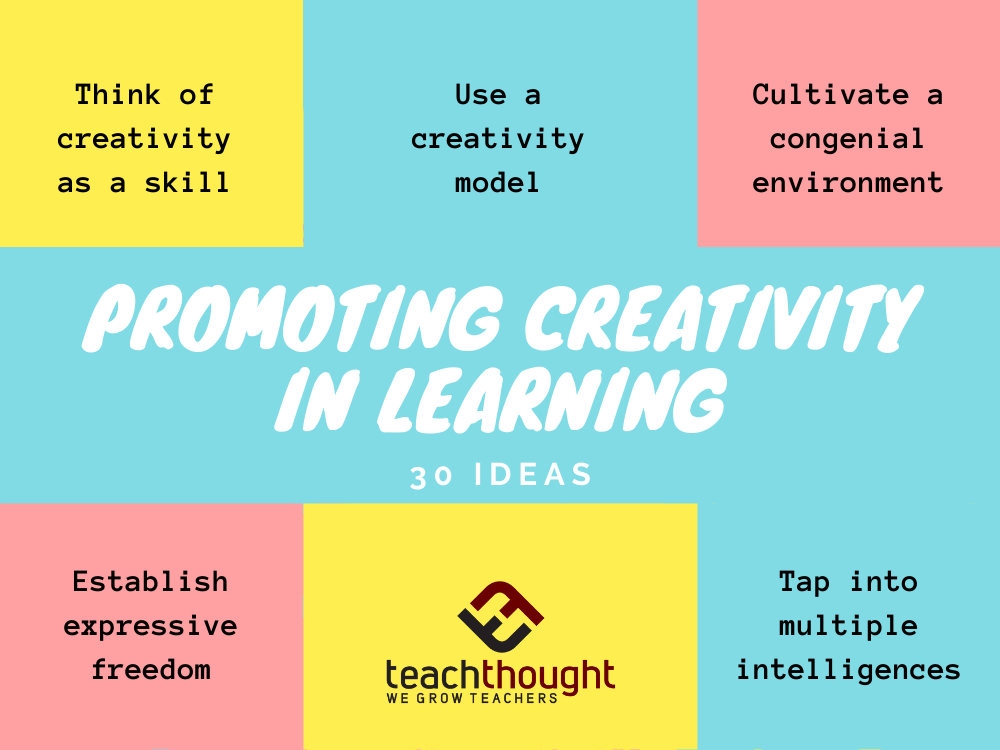
Here are 30 ideas to promote creativity in learning, including tapping into multiple intelligences and using emotional connections.
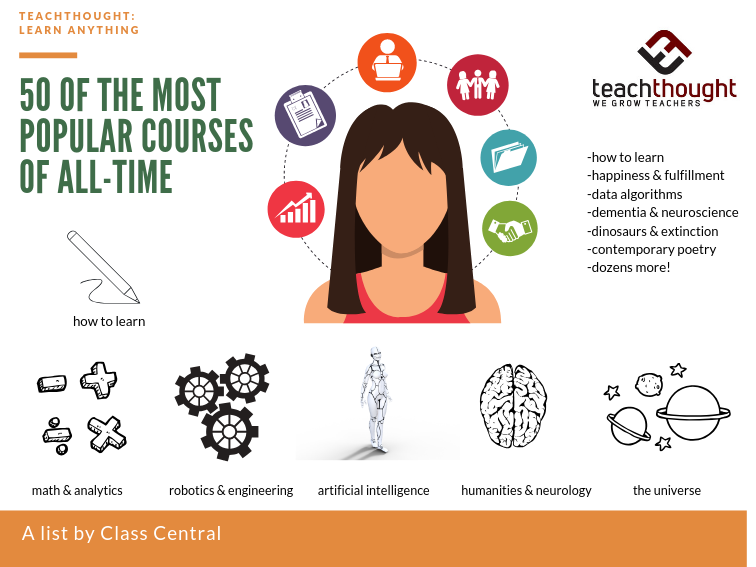
From nanotechnology to business principles and dementia to the science of the universe, here are 50 online courses to learn anything.
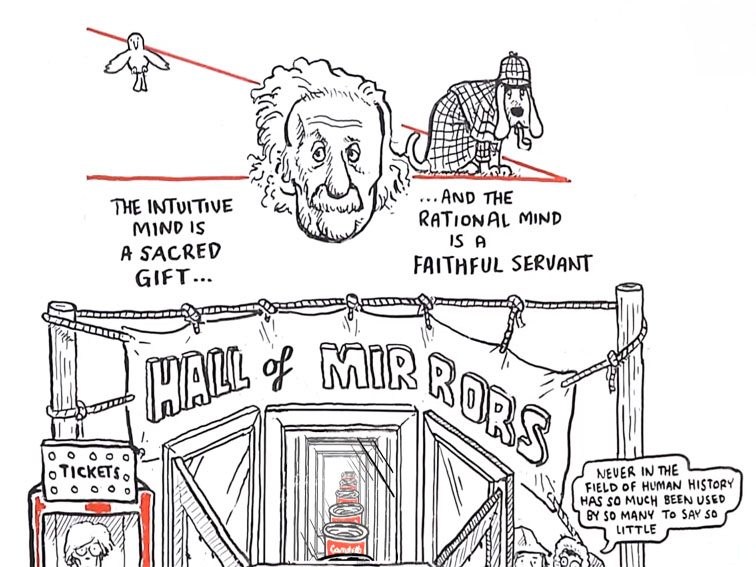
It is suggested that the brain does not have one learning system but four–each with its own unique memory pattern and accompaniments.
“Creativity is not the finding of a thing, but the making of something after it is found.” – James Russell Lowell
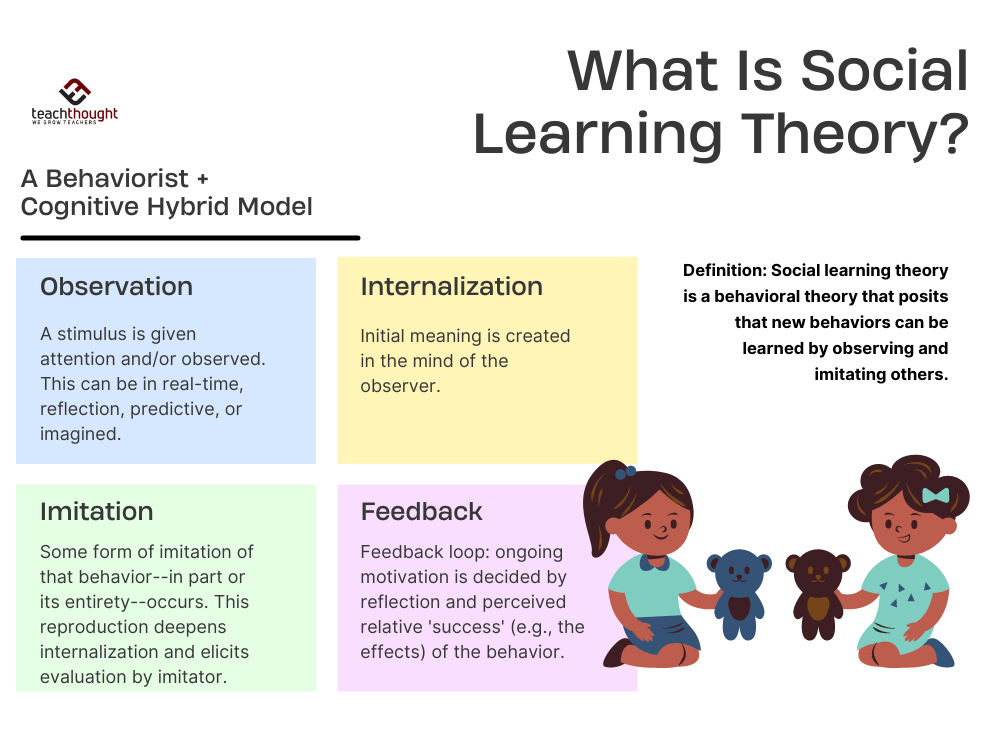
Social learning theory is a behavioral theory that posits that new behaviors can be learned by observing and imitating others.
Gamers often throw around ‘escapism’ when talking about their hobby, but this is a hollow explanation for what motivates us to play games.
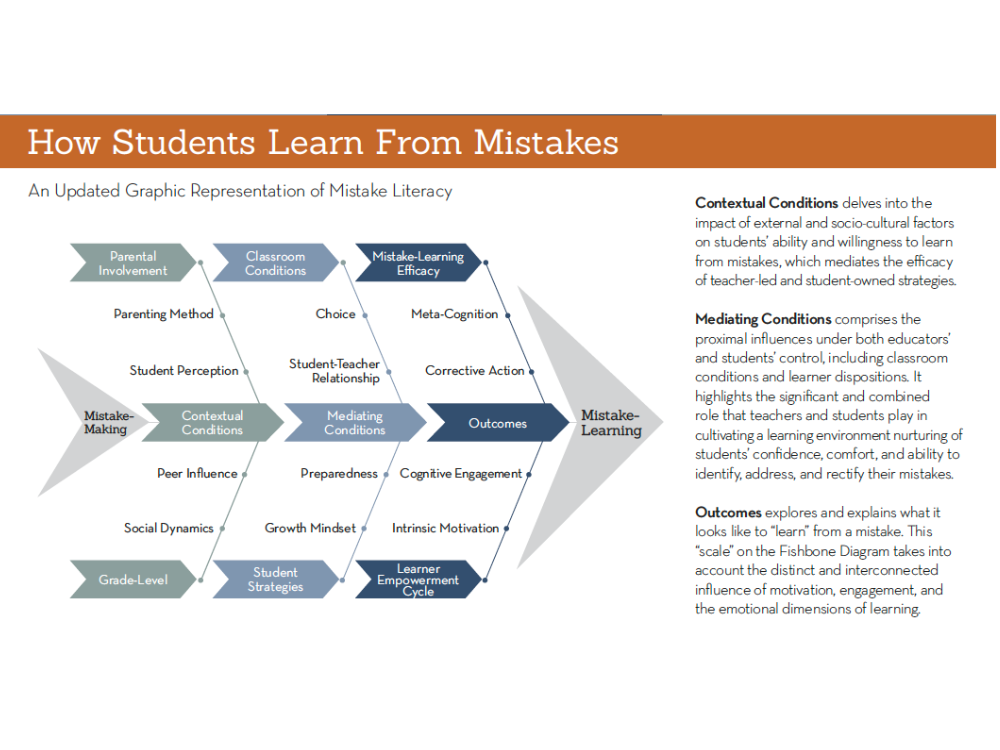
Though it is perhaps not intuitive, Richland et al. (2009) found that error generation is positively correlated to enhanced memory.
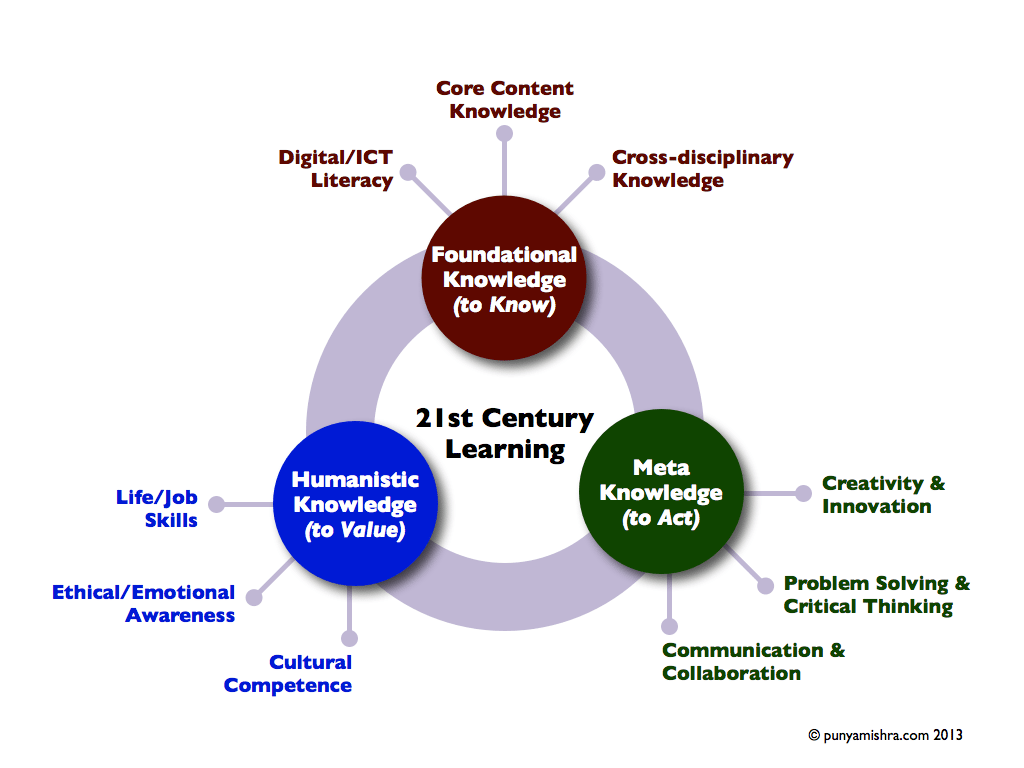
Humanistic knowledge focuses on studying human experiences, values, and cultures.
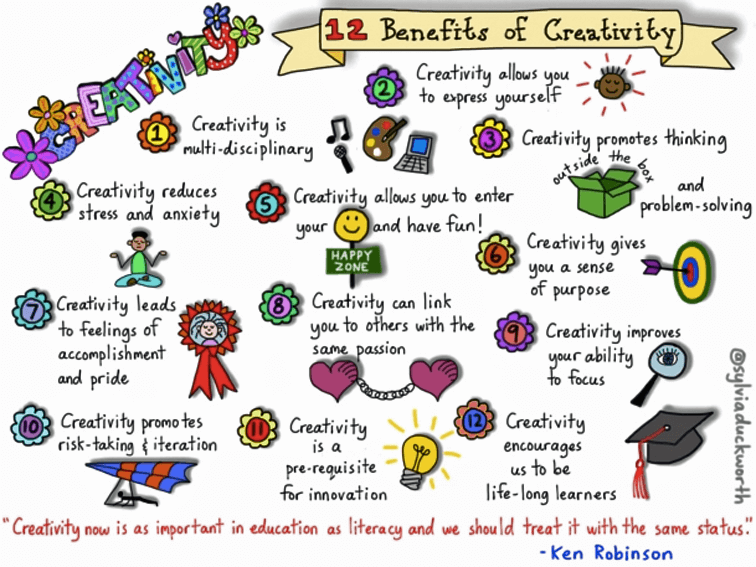
Creativity in the classroom is another form of play, and play is universally important to each individual’s sense of joy and well-being.
Ultimately, play offers three critical components for an engaged mind: independence, volition, and curiosity.
‘You aren’t learning anything when you’re talking.’ –Lyndon B. Johnson
Many educators have a mistaken view of the Bloom’s Taxonomy and the levels in it, as the following errors suggest.