Teacher Reader Responses, Vol. 1: On Literacy
We’re sharing the insightful, detailed, emotional, or otherwise compelling reader responses in some intermittent pattern.

We’re sharing the insightful, detailed, emotional, or otherwise compelling reader responses in some intermittent pattern.
What, in fact, do you do when you read challenging text? What do you do when you do not understand on first pass?
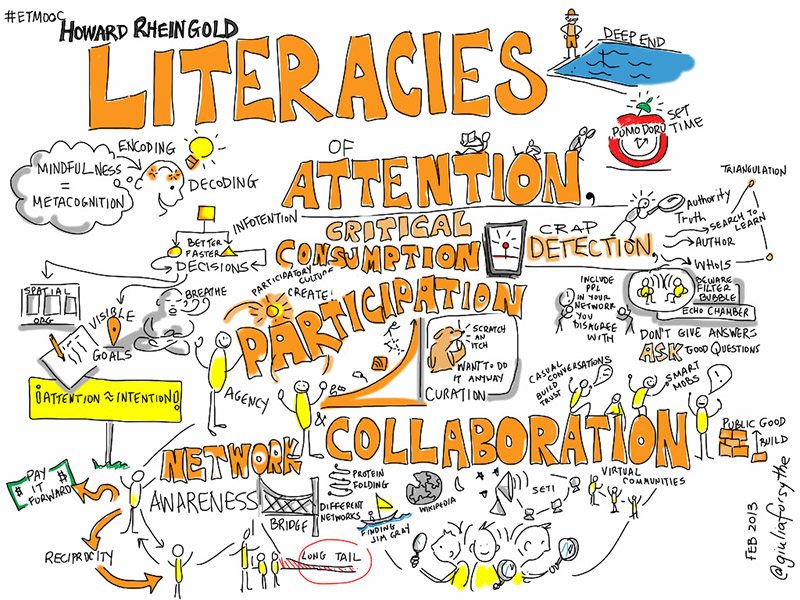
Perhaps it’s time to explore a radical but common sense notion: maybe we don’t understand how reading comprehension develops over time.
Editing Robert Burns For The 21st Century contributed by Dr. Pauline Mackay, Lecturer in Robert Burns Studies, University of Glasgow Here at the University of Glasgow’s Centre for Robert Burns Studies, we are undertaking a major project to edit Robert Burns’s works for the 21st Century. Funded by the Arts and Humanities Research Council and led by…
Students are conditioned to believe that someone beyond their family or teacher will be automatically and genuinely interested in their ideas.
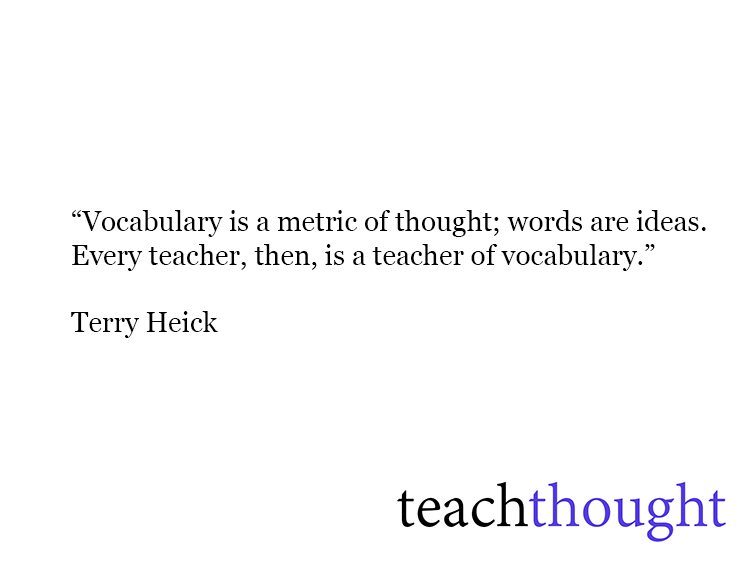
Vocabulary is a matter of meaning and degrees of meaning, which means it cannot be the ‘job’ of a single content area or teacher.
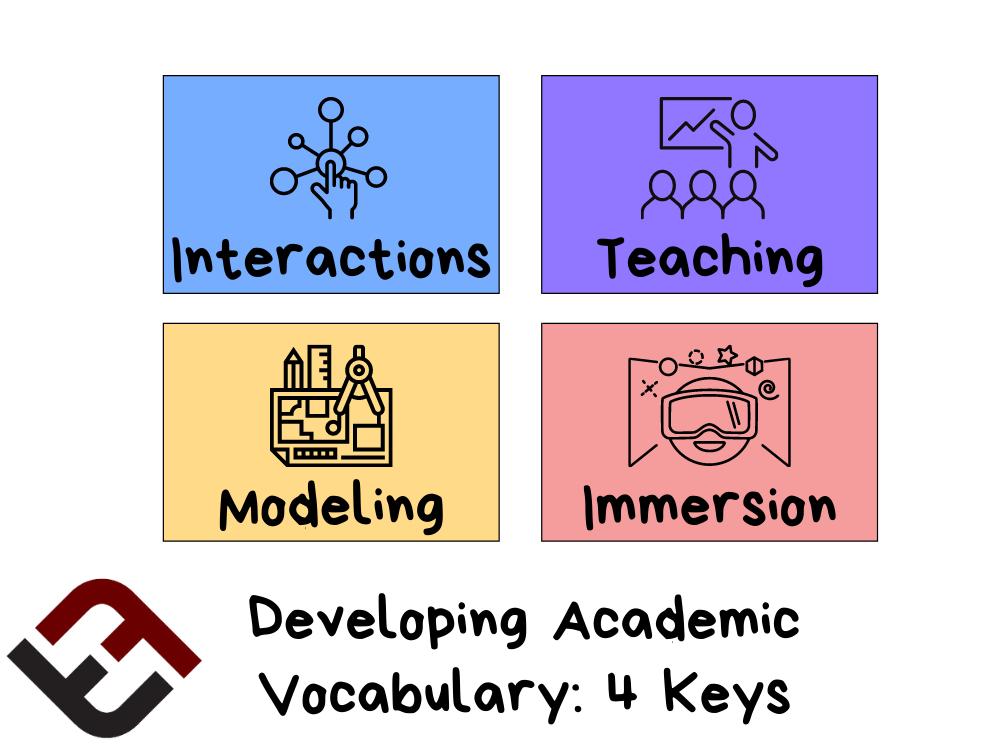
Direct Instruction, Modeling, Immersion, and Varied Interactions are four of the many keys to developing academic vocabulary in students.
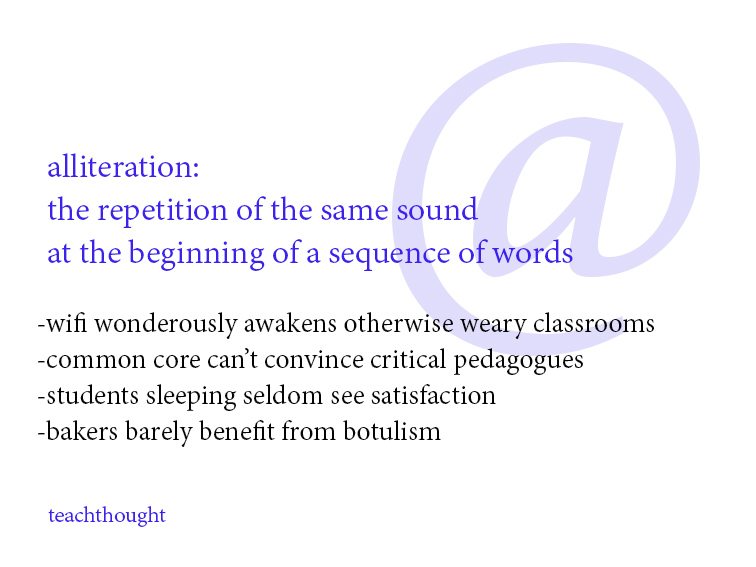
Alliteration is the repetition of the same sound at the beginning of a sequence of words: Sally and her seashells, Peter and his peppers.
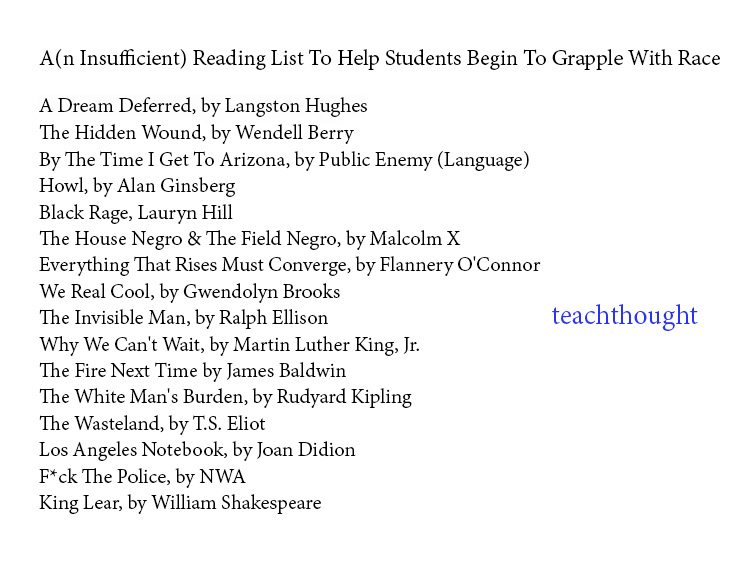
I thought it might be useful to share a reading list that might help students begin to grapple and make sense of race relations in the US.
contributed by Erik Palmer “I just watched our seniors present their capstone projects. They were unimpressive presentations, to say the least. Frankly, I’m worried that they make our school look bad.” Those were the words of the president of a small university when he called to ask me to work with his faculty. The seniors…
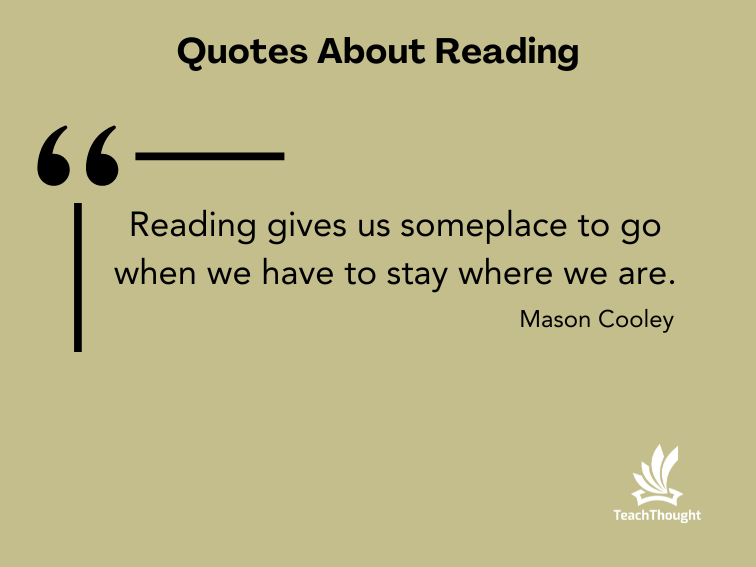
contributed by Judy Willis M.D., M.Ed. Using your child’s interests, strengths, and talents you can connect them to reading they enjoy as they simultaneously build their reading skills. Their increased reading skill will result in more satisfying reading experiences. In short, as literacy levels increase, so does the pleasure of reading. But this can go the other…
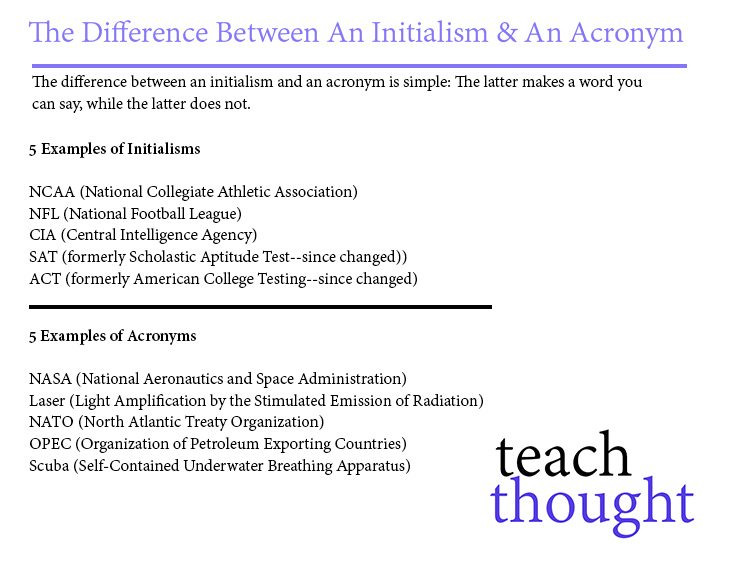
What Is The Difference Between An Initialism And An Acronym? Initialisms and an acronyms are often confused, not so much that one is mistaken for another, but rather that initialisms aren’t usually named at all. To many, every series of letters (that function as initials) are called “acronyms.” The distinction, while primarily an academic distinction,…

Middle school students are an interesting bunch of emerging identities, and a varied assortment of readiness, knowledge, and maturity.

As we think about how reading habits change & how to support students in print & digital spaces, I hope you’ll model reading practices.