Alternatives To ‘How Was School?”
“What did you learn in school today?” It’s easy to resort to cliches when talking to kids about school. Here are some alternatives.
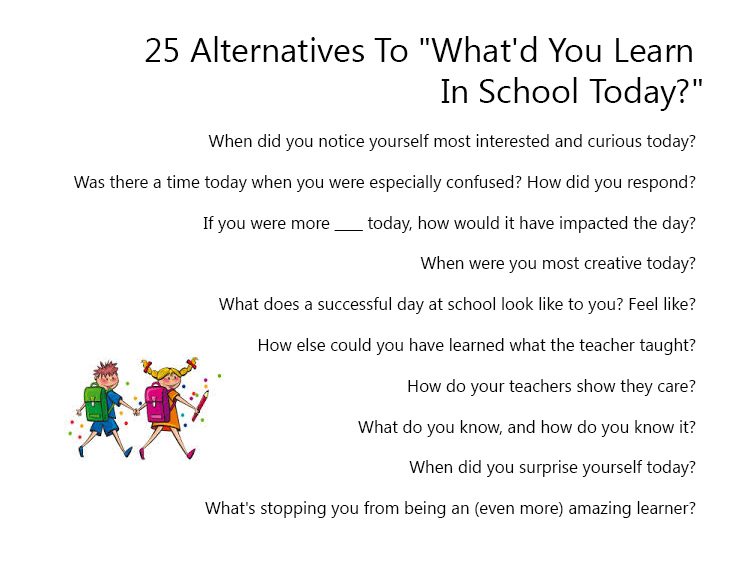
“What did you learn in school today?” It’s easy to resort to cliches when talking to kids about school. Here are some alternatives.

Reliable ways to refocus students and begin instruction smoothly. Calm attention cues, transparent routines, and grade-band examples teachers can use right away.
These are some of the best motivational videos for students to help with mindset and perspective–seeing the commonality in human experience.
The need to be rational collides with the enormous complexity and scale of the circumstances teachers face.
These 32 research-based instructional strategies include Setting Objectives and Reinforcing Effort/Providing Recognition.
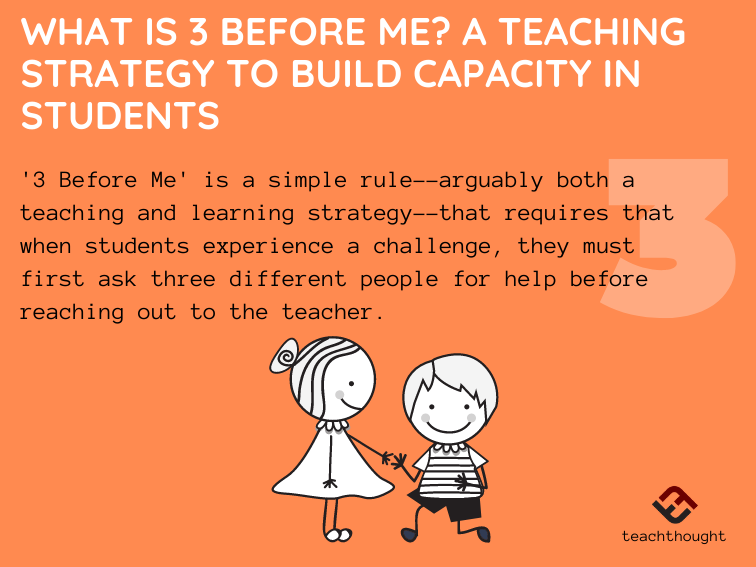
‘3 Before Me’ requires that when students are stuck, they must first try to solve the problem in 3 different ways before asking the teacher.
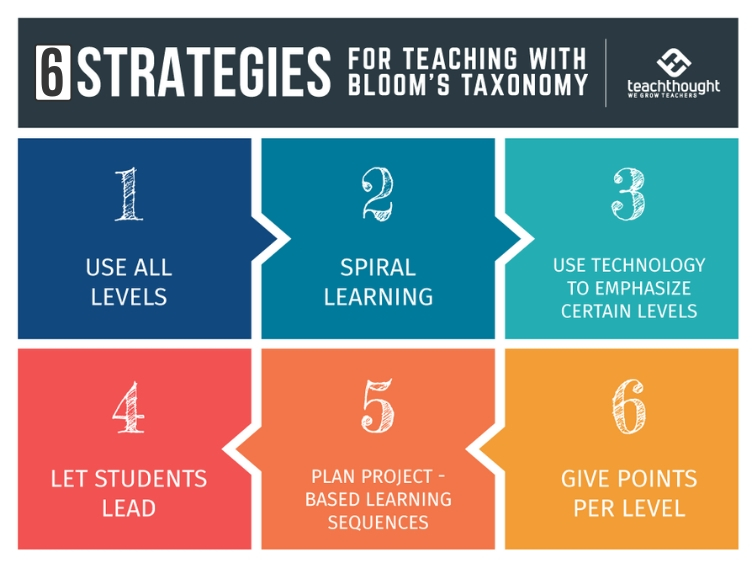
Bloom’s Spiraling is the process of starting first at lower levels of Bloom’s–recalling, defining, explaining, etc.–and then progressively increasing the level of thinking.
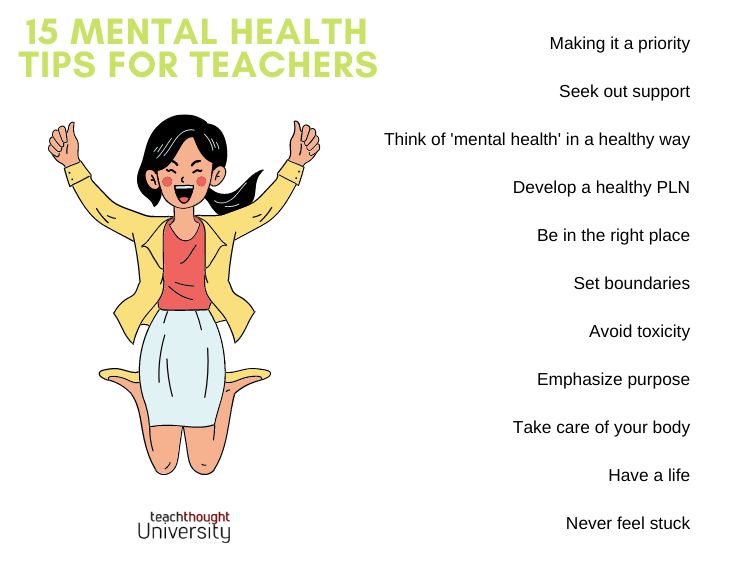
One mental health tip for teachers? As much as possible, set clear boundaries between school and home life.
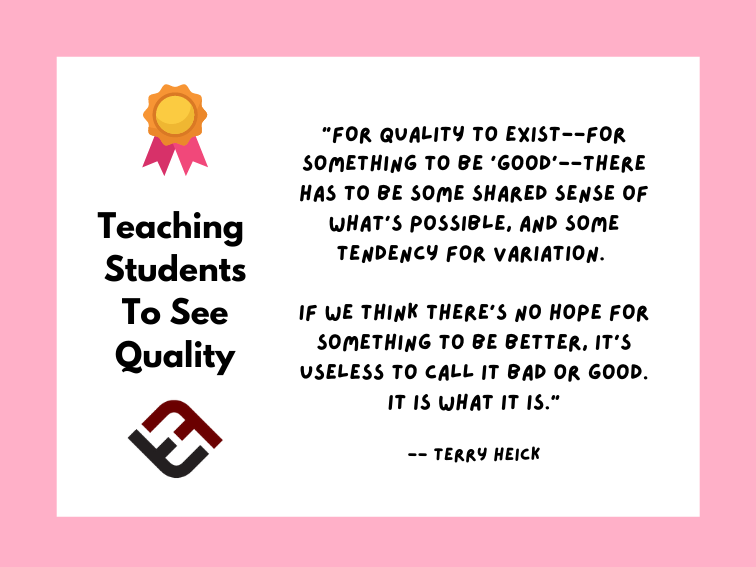
So what does quality have to do with learning? Quite a bit, it turns out. And it starts out with helping students understand what it means.

After researching, this stage of the inquiry process is centered around students clarifying both their own thinking.
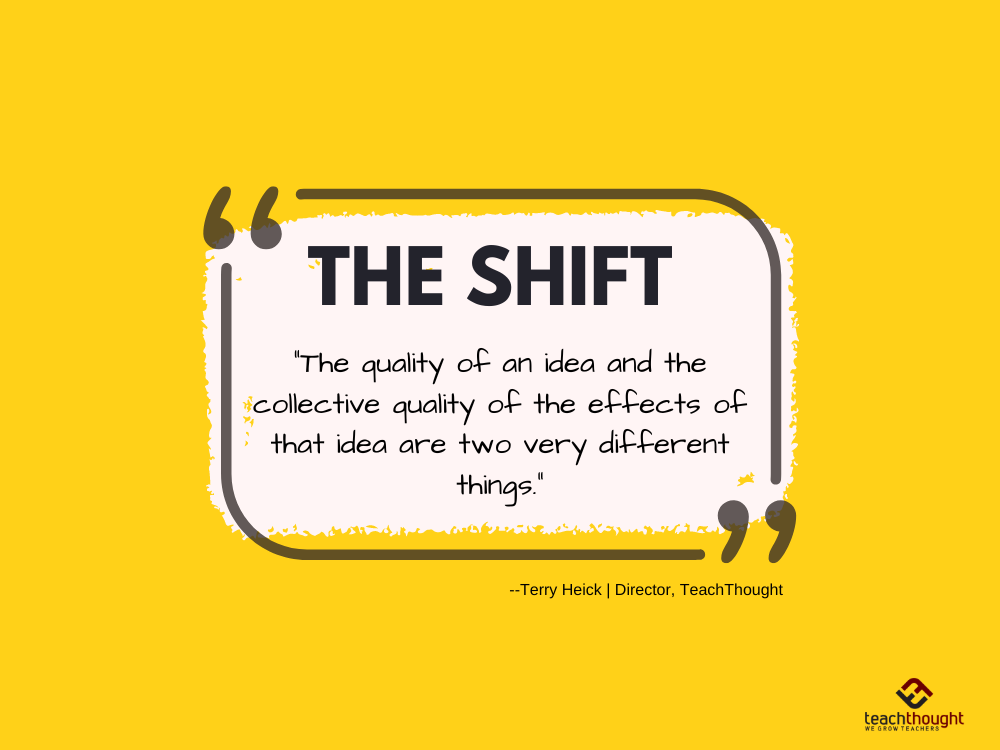
Social-Emotional Teaching is every bit as important as Social-Emotional Learning. Teaching matters and teachers matter
Written by parents, CEOs, teachers, and admin, these best of the best education blogs stand out with their unique style & excellent content.
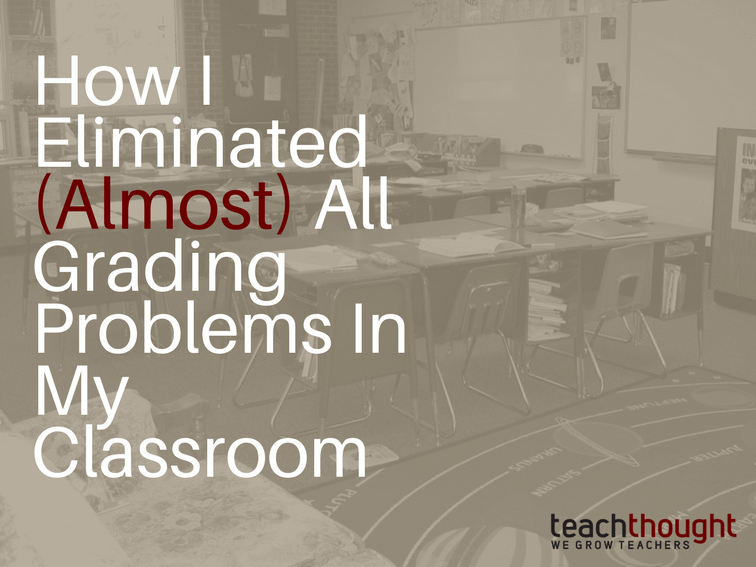
Grading problems still surfaced, but with a system in place, it was easier to identify what went wrong and communicate why to students.
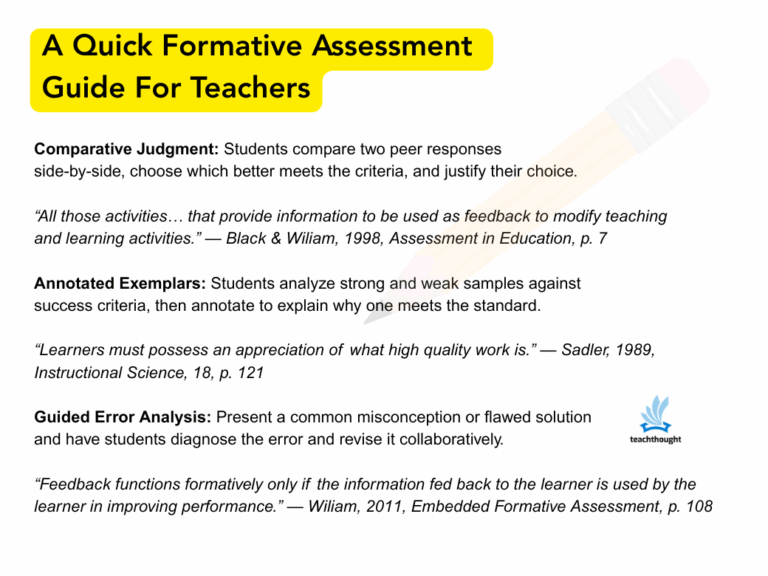
A guide for Formative Assessment: A clear definition, classroom strategies, benefits for using it in the classroom.