What It Means To Be A Reflective Teacher
Reflection is a fundamental tenet of learning; and therefore, a fundamental part of teaching. Here’s what it means to be a reflective teacher.

Reflection is a fundamental tenet of learning; and therefore, a fundamental part of teaching. Here’s what it means to be a reflective teacher.
‘Education is not the filling of a pot but the lighting of a fire.’ –W.B. Yeats
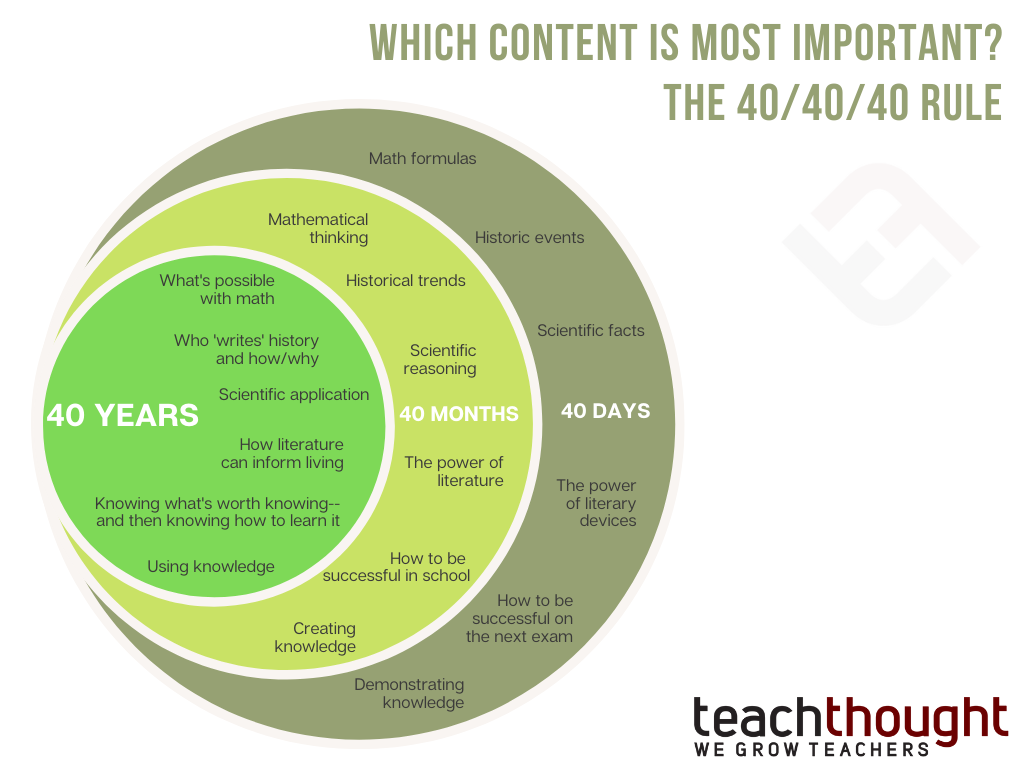
The 40/40/40 rule: What’s important that students understand for the next 40 days, for the next 40 months, for the next 40 years?
It saddens me that the conversation has turned to unions and stress-related health sabbaticals for many teachers.
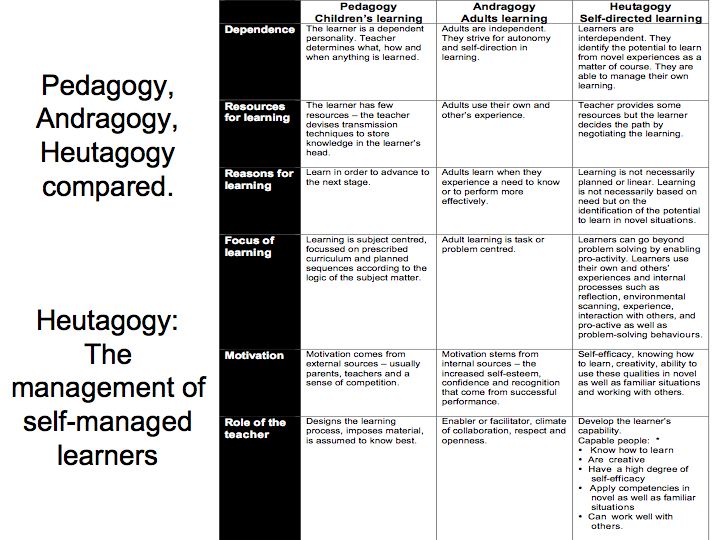
The difference between pedagogy, andragogy, and heutagogy has to do with purposes and roles–being taught or teaching yourself.
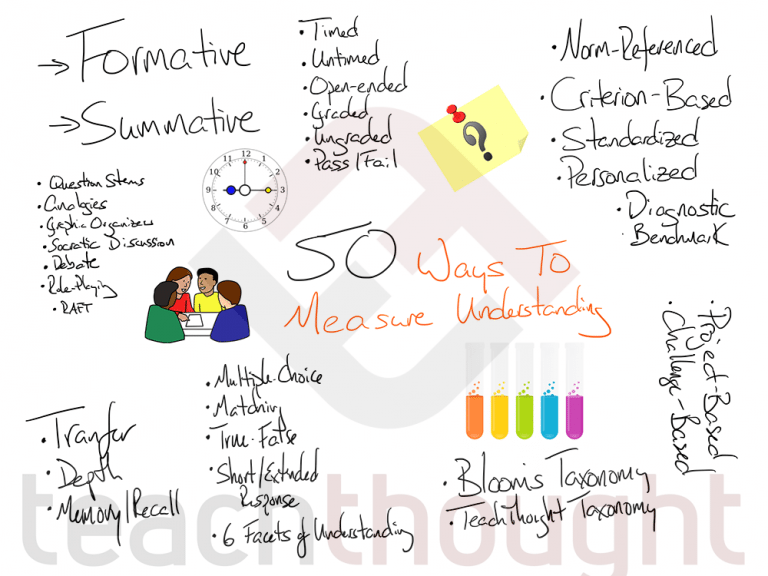
It’s difficult to teach if it’s unclear what students actually understand–and multiple-choice tests aren’t enough. Here are 50 alternatives.

Examples of quality rubrics and scoring guides aren’t as easy to find as you’d think.

I’d be a little disappointed if the most enduring impression of a student’s time in my classroom was a mental image of me.
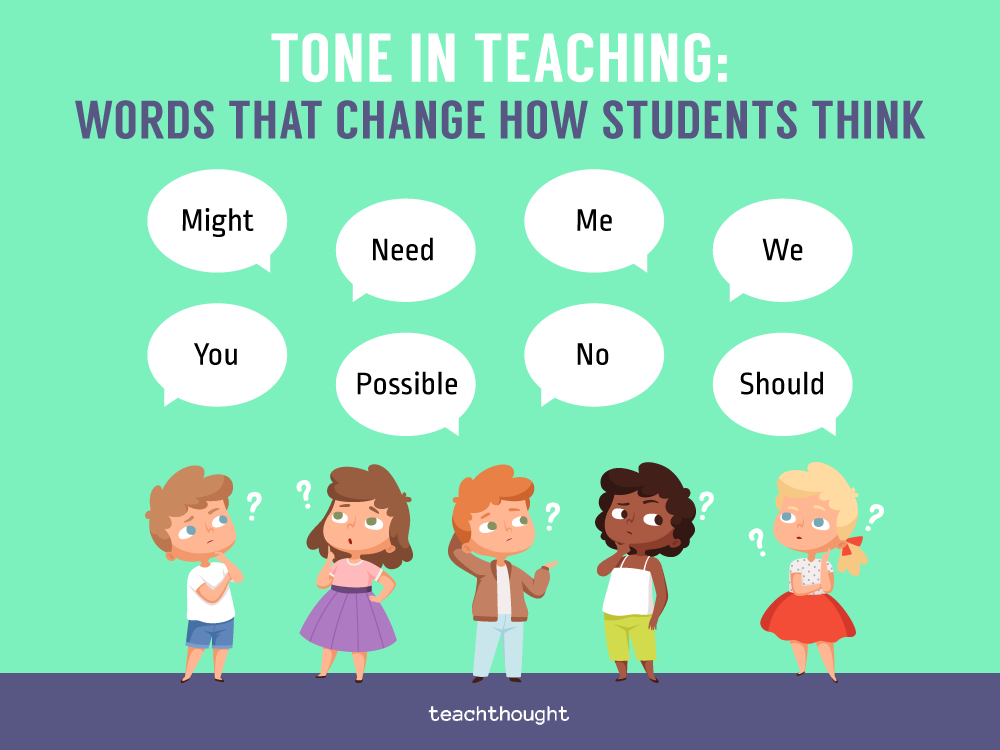
Tone affects how students see themselves and their role in the learning process. The words you use can have a lasting impact.

Teachers may spend their days imparting knowledge to others, but that doesn’t mean they should stop learning themselves.
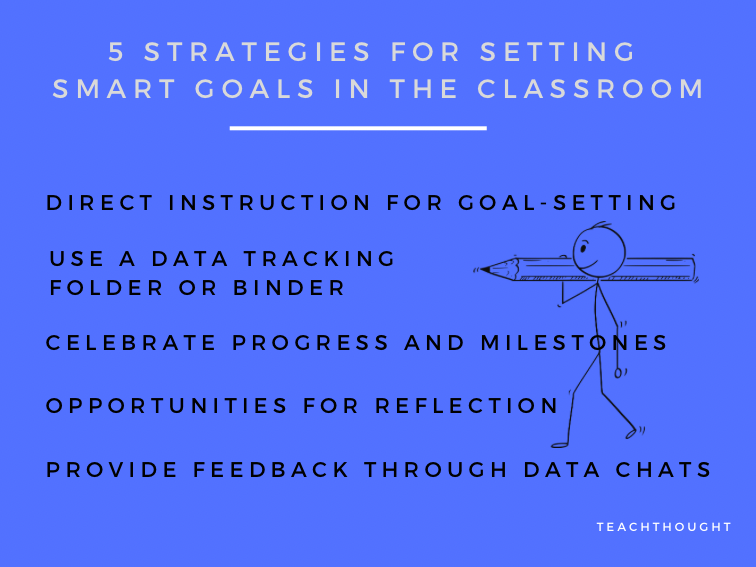
By setting SMART goals, students and teachers can determine action steps to help them achieve their goals.
You are handed a classroom full of students who are excited to be back but not so enthusiastic to study. This is an opportunity!

Team-Building games for the first day of school include Green Door, I never…, Me too!, Fact or Fiction, and Count to Ten.
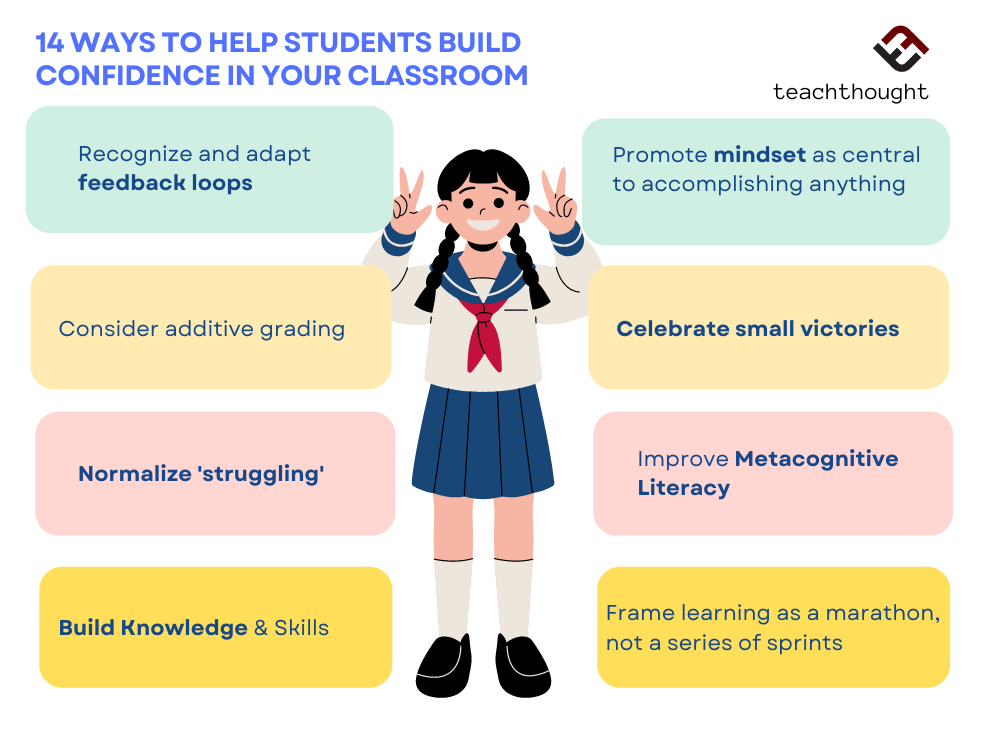
‘Believing in students’ isn’t enough–they have to have sufficient knowledge or experience with ideas and skills to ‘do well in school.’