The Benefits Of Meditation In The Classroom
Benefits of meditation in the classroom include reduced stress, improved concentration, and emotional regulation.

Benefits of meditation in the classroom include reduced stress, improved concentration, and emotional regulation.
In this example of rigor-based differentiation, notice how the students’ results are similar, but the process and scaffolding are different.
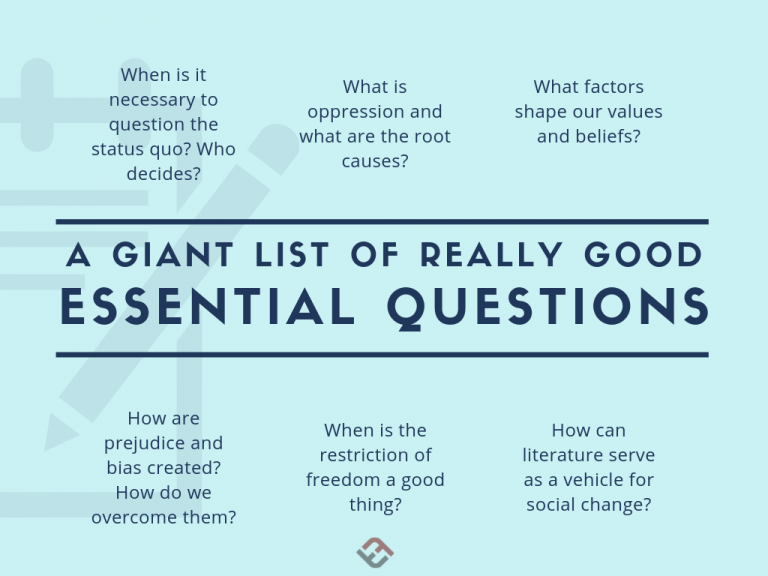
Essential Questions are thought-provoking and open-ended questions that serve as the core of a lesson or unit in a curriculum.
If we truly want a better world, we can’t continue to mirror the worst parts of that world into our classrooms.
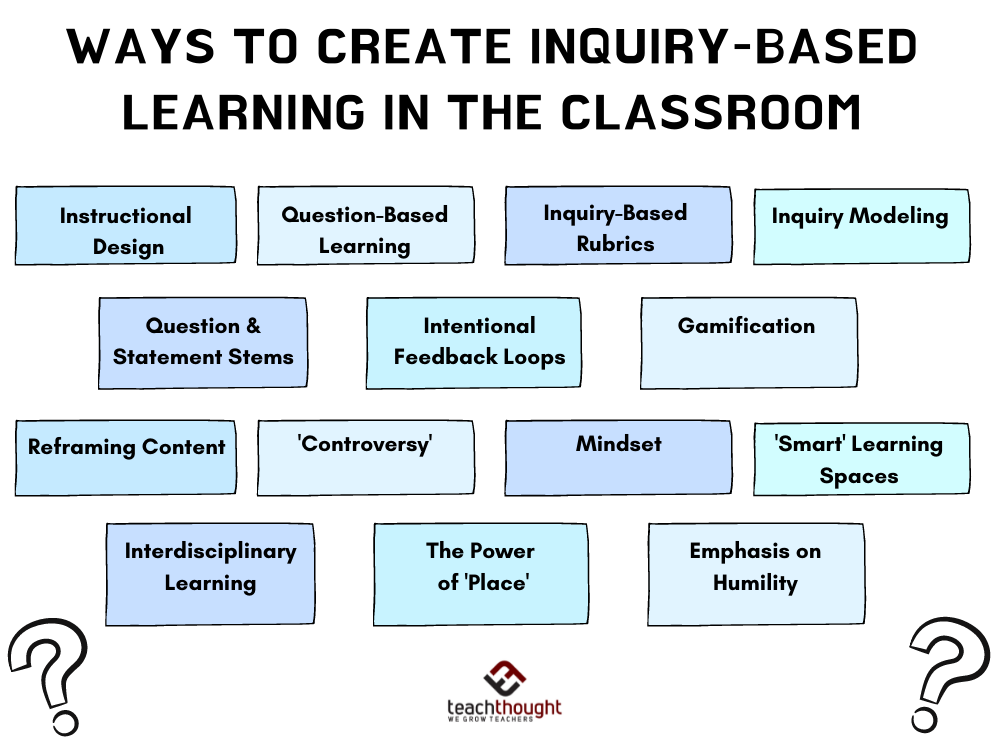
One obvious way to promote inquiry learning in your classroom is to design lessons and units that benefit from, promote, or require it.
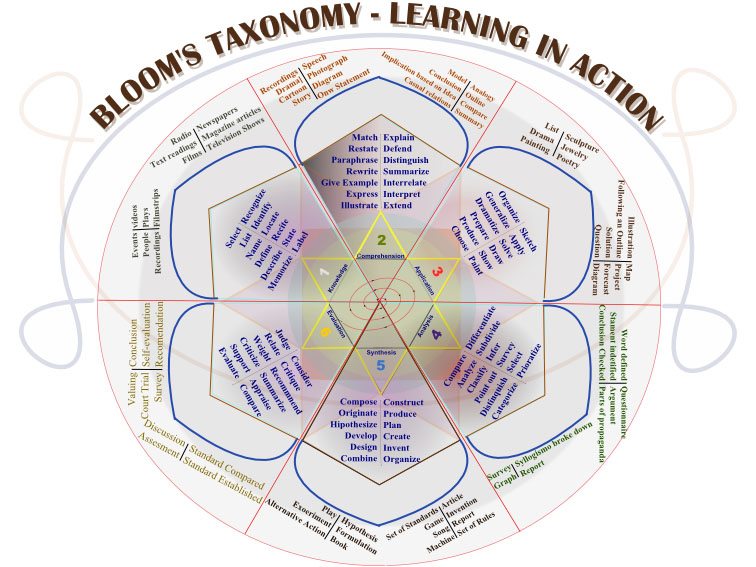
In this list, we’ve collected posters, apps, definitions, apps, tools, videos and strategies and more to help teachers use Bloom’s Taxonomy.
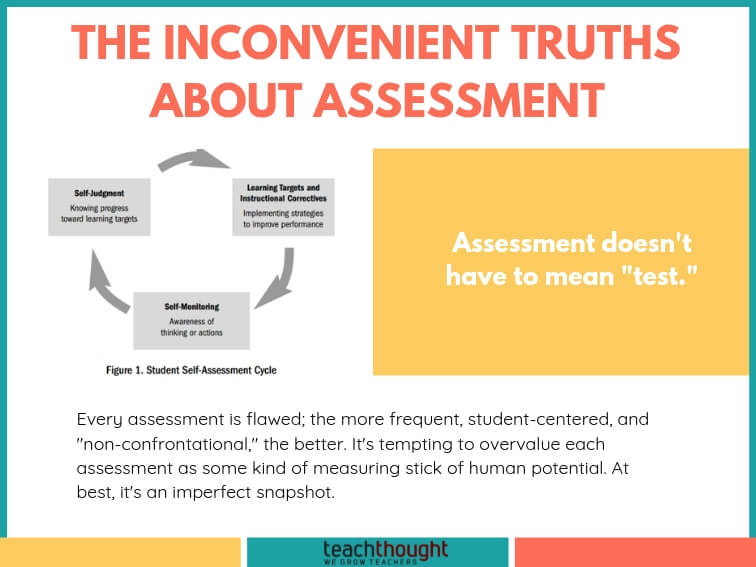
It’s an extraordinary amount of work to design precise and personalized assessments that illuminate pathways forward for individual students.
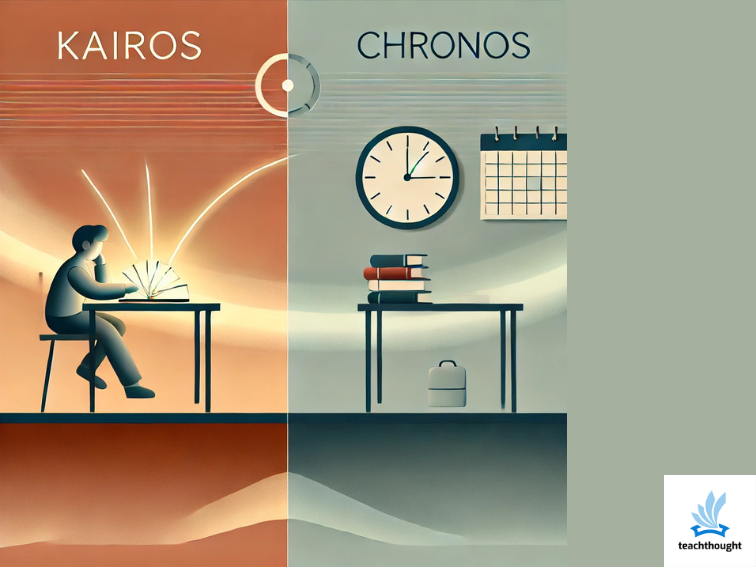
Because despite our noble intentions and the fact we’re increasingly called on to perform miracles, we’re teachers, after all, not saints.
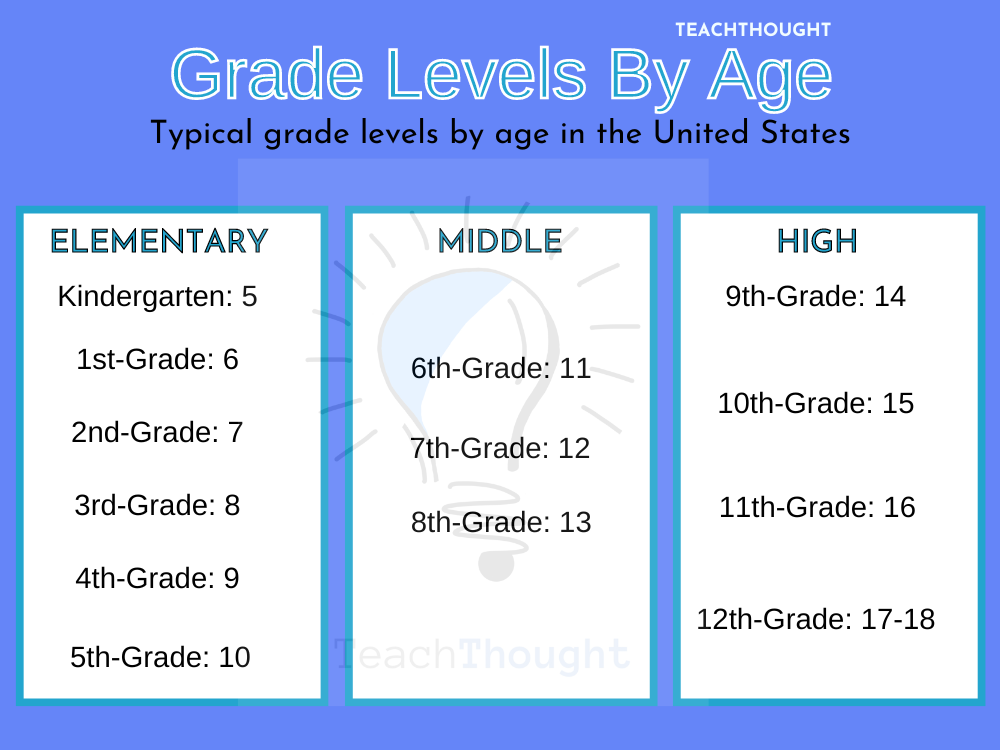
What grade should an 8-year-old be in? How old should a high school freshman be? Or more broadly, what are the grade levels by age?

One of the biggest struggles facing new teachers in education is figuring out how to effectively manage a classroom.
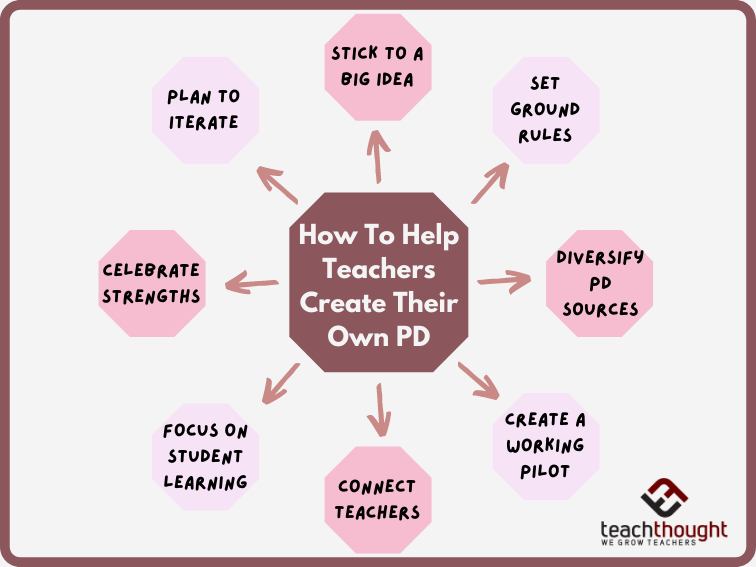
A flipped teacher PD program could inform the kinds of conferences and on-site PD most relevant and authentic to your local circumstances.
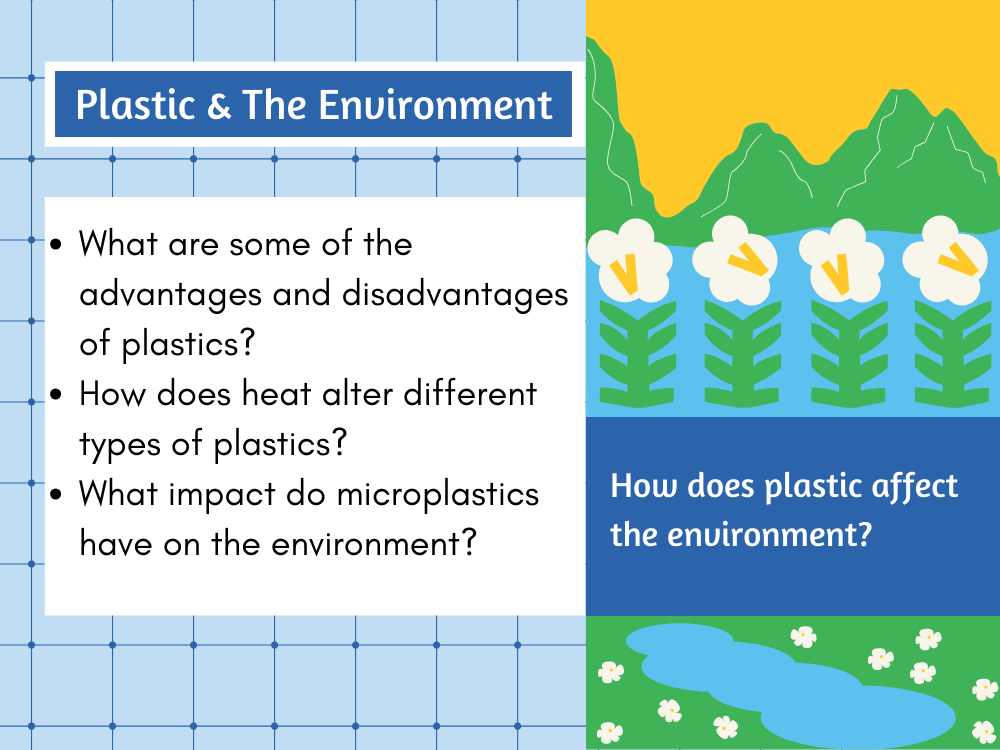
Industries like agriculture and transportation are experiencing transformations as a result of climate change.
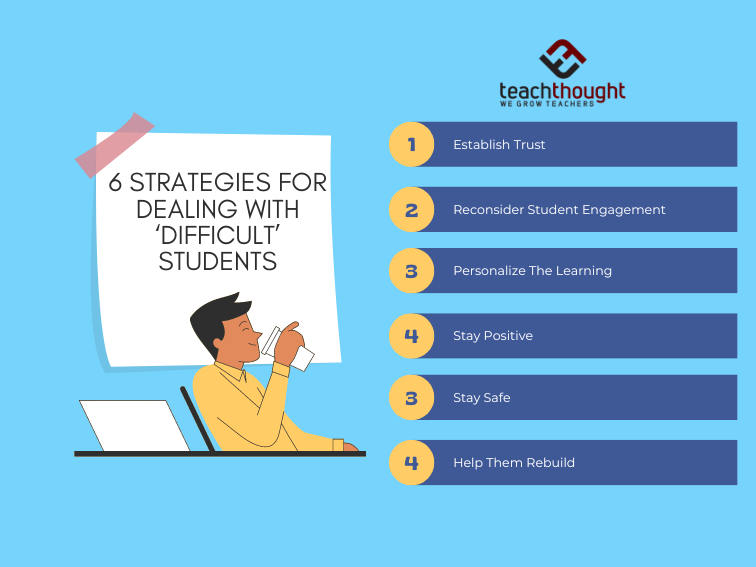
From building trust and relationships to cultivating responsibility, here are 6 strategies for working with your most ‘difficult’ students.
Be wary of new learning technology and create a core of timeless pedagogy whose function can benefit from those technologies.