20 Of The Best Apps For Project-Based Learning
From project-planning and design to ideas for projects to video streaming, here are some of the best project-based learning apps.


From project-planning and design to ideas for projects to video streaming, here are some of the best project-based learning apps.

One of the most common uses of the cloud in today’s classroom is word processing–which brings us to Google Drive.

The definition of Combination Learning is learning through the flexible combination of two or more learning components.

Can we design a school that’s more inherently sustainable? Our 7 principles of sustainable learning focus on to place, limits, scale, & more.
contributed by Dawn Casey-Rowe There they were–like a dream. Five computers in my classroom. I’d been waiting a long time, through budget issues and fiscal delays. But they were finally in my room–computers! Ironically, I had spent all summer investigating ways I could digitize my room without the internet–I was tired of waiting for ‘budget money.’ I…

On your Mac, choose Apple menu >
System Preferences, click Keyboard, then click Dictation.
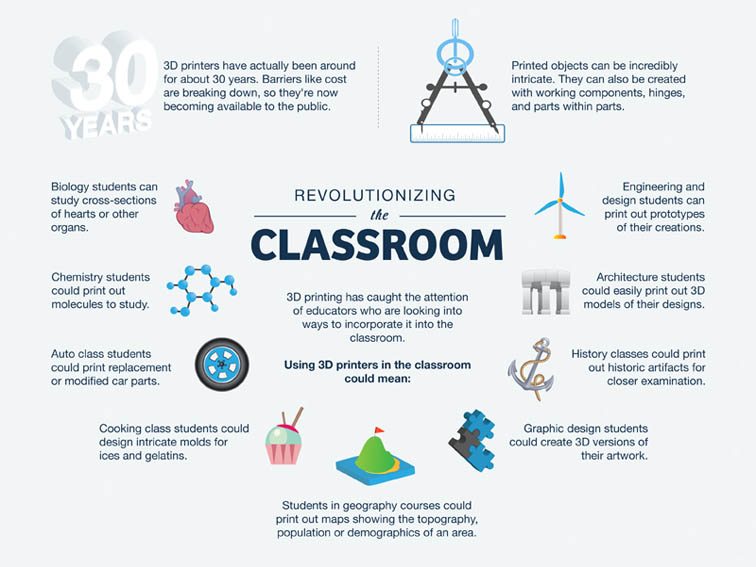
3D printing brings objects out of a screen and into students’ hands for inspection, analysis, and processes that benefit from manipulation.

From Google Science Journal to Biomes Viewer, we’ve gathered the best free science apps for iOS.
Speech and language is one area of educational apps that has exploded with smashing success. Here are 6 options to try out for iOS.
The coronavirus and the consequent lockdowns have forced the world to adapt in a multitude of ways–eLearning among them.

Do you have an education podcast? You can now submit podcasts centered around innovative teaching and learning to TeachThought.
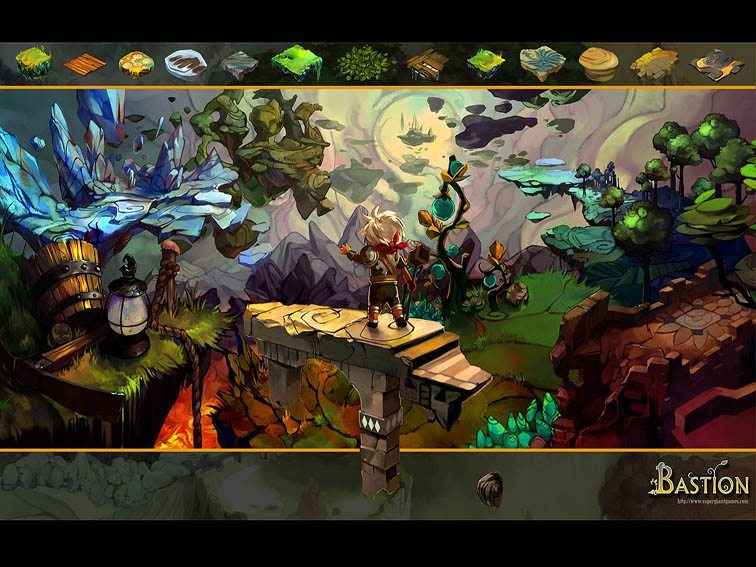
Video games are increasingly used to confront social and cultural issues that are otherwise problematic to address with a raging troll-fest.

From screencasting tools to content hubs to streaming and whiteboard collaboration, here are the best remote teaching tools we could find.

How can the iPad promote a broader set of evidence of understanding? How can it promote the assessment of higher-order thinking skills?