What Are The Different Types Of Project-Based Learning?
From place-based education to challenge-based learning, different types of project-based learning symbolize its evolution as a learning model.

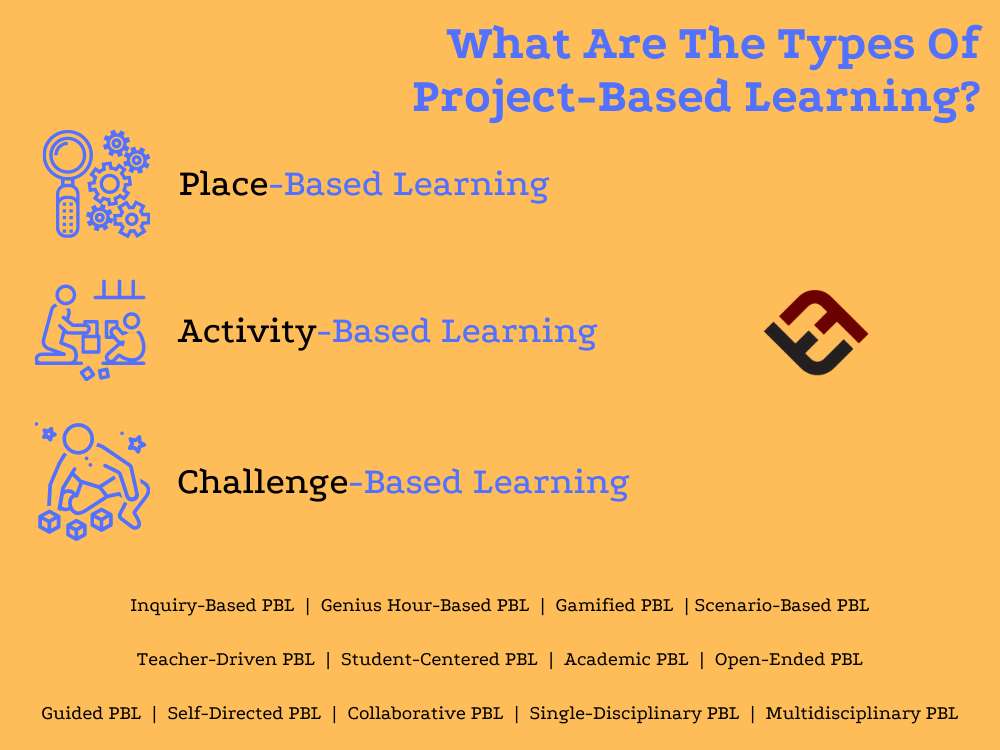
From place-based education to challenge-based learning, different types of project-based learning symbolize its evolution as a learning model.
The genesis of a great project is the idea itself — we’re providing you with 50 smart ideas for project-based learning in your classroom.
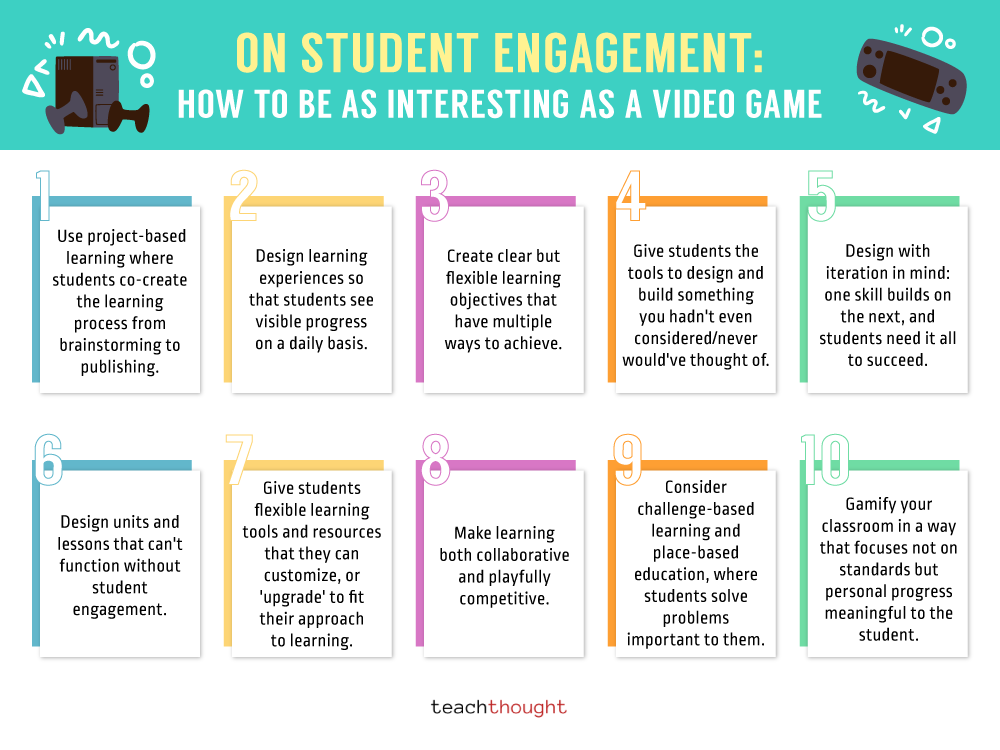
One student engagement strategy is to offer diverse pathways through content–pathways students would have to ‘unlock’ to progress.
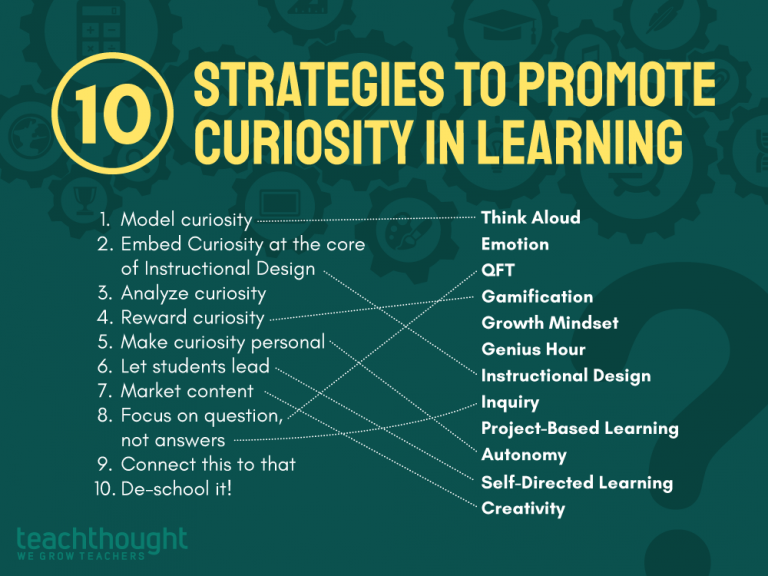
Questions are indicators of engagement and curiosity in learning. Just as usefully, they are evidence for what a student understands.
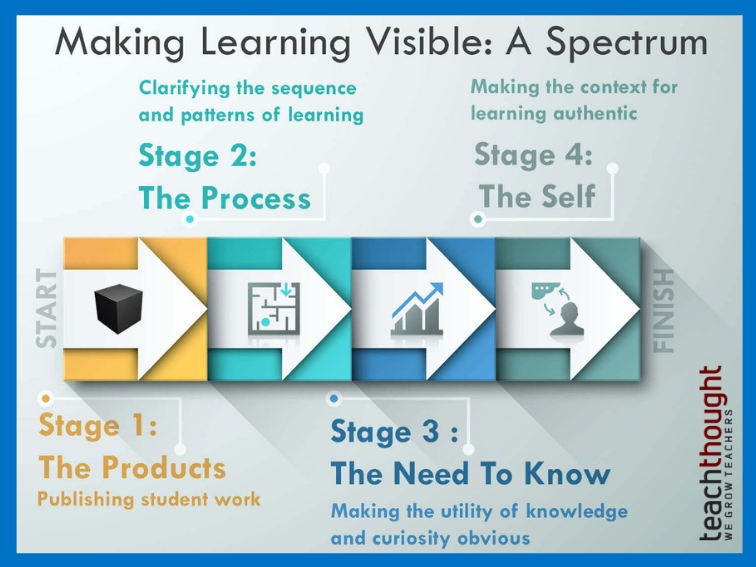
As we make learning visible, the process and sequence of learning is illuminated. This helps students see understanding as always evolving.

Help students understand that ‘help’ is the norm in the creative, scientific, and professional world. Asking for help is OK and necessary.
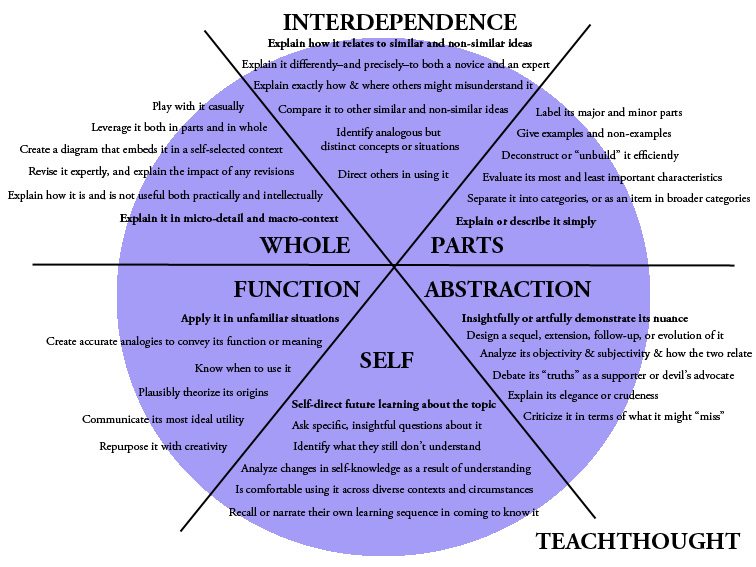
A good question can open minds, shift paradigms, and force the uncomfortable but transformational cognitive dissonance that can help create thinkers.

The potential for new learning spaces and dynamics represents an opportunity for a different kind of resonance–and hopefully, joy.
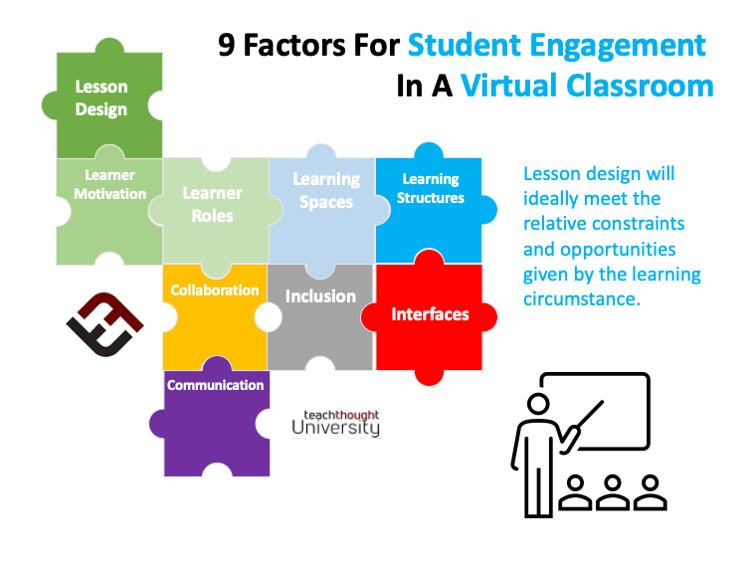
Principles of student engagement in a virtual classroom include learning spaces, lesson design, and equitable access.
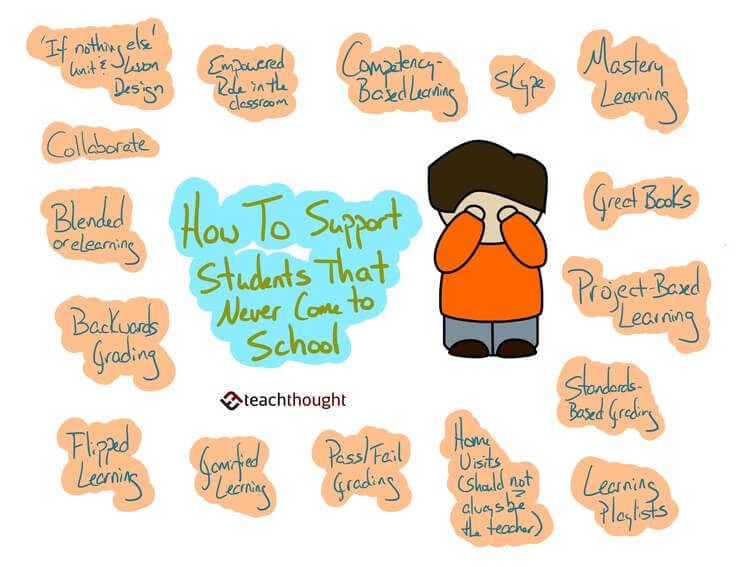
How can you help students who don’t come to school? With a few shifts in thinking, while a challenge, there are ways to help truant students.

While technology opens new horizons, adapting to this is more challenging. What are the benefits of technology in learning and education?
Rethinking grading in project-based learning can support students by clarifying complexity and rewarding nuance of understanding.
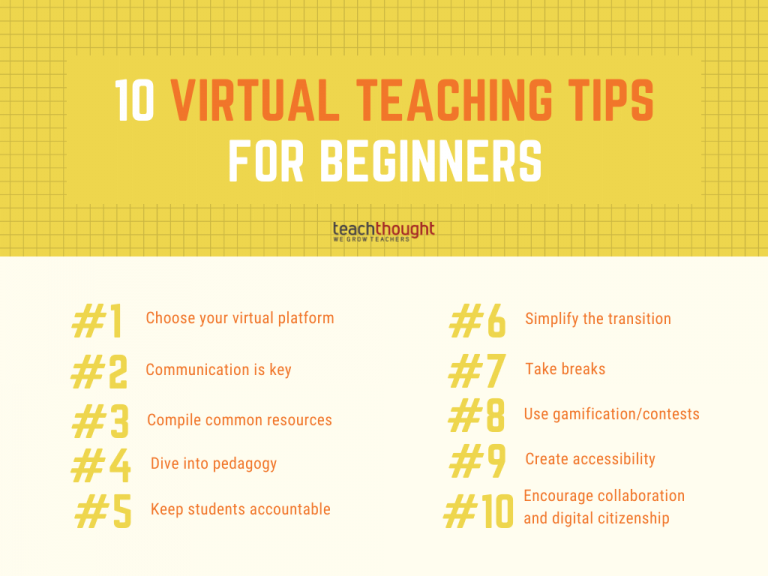
Virtual teaching tips aren’t much different than standard tips. Ultimately, it all boils down to prioritizing, simplifying & communication.
Social learning is essential to create future-ready students adept at self-organized learning, knowledge sharing, and working with teams.