20 Ways To Bring The Joy Back To Your Classroom
The potential for new learning spaces and dynamics represents an opportunity for a different kind of resonance–and hopefully, joy.


The potential for new learning spaces and dynamics represents an opportunity for a different kind of resonance–and hopefully, joy.

Don’t get distracted that everything is ‘different.’ Start with the student and their needs and the unique opportunities in front of them.
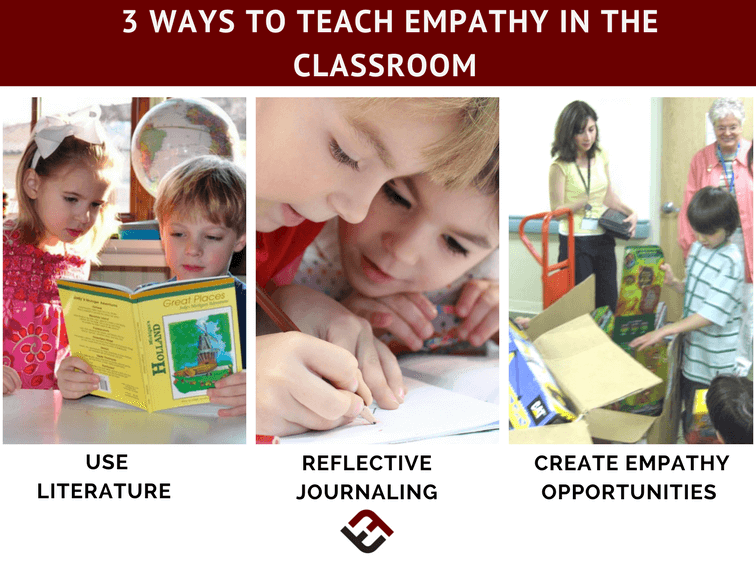
Teaching empathy in the classroom? Start a Random Acts of Kindness project so students can support a classmate, or someone in their community.
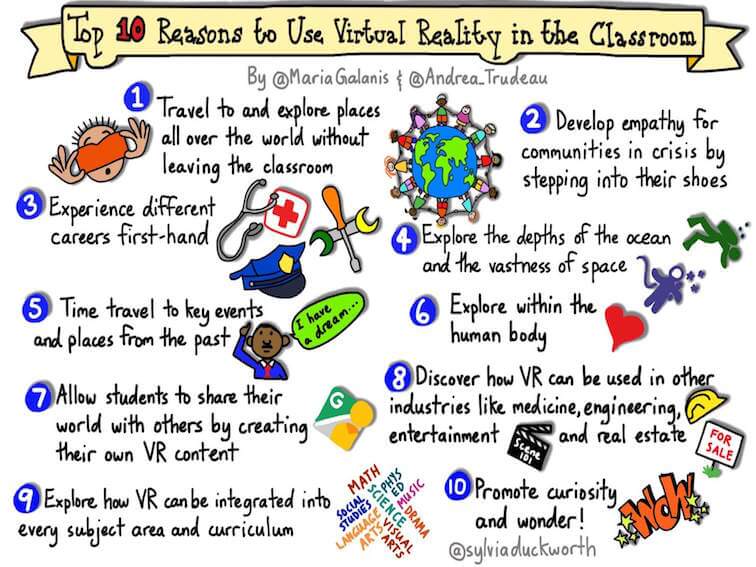
Virtual reality in the classroom can be used to facilitate student interactions or environments to create experiences not otherwise possible.

To get the best work from a student, they need to create their own standards for quality academic work–ideally alongside you, as a teacher.

Understanding the impact of technology on curiosity suggests that we first understand the role of curiosity in the learning process itself.
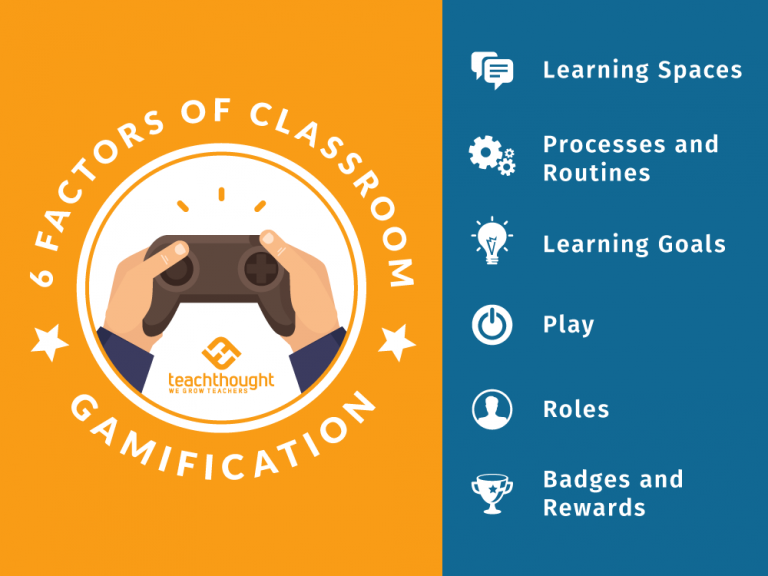
As a student, I got to learn more about the power of ‘gamifying’ something, and what effect it had on learners.

Whether it’s a birthday, graduation or holiday, buying the perfect gift for your son can present challenges.
Over time, we’ve seen YouTube morph from a digital video library to a vending machine for ‘streamers’ saying/doing anything for subscribers.

What are the primary factors of academic performance? While literacy skills and background knowledge matter, so does motivation.

For history teachers, being fascinated with the subject material is the best way to ensure students will remember it after tests are done.

Sketchnotes, graphic organizers, visualizing data, and art are just a few strategies to make learning visual in your classroom.

From using levels and and progress bars to badges and rewards, here are ten strategies to make learning feel more like a game.
Just like a great teacher can teach anything, a great learner can learn from almost anything–and teachers are first learners.