A Learning Typology: 7 Ways We Come To Understand
This is a typology not a taxonomy.
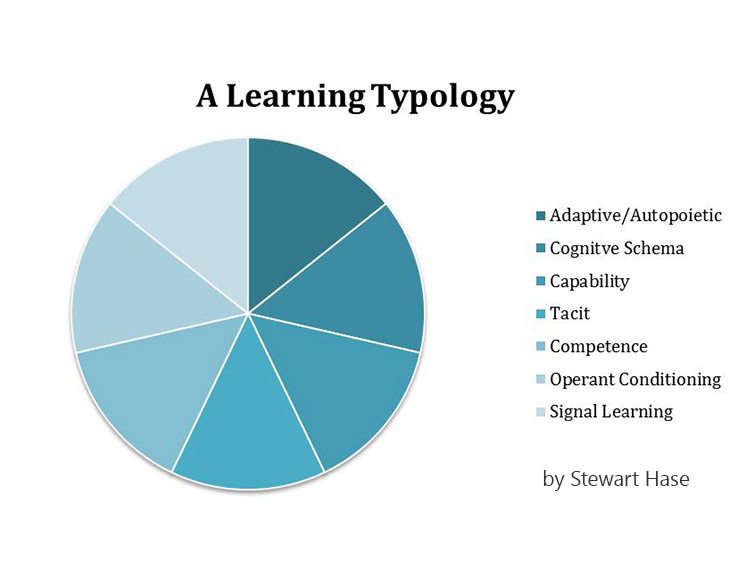
This is a typology not a taxonomy.
The goal of the model isn’t content knowledge (though it should produce that), but rather something closer to wisdom–learning how to learn.
For me, my biggest takeaway from college was learning what I didn’t know.
I’m not saying any of these ideas are good—or even the least bit viable. Or that they wouldn’t be detrimental. I’m just wondering what would happen.
The need to be rational collides with the enormous complexity and scale of the circumstances teachers face.
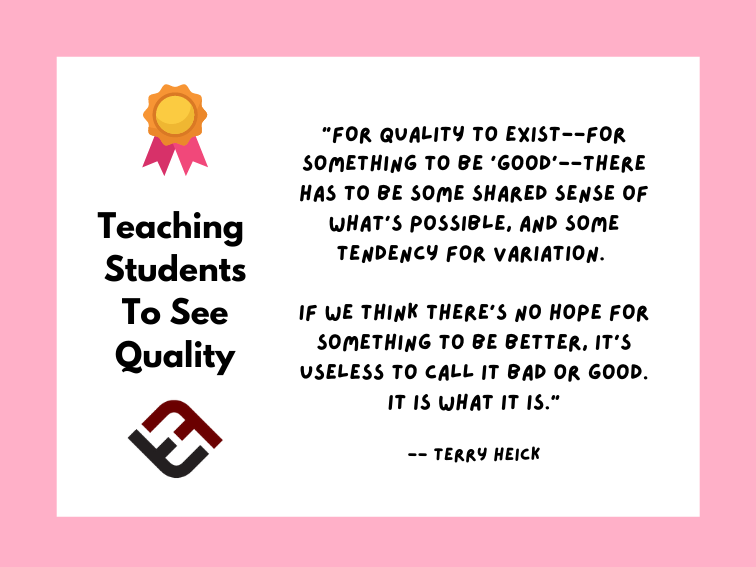
So what does quality have to do with learning? Quite a bit, it turns out. And it starts out with helping students understand what it means.

After researching, this stage of the inquiry process is centered around students clarifying both their own thinking.
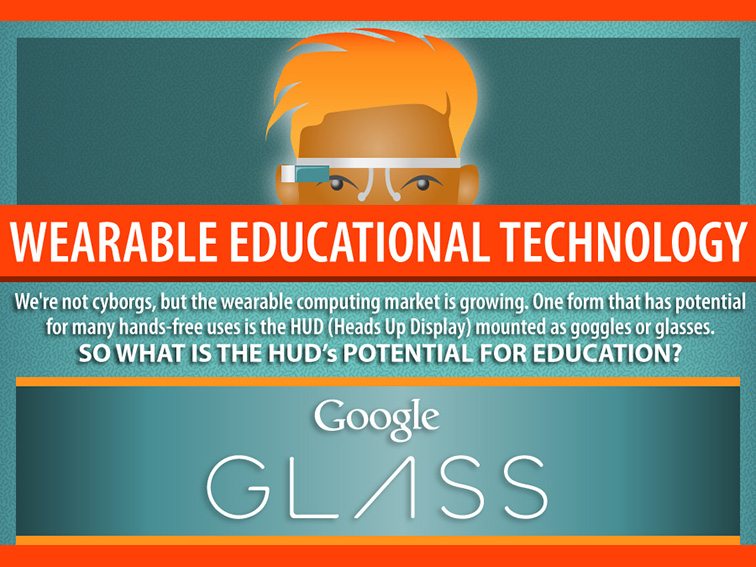
We’re not quite at the stage of being cyborgs, but wearable technology is growing, and the number and type of devices is also increasing.
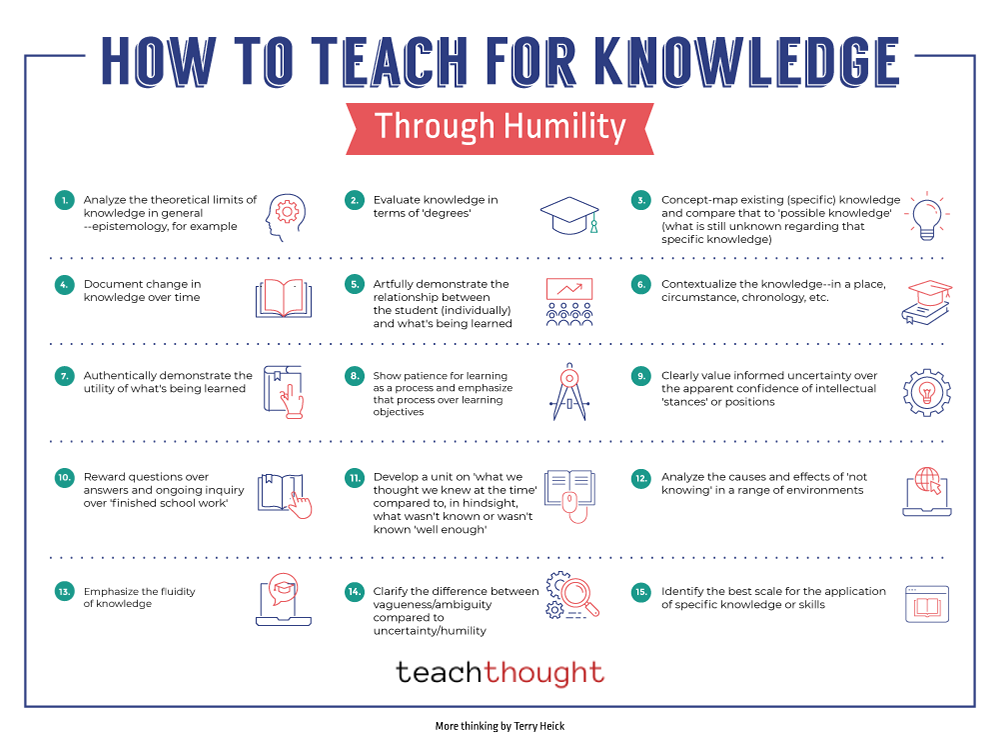
How would it change the learning process to start with a tone of humility? To clarify what can be known, and what cannot?
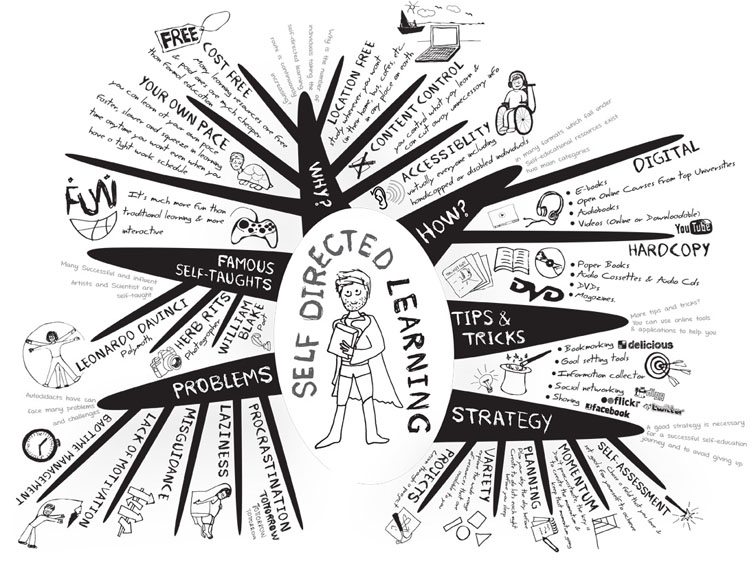
Modern access to information and learning platforms make self-directed learning more accessible–and powerful–than ever before.
One student engagement strategy is to offer diverse pathways through content–pathways students would have to ‘unlock’ to progress.
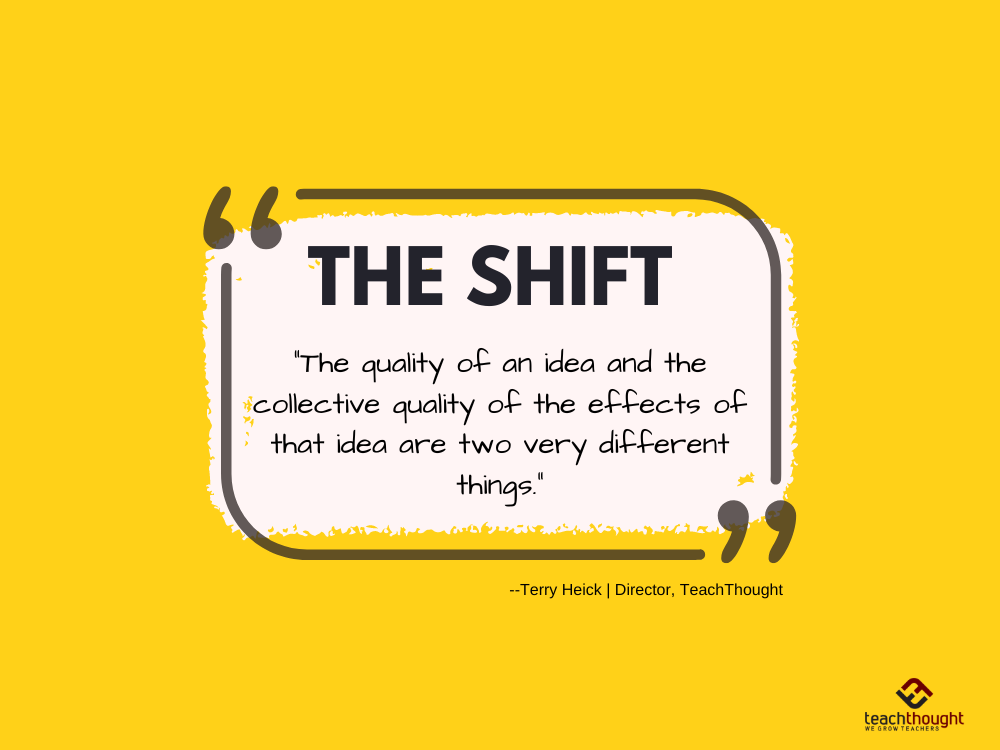
The quality of an idea and the collective quality of the effects of that idea are two very different things.

Education is ‘actuated’ by teachers. It makes sense that education should also be able to reflect critically on its own performance as well.
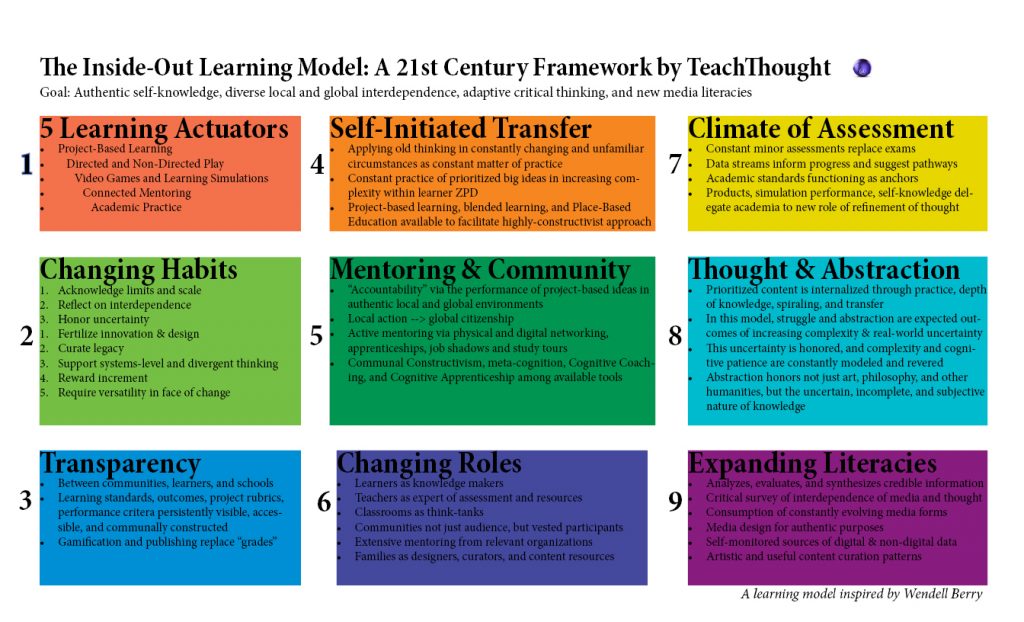
A micro-goal of the ‘Inside-Out’ School is a new kind of ‘intelligence’ where the macro-effect is healthier communities and citizenship.
Notifications
