What’s A KWHLAQ Chart?
A KWHL chart is a variation of a KWL graphic organizer that adds ‘How’ to the predictive and reflective process.

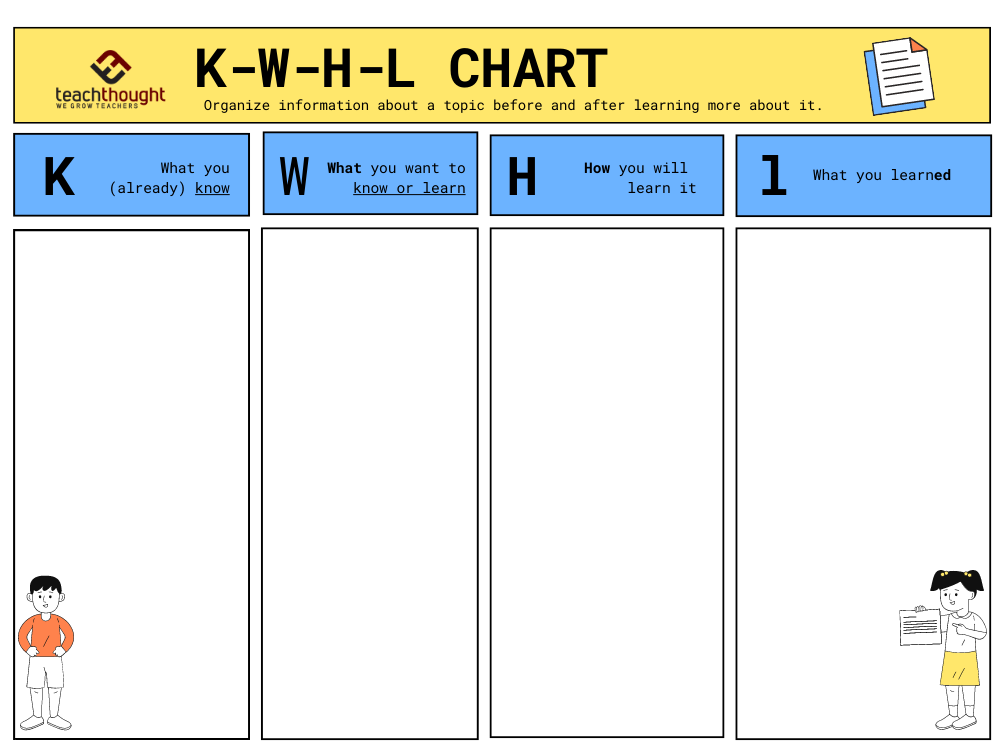
A KWHL chart is a variation of a KWL graphic organizer that adds ‘How’ to the predictive and reflective process.
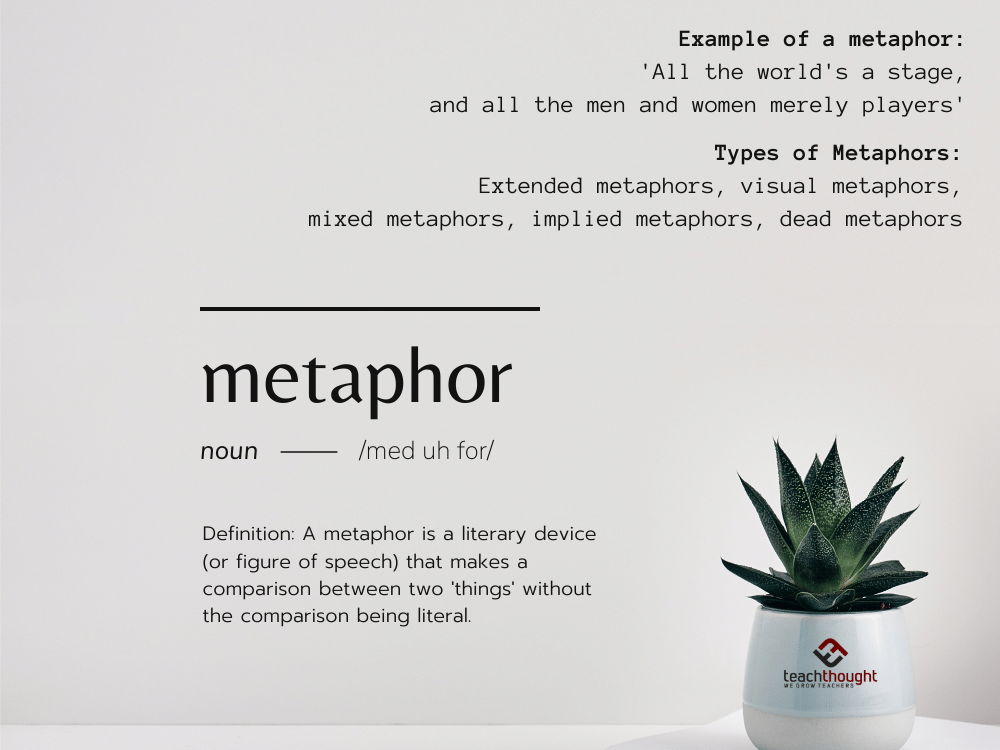
A metaphor is a literary device (or figure of speech) that makes a comparison between two ‘things’ without the comparison being literal.
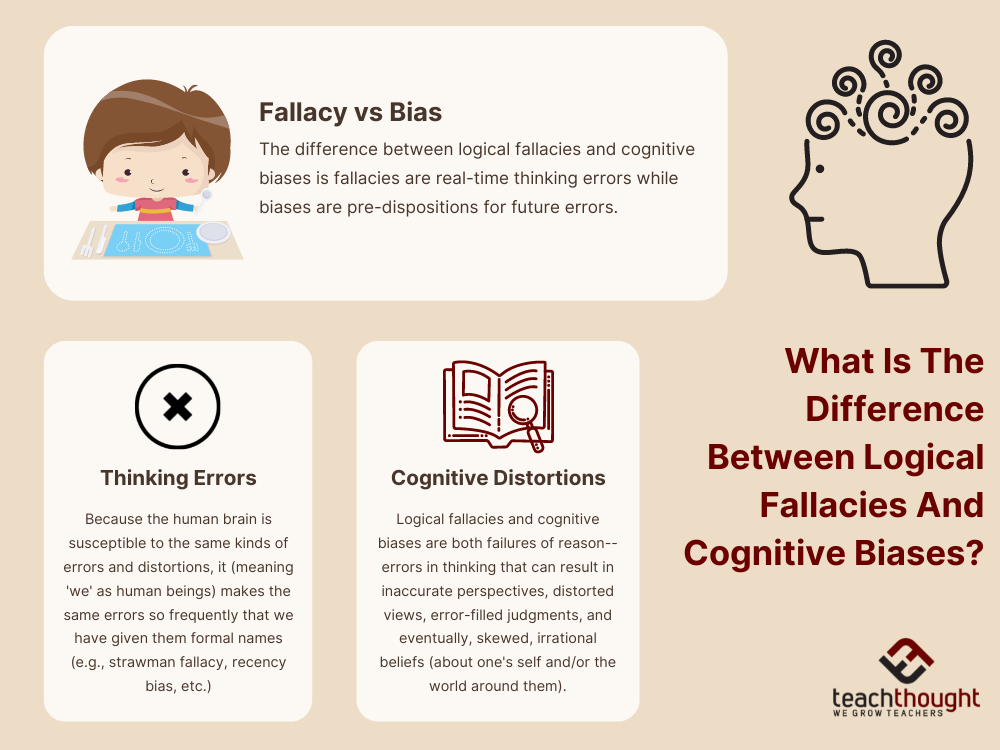
The difference between fallacies and biases is a matter of timing: fallacies are real-time thinking errors while biases are pre-dispositions for future errors.
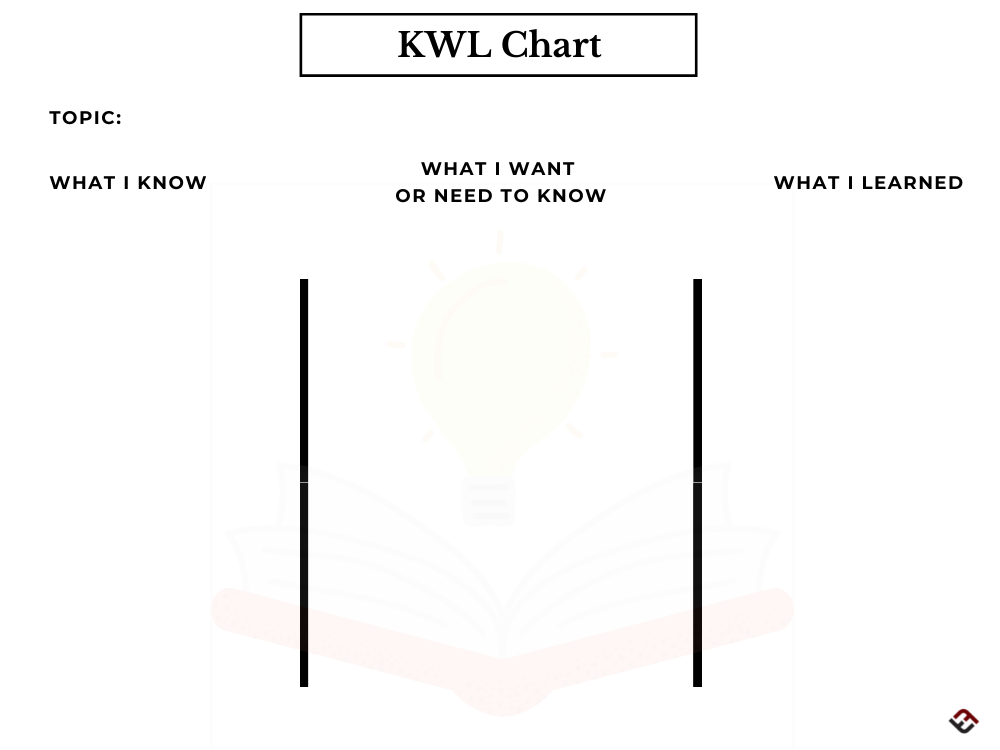
A KWL chart is a graphic organizers that students use before, during, and after learning to activate prior knowledge and reflect on learning.
Hermeneutics is a branch of knowledge concerned with the theory, practice, and methodology of interpretation of text.
Social-Emotional Learning promotes well-being while using the benefits of that well-being to promote academic and personal growth.
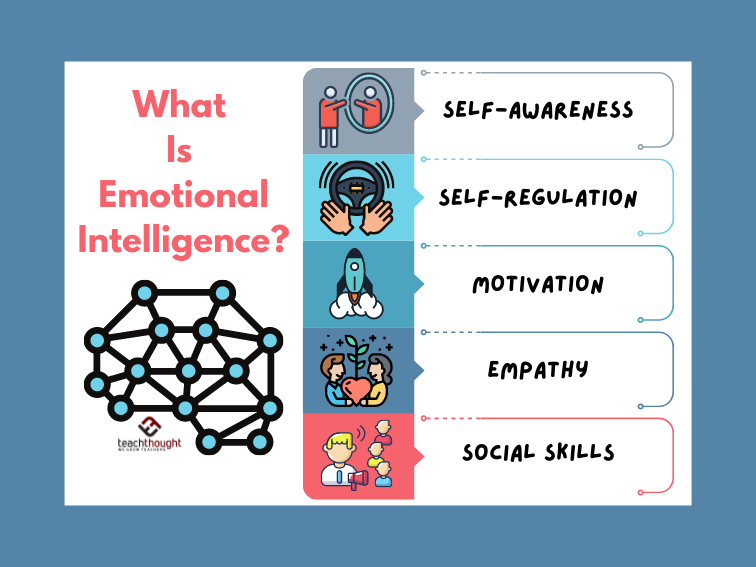
Emotional intelligence is a person’s capacity to manage their feelings in order to appropriately and accurately express them.
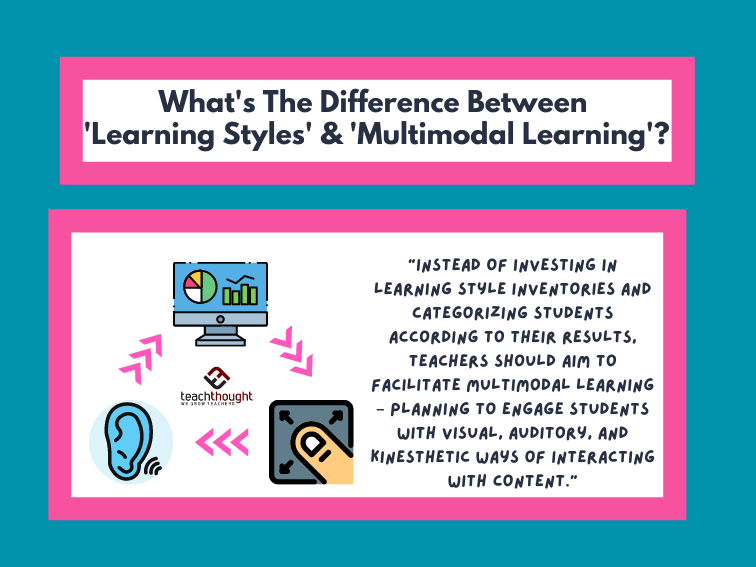
Instead of passing out learning style inventories & grouping students accordingly, teachers should aim to facilitate multimodal learning.
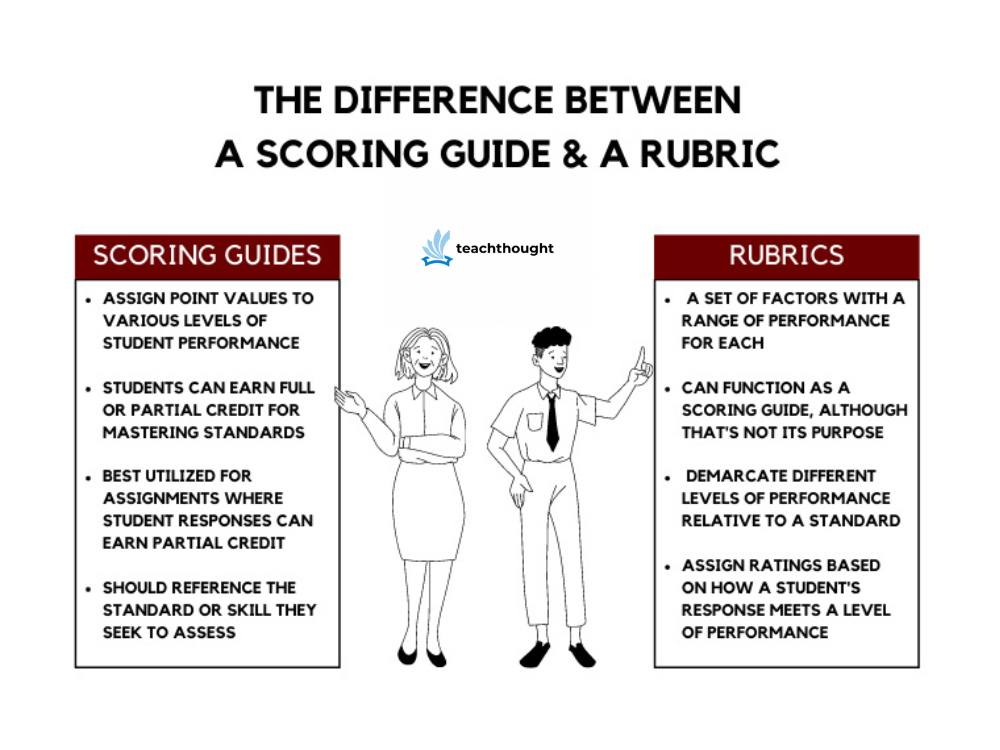
Scoring guides center teachers, assess quantity & prioritize efficiency. Rubrics center students, assess quality & prioritize feedback.
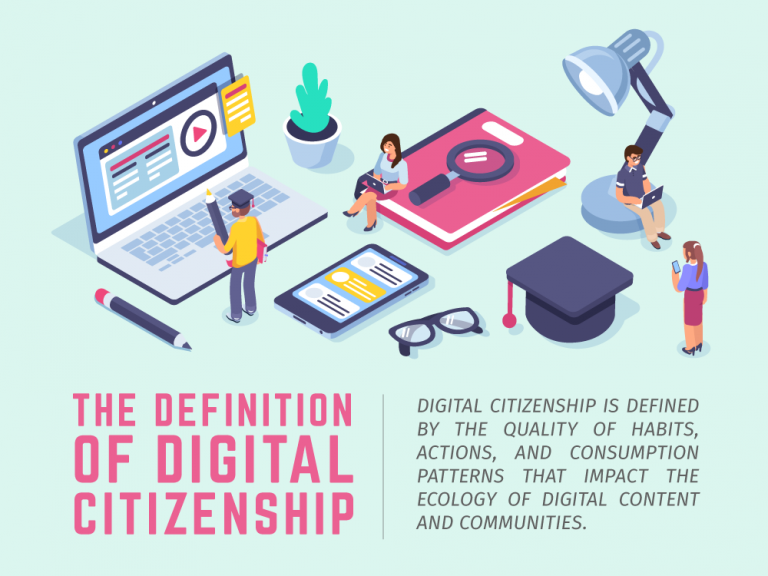
Digital Citizenship is the quality of habits, actions, and consumption patterns that impact the ecology of digital content and communities.
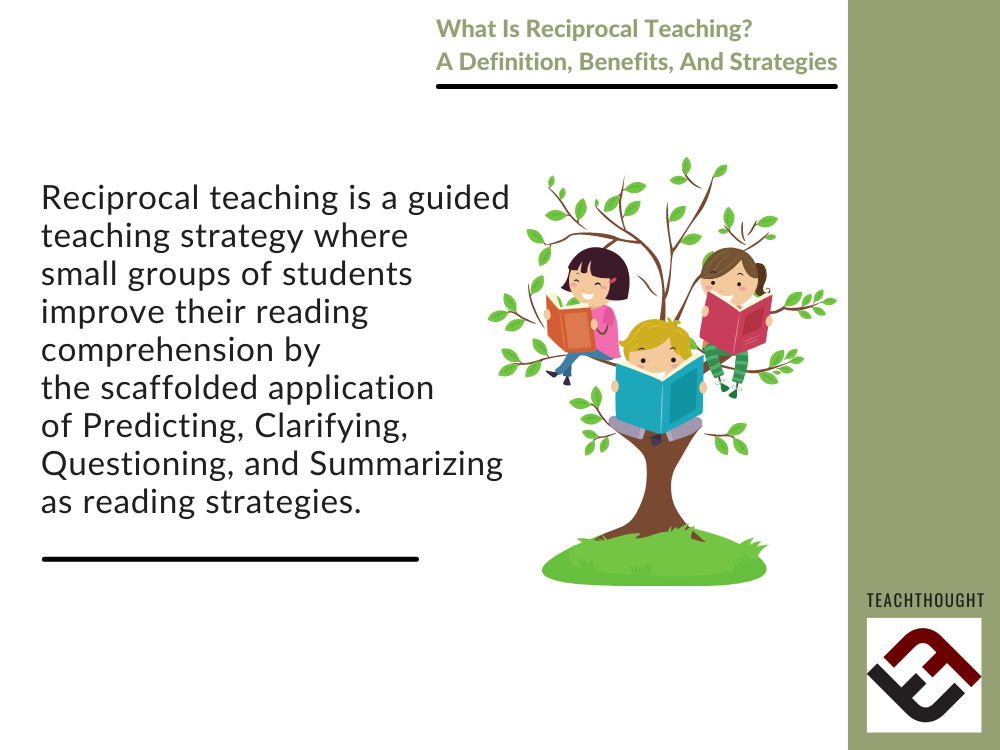
Reciprocal teaching is a teacher-guided strategy where small groups of students play specific roles in the comprehension of a text.
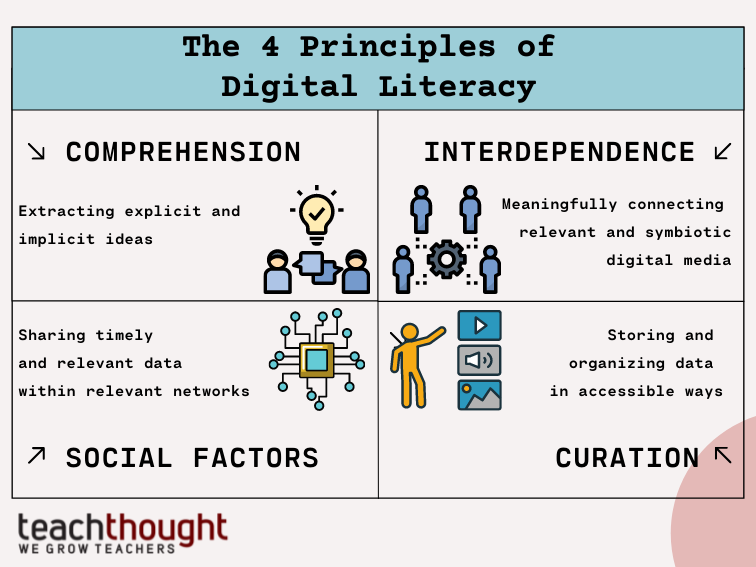
“Digital literacy is the ability to interpret and design nuanced communication across fluid digital forms.”
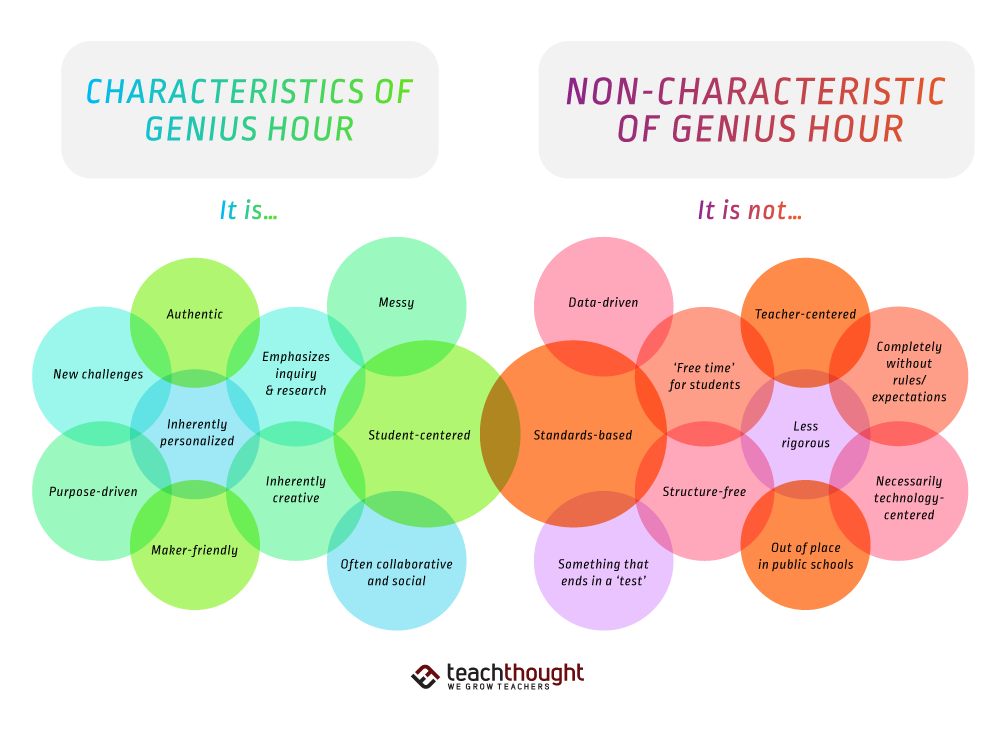
Genius hour is an approach to learning where students are guided by their own interests, background knowledge, and curiosity to learn.
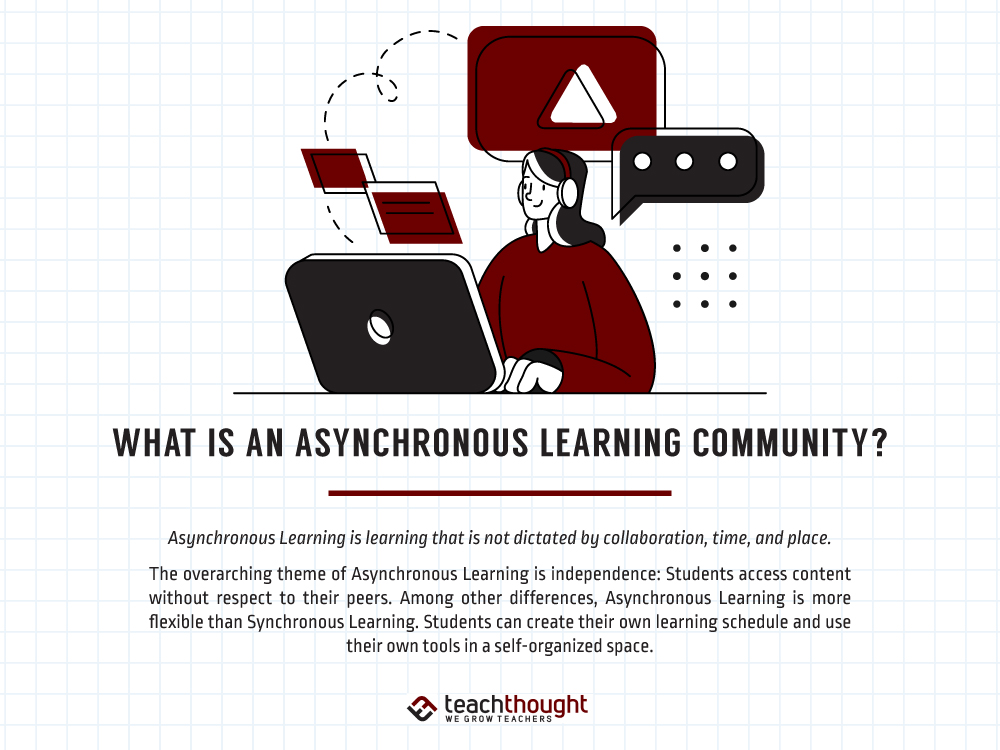
An asynchronous learning community is one where students learn together bound by some component other than time.