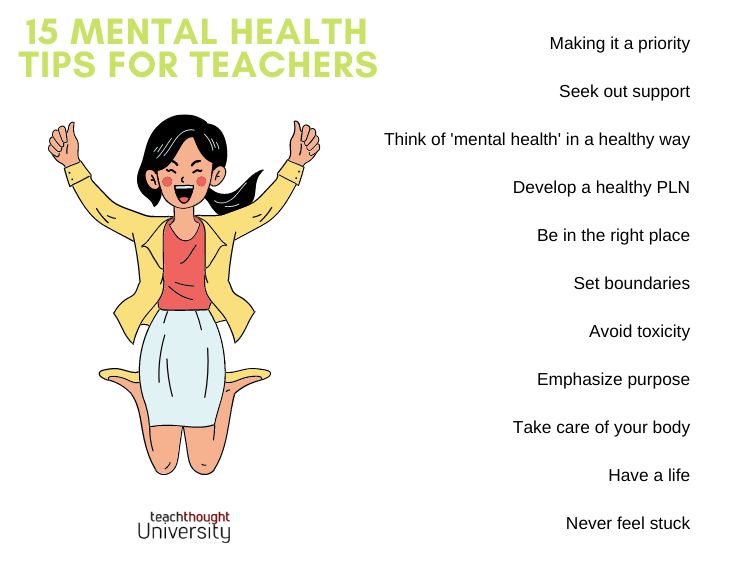
15 Mental Health Tips For Teachers
One mental health tip for teachers? As much as possible, set clear boundaries between school and home life.

One mental health tip for teachers? As much as possible, set clear boundaries between school and home life.
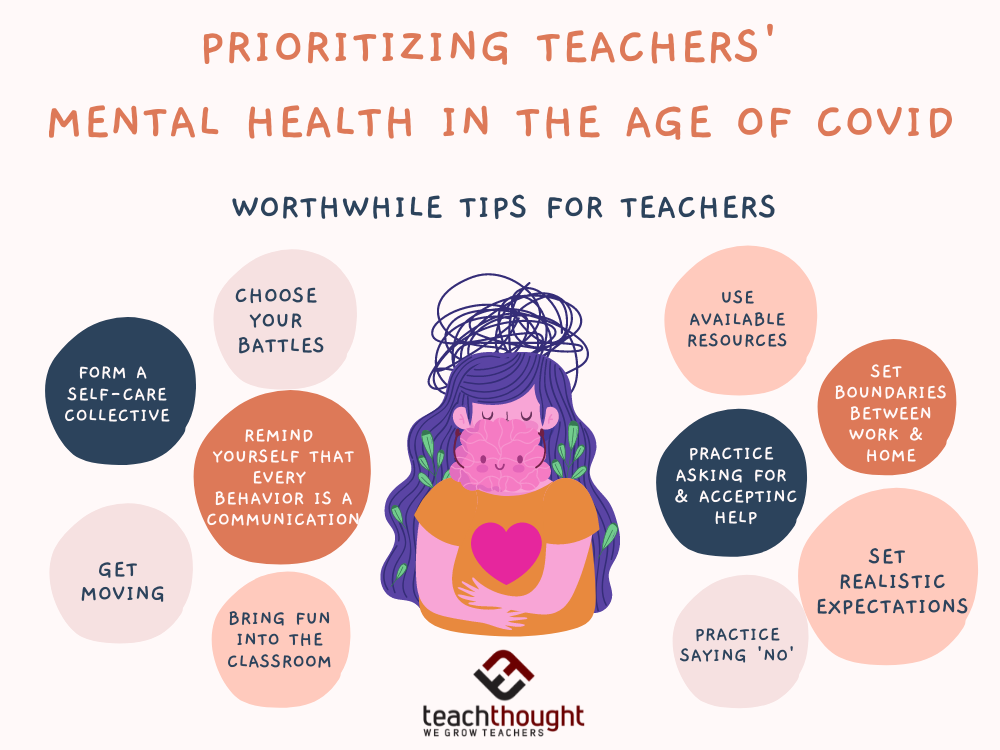
We can’t control everything and apologizing for things out of our control can set unrealistic expectations of teachers.
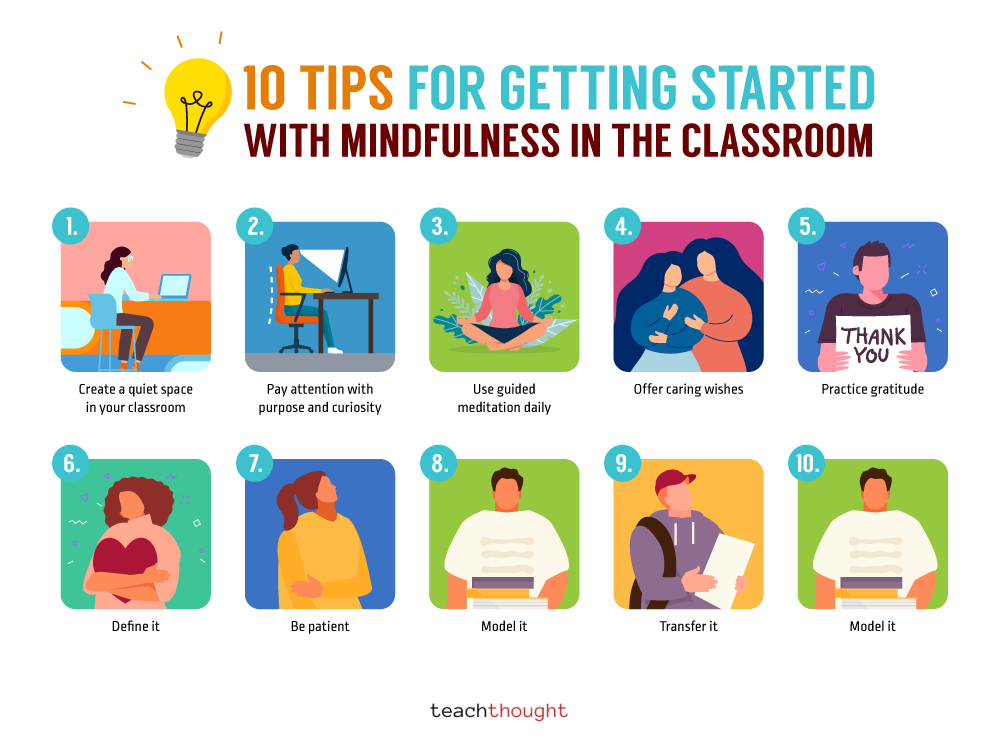
Lisa Thomas Prince and Lori Gustafson offer the following ten tips for teaching mindfulness in the classroom at any grade level.

“Every act of perception is to some degree an act of creation, and every act of memory is to some degree an act of imagination.”

“When you’re ready to wake up, you’re going to wake up, and if you’re not ready you’re going to (say)…a ‘poor little me.’”
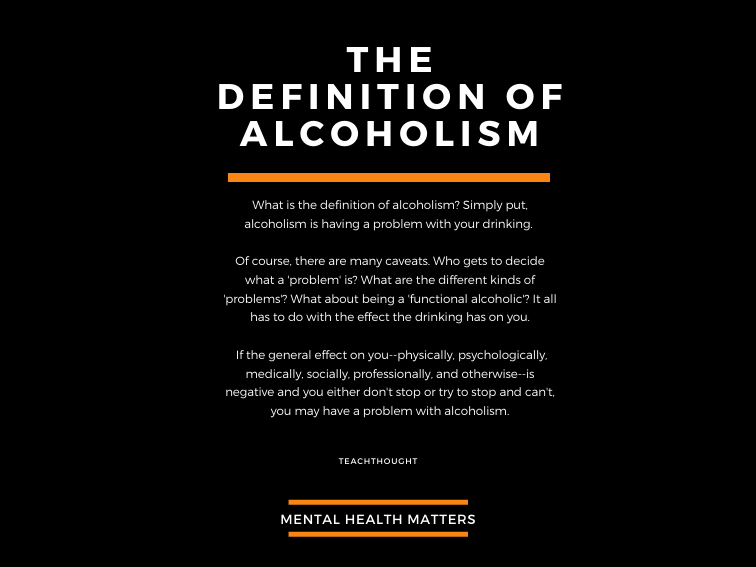
What is the definition of alcoholism? When drinking has a sustained negative effect on you and you either don’t stop, or try to stop and can’t.
CPTSD is a complex, often debilitating response caused by events over a period of time–anywhere from months to an entire childhood.

From this practice, you learn to experience, to realize, that what happens to you, and what you do are one in the same process.
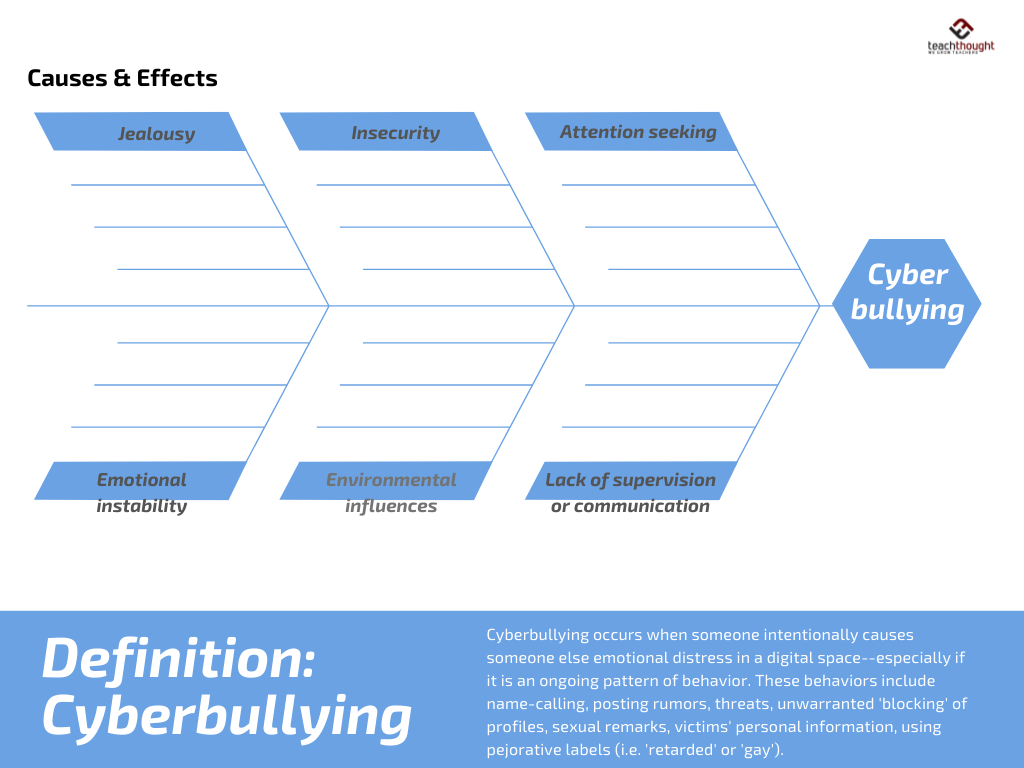
Cyberbullying occurs when someone intentionally causes someone else emotional suffering or distress online.
The source of all human suffering has something to do with loneliness–our systems pit us against one another in an illusion of competition.
Yes, taking action will probably make you anxious but child abuse is preventable. Here are some tips and resources for teachers.

Feel-good fiction? Books that make you happy might be a stretch but well-being comes from a simple concept: What you think about.
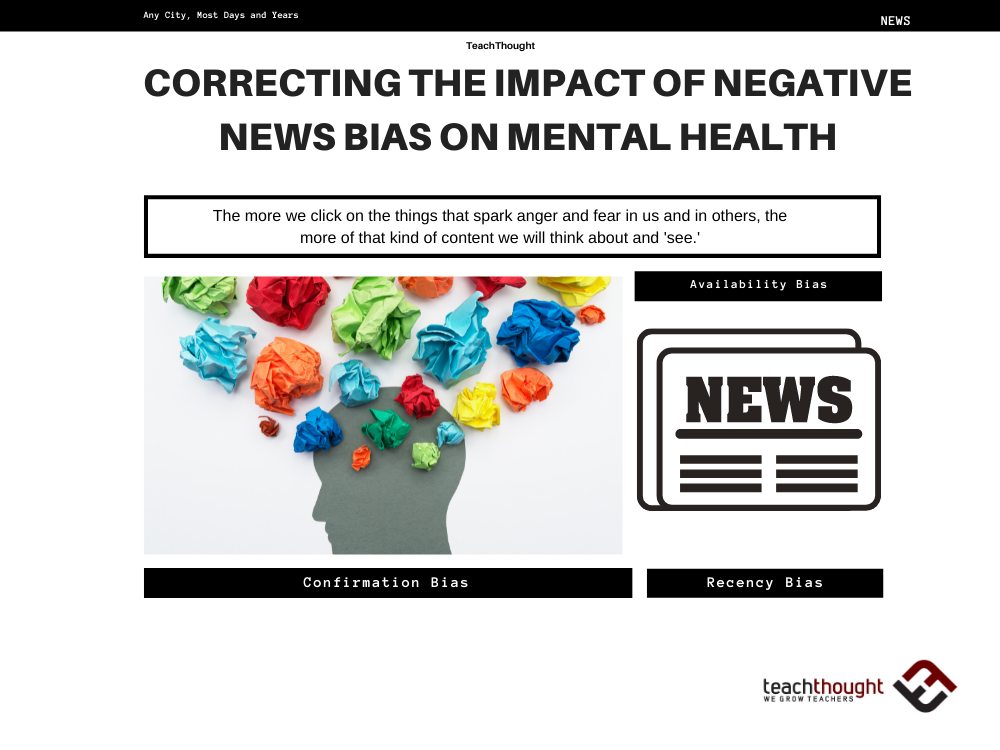
The more we click on what sparks anger & fear, the more of that content we’ll see. Read to learn how to mitigate the impact of negative news.
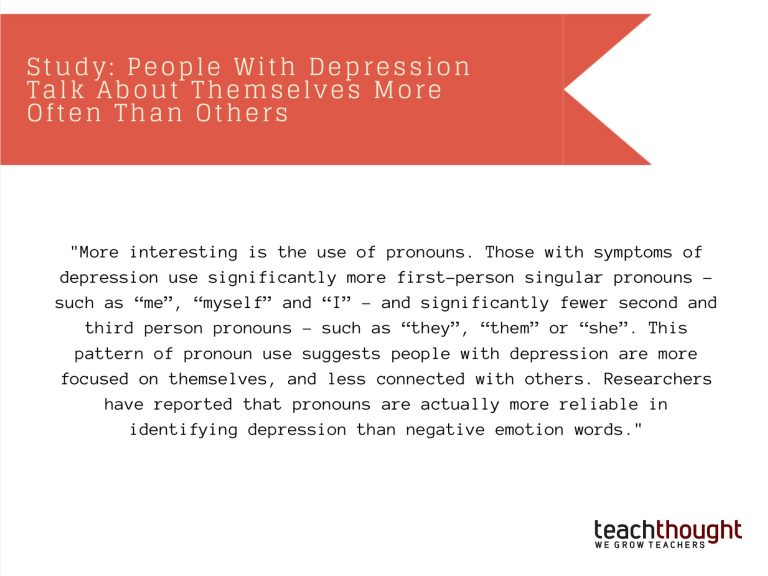
People with depression use more first-person singular pronouns–such as ‘me,’ ‘myself’ and ‘I’–and significantly fewer third-person pronouns.