15 Apps & Websites For Teaching Math Online [Updated]
These platforms are verified by ESSA standards, and widespread adoption by educators from grade 3 through higher education.

These platforms are verified by ESSA standards, and widespread adoption by educators from grade 3 through higher education.

During meaningful conversations, students are forced to be accountable for positions, to listen, and to analyze opposing perspectives & ideas.
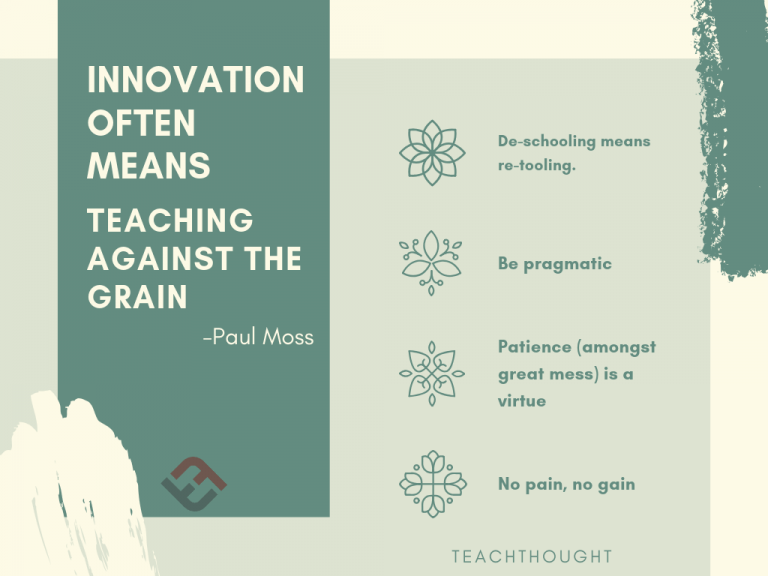
The feeling that I get observing students learning for themselves and assuming ownership of their experience is pure joy.
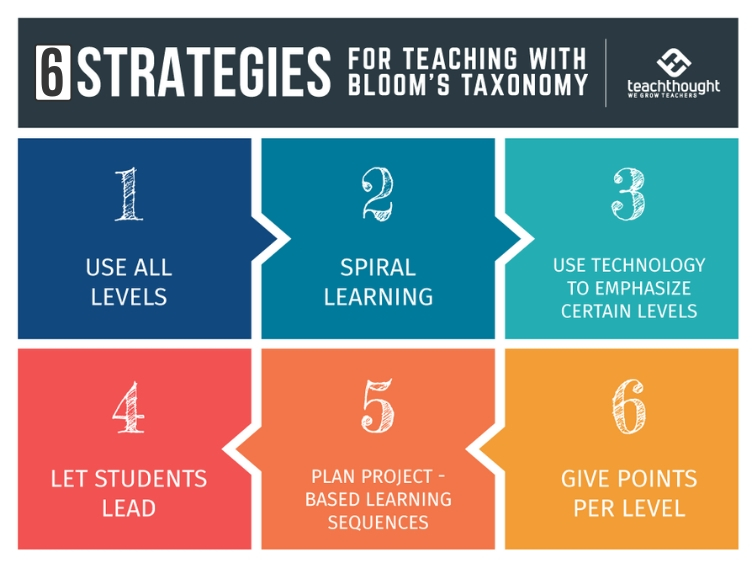
Bloom’s Spiraling is the process of starting first at lower levels of Bloom’s–recalling, defining, explaining, etc.–and then progressively increasing the level of thinking.

After researching, this stage of the inquiry process is centered around students clarifying both their own thinking.
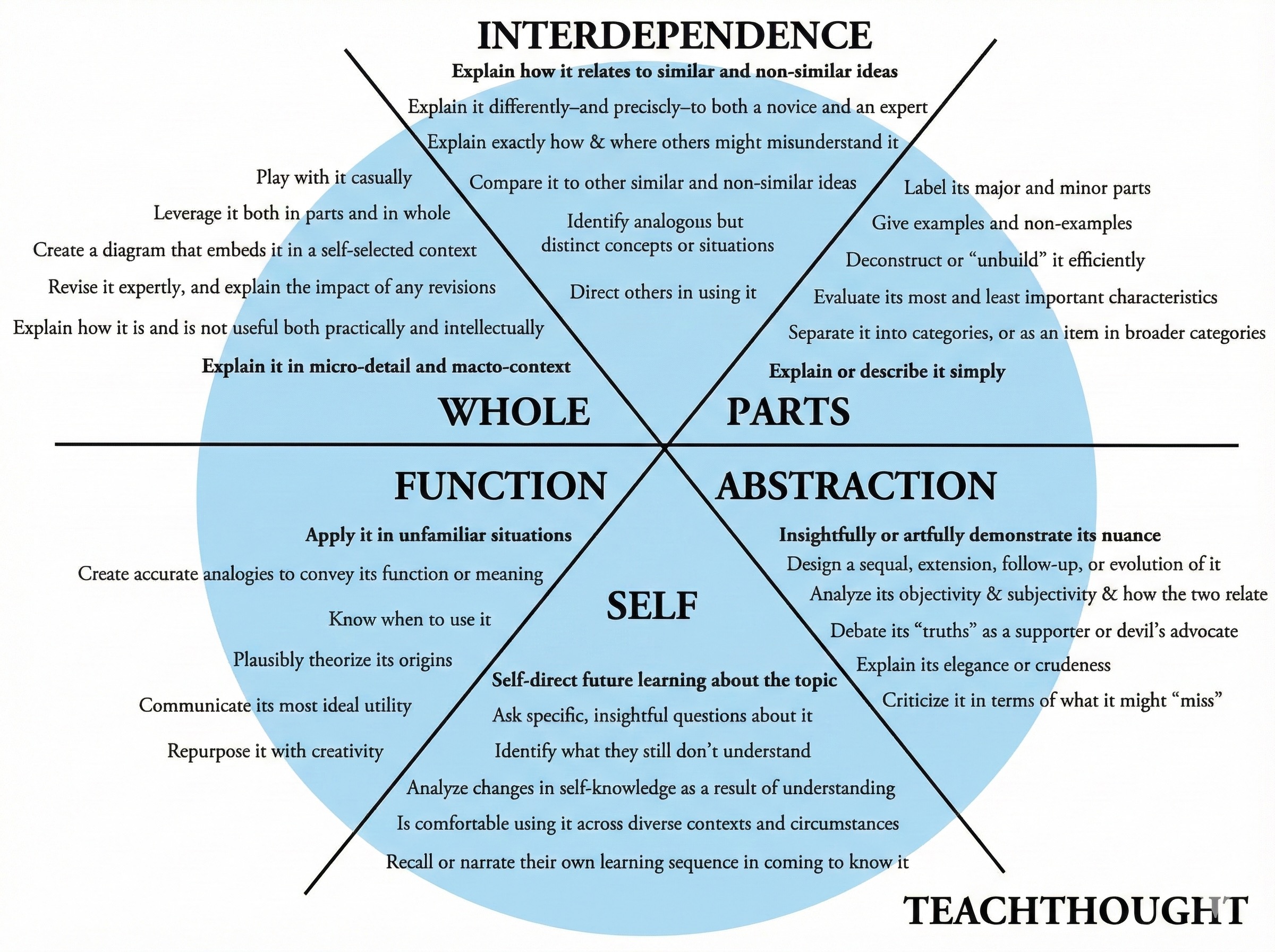
The Heick Learning Taxonomy can be used to guide planning, assessment, curriculum design, and self-directed learning.
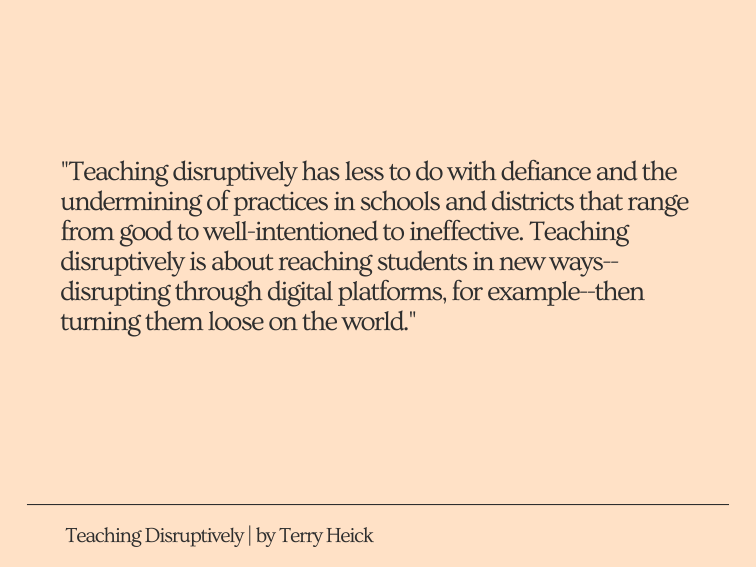
Teaching disruptively helps create learners who ask the right question at the right time for reasons that matter to them.
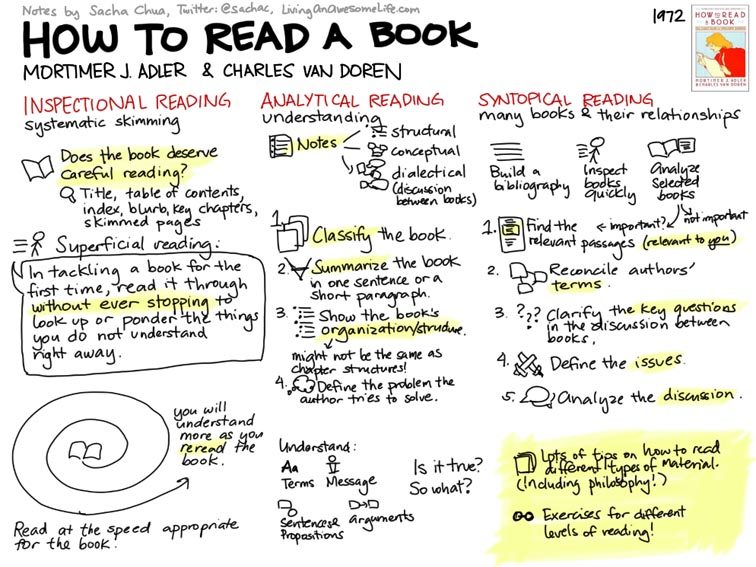
Critical reading includes ‘Inspectional Reading’: Reading with a focus on grasping the book as a ‘whole thing’–also called ‘Systematic skimming.’
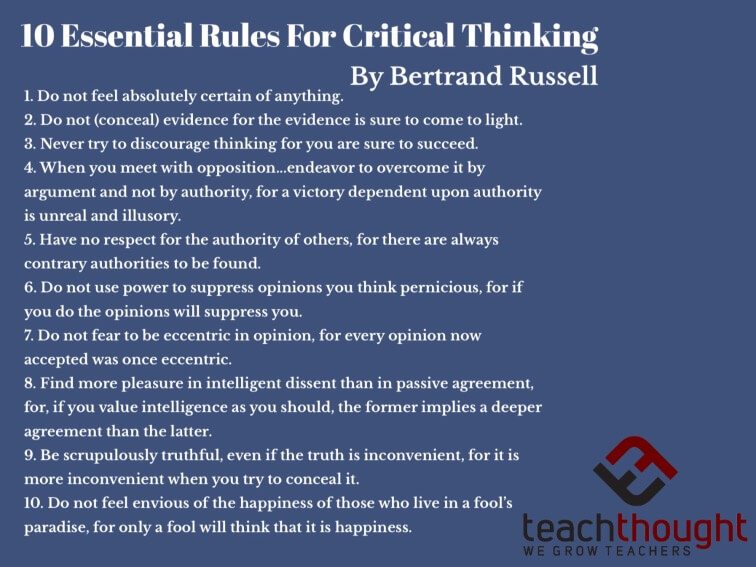
Bertrand Russell’s essential rules of critical thinking: #1. Do not feel absolutely certain of anything.
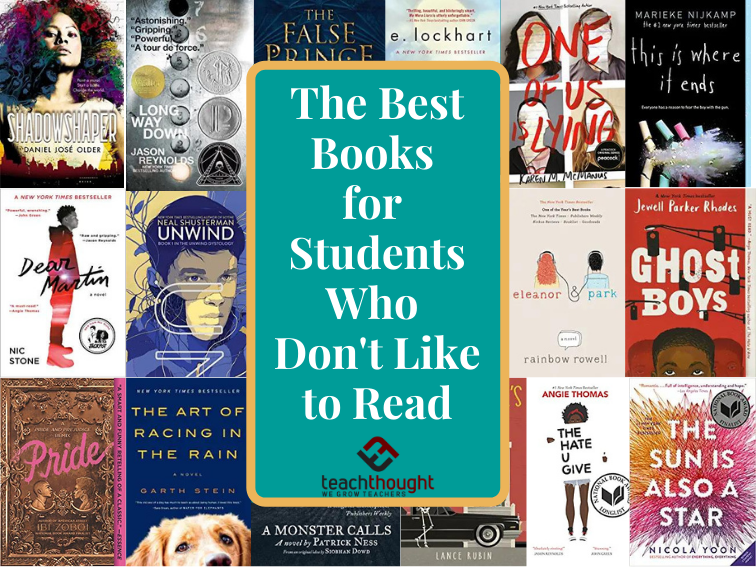
Here are the best books for students who don’t like to read. From murder mysteries to dystopian societies, there’s something for everyone!
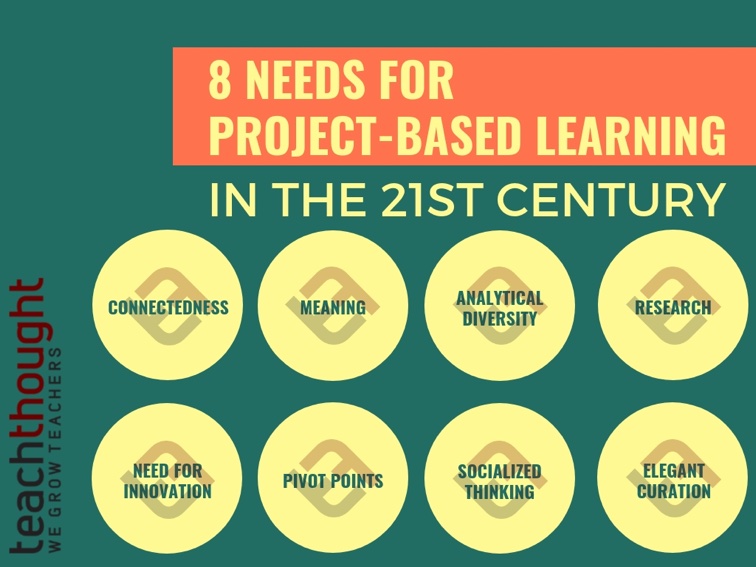
Project-based learning needs in the 21st century include socialization, elegant curation, research, pivot points, and other considerations.
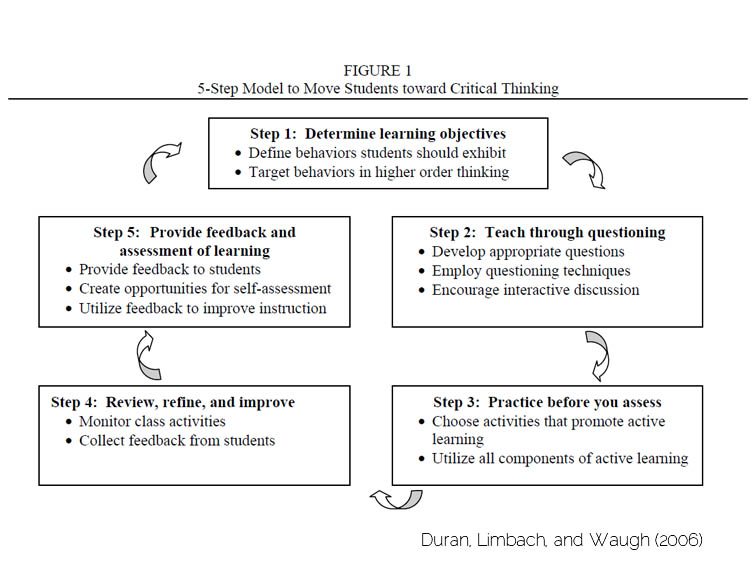
Like anything else in your classroom, promoting critical thinking skills is a matter of planning, priority, and practice.
From playful to flashcards to ACT practice, here are 12 of the best vocabulary apps for middle and high school students.
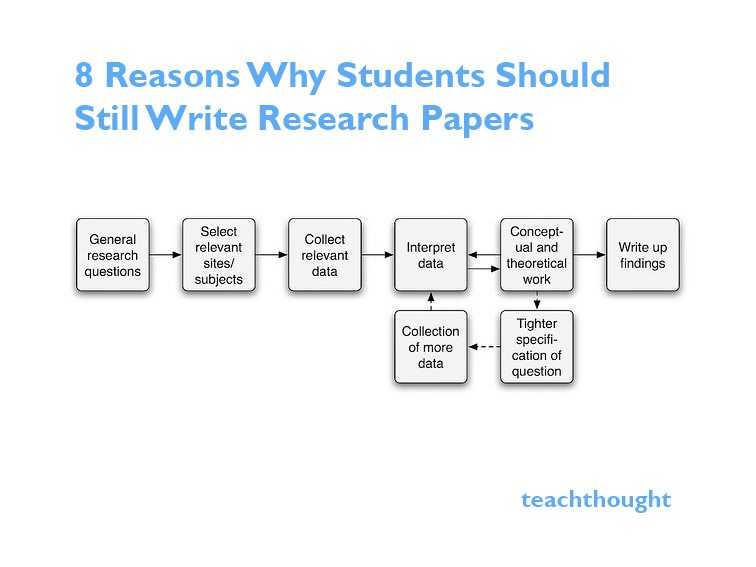
The research paper is about information found, understood, and explained to others, a way to authentically extend the course content and purpose.