20 Brain-Based Learning Resources For Teaching
Understanding the brain’s structures, reactions to sensory input, and storage of information is crucial for understanding how people learn.


Understanding the brain’s structures, reactions to sensory input, and storage of information is crucial for understanding how people learn.

Some of the free animation tools here give educators basic histories of animation while others have the animation already and set in motion.

When helping students design projects, I provide these kinds of prompts to help students see how texts, apps, and more can all work together.

34 Free Resources To Learn Music Online by TeachThought Staff Music has a powerful effect on people young and old — just listening can affect mood, memory, sleep, and can inspire a sense of belonging or feeling understood. However, scientific research has proven that the process of actually making music has a significant impact on…
Background noise works by quieting subconscious chatter and the need for stimulus. It’s a powerful tool for writing, reading, and focus.
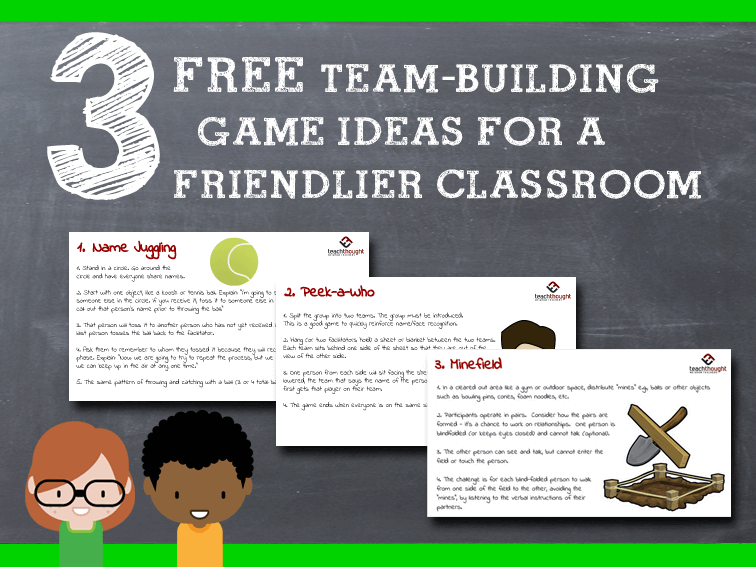
Included in this post are 10 team-building games to get you started towards a friendlier, more positive classroom.
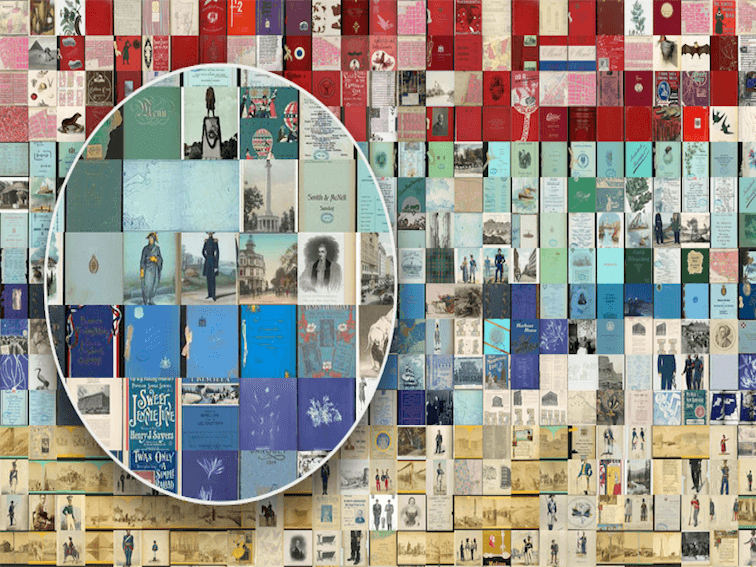
The New York Public Library is making interactive history in the classroom more accessible by releasing an archive of 708,000+ docs & images.

Close-reading is an active process characterized by questioning, adjusting reading rate, judgement thinking, and dozens of other strategies.

That Dragon, Cancer is an immersive experience that narrates Joel Green’s fight against cancer through poetic, imaginative interaction.
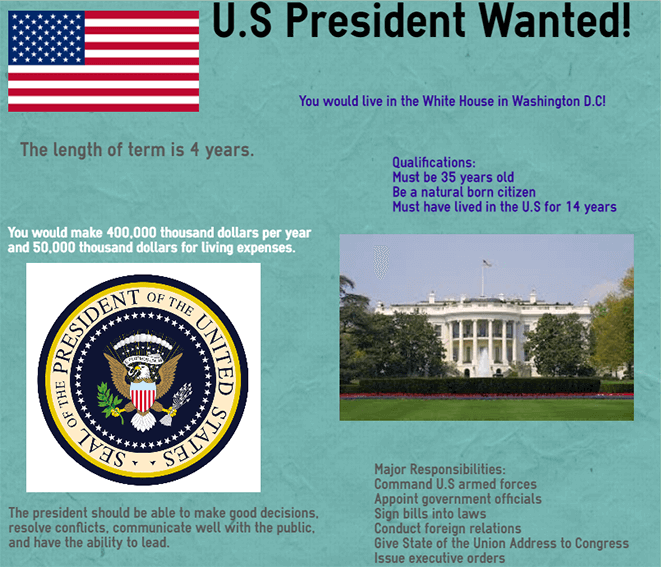
You can use infographics to teach candidates’ views, look for patterns & alliances, take and represent poll data, and count delegates.

Blendspace has become ‘TES Teach’ and is a platform that offers a range of blended learning resources for teachers.

The Forces and Motion: Basics STEAM app lets students investigate forces, acceleration, and Newton’s law in an engaging, digital environment.

A Great Tool For Planning Global & Collaborative Project-Based Learning by TeachThought Staff From a press release WASHINGTON, DC—January 12, 2016— How do the traits of hummingbirds, geckos, and other animals help scientists design robots? What can bird’s nest soup tell you about Chinese culture? How do images, color and text work together to communicate ideas that can change…
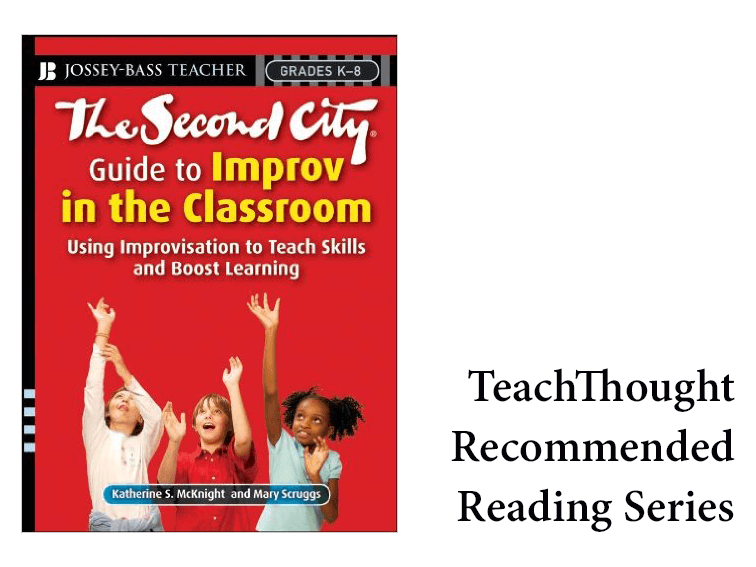
The Second City Guide to Improv in the Classroom aims to promote team-building, thinking on-the-fly, & fun through improvisation.