6 Golden Rules For Engaging Students
A good start toward engaging students is to meet the student on their own terms using ideas, evidence, and language credible to them.

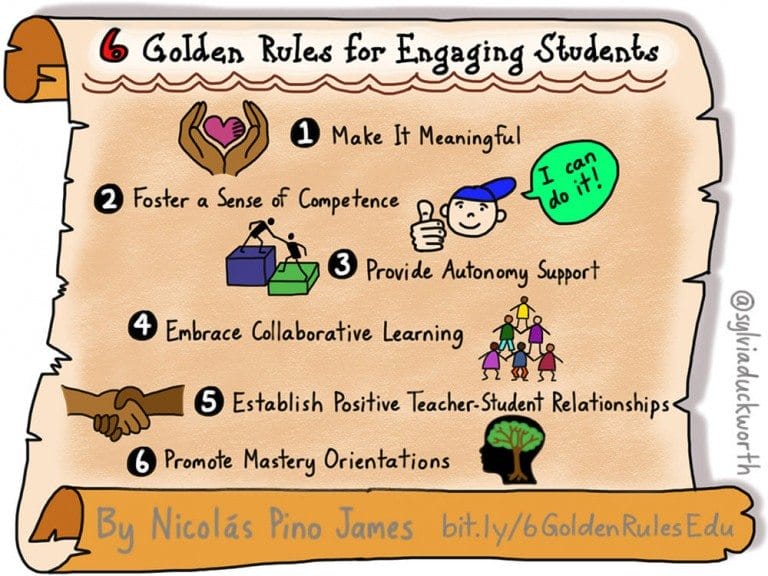
A good start toward engaging students is to meet the student on their own terms using ideas, evidence, and language credible to them.

Helping students pay attention in a traditional classroom setting may be a challenge of pure student engagement.
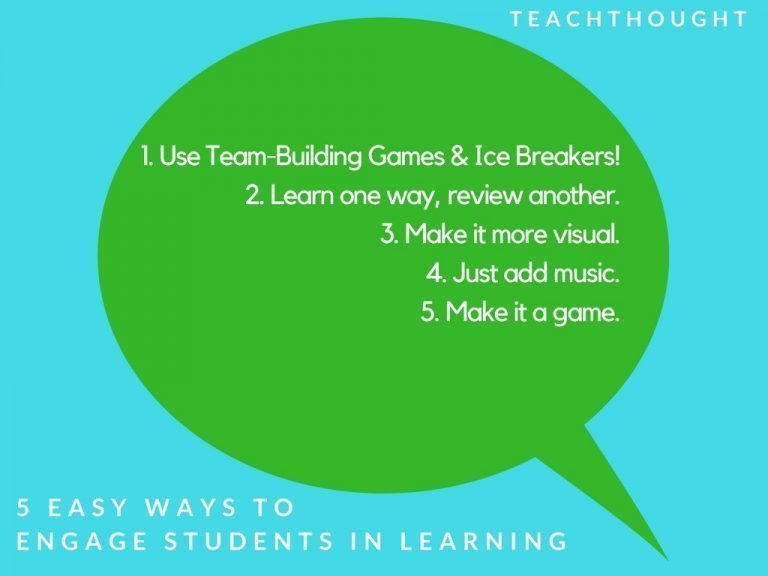
Here are 5 different tools and strategies to help students connect, collaborate, and create more in the classroom.

What is the one classroom management strategy that works every time? Build strong relationships with every student, every day.
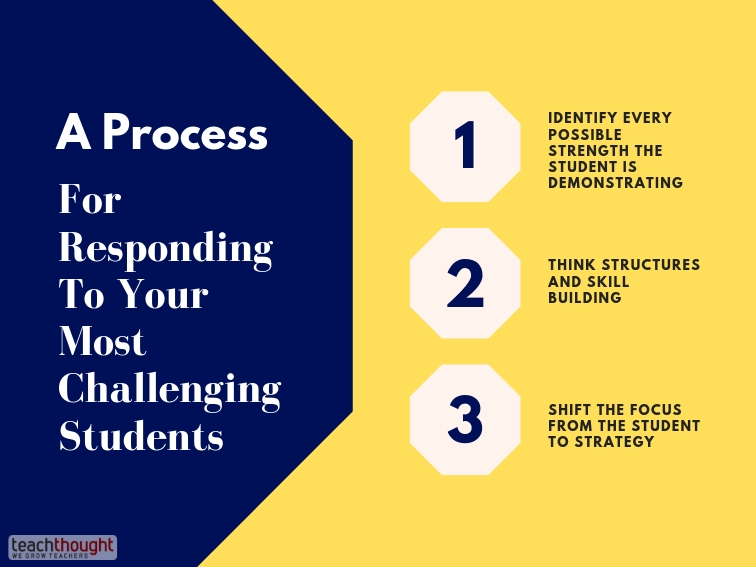
The students’ strengths–and your trust–are two tools that can help you form a relationship when working with challenging students.

Equipping students with the right tools and providing them with the proper support can set struggling readers up for success.
How do you communicate with your students? Face to face, workshopping, supportin them as they communicate with one another?

Ideally, assigned homework should be less frequent and hopefully more personalized to the needs of the student and their ongoing work and growth.
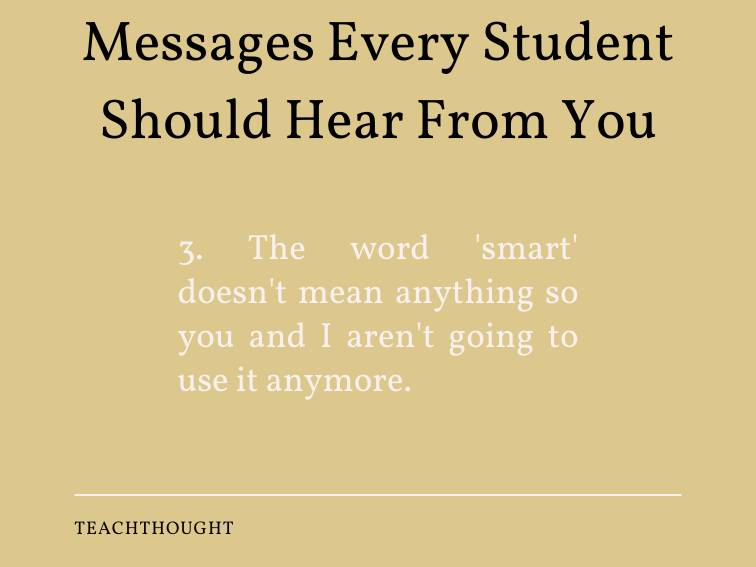
One message every student should hear from you: “The word ‘smart’ doesn’t mean anything so you and I aren’t going to use it anymore.”
The better we know our students, and the more they know and trust that we know them, the more invested they become in their learning.
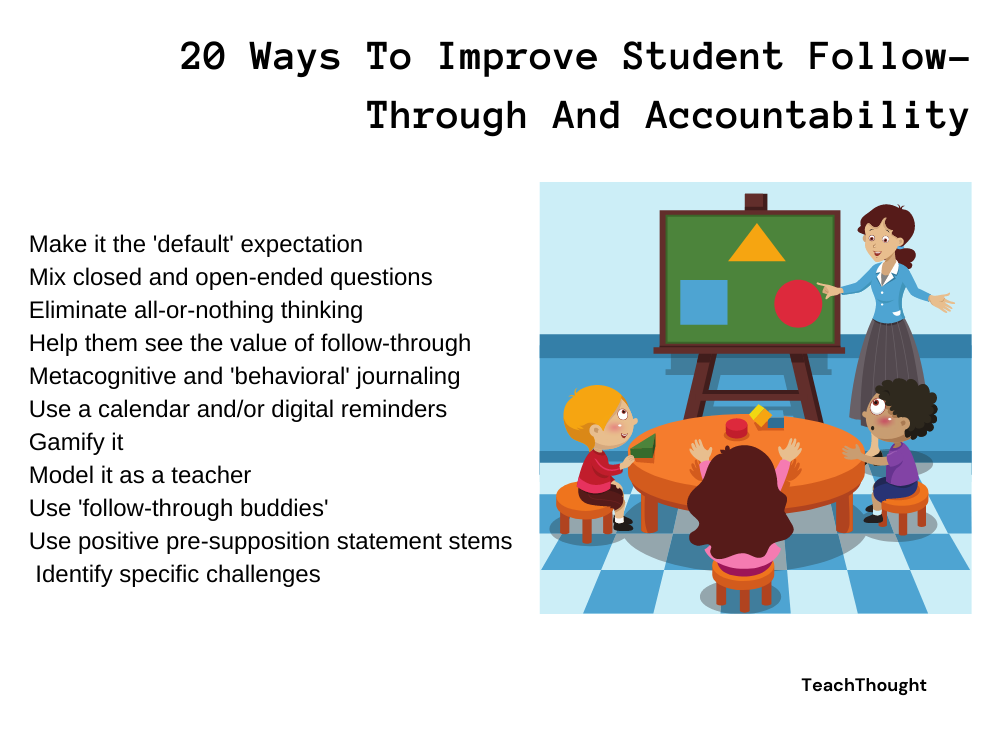
What about holding the student accountable? Let’s research-based strategies that give students the best chance for success.
Positive reinforcement is the act of rewarding desired behavior by offering a desired reward. The goal is to promote future desired behavior.

If giving points is the only way to motivate a student to complete an assignment, perhaps we should look more closely at the assignment.
A Univ. of Missouri researcher developed a scale that quantifies student engagement, which can help identify barriers to participation.