50 Sentence Stems for Reading Critically
Critical reading is about gathering knowledge, understanding context, and seeing ideas from multiple perspectives to make sense of a text.

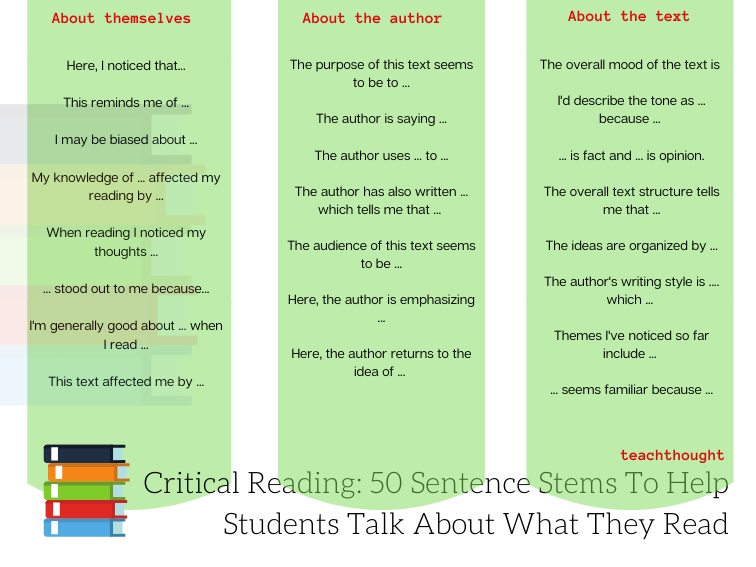
Critical reading is about gathering knowledge, understanding context, and seeing ideas from multiple perspectives to make sense of a text.
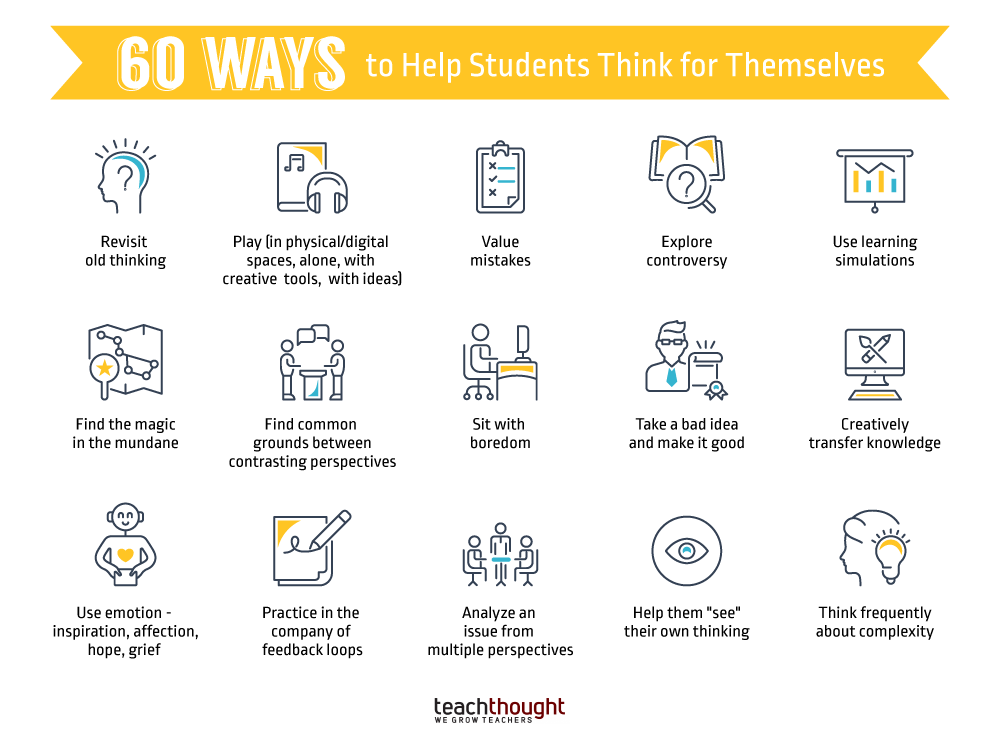
There are many ways to help students think for themselves. Guide them to dynamic spaces characterized by people, thought, and creativity.
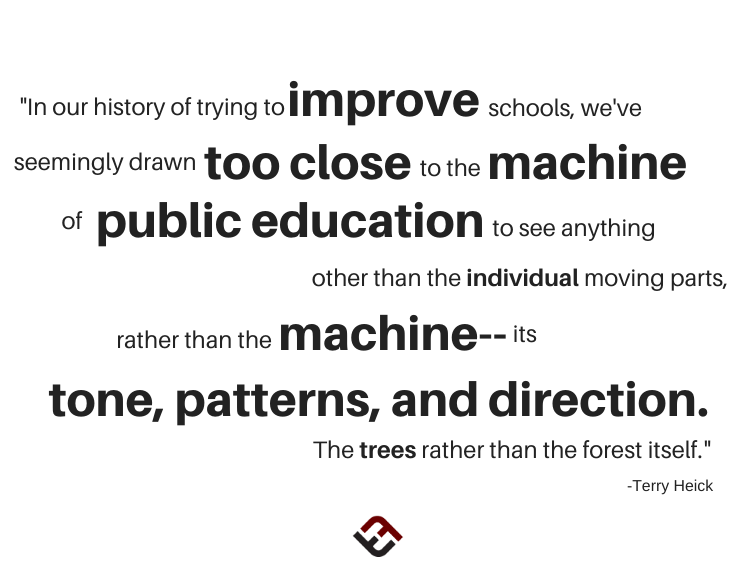
Education is both tired of change, and evaporating without it. Here are ways to future-proof your teaching to ‘evolve smarter,’ not ‘harder.’
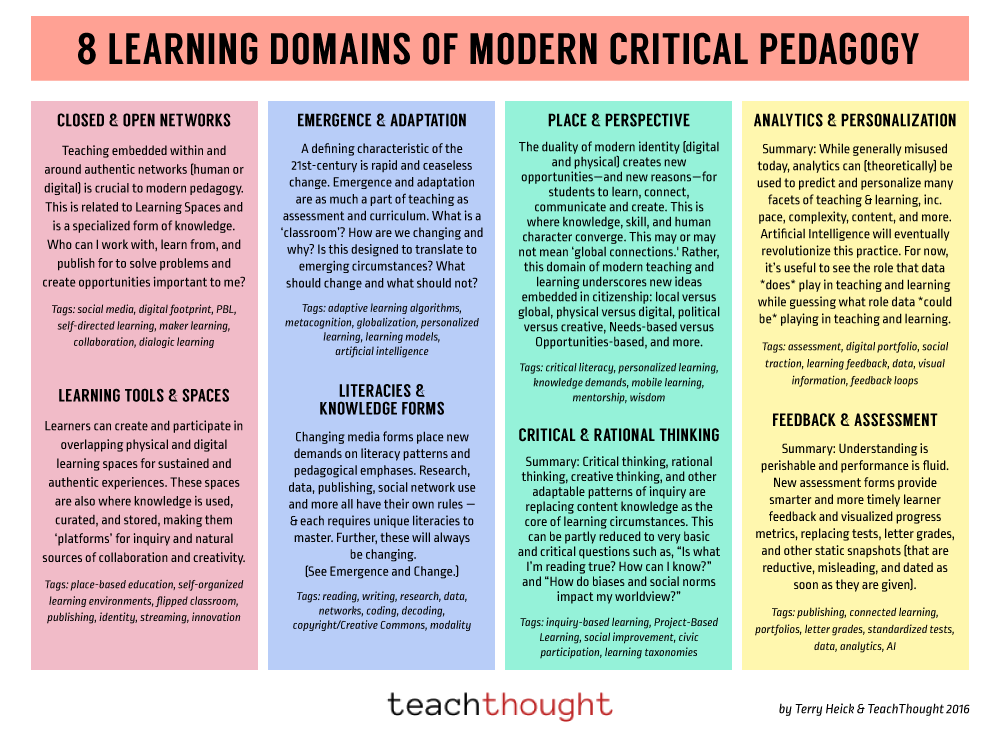
How has teaching changed? What is 21st century pedagogy? Key elements include analytics, personalization, place, and perspective.
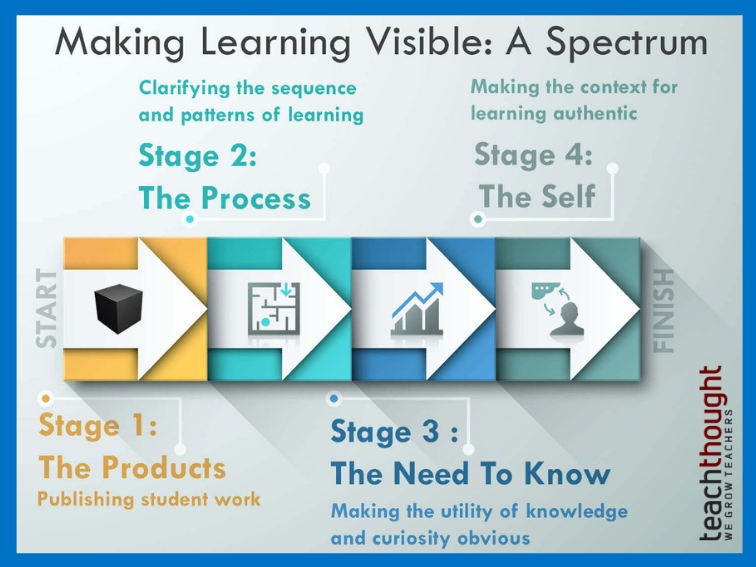
As we make learning visible, the process and sequence of learning is illuminated. This helps students see understanding as always evolving.
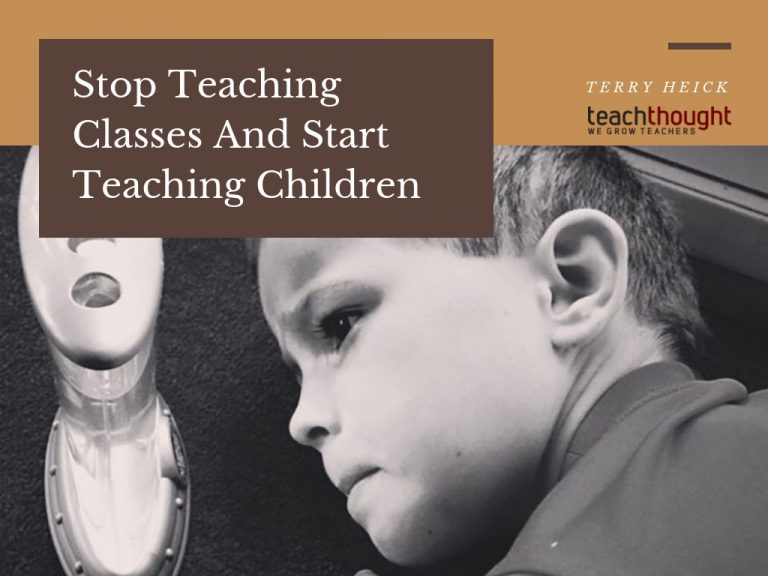
Give me a curriculum based on people–based on their habits and thinking patterns in their native places and a genuine need to understand.
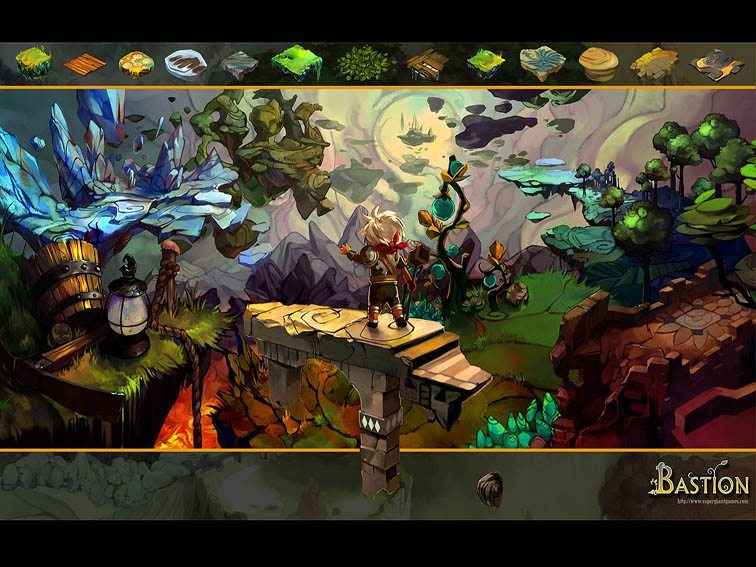
Video games are increasingly used to confront social and cultural issues that are otherwise problematic to address with a raging troll-fest.
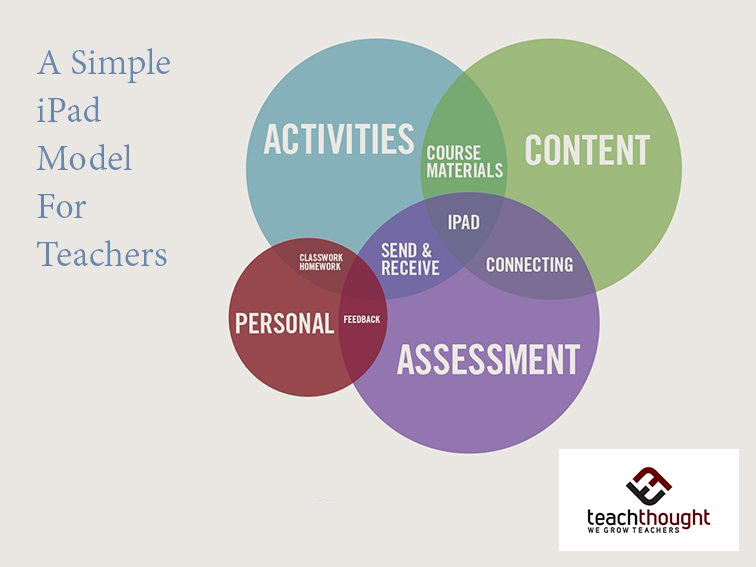
How can the iPad promote a broader set of evidence of understanding? How can it promote the assessment of higher-order thinking skills?
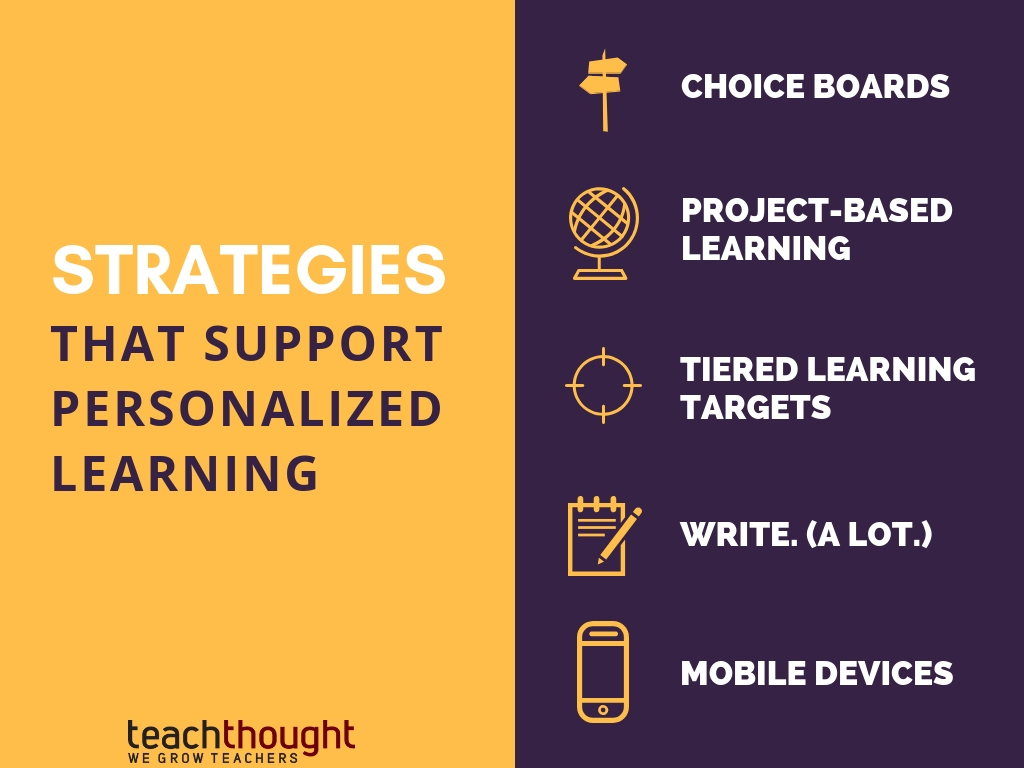
A choice board is a simple personalized learning tool that provides scaffolding, tiering, use of Bloom’s, multiple learning styles, and more.
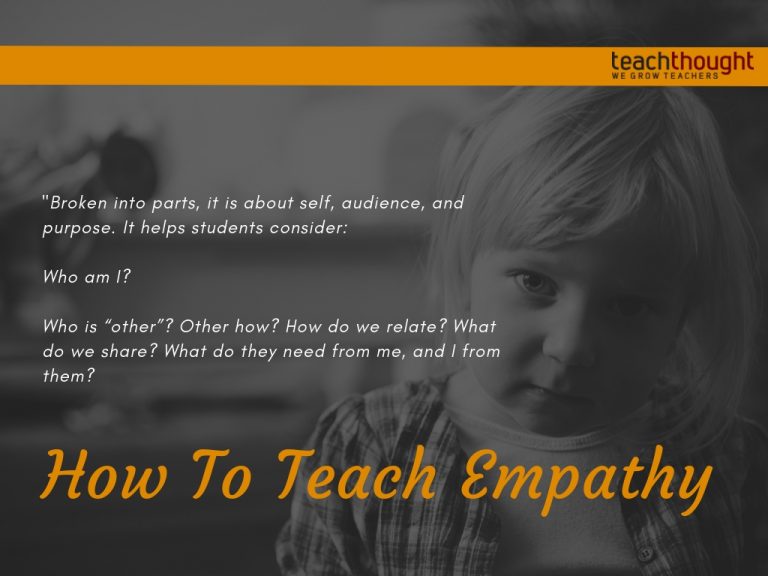
Want to teach students empathy? Start by helping students themselves not, “How am I unique?” but rather “How are we the same?”
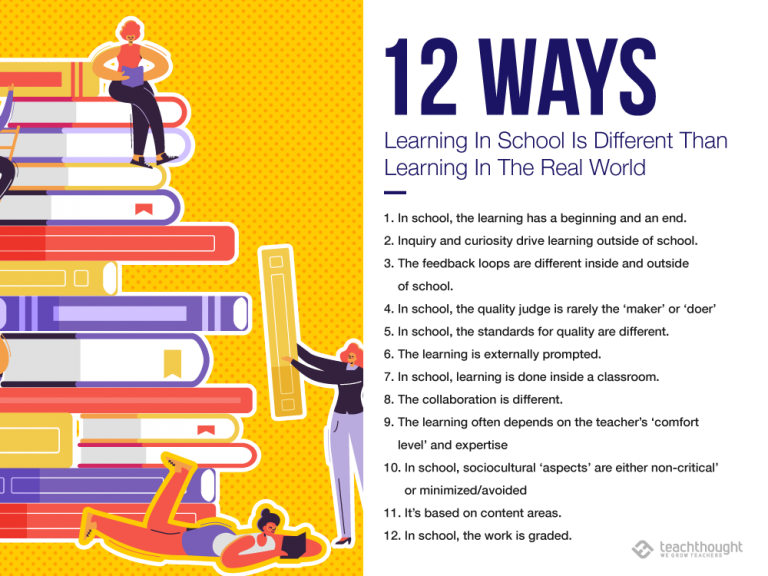
In school, learning is externally prompted by a quality judge, rather than curiosity, genius, or intended application in real-world learning.
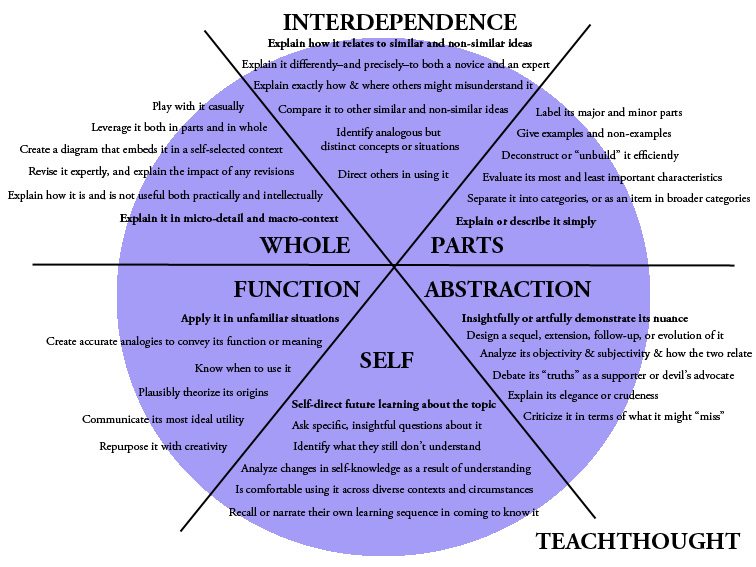
A good question can open minds, shift paradigms, and force the uncomfortable but transformational cognitive dissonance that can help create thinkers.
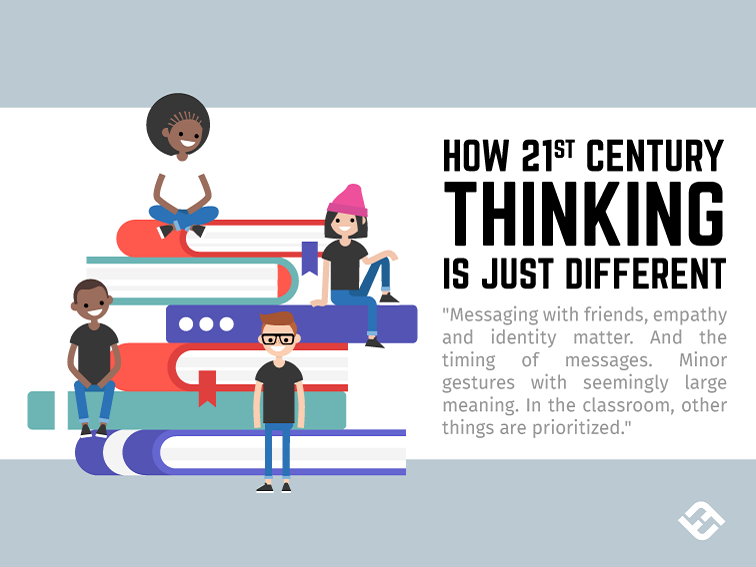
The shift toward a fluid, formless, socialized nature of information, thought, and belief is a not a small one.
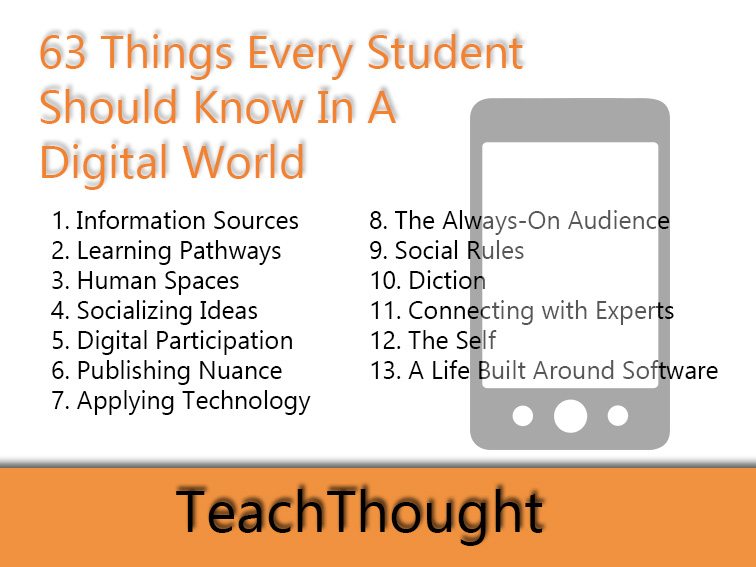
In an increasingly digital world, the things a student needs to know are indeed changing–sometimes drastically.