7 Teaching Secrets For Long-Term Growth
Protecting your planning period by shutting your door isn’t ‘backwards teaching,’ it’s a survival strategy.

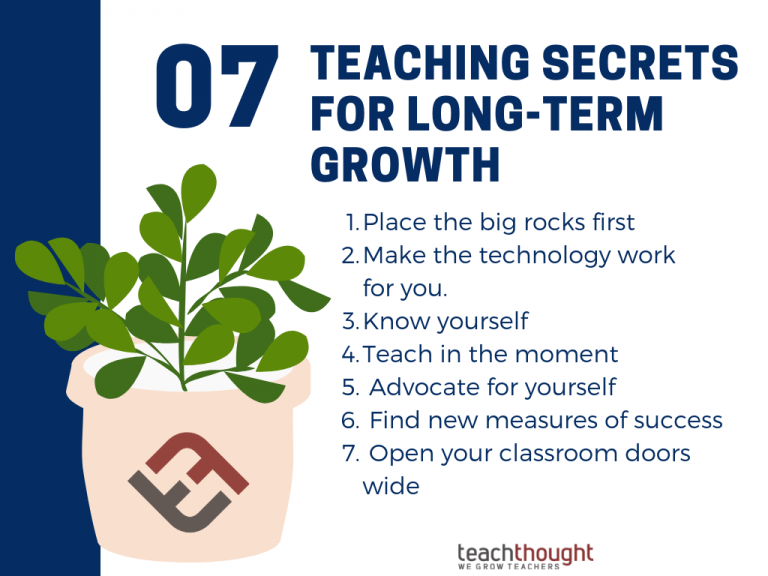
Protecting your planning period by shutting your door isn’t ‘backwards teaching,’ it’s a survival strategy.
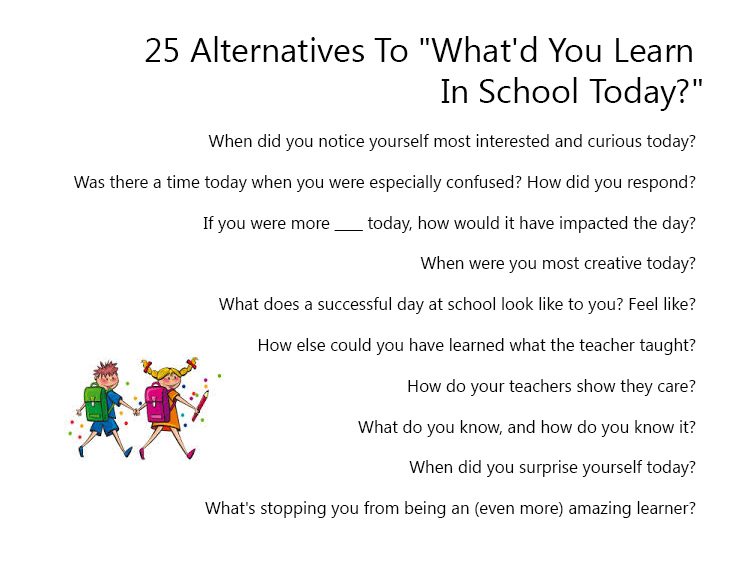
“What did you learn in school today?” It’s easy to resort to cliches when talking to kids about school. Here are some alternatives.
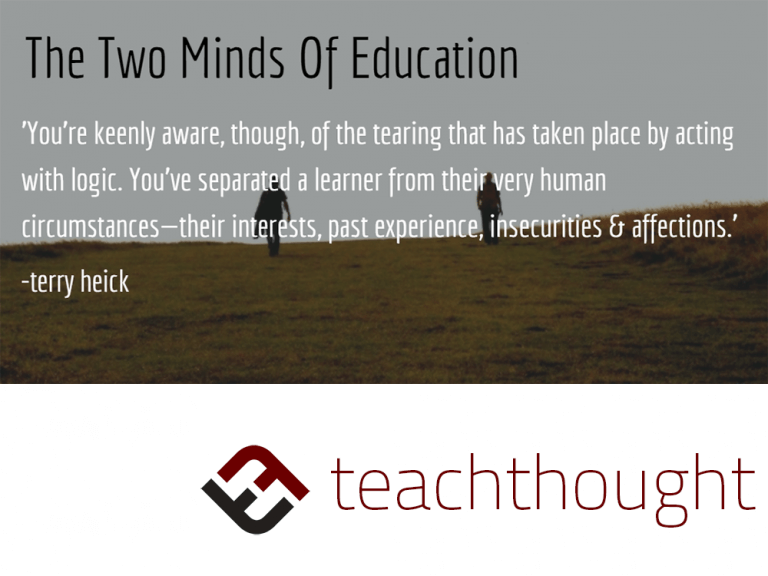
The need to be rational collides with the enormous complexity and scale of the circumstances teachers face.
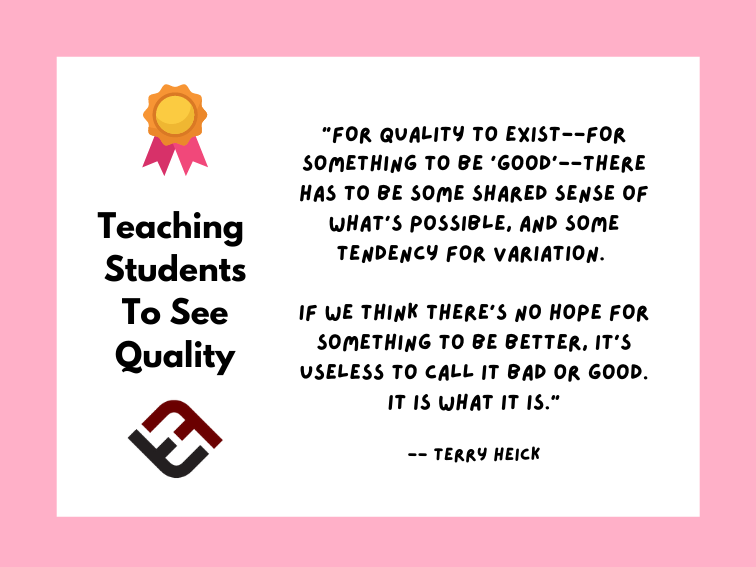
So what does quality have to do with learning? Quite a bit, it turns out. And it starts out with helping students understand what it means.

After researching, this stage of the inquiry process is centered around students clarifying both their own thinking.
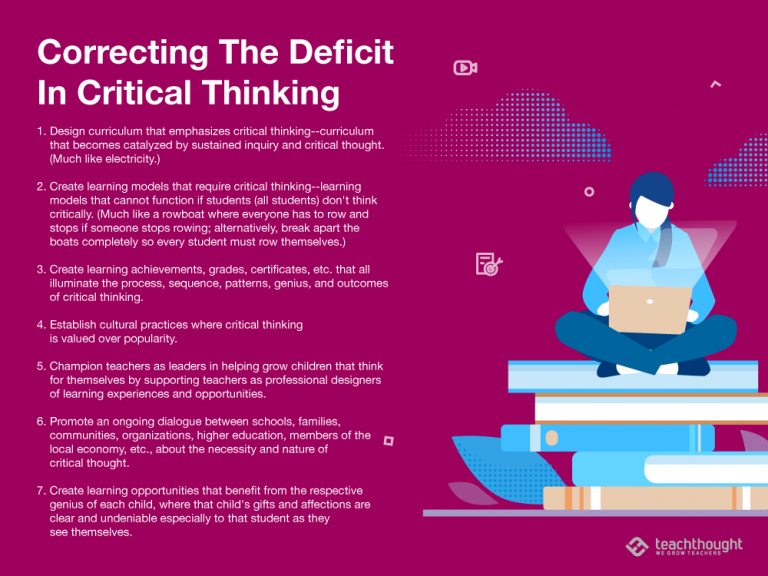
We can address a deficit of critical thinking by embedding into the architecture of education. This can be accomplished in any number of ways.
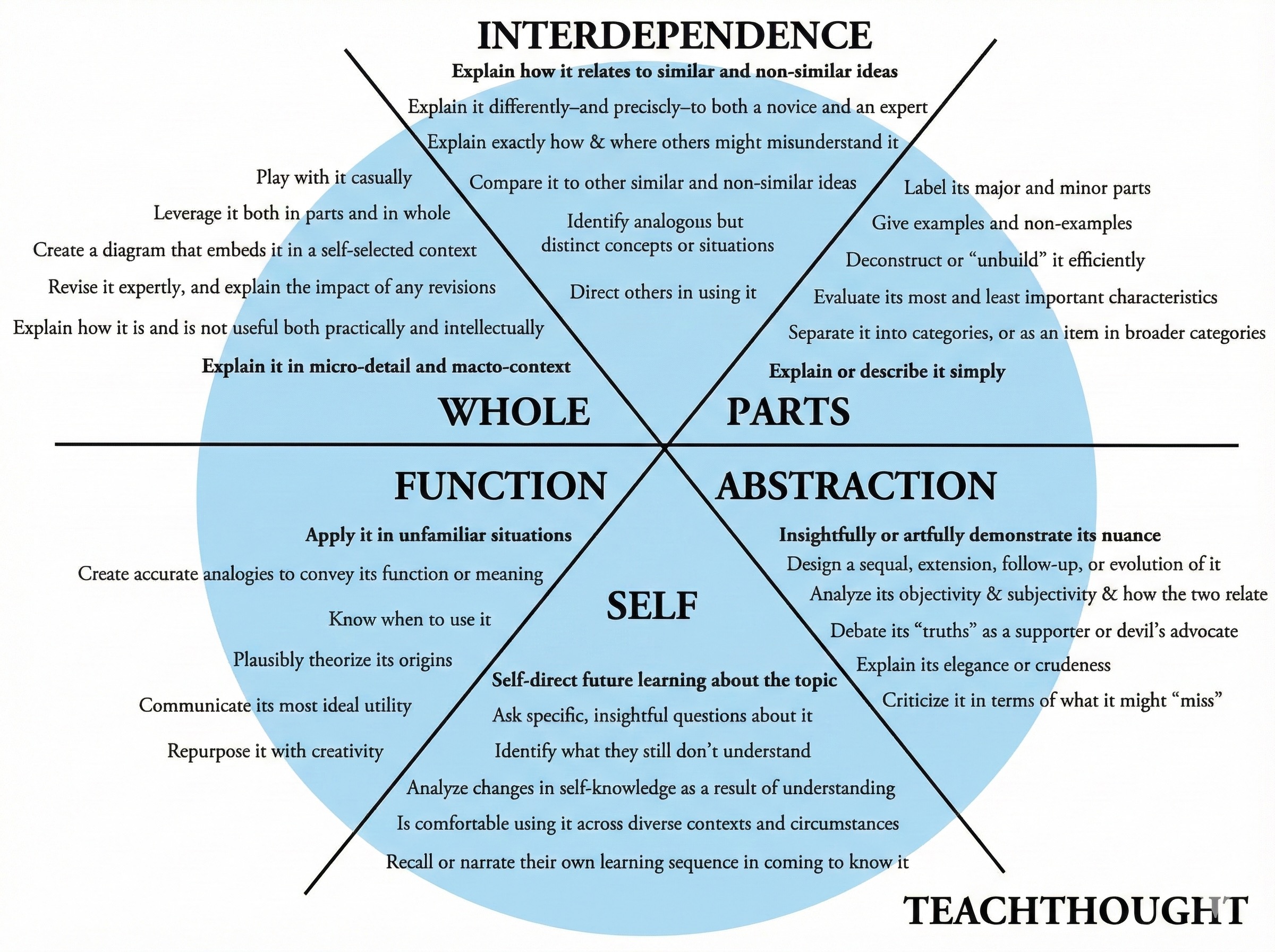
The Heick Learning Taxonomy can be used to guide planning, assessment, curriculum design, and self-directed learning.

Reading is personal but we often focus on the mechanics instead of the people and the strategies instead of the living and breathing happening around us.
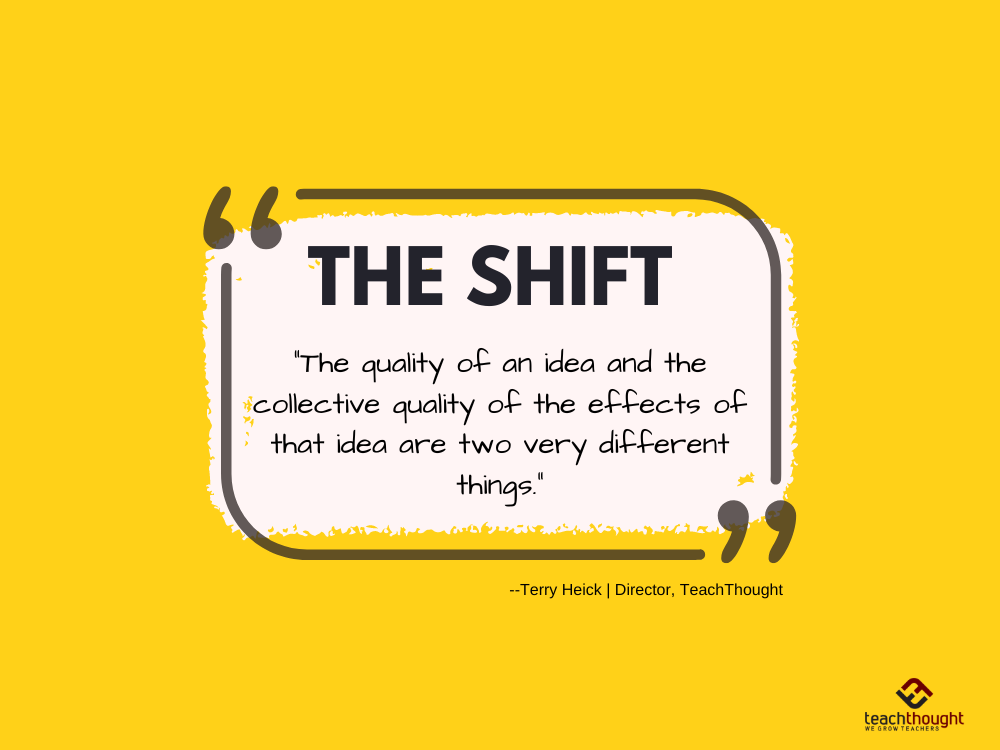
Social-Emotional Teaching is every bit as important as Social-Emotional Learning. Teaching matters and teachers matter
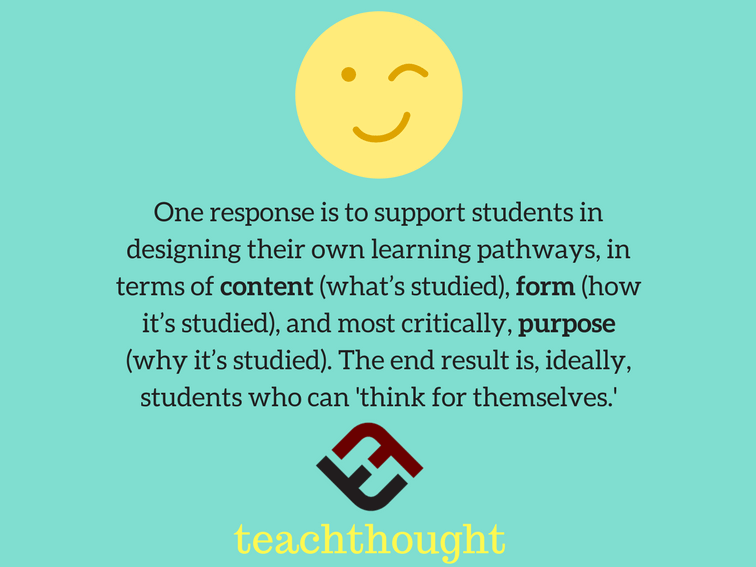
Out of all of the ideas and circumstances and knowledge and information that you encounter on a daily basis, what’s worth understanding?
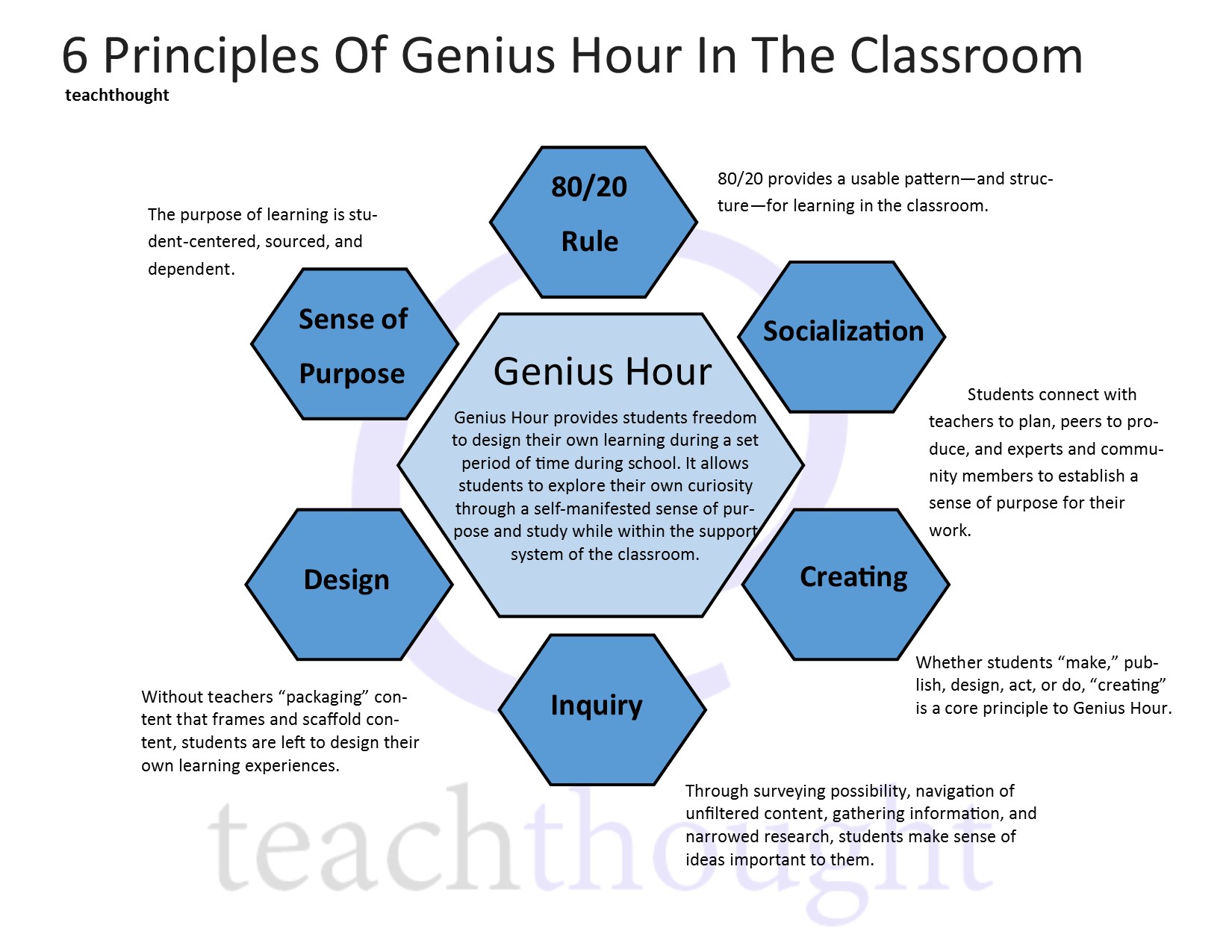
Genius Hour in the classroom is driven by curiosity. Critical principles include inquiry, purpose, socialization, and design.
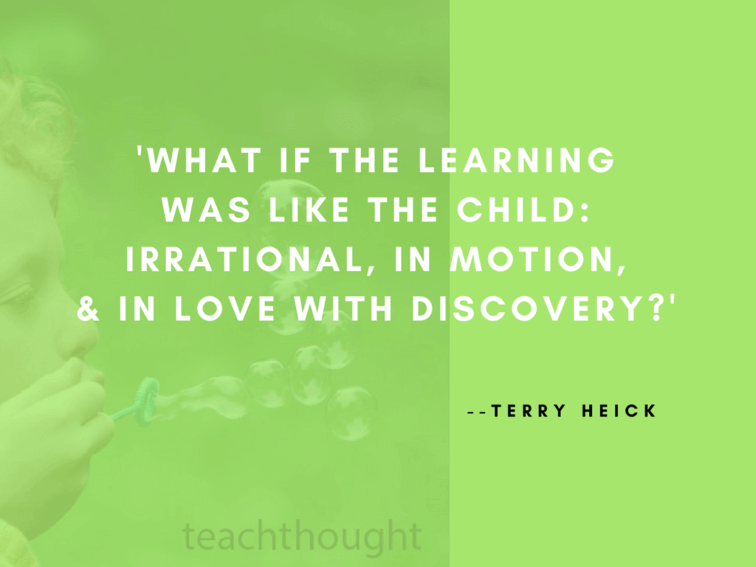
Our task? Overcome a child’s natural tendency to play, rebel, and self-direct in hopes of providing them with an ‘education.’
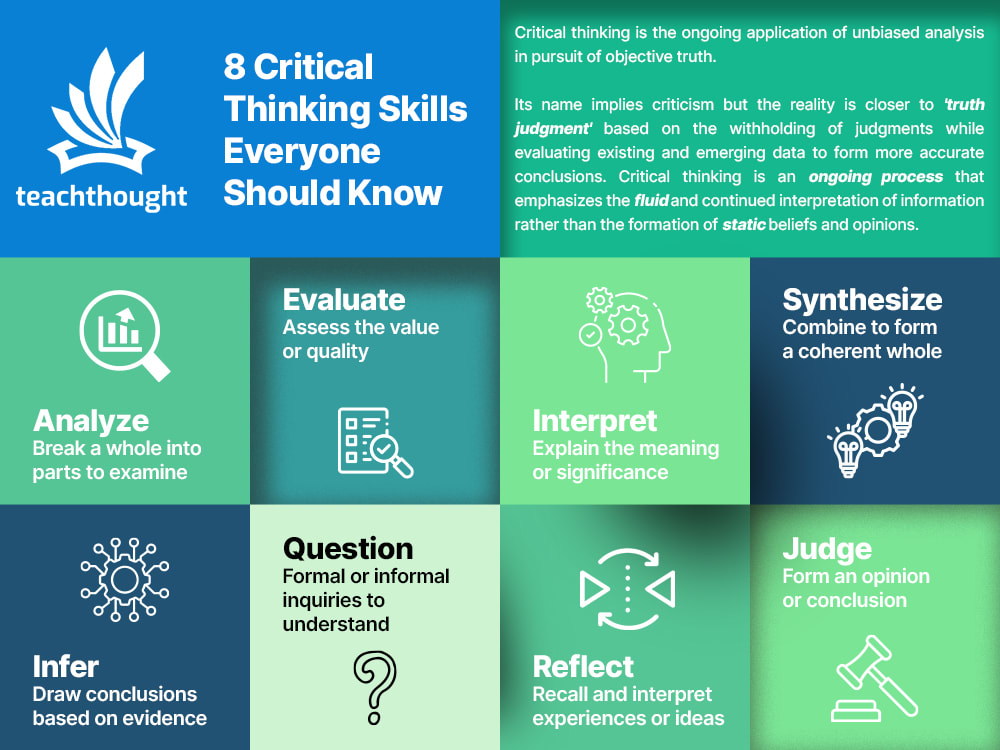
The most important critical thinking skills include analysis, synthesis, interpretation, inferencing, and judgement.

Grading problems still surfaced, but with a system in place, it was easier to identify what went wrong and communicate why to students.