Why Did That Student Fail? A Diagnostic Approach To Teaching
What is Diagnostic Teaching? Diagnostic teaching is a step-by-step, intentional process for pinpointing exactly why a student is struggling.

What is Diagnostic Teaching? Diagnostic teaching is a step-by-step, intentional process for pinpointing exactly why a student is struggling.

At this point, accepted, protected, challenged, and aware, you can begin to agitate their thinking.
Effective use of technology can reduce teacher workload, enable new instructional strategies, and improve student performance.

Increasingly, books aren’t thought of as entertainment or even as ways to learn; they are thought of in terms of their form: as books.

Limiting the craft of writing in the classroom to a single content area has damaged the perceived power and potential of writing.
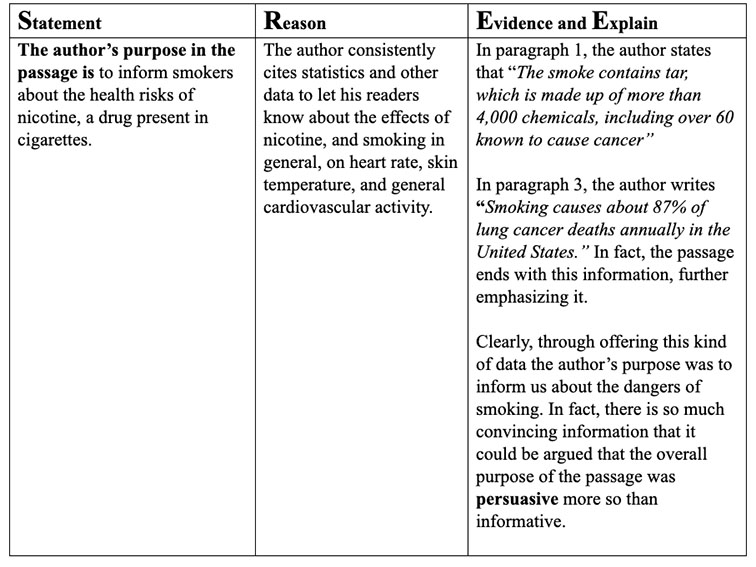
SRE is an initialism representing three central tenets of argument making: Statement, Reason, Evidence (or Example, Explain, or Expand).
Incrementalism is the process of change by small degrees. Gradualism. This is also the process education has chosen for improvement.

The world is changing — let schools become something that works for children, something that visibly improves the arc of their lives.

Creativity is a 21st-century teaching and learning currency–and the best way to make sure it happens is to give points for it.
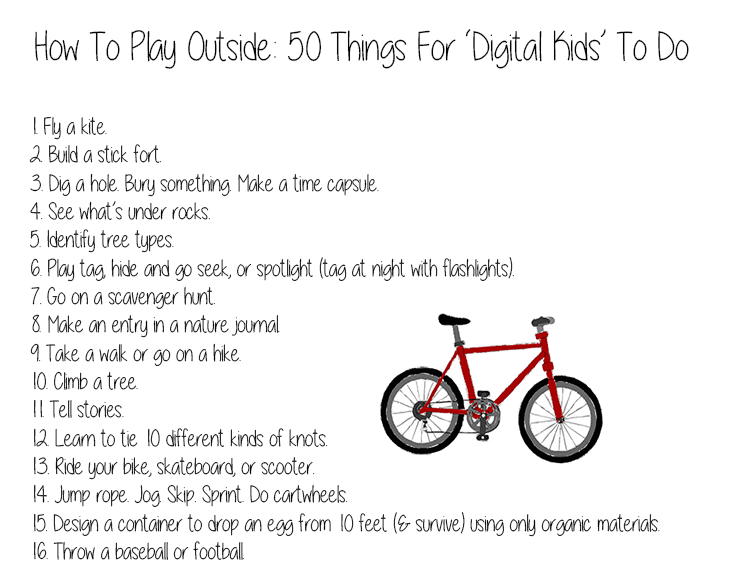
So you’ve been told to play outside, and you’re not sure what to do. There’s no electricity, no Wi-Fi, and the sun’s glaring on your iPad.
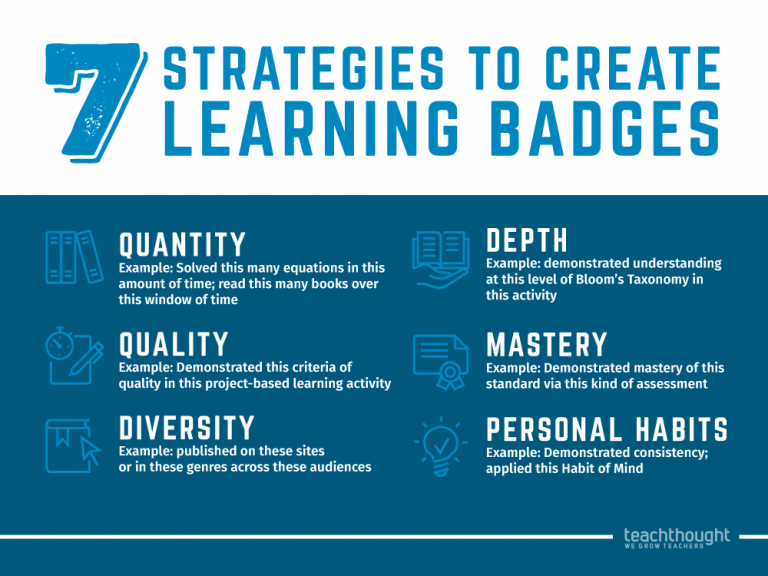
The effect of well-designed learning badges is a kind of encouragement mechanic that helps students see their own progress.

Ask yourself if teaching is good for you. Healthy. Sustainable. What you want to do and be. A lot has changed in education. A lot.
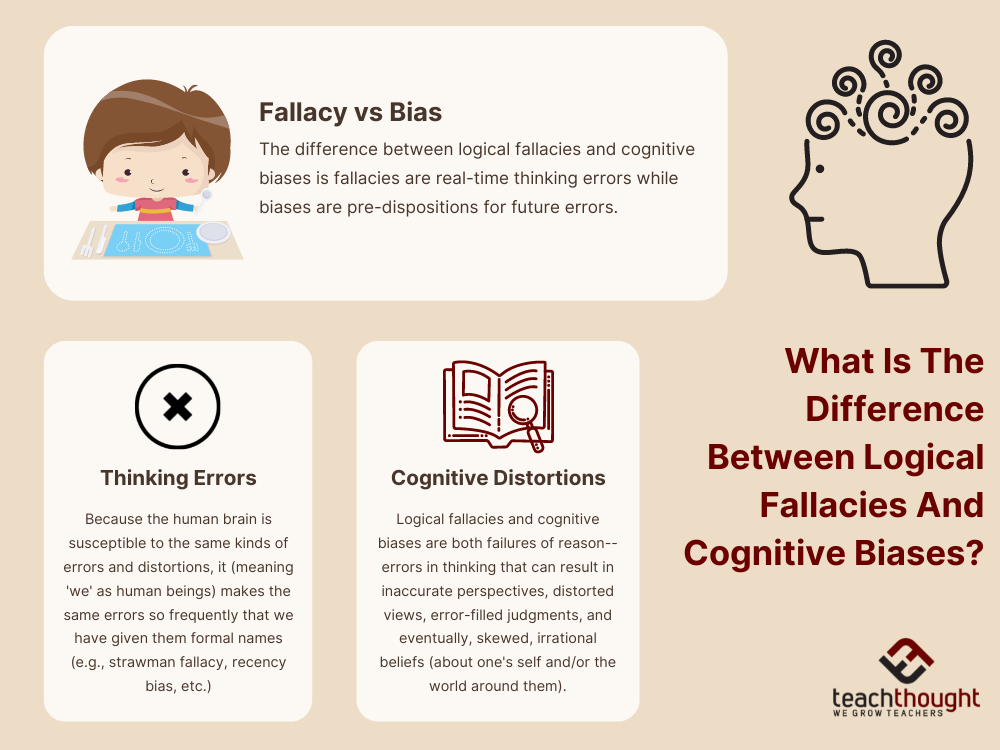
The difference between fallacies and biases is a matter of timing: fallacies are real-time thinking errors while biases are pre-dispositions for future errors.
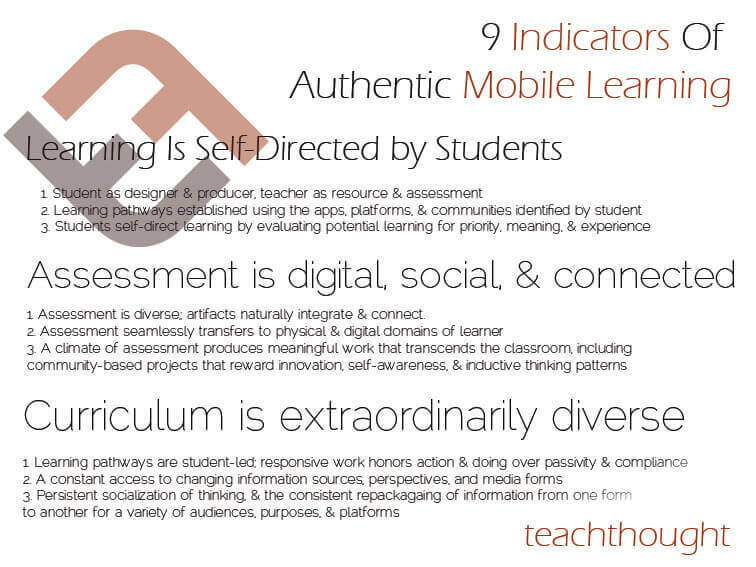
Designing instruction around tablets requires some slight shifts in how you view when, why, and how learning happens.