26 Sentence Stems For Higher-Level Conversation In The Classroom
During meaningful conversations, students are forced to be accountable for positions, to listen, and to analyze opposing perspectives & ideas.

During meaningful conversations, students are forced to be accountable for positions, to listen, and to analyze opposing perspectives & ideas.
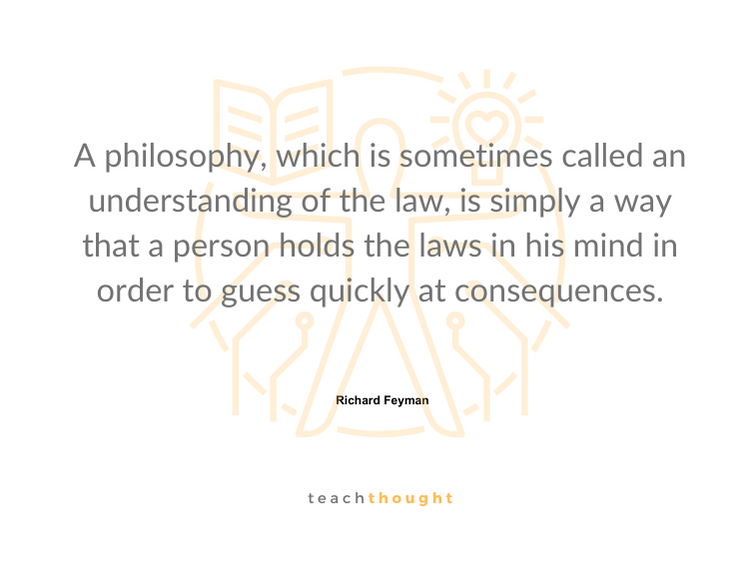
“A philosophy…sometimes called an understanding of the law…is a way that a person holds the laws…to guess quickly at consequences.”
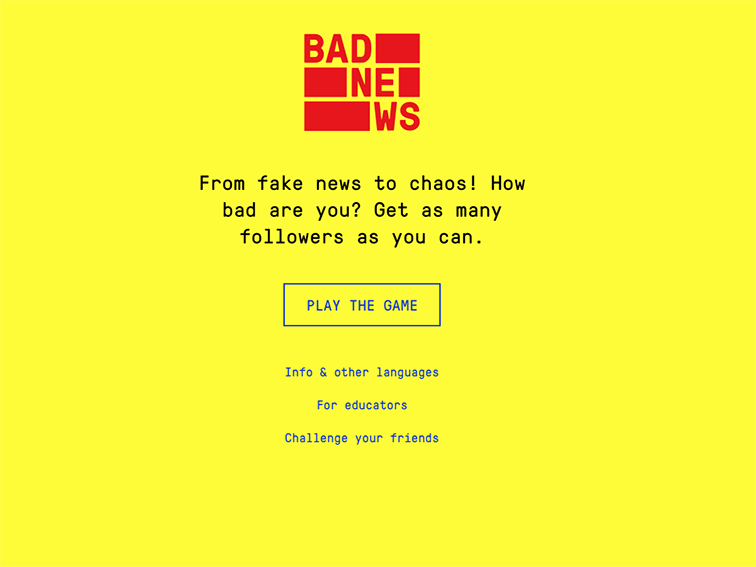
This (simple) game helps students understand how fake news works, why it becomes popular, and its central mechanics and trends.
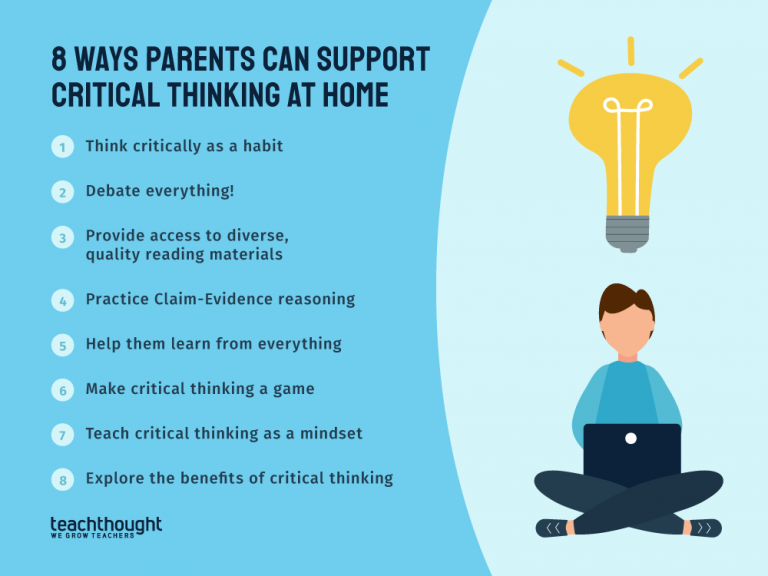
Practicing critical thinking at home–in their ‘native environment’–is a useful strategy to build their cognitive muscles.
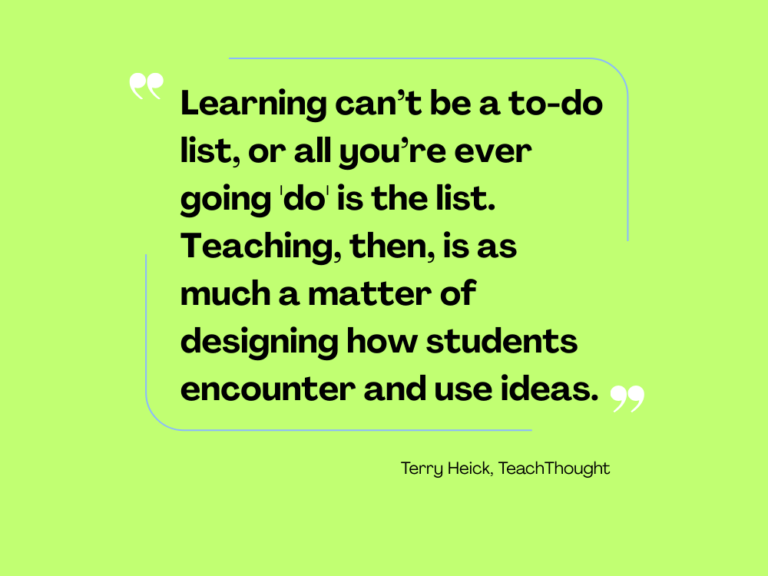
For me, my biggest takeaway from college was learning what I didn’t know.
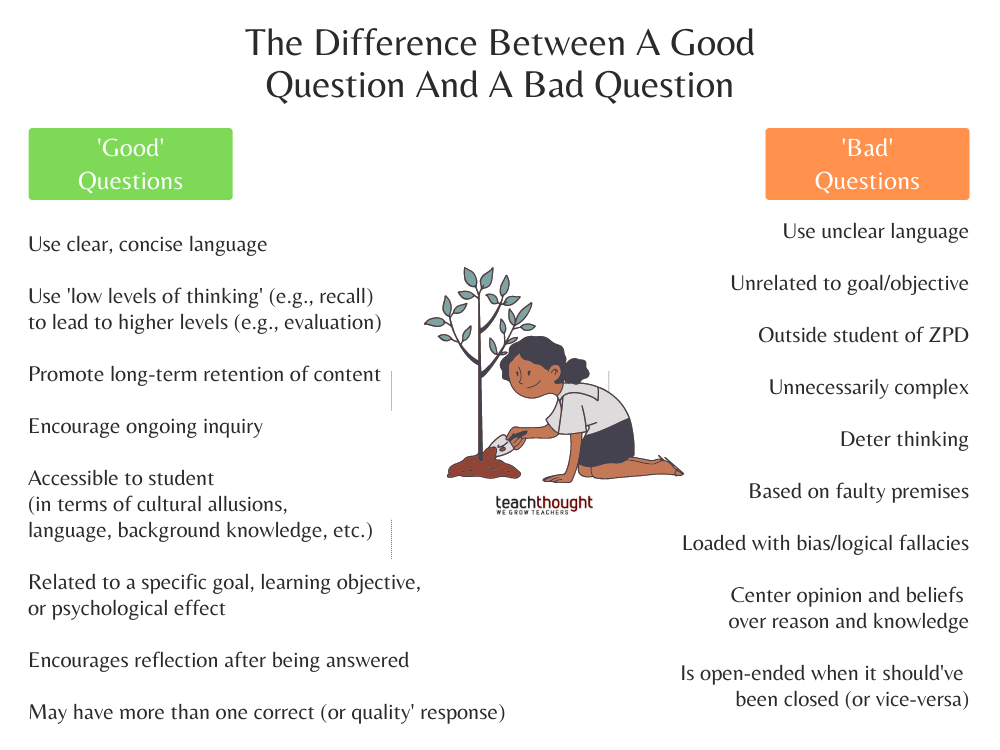
A question is only a strategy (for inquiry) and must therefore have a purpose if we want to evaluate its quality.
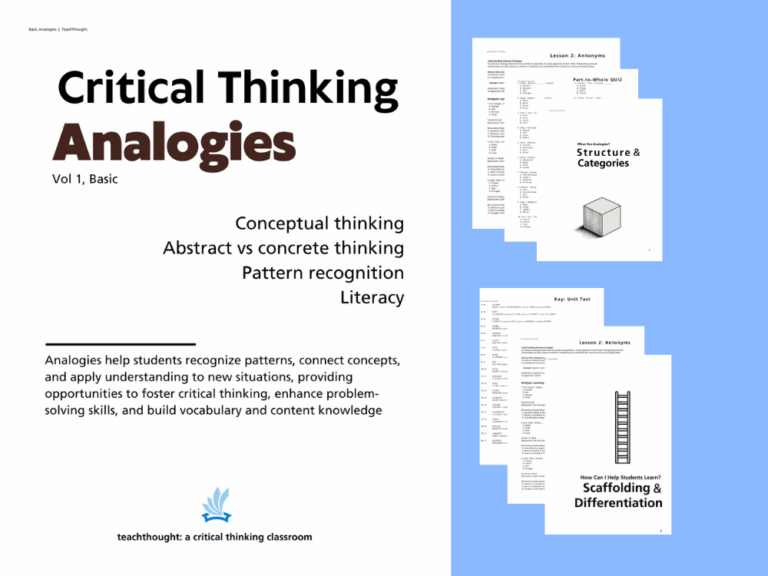
A printable PDF with 40+ practice sets in relationship types: Synonym, Antonym, Part-to-Whole, Cause–Effect, and Function.
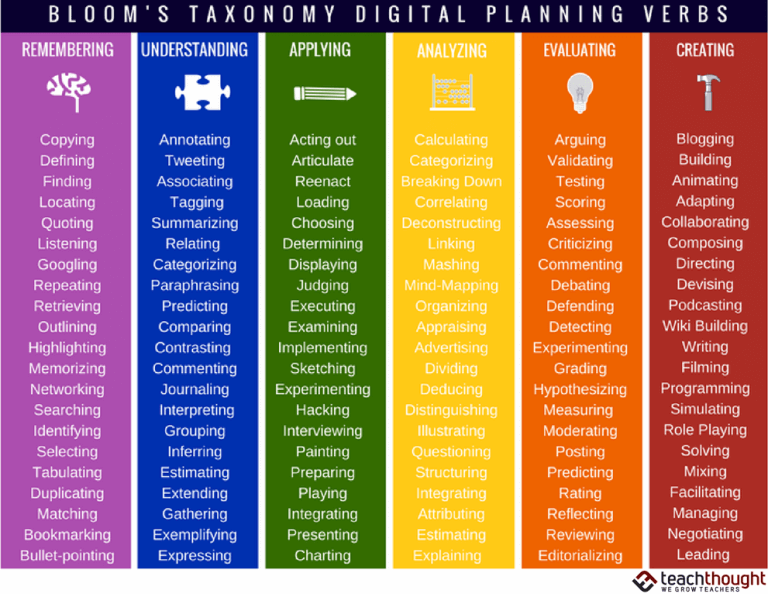
Digital learning allows students to grasp concept more quickly to connect theory & application more adeptly to engage in learning.
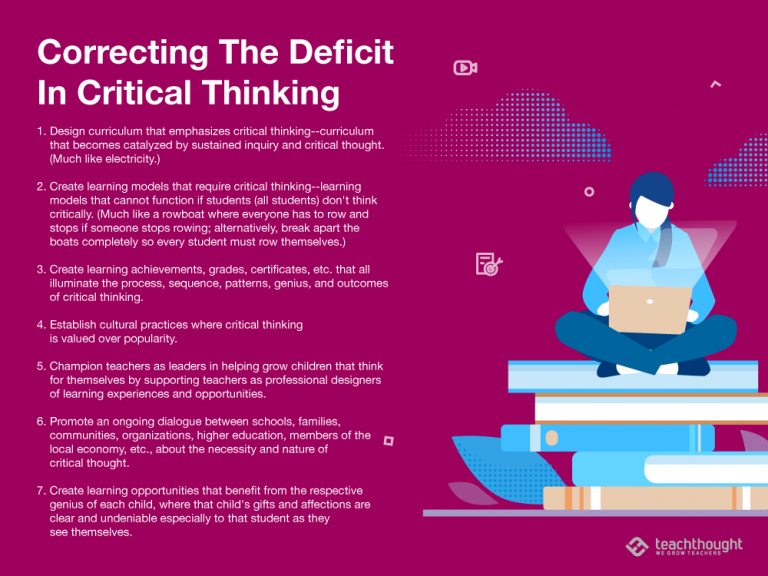
We can address a deficit of critical thinking by embedding into the architecture of education. This can be accomplished in any number of ways.
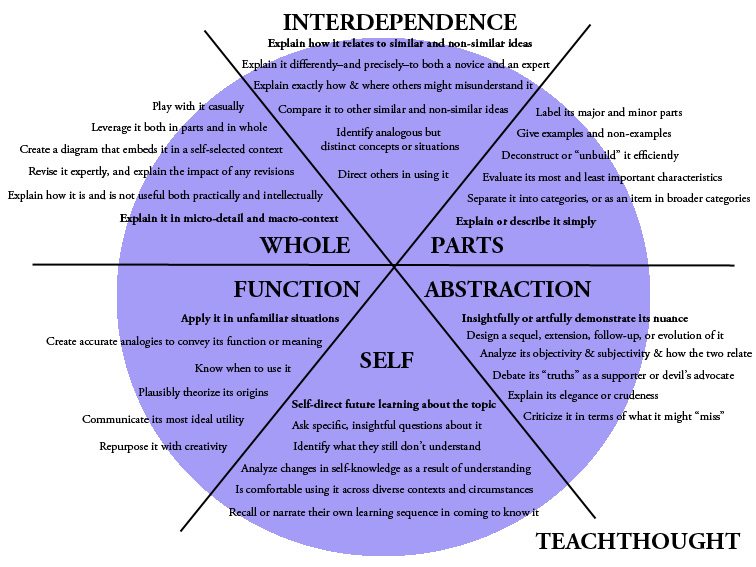
The Heick Learning Taxonomy can be used to guide planning, assessment, curriculum design, and self-directed learning.
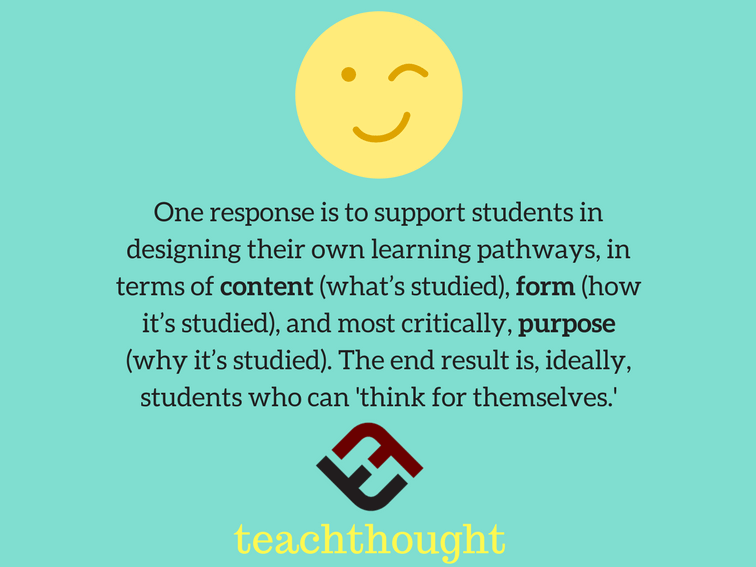
Out of all of the ideas and circumstances and knowledge and information that you encounter on a daily basis, what’s worth understanding?
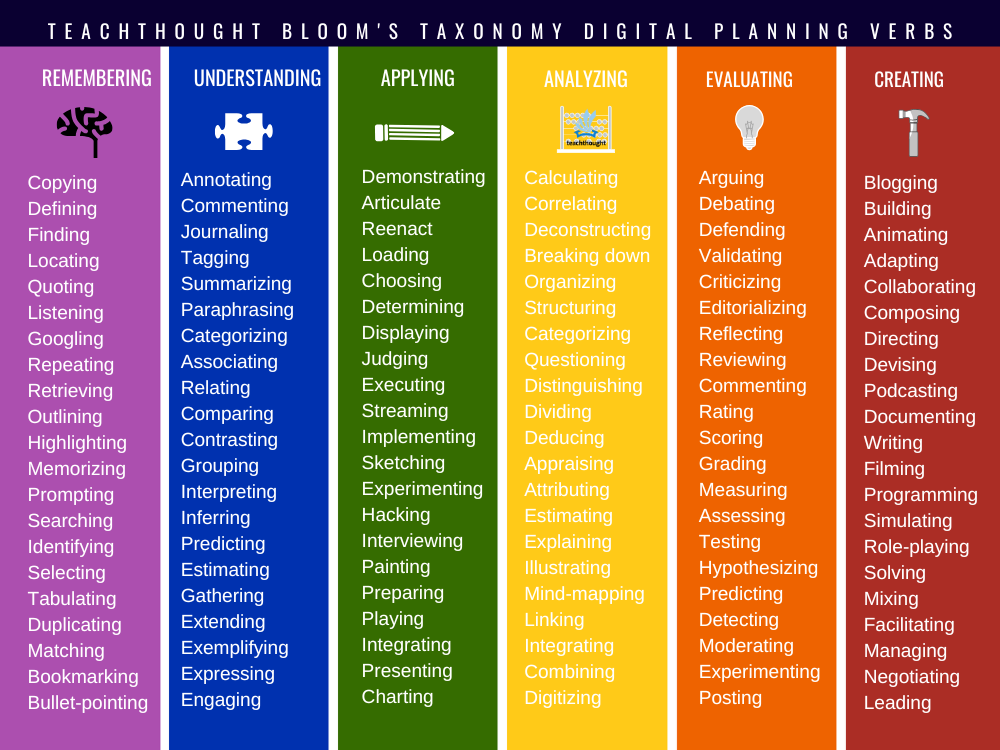
Learn how Bloom’s Digital Taxonomy helps evaluate digital tasks and AI tools like ChatGPT. Align tech use with higher-order thinking for purposeful K–20 learning design.
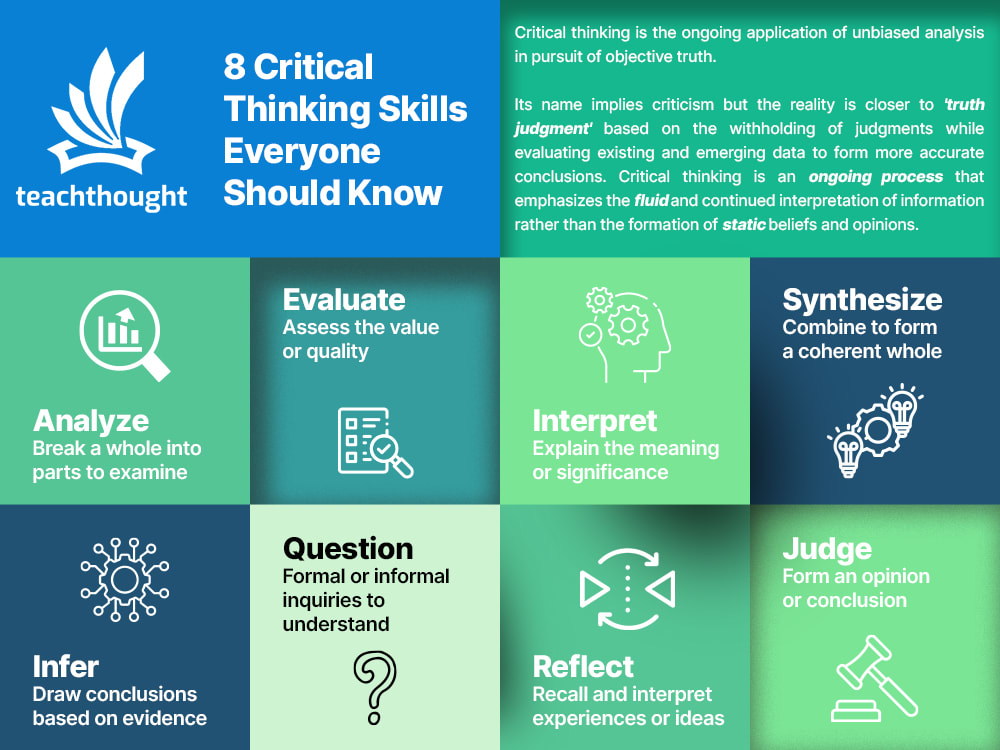
The most important critical thinking skills include analysis, synthesis, interpretation, inferencing, and judgement.
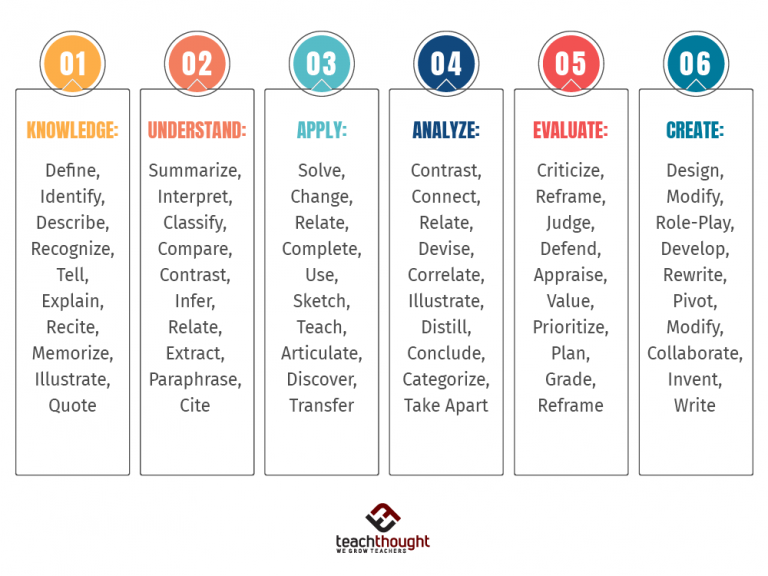
Discover 100+ Bloom’s Taxonomy verbs, organized by cognitive level, to write objectives, design assessments, and strengthen critical thinking in any subject.