What Is Bloom’s Revised Taxonomy?
Bloom’s Revised Taxonomy is an update that, among other changes, revised the language and hierarchy of the Cognitive Process Dimension.

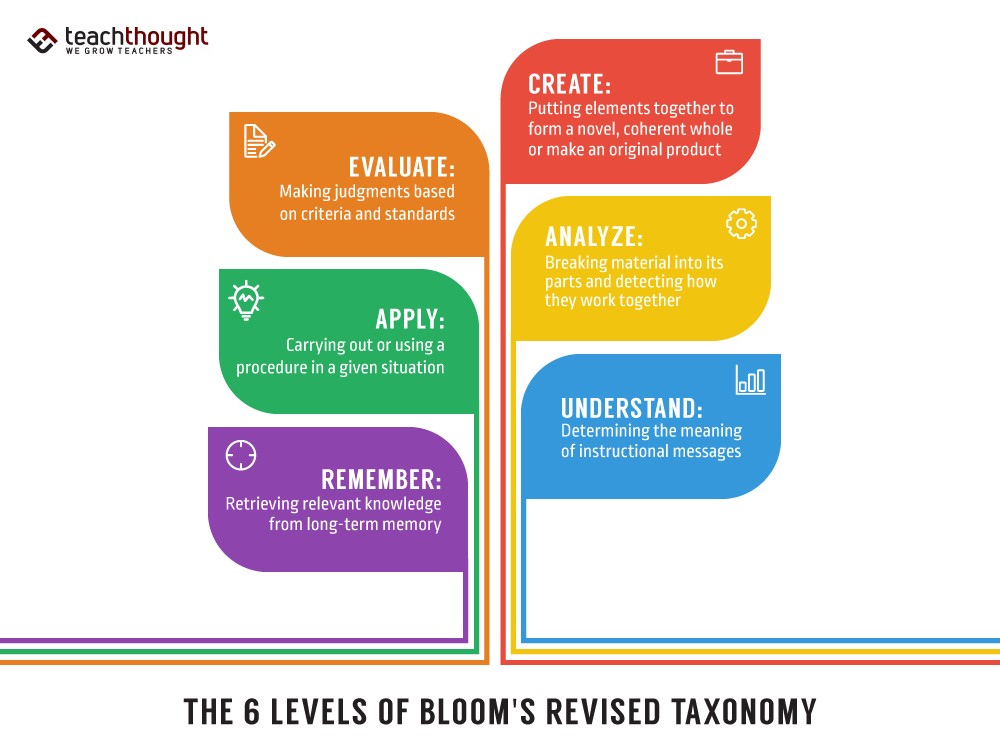
Bloom’s Revised Taxonomy is an update that, among other changes, revised the language and hierarchy of the Cognitive Process Dimension.

One underlying assumption of a curriculum is that it’s comprised of knowledge and skills that are both knowable and worth knowing.
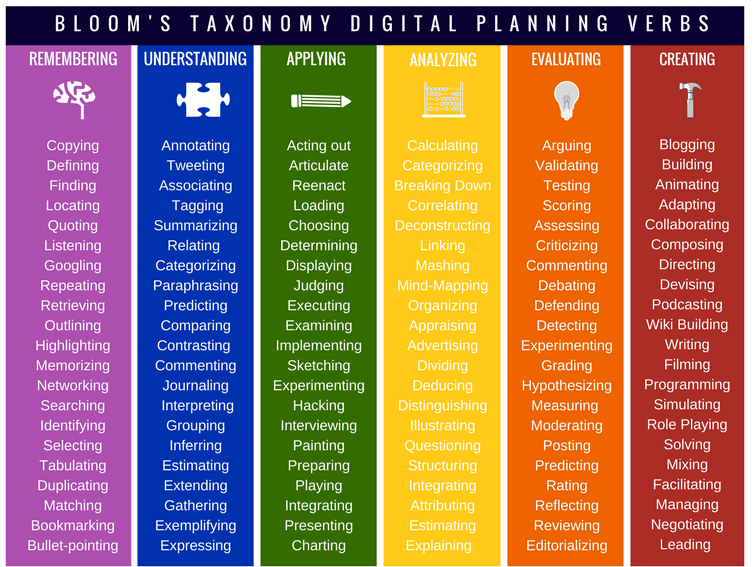
Bloom’s Taxonomy is a hierarchical classification of cognitive skills used to design instruction, assess learning, and promote higher-order thinking.
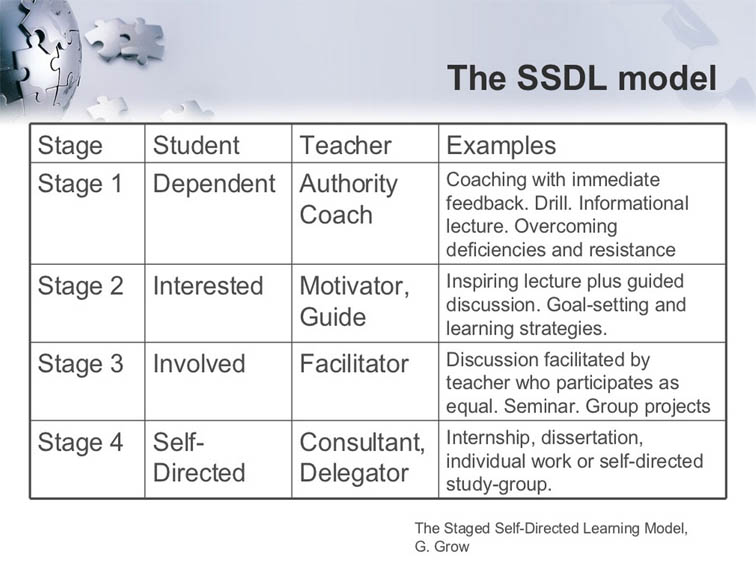
The goal of the model isn’t content knowledge (though it should produce that), but rather something closer to wisdom–learning how to learn.
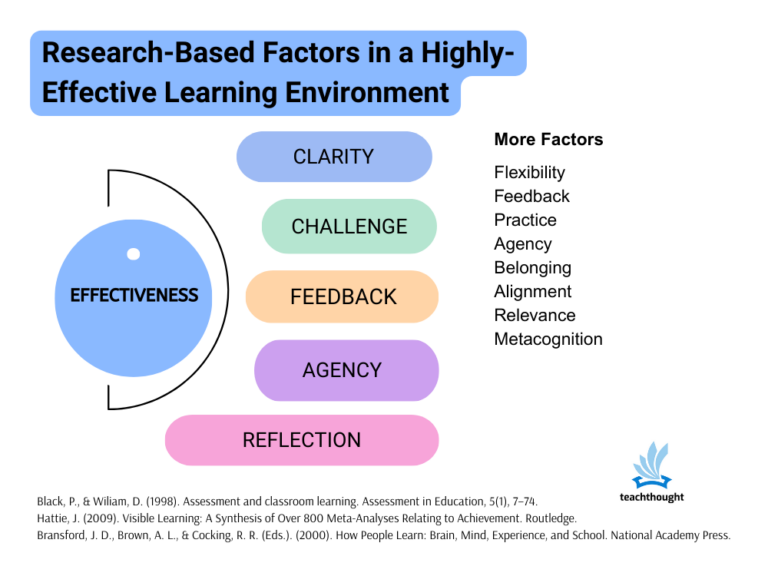
In a highly effective learning environment, there are opportunities for students to revisit old thinking while grappling with new ideas.
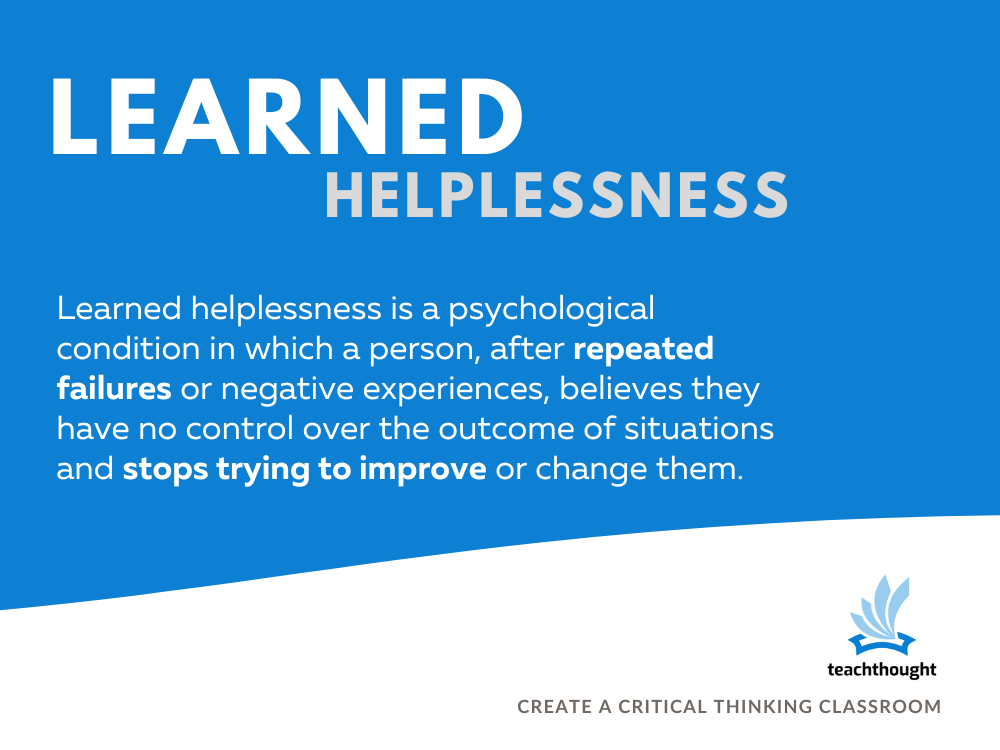
Learned helplessness occurs when repeated failures lead a person to believe they have no control over outcomes.
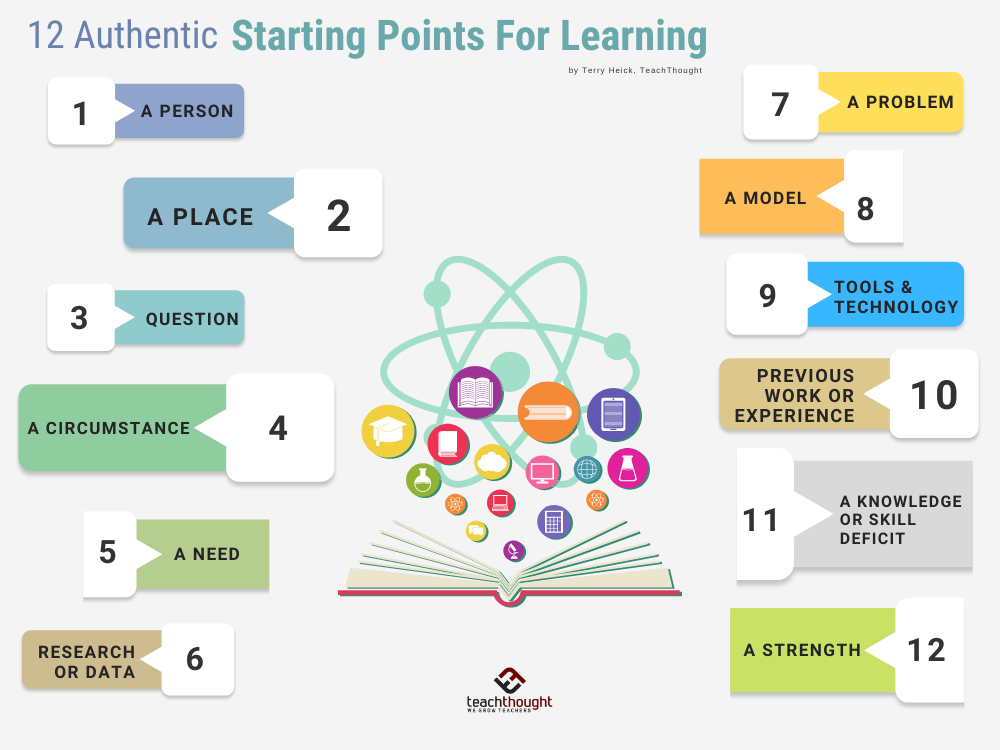
Learning–real, informal, authentic, and lifelong learning–can ‘begin’ with just about anything.
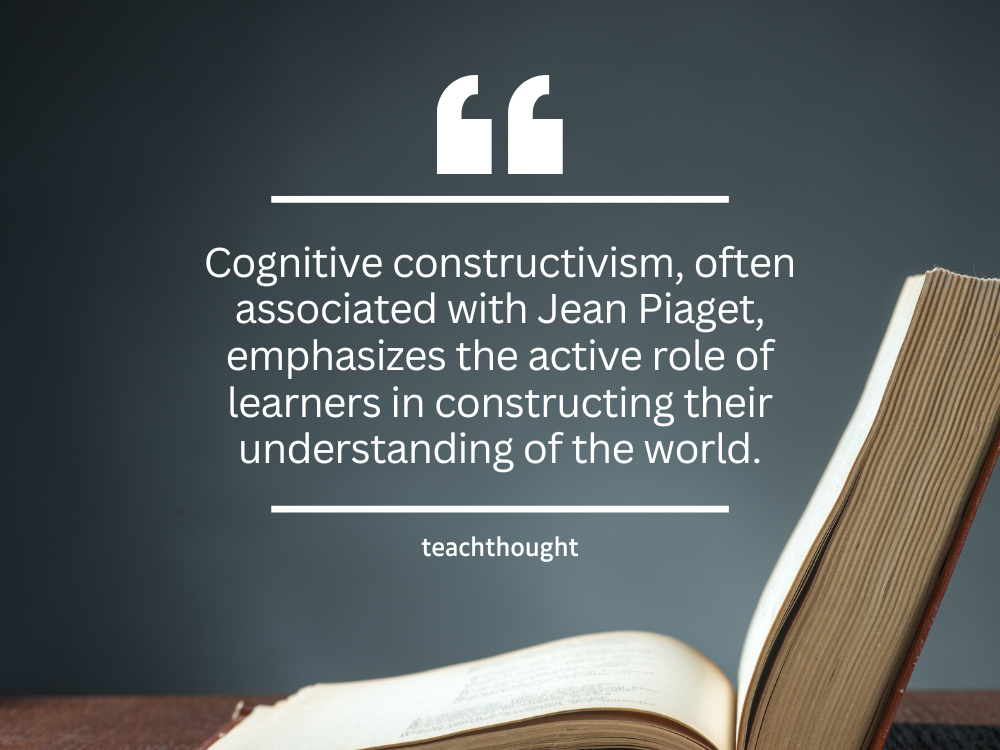
In research-informed segments, theories like Social Learning can be tools for understanding how a child’s mind works.
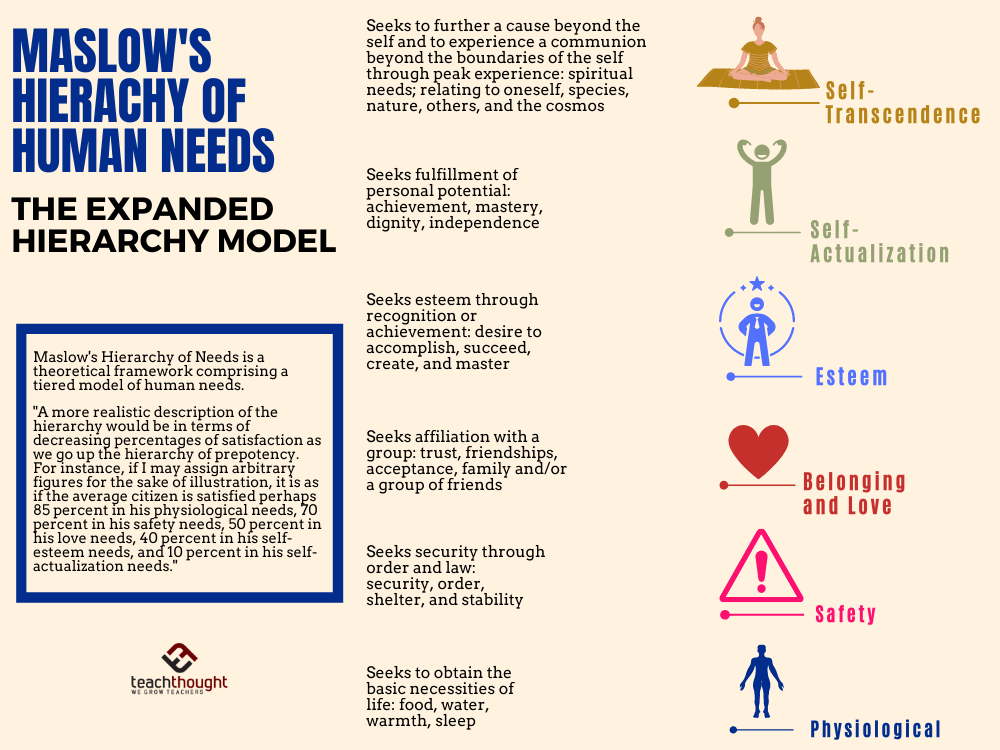
Maslow’s Hierarchy of Needs is a theoretical framework comprising a tiered model of human needs often depicted as a pyramid.
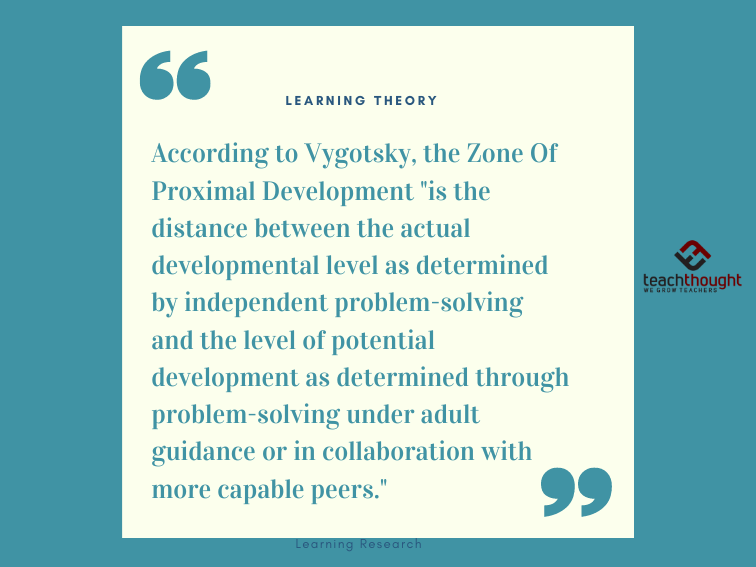
According to Vygotsky, learning and development are inseparable from the social and cultural contexts in which individuals participate.
These 32 research-based instructional strategies include Setting Objectives and Reinforcing Effort/Providing Recognition.
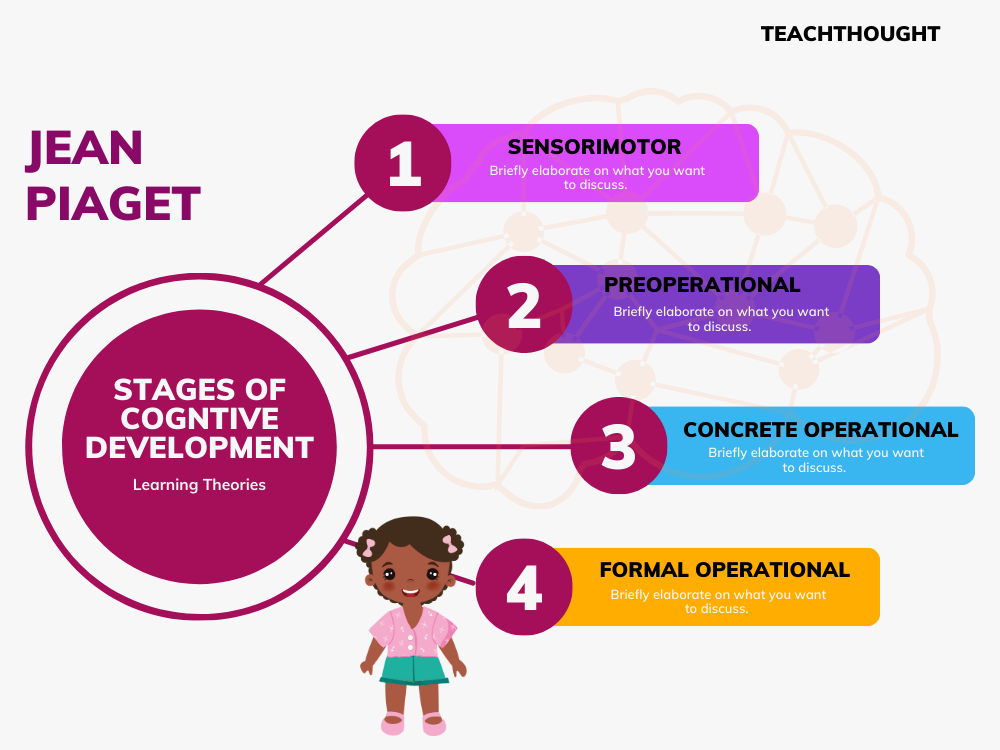
Piaget’s stages of cognitive development include the sensorimotor, preoperational, concrete operational, and formal operational stage.
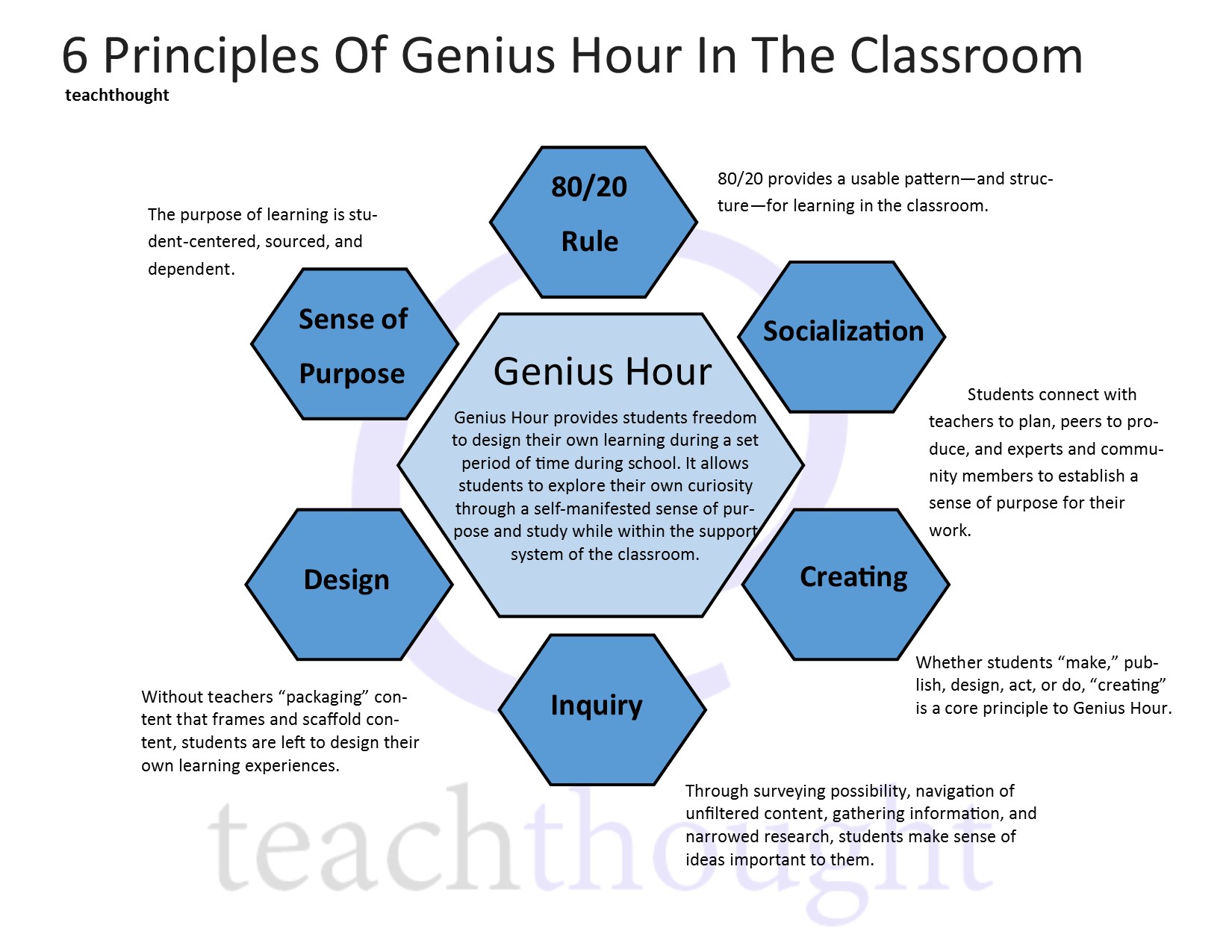
Genius Hour in the classroom is driven by curiosity. Critical principles include inquiry, purpose, socialization, and design.
Our task? Overcome a child’s natural tendency to play, rebel, and self-direct in hopes of providing them with an ‘education.’