From Poverty To Assessment: A Reading List For All Teachers
From understanding to poverty to critical thinking to assessment, here is a reading list of books for all teachers.

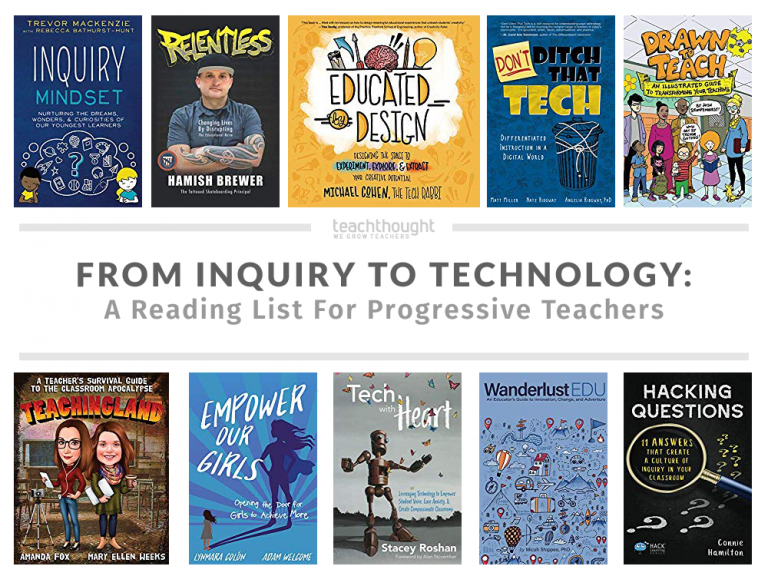
From understanding to poverty to critical thinking to assessment, here is a reading list of books for all teachers.
False dichotomies about inquiry teaching advanced by critics are detrimental to the students and society that so desperately need it.
Upgrading for me means a clean, fresh start. It’s about assessing what’s out there, removing what’s outdated, and investing in the future.
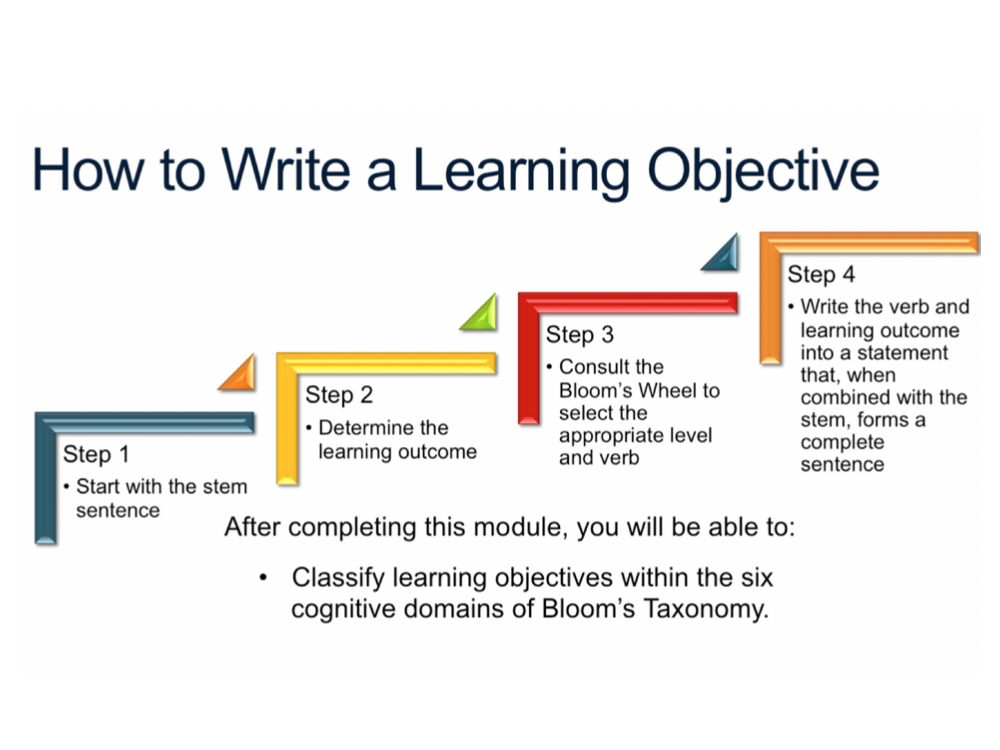
Used correctly, Bloom’s Taxonomy can help you to write lesson objectives aligned with specific levels of cognitive complexity.
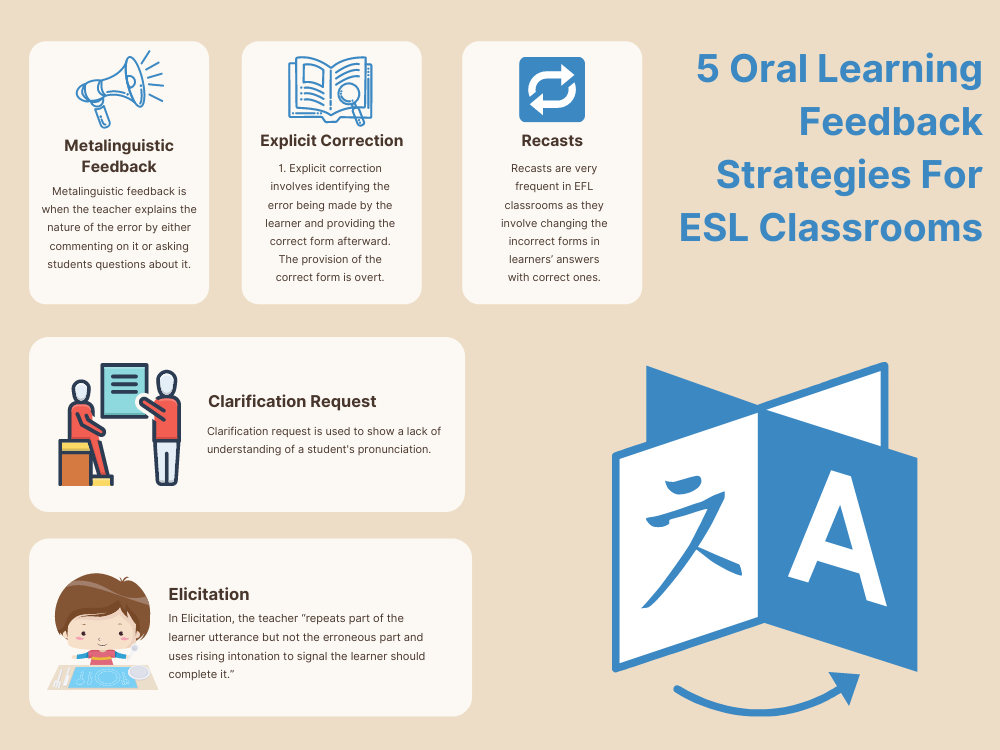
Recasts are very frequent in ESL classrooms as they involve changing the incorrect forms in learners’ answers with correct ones.
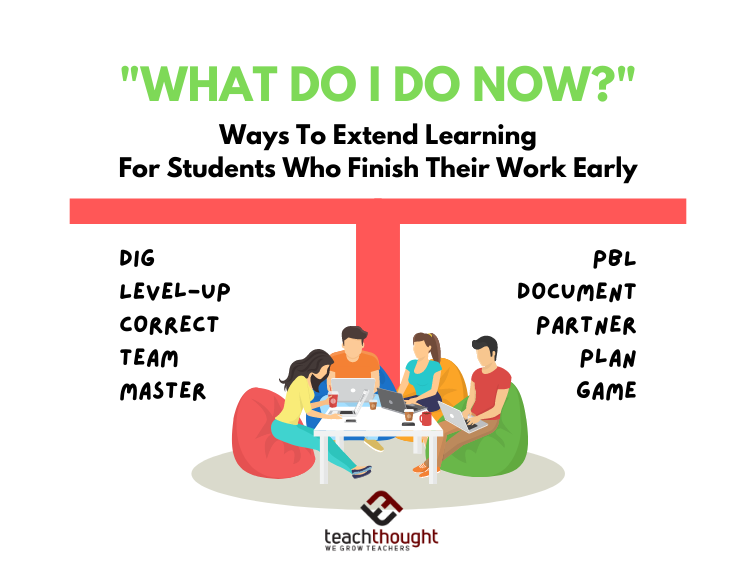
When students finish early, help them by naturally funneling them toward extending and improving the work they’ve already done.
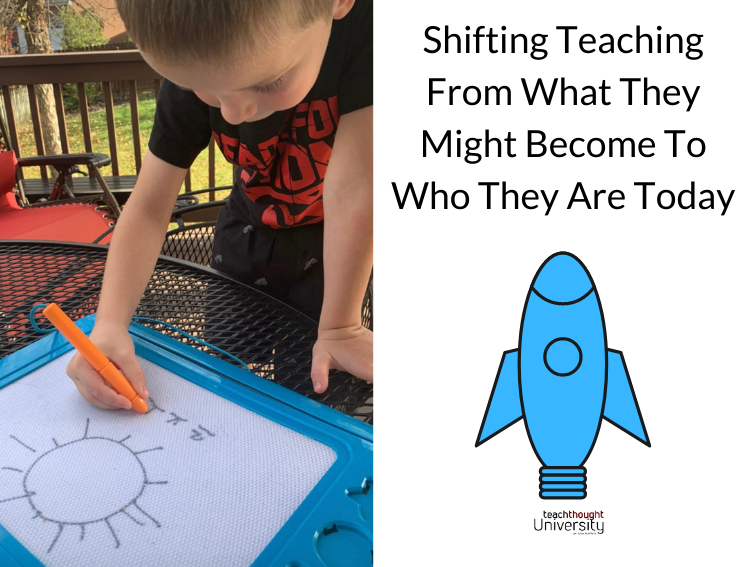
I shifted my teaching from what my students might ‘become’ in the future to who they are and what they need today.
To what things do we as teachers in classrooms tend to be blind? Where should we look to better understand what is happening in our class?
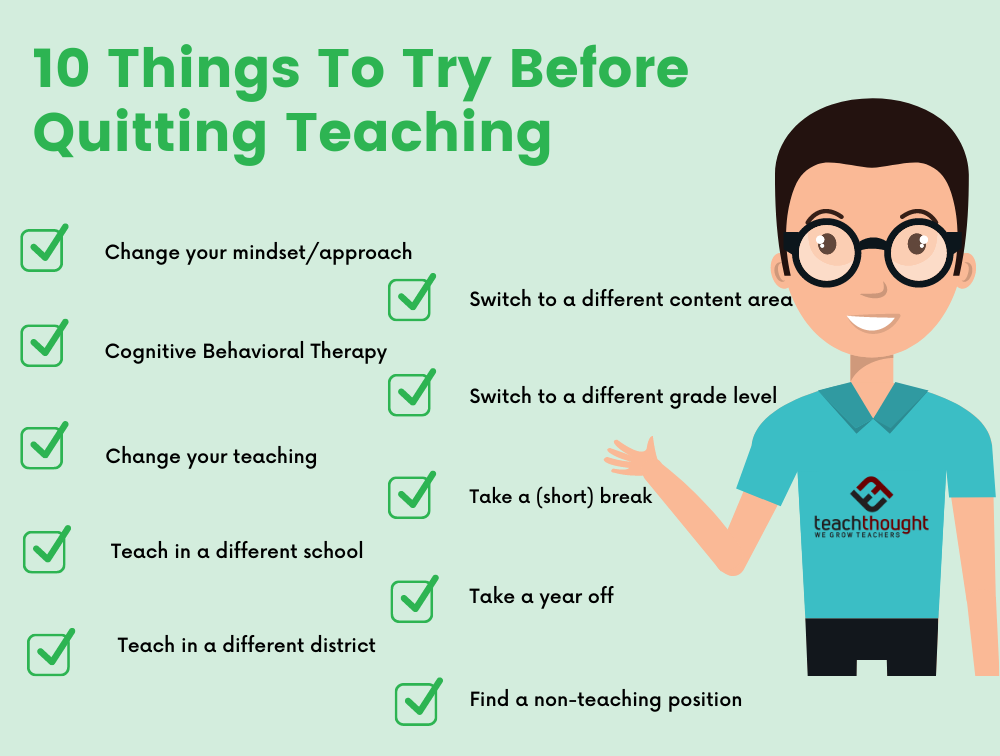
If you would’ve told me that rather than quitting teaching, I should ‘try counseling,’ I probably would not have responded favorably.
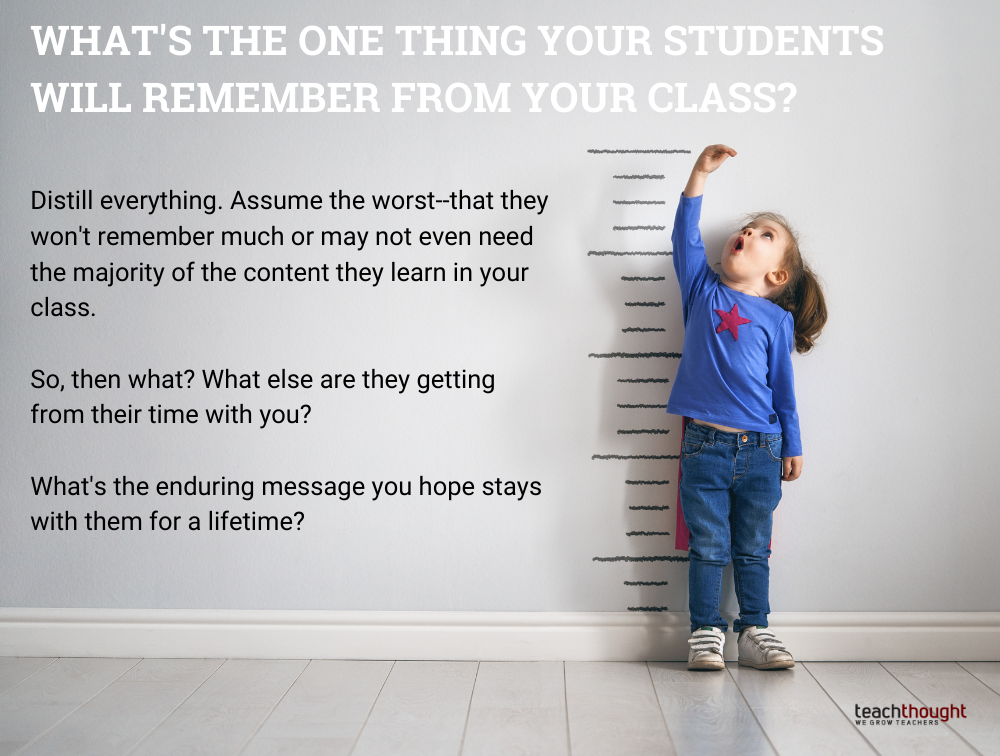
What do you want your students to remember most about you? Your class? What’s the enduring message you hope stays with them for a lifetime?
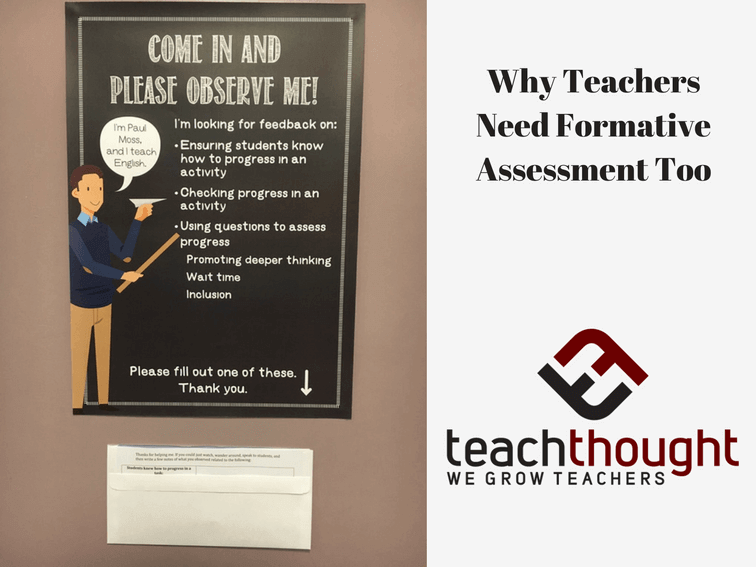
The growth of eLearning, remote teaching, and video streaming makes teacher observation easier–and more useful for teachers who need support.
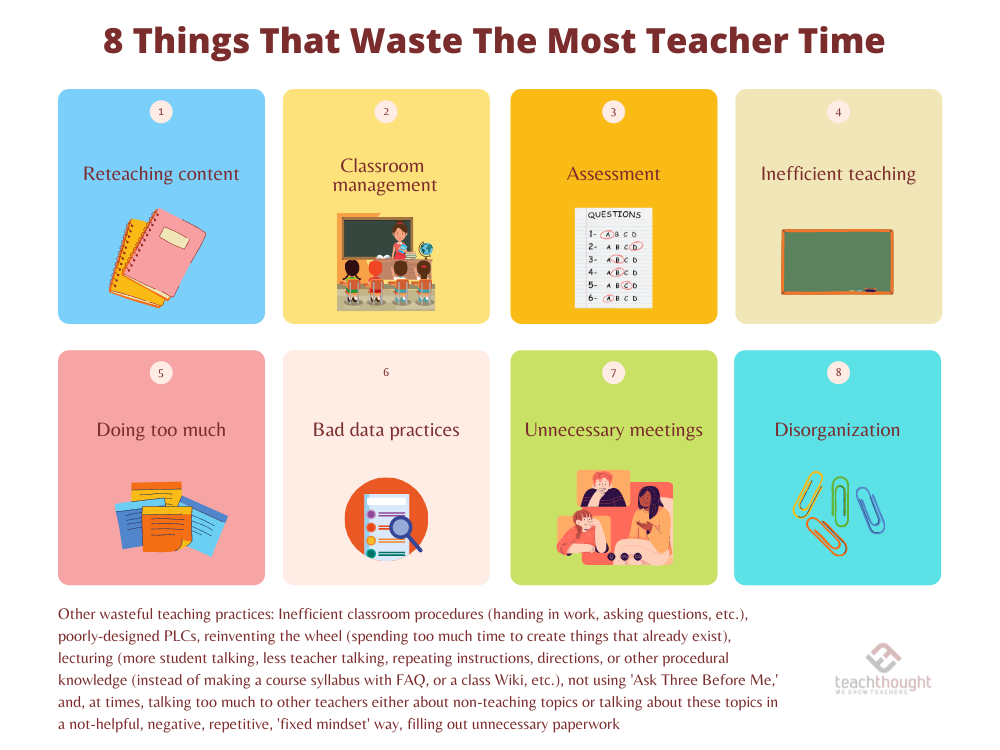
Good teaching is difficult and one of the biggest challenges is a lack of time. Let’s take a closer look at where your time is going.
Unfortunately, teachers are increasingly getting swept into the morass of culture wars playing out in our media and political processes.
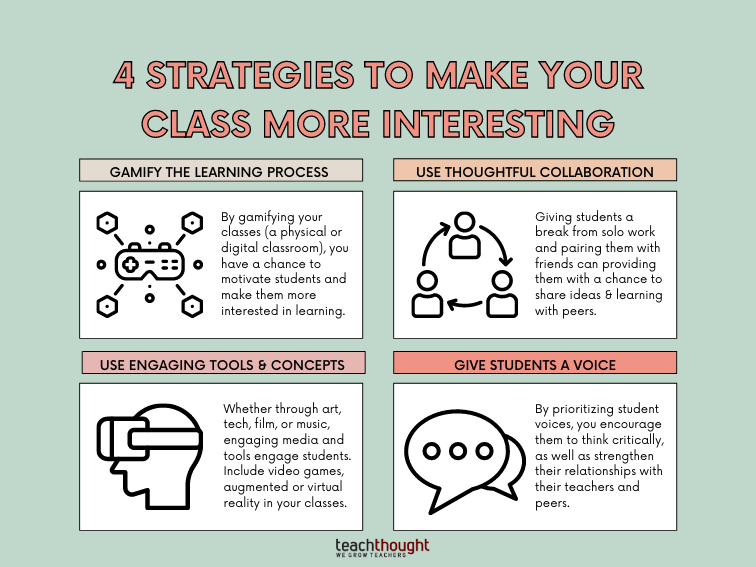
Teachers who lead inspiring lessons are the most memorable. Here are 4 strategies that you can implement to make learning more engaging.