17 Teacher Resources For Lesson Planning Templates & Tools
Some of the best lesson planning tools and templates for K–20 in 2025 include AI planners, collaborative platforms, and printable templates.

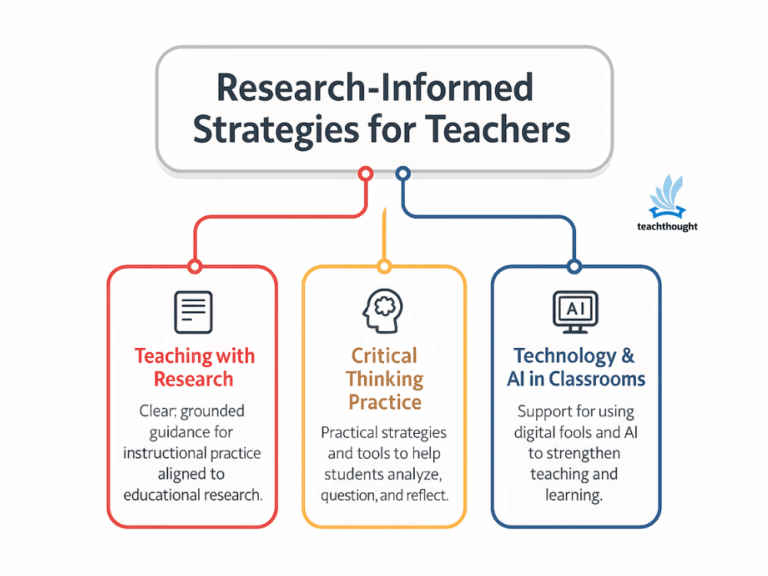
Some of the best lesson planning tools and templates for K–20 in 2025 include AI planners, collaborative platforms, and printable templates.

Do students like going to school here? Do teachers like teaching here? Here are 30 questions teachers can ask at their next job interview.
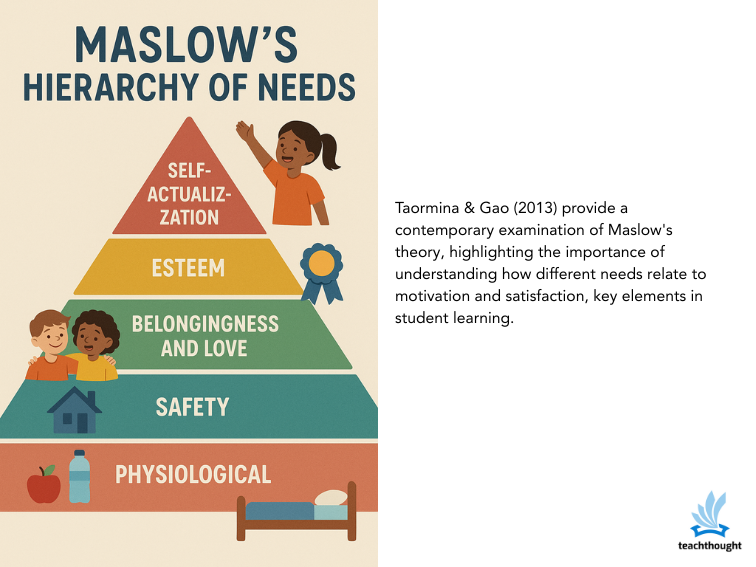
Maslow’s Hierarchy of Needs explores the idea that Individuals must satisfy lower-level needs before they can adequately focus on higher-level ones.
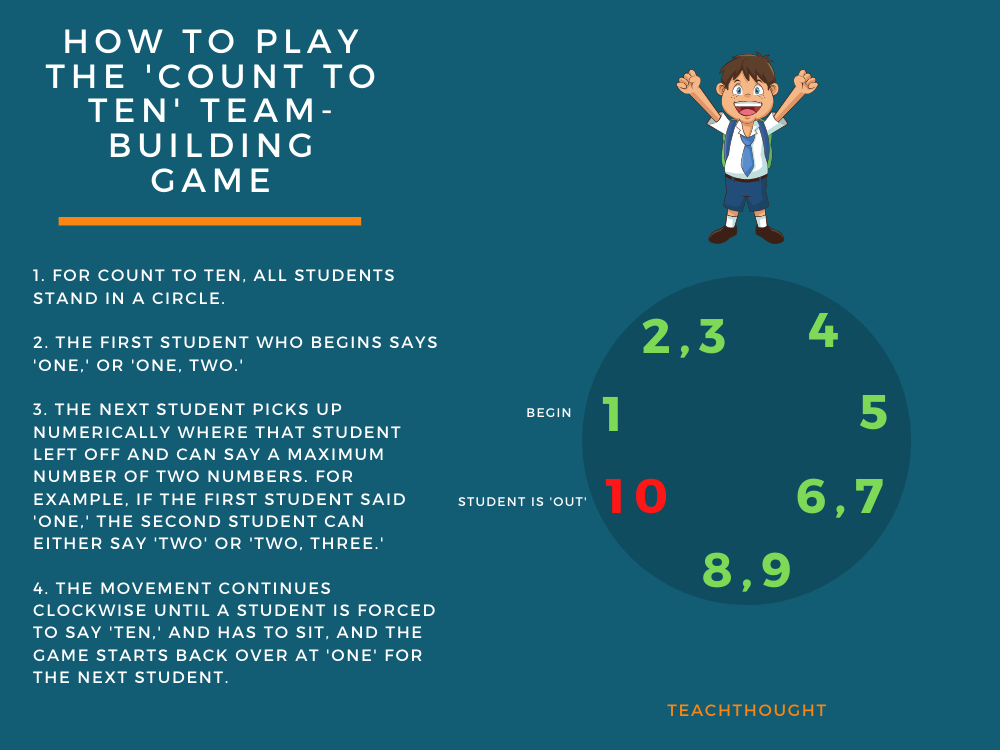
Understanding how to play the ‘count to 10’ team-building game is about rules, timing, and sequence. Engaged students pick it up quickly.
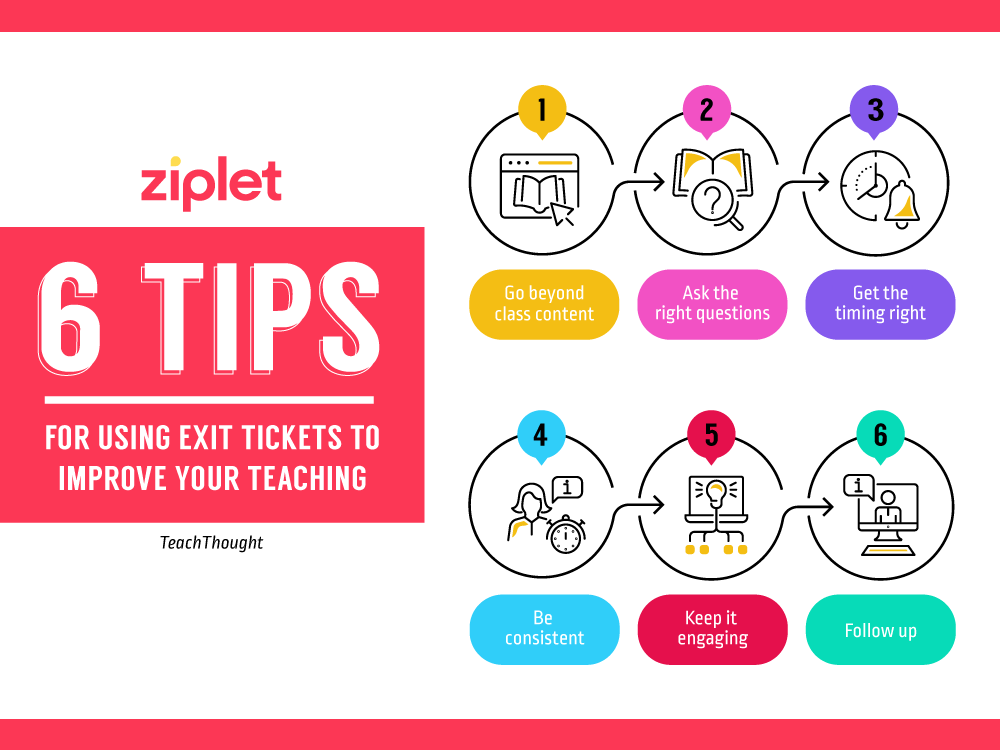
Exit tickets can clarify student proficiency but can be used for more than just on-the-fly formative assessment.

it’s important to realize that a ‘culture’ is comprised of tangible factors (students) and intangible factors (curiosity), and ever-present.
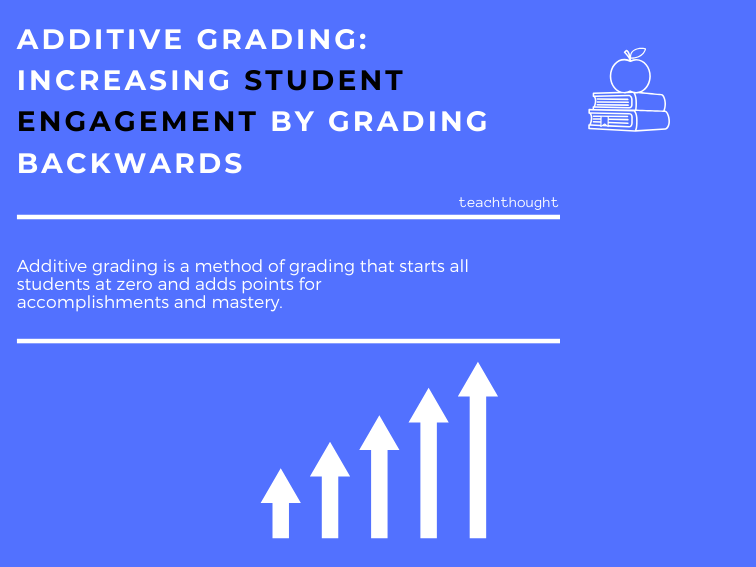
Additive grading is method of grading that starts all students at zero and adds points for accomplishments and mastery.
Classroom management is as much about instructional design and relationships as it is rules and discipline.
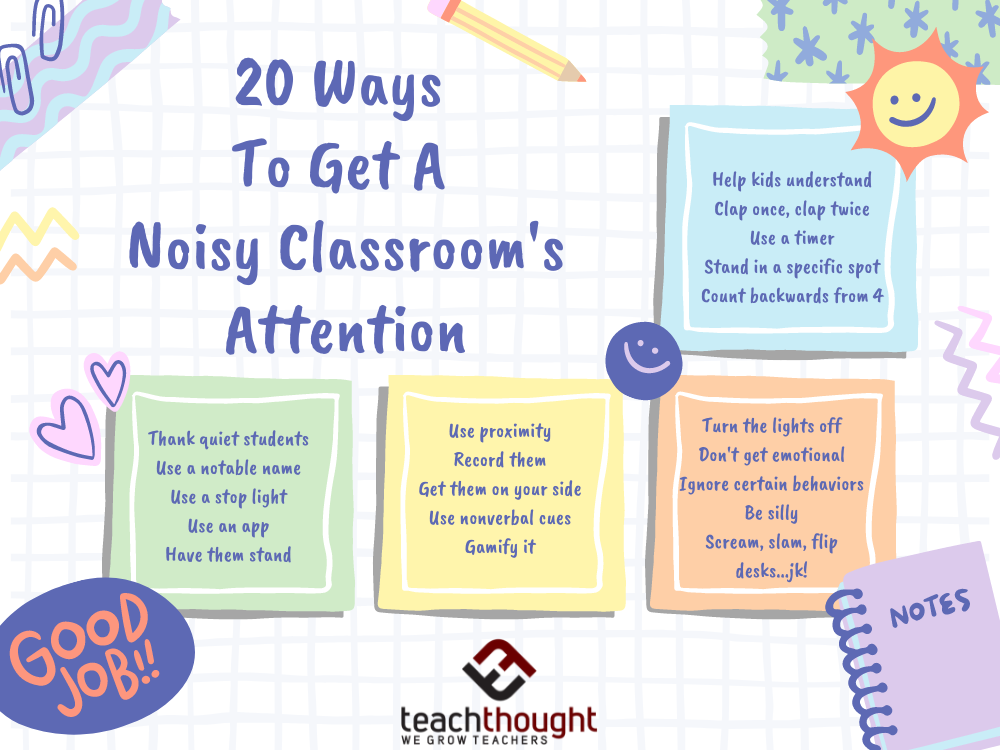
Stand at the front of the room and say out loud, “Clap once if you hear me, clap twice if you hear me,” while modeling the clap.
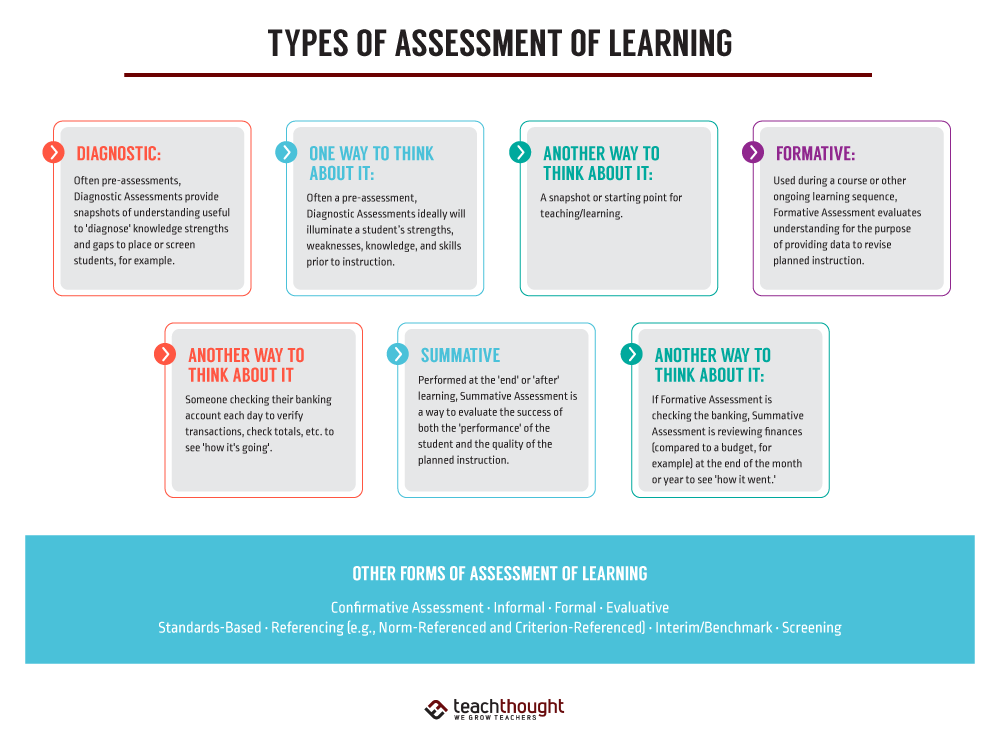
From formative and summative assessment to criterion-referenced and benchmark assessment, each type of assessment has a unique function.

As a strategy for the beginning of class, it’s hard to beat surveys to answer the question, “What’s this got to do with me?”
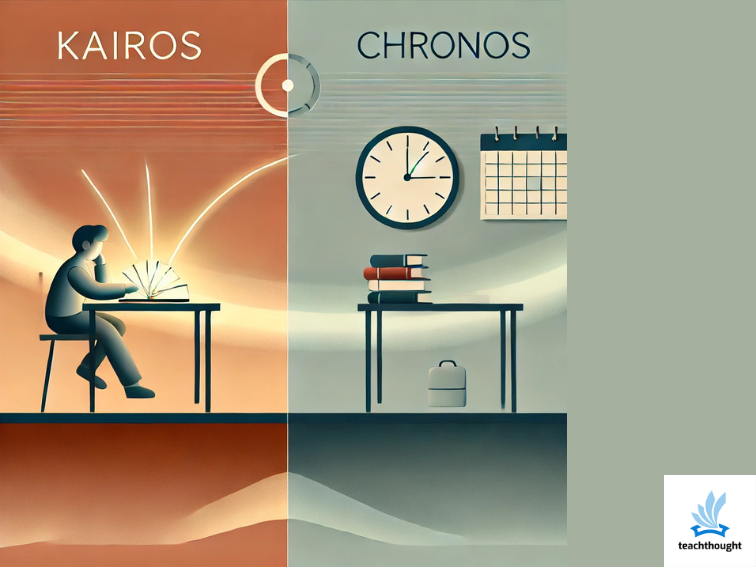
Kairos emphasizes a student’s readiness to learn while Chronos represents chronological, structured time in education.
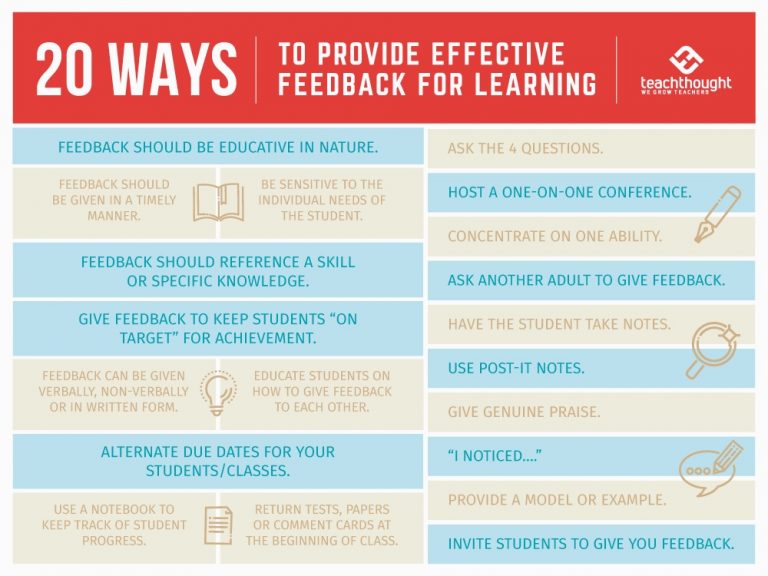
One way to provide effective feedback for learning is a ‘feedback sandwich’ to structure your feedback: Compliment, Correct, Compliment.
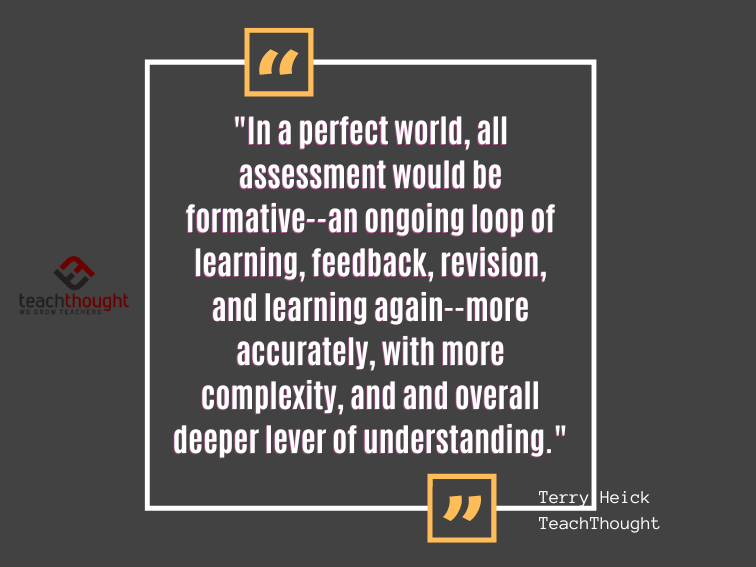
In a perfect world, all assessment would be formative–an ongoing loop of learning, feedback, revision, and learning again.