27 Ways To Improve Retention In Your Students
How you can help students retain what they learn?

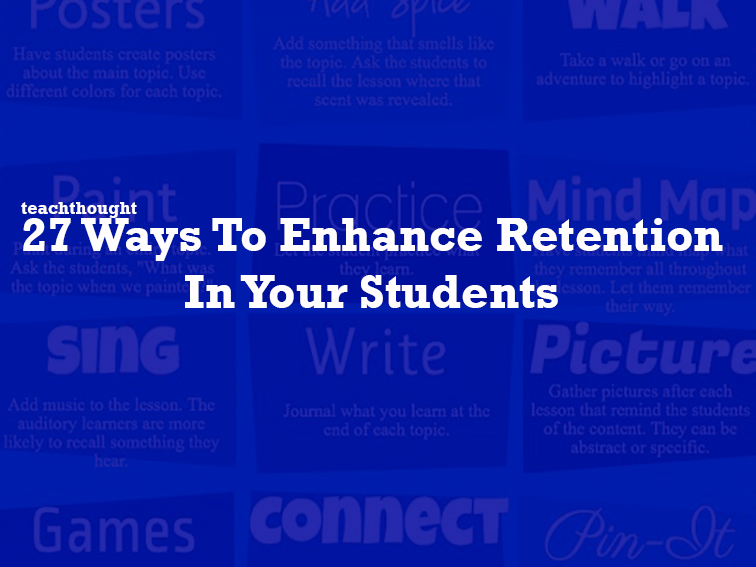
How you can help students retain what they learn?

In this infographic, Mia MacMeekin offers 27 ways to make your next staff meeting more interesting—and engaging—for teachers.
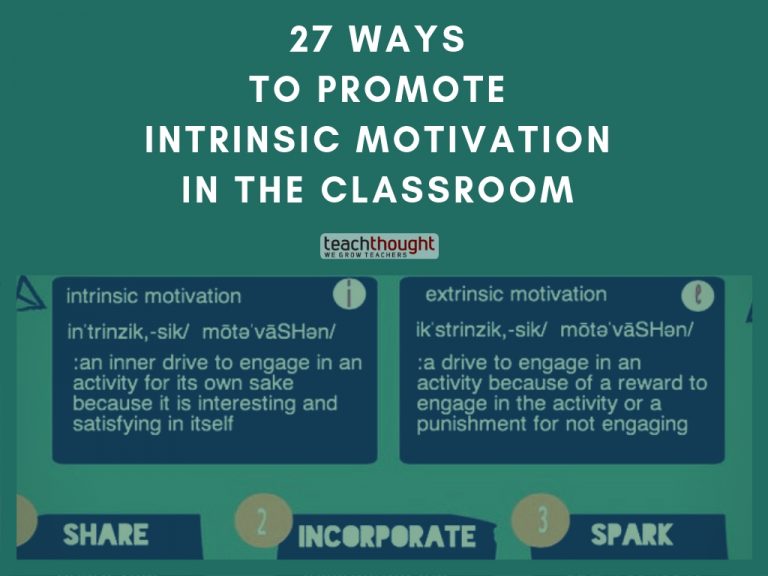
Some ways to promote intrinsic motivation in students your classroom include using inquiry and lessons that require their creativity.

Cultivate more teamwork and less group work by teaching students how to work together instead of as individuals near each other.
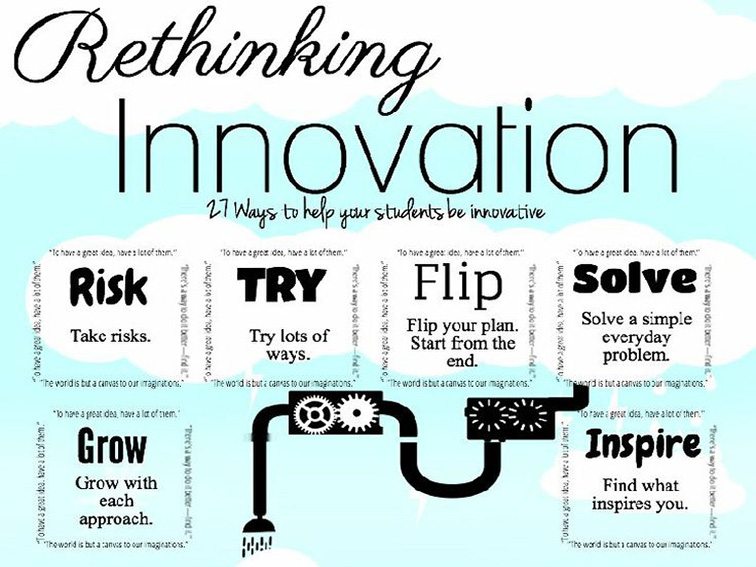
Innovative thinking is one of those ideas in education that is often espoused, but not measured, reported on, trained around, or celebrated.
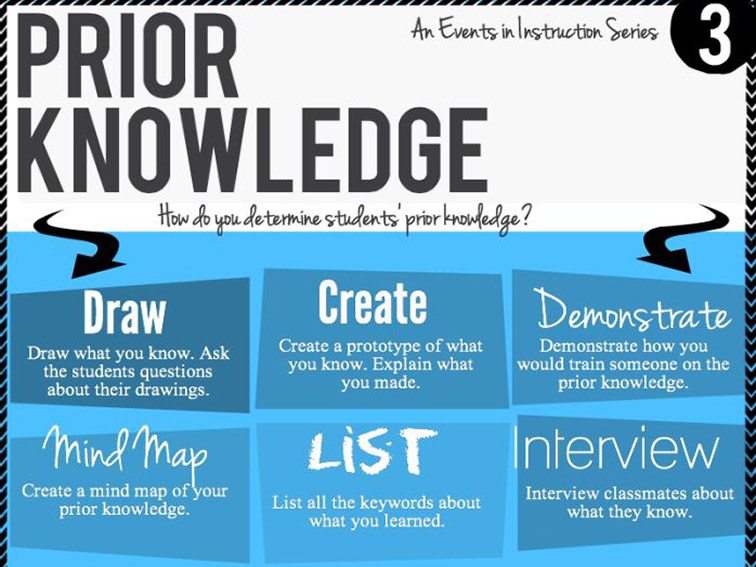
The purpose of assessing background knowledge is not to get everyone on the “same page,” but to make what a student knows visible.
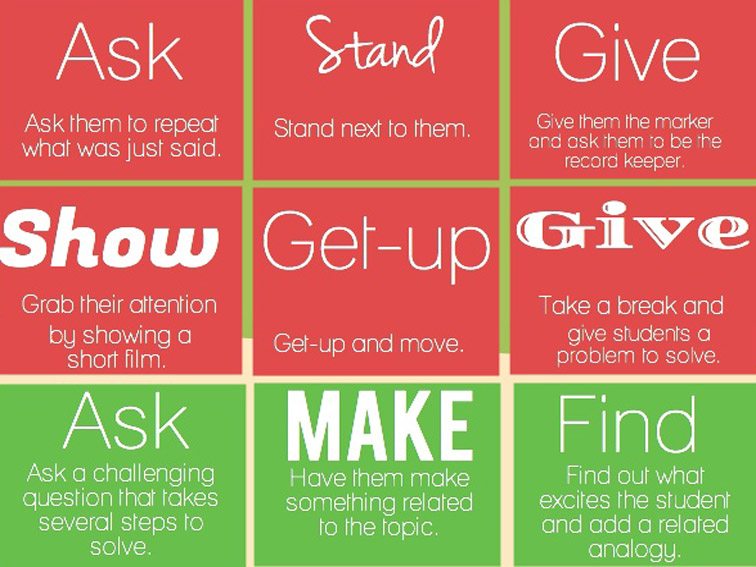
How Can You Respond When Students Don’t Pay Attention? Our initial reaction when seeing the following infographic from Mia MacMeekin was to think about instructional design rather than classroom management. That is, work backwards from a student-centered, inquiry-based, self-directed, and inherently personalized learning model where students, while plugged in to relevant digital and physical communities and working…
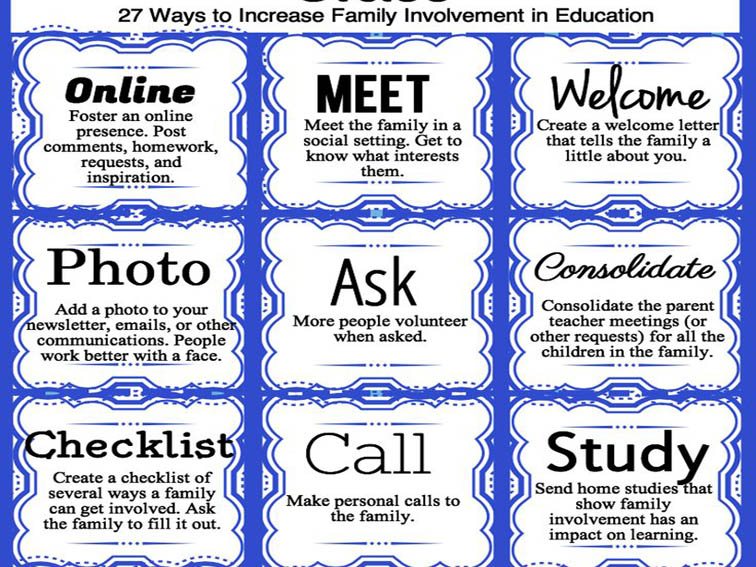
Improving the connection between school and home could yield a staggering improvement in both academic and “whole child” progress.
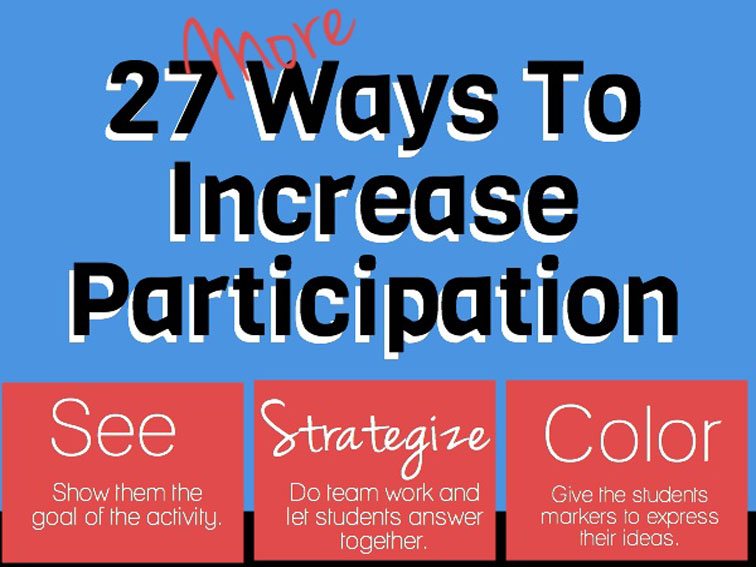
Student engagement is often (wrongly) thought of in terms of ‘paying attention’: quietly making eye contact and maybe asking questions.
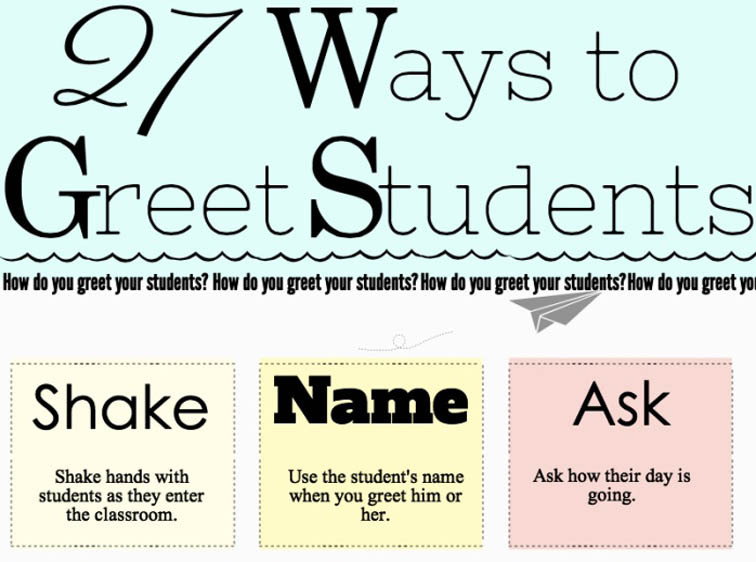
Here are 27 engaging, fun, and creative ways to greet your students, based on an infographic by Mia MacMeekin.
AI literacy should include the energy and resources behind AI, helping students decide when its benefits justify its environmental costs.
Online Course Calming The Always-On Mind Learn why your mind stays alert and how to begin quieting the overload. This course is designed to help you recognize the patterns that keep your mind scanning, preparing, and bracing, then begin building a more grounded relationship with pressure, responsibility, and mental load. Notify Me When Available View…
Google Finance: Enter information from Google Finance into spreadsheets with this formula Syntax: =GoogleFinance(“symbol”; “attribute”).

We’re not quite at the stage of being cyborgs, but wearable technology is growing, and the number and type of devices is also increasing.