Interview: Want Better Readers? Write Twice As Much With 1/2 The Rules
“We tend to think about writing as a solitary activity. But it’s not really,” Graham said. “We’re always writing for an audience.”

“We tend to think about writing as a solitary activity. But it’s not really,” Graham said. “We’re always writing for an audience.”
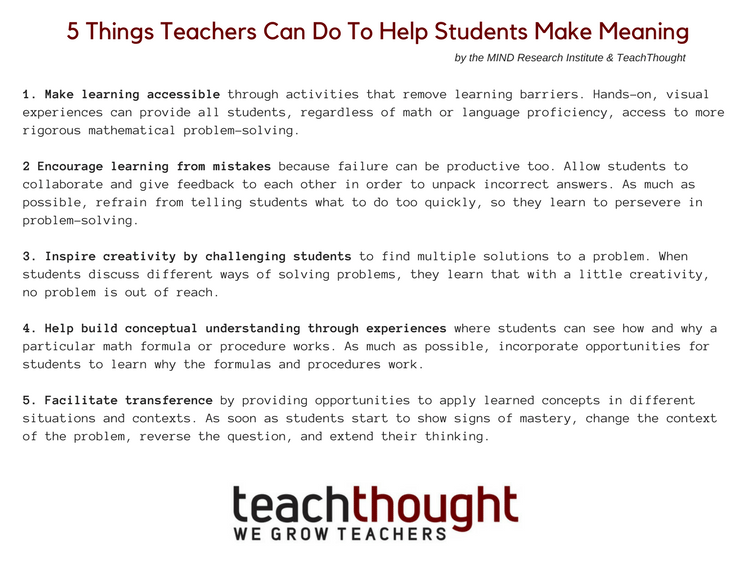
5 Things Teachers Can Do To Help Students Make Meaning contributed by Kelsey Skaggs, MIND Research Institute Rigor gets a bad reputation. It’s that thing that makes life difficult and uncomfortable. Apply it to a person and they can be seen as inflexible or unyielding. However, bring a certain type of rigor into the classroom and…
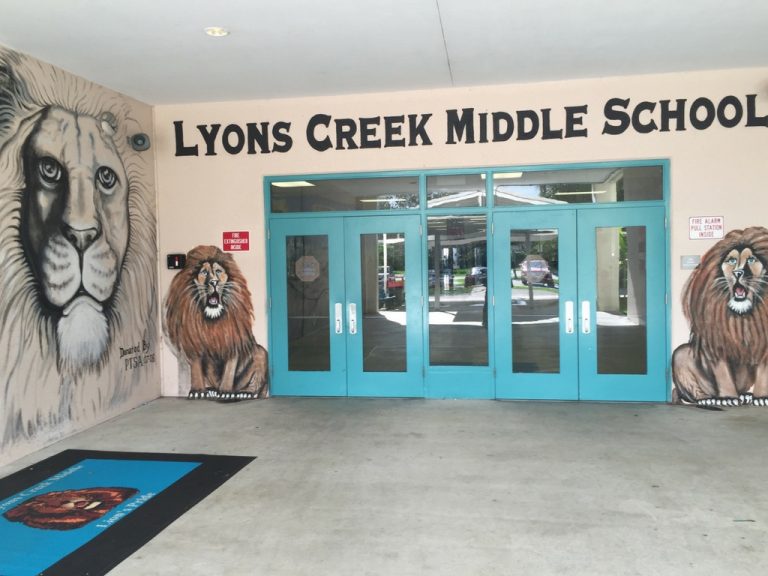
Changing the culture of a Title 1 school with approximately 2,000 students – in a large, public district – would be no easy feat.
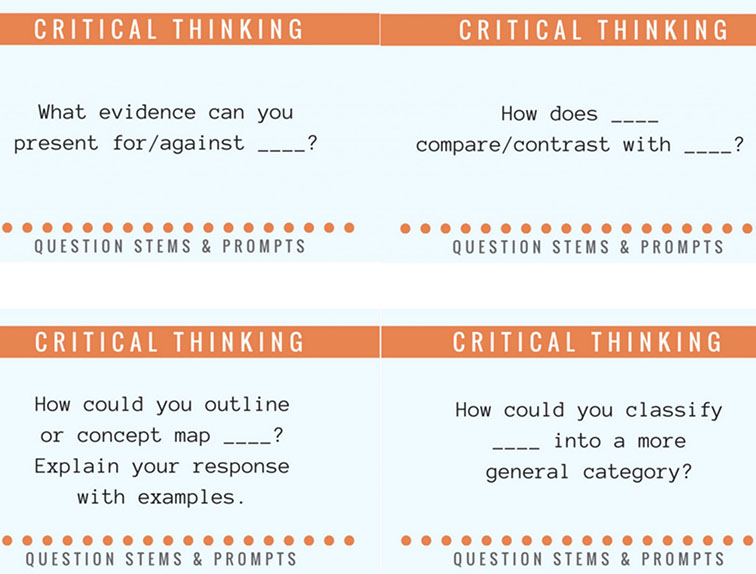
Using the right question at the right time can not evaluate understanding but can help students think about what they think.

34 Free Resources To Learn Music Online by TeachThought Staff Music has a powerful effect on people young and old — just listening can affect mood, memory, sleep, and can inspire a sense of belonging or feeling understood. However, scientific research has proven that the process of actually making music has a significant impact on…
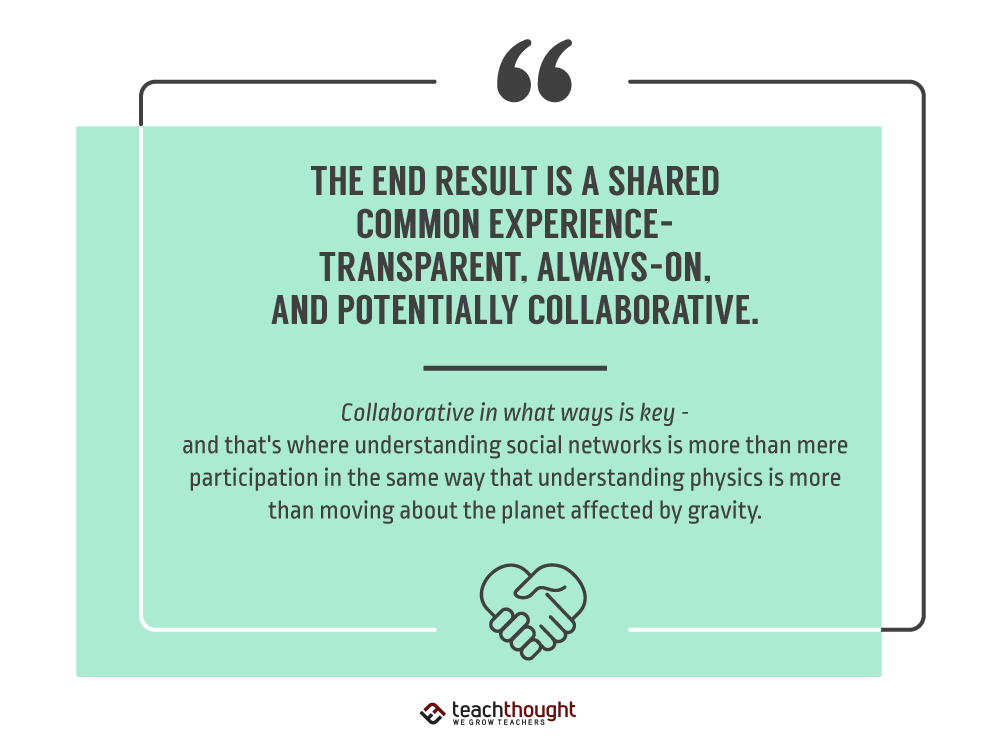
Understanding social media is more than using it in the same way that understanding physics is more than simply being affected by gravity.
The problem: transfer of understanding is poor. Students do not understand that the long-term and bottom-line goal of education is transfer.
Emphasizing how one student can impact another is not only useful for modifying behavior, but can create a learning community.
The neuroscience of how the brain learns and what influences the application of learning should be included in all teacher education programs.

Literature is a wonderful vehicle for illustrating empathy and diversity in a human, personal, and lasting way.
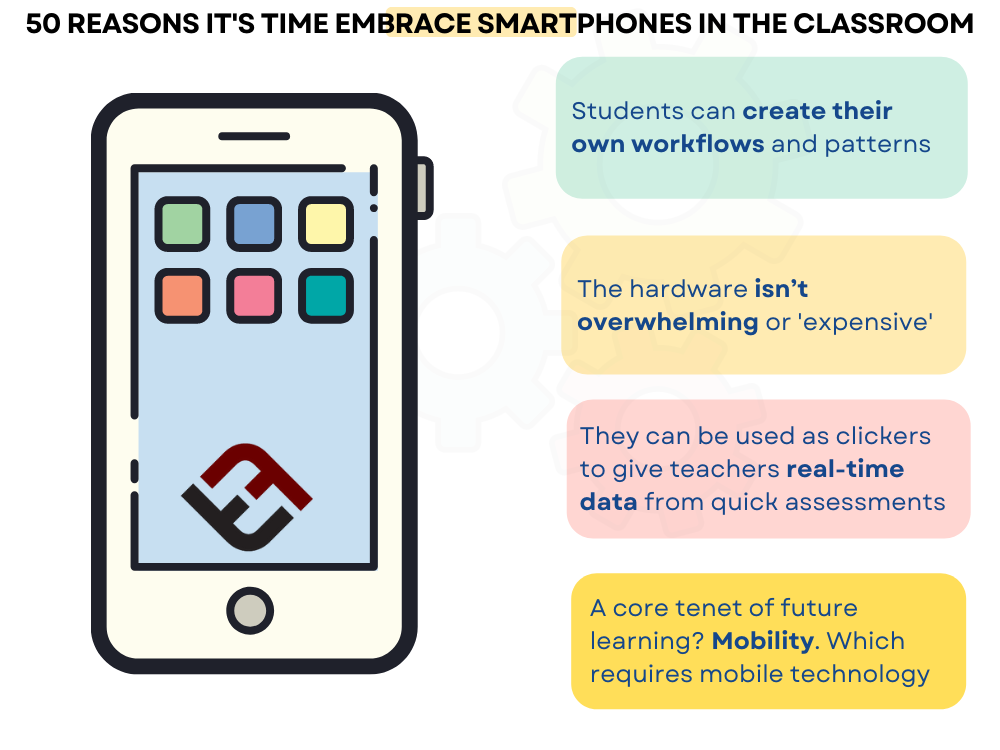
33. Students can have choice in terms of apps, platforms, social channels, assessment style, and so on. Smartphones can support this.
As the usage of the PDF files in the educational system increases, so does the need to edit them.
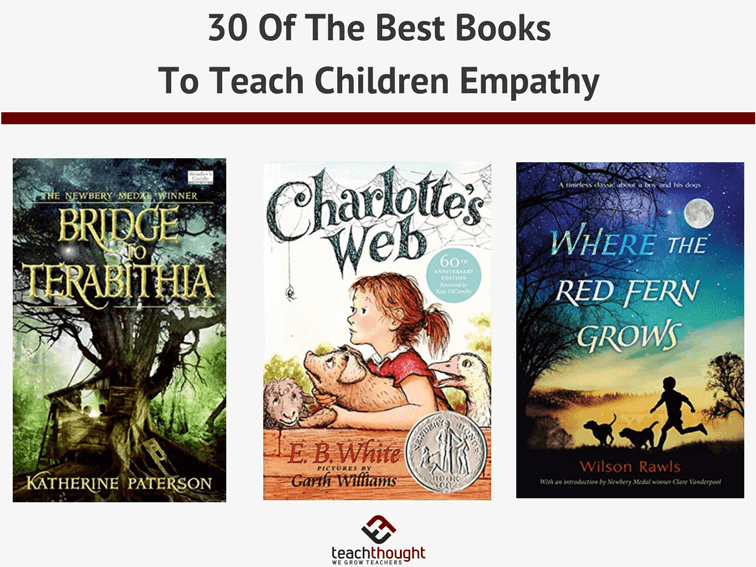
Being told through narrators, most stories naturally promote empathy with characters. These are some of the best books to teach children empathy.
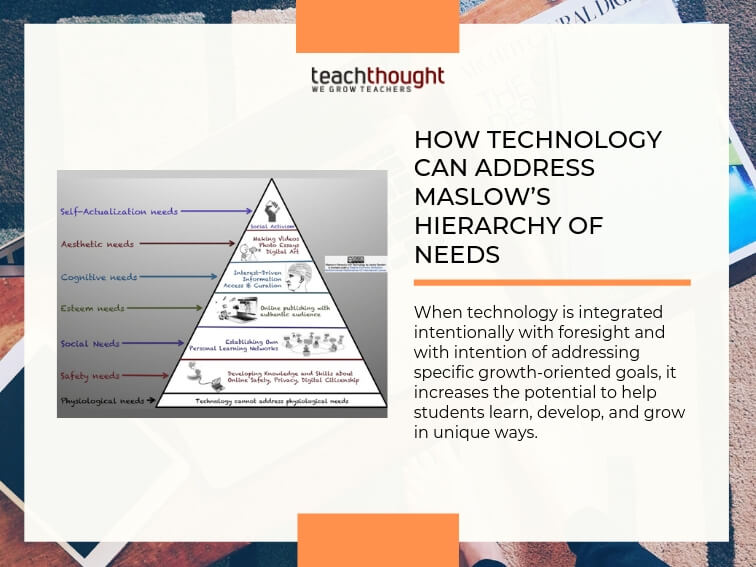
In an age of information abundance, learners can become empowered to access, reflect upon, and share knowledge they find valuable.
Notifications
