Critical Thinking
Explore research-based critical thinking resources for K–20 educators, including strategies, Bloom’s Taxonomy verbs, analogy examples, and questioning techniques to strengthen student reasoning.

Explore research-based critical thinking resources for K–20 educators, including strategies, Bloom’s Taxonomy verbs, analogy examples, and questioning techniques to strengthen student reasoning.
TeachThought supports educators with practical, evidence-based strategies to promote literacy and critical thinking in every classroom.

Before diving into specific degree options, it’s helpful to pause and consider what you actually want from a counseling career.
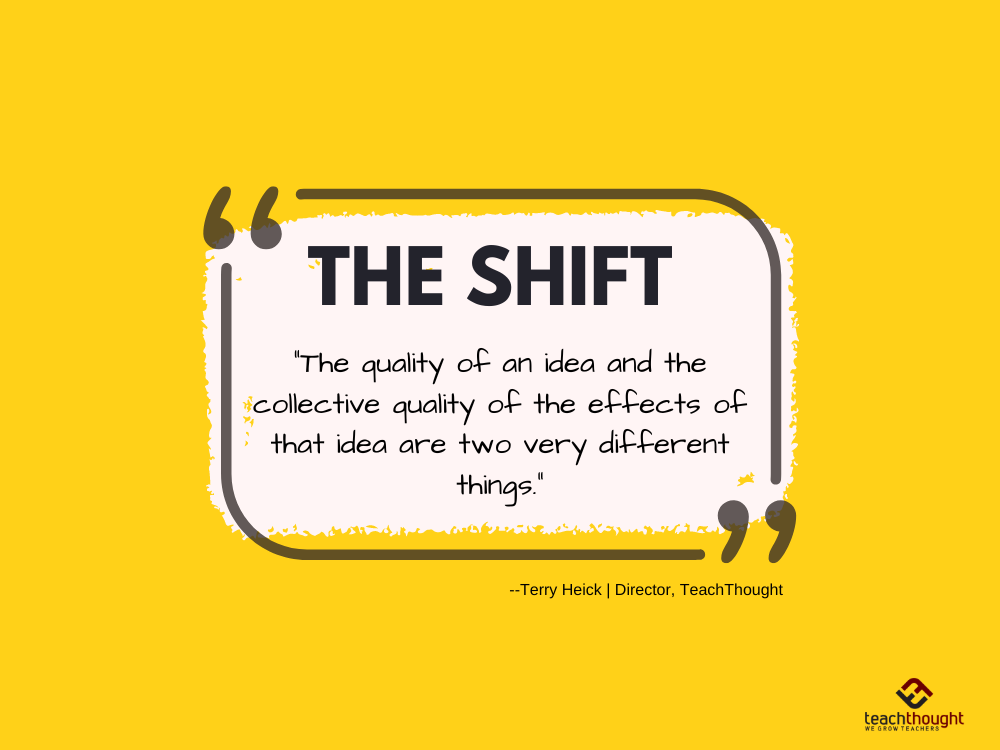
The quality of an idea and the collective quality of the effects of that idea are two very different things.
You can’t keep feeding yourself the same things–the same ideas, forms, and perspectives–and expect to come up with something new.

About the Author Terry Heick, M.Ed. Founder & Director, TeachThought | B.A., English; M.Ed., Education Former classroom teacher with 10 years experience in secondary ELA (grades 7–10). Creator of the TeachThought Learning Taxonomy. Specializes in critical thinking, literacy, and AI in education. Selected Citations & References Peer-reviewed research, dissertations, institutional publications, and other scholarly works…
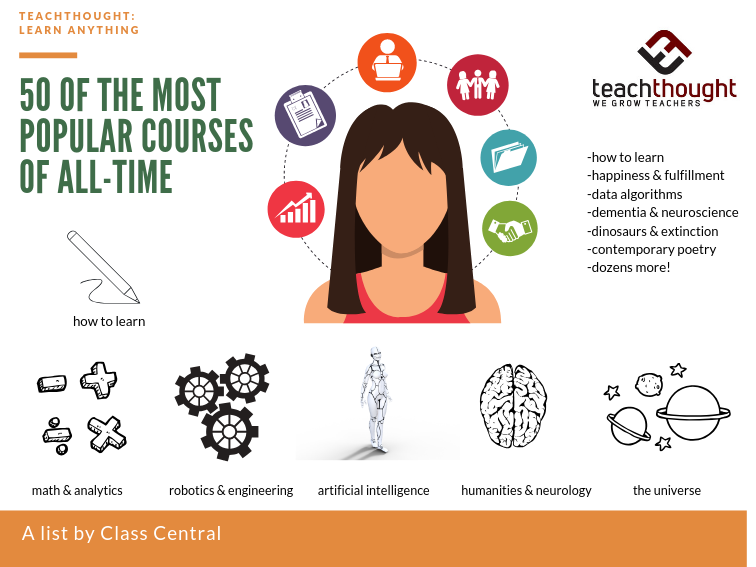
From nanotechnology to business principles and dementia to the science of the universe, here are 50 online courses to learn anything.
Neuroscience and Learning Dictionary | TeachThought Neuroscience and Learning Terms Key terms related to brain function, cognitive processes, and their implications for education. Contributed to by Judy Willis, M.D., M.Ed. and Rae Nishi, Ph.D. 1. Affective Filter Definition: An emotional state of stress in which the amygdala becomes hyperactive and blocks new sensory information from…
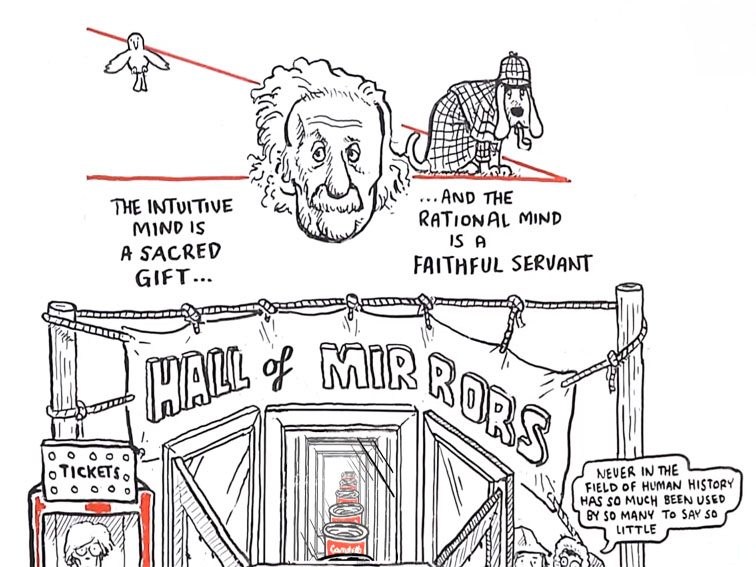
It is suggested that the brain does not have one learning system but four–each with its own unique memory pattern and accompaniments.

Massive Open Online Courses (MOOCs) allow learners access to free courses facilitated by top educators and experts in every subject area.
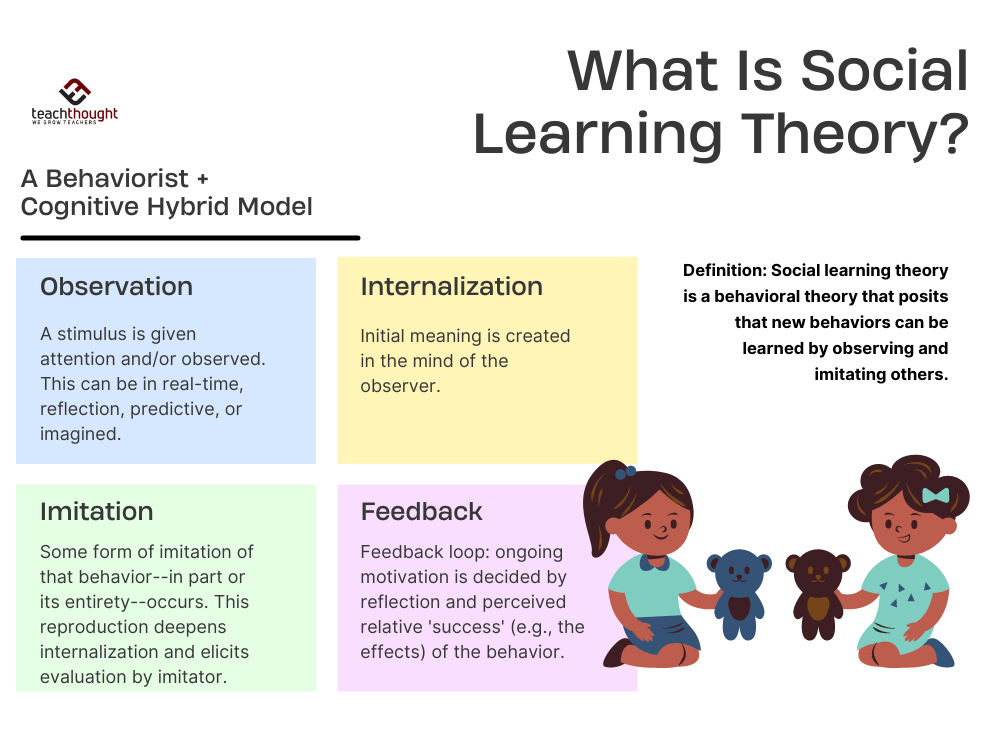
Social learning theory is a behavioral theory that posits that new behaviors can be learned by observing and imitating others.
These science apps give students practical ways to explore and test scientific ideas through models, simulations, and guided play.
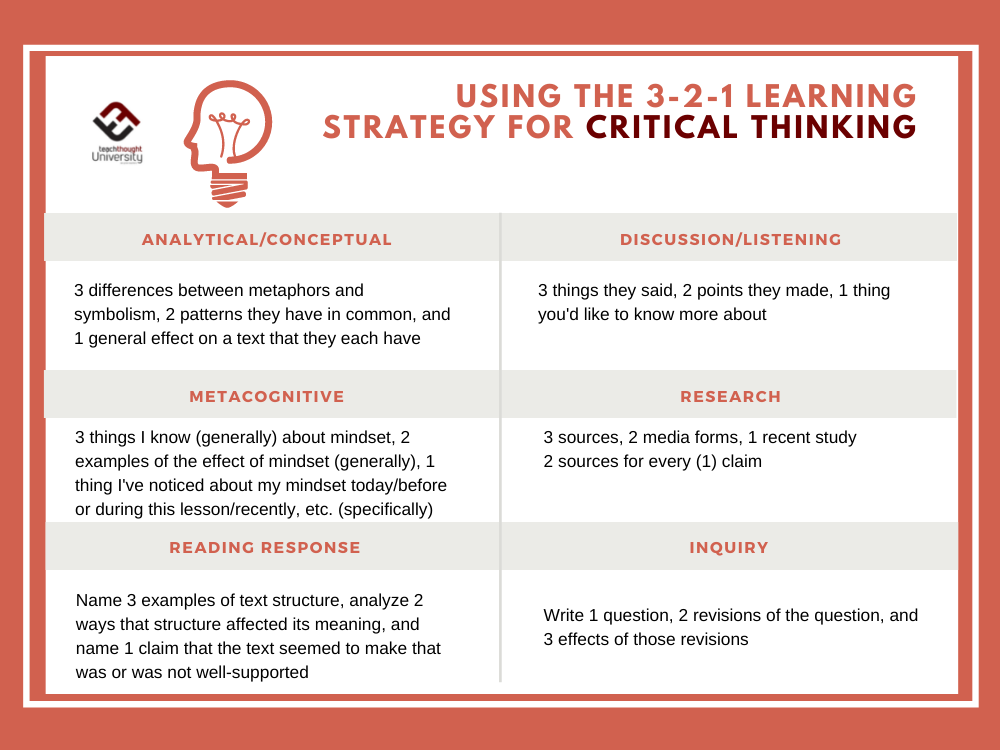
The 3-2-1 strategy is a simple way to frame a topic or task, making it useful for anything from discussion prompts to inquiry learning.
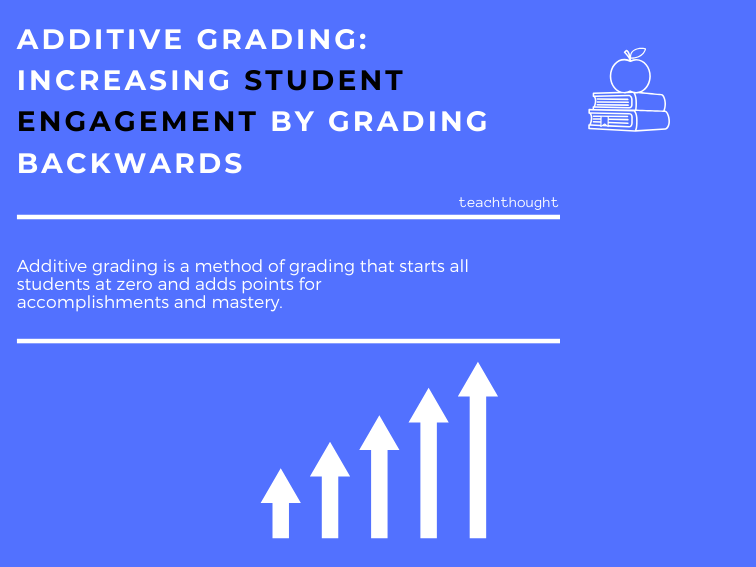
Additive grading is method of grading that starts all students at zero and adds points for accomplishments and mastery.