A Brief History Of Video Games In Education
Educational video games have been a commonplace part of the K-12 experience since the early 1980s.

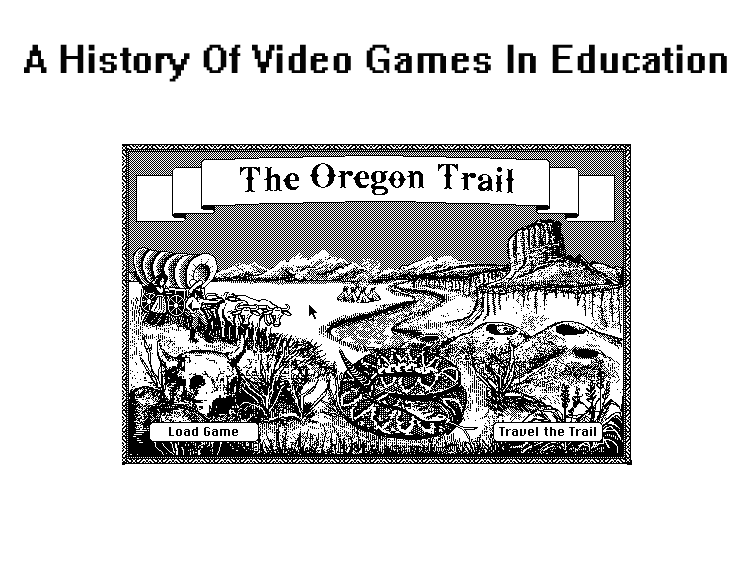
Educational video games have been a commonplace part of the K-12 experience since the early 1980s.
Traditional goals—(winning)—are replaced by a self-selected, self-paced, and even artistic expression of the interaction with the game.
One student engagement strategy is to offer diverse pathways through content–pathways students would have to ‘unlock’ to progress.
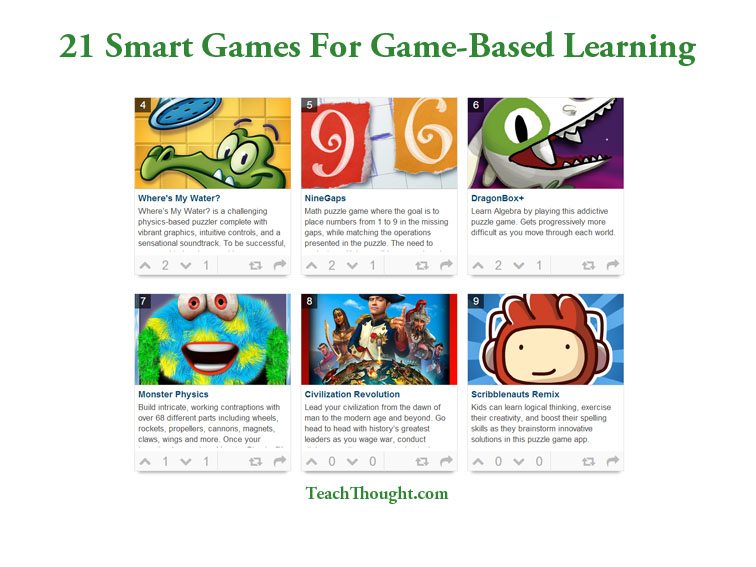
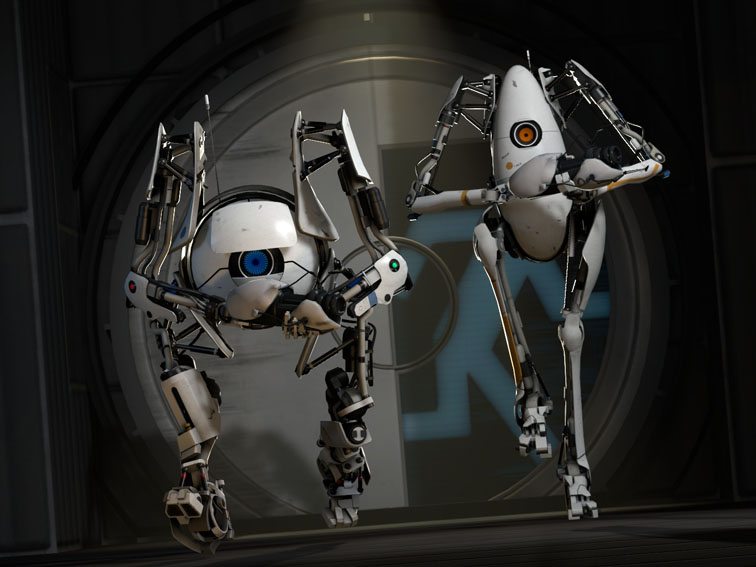
Good candidates for game-based learning games include Portal 2, Civilization VI, Democracy 4, and Assassin’s Creed Museum Tour.

Students can use video to document and share learning artifacts from lessons, units, and project-based learning.

In a growth mindset, there are larger factors than the outcome. Progress and growth are acknowledged as valuable in the learning process.
As they are learning, give students the opportunity to articulate their thought process of how they came up with their solution to a puzzle.
Educators in traditional and online schools can help boost the numbers by ensuring that geography is exciting and fun to learn, a feat that is made easier with the right tools.

Digital team-building games serve as positive SEL experiences and also provide a helpful brain break to split up lengthier online lessons.

At TeachThought, we love learning through video games, and Civilization VI is one of our favorite games to learn with and through.

We’re blown away by Civilization VI’s complexity, scale, and potential as a tool for teaching social studies.

In short, a backwards-compatible game is a game from a previous version of a video game console that is also playable on later version.
The purpose of this interest inventory is to help children at the elementary age express themselves by itemizing their favorite things.
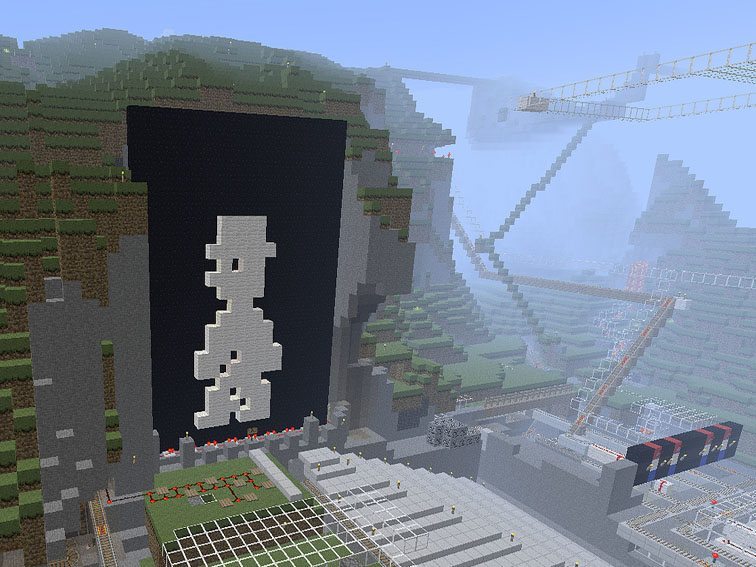
Minecraft creates a digital sandbox for players to create, design, and publish thinking, but it also can be used to create other video games.