The Ultimate List: 50 Strategies For Differentiated Instruction
Differentiation is a rational approach to meeting the needs of students but actually making it happen in the classroom can be a challenge.

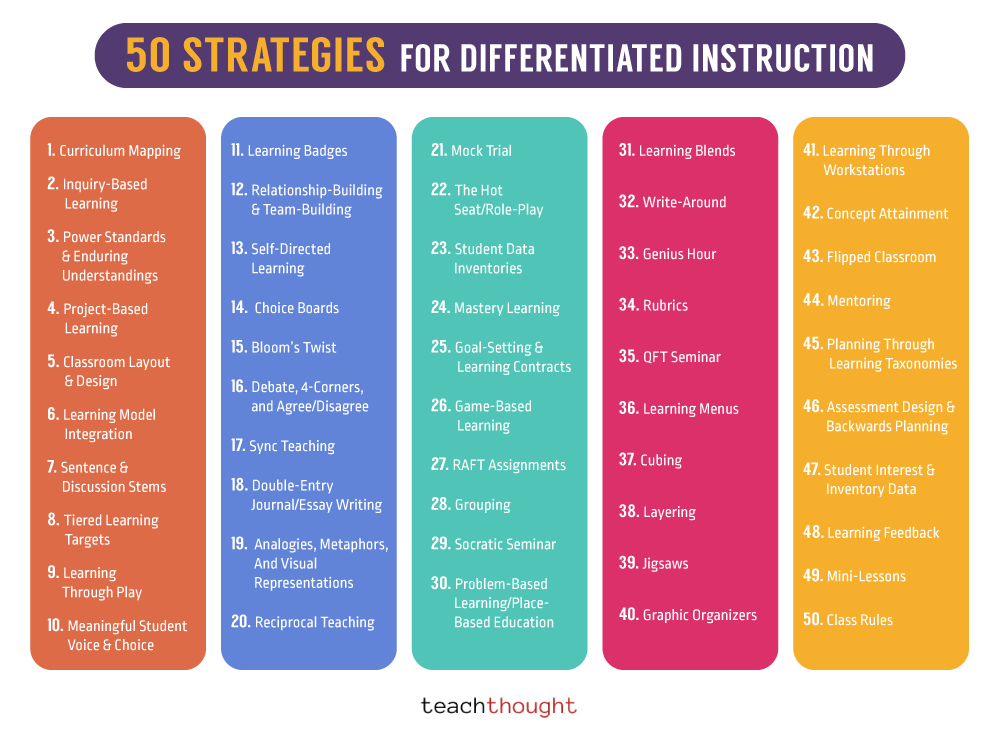
Differentiation is a rational approach to meeting the needs of students but actually making it happen in the classroom can be a challenge.
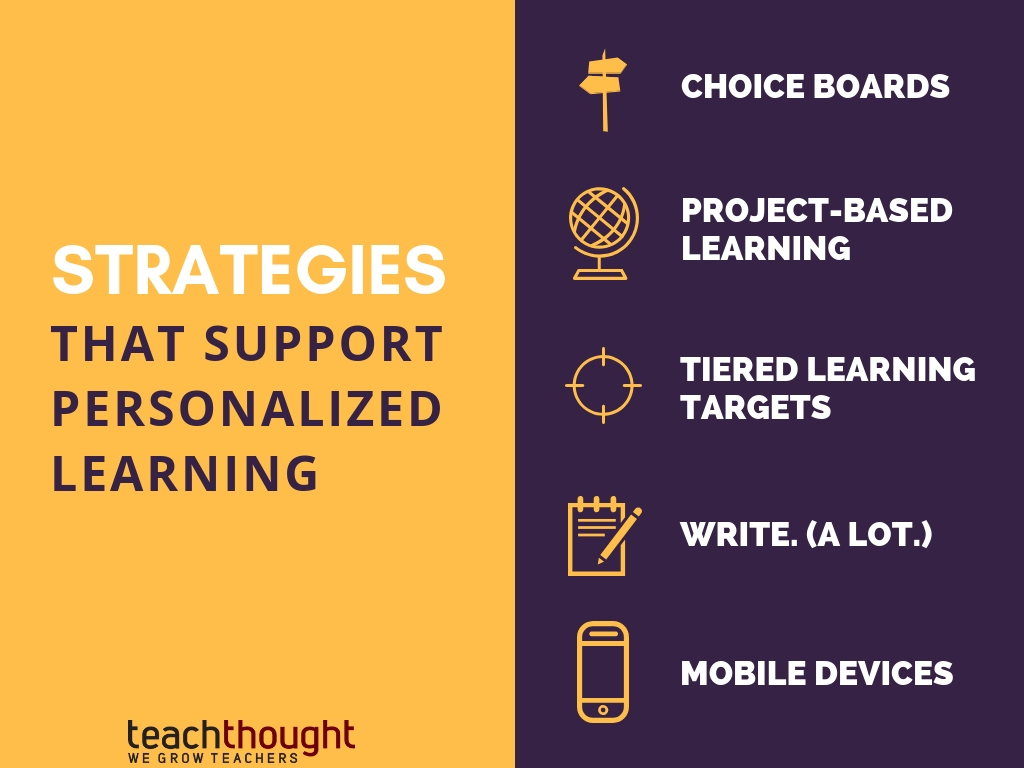
A choice board is a simple personalized learning tool that provides scaffolding, tiering, use of Bloom’s, multiple learning styles, and more.
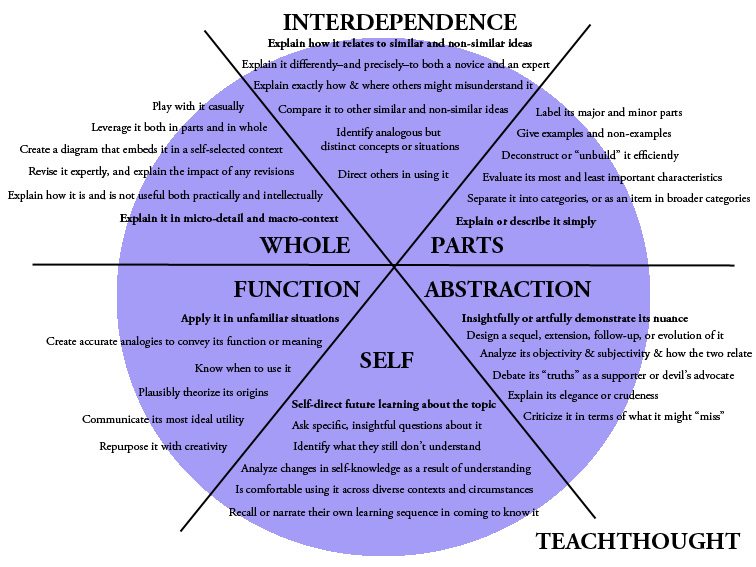
A good question can open minds, shift paradigms, and force the uncomfortable but transformational cognitive dissonance that can help create thinkers.
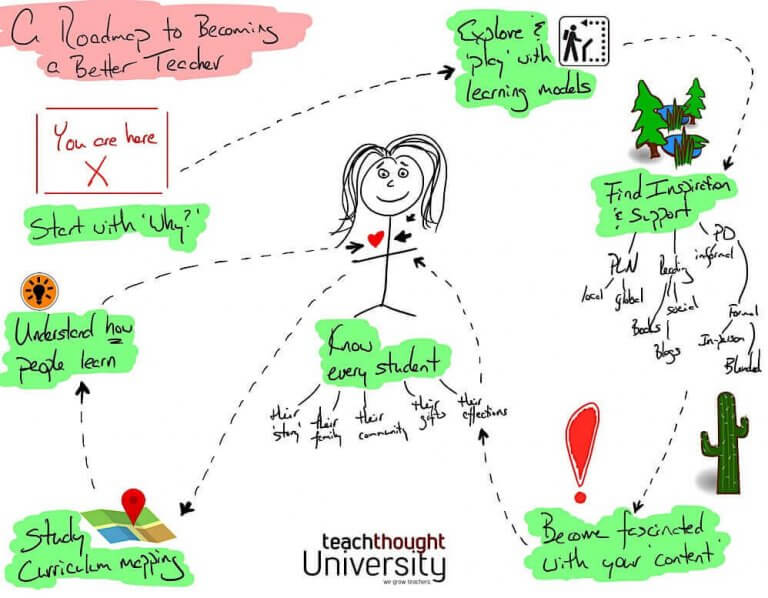
Improvement in teaching can be reduced to a matter of prioritization, practice, reflection and refinement.
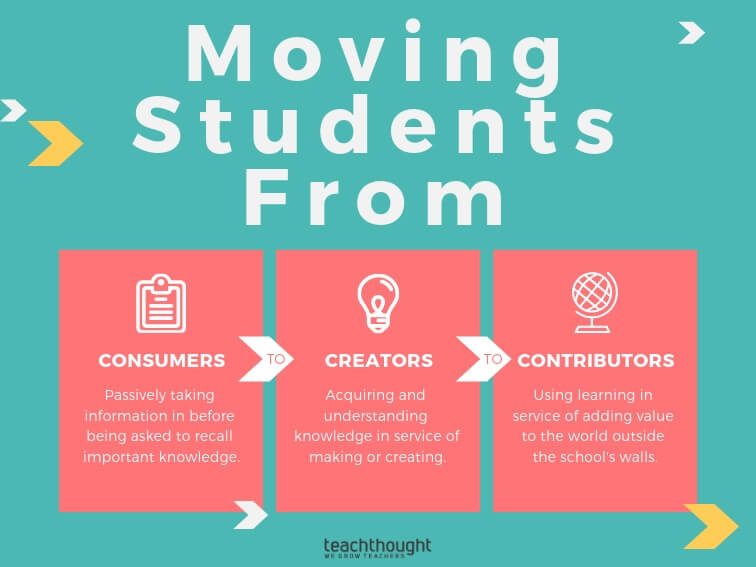
Education has the power to change communities — here, we discuss moving students from consumers to creators to contributors.
Why Scoopit Is Becoming An Indispensable Learning Tool contributed Leanna Johnson, Learning with Technology Scoop.it collates work from online publications using an online magazine format, and this visual impact alone makes it very effective. The additional appeal of broadcasting from a hub allows me to tap into and share with my ed tech networks, which is…
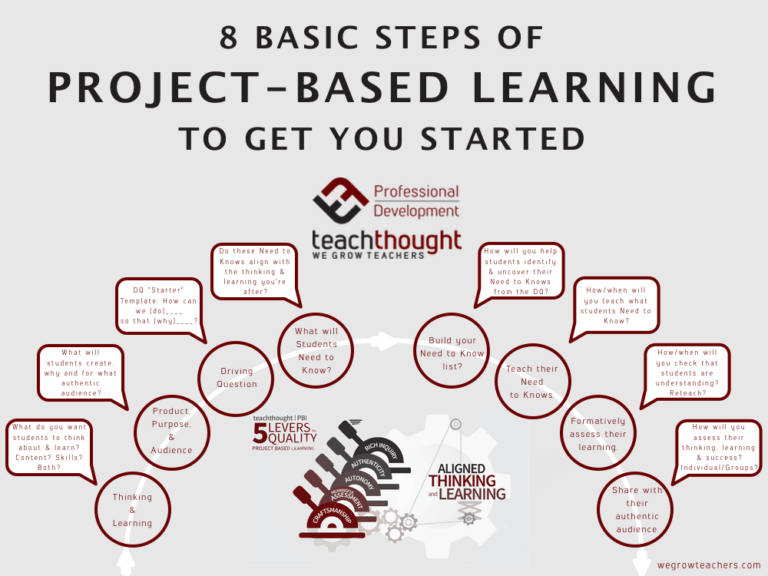
What are the steps for teaching through project-based learning in your classroom? Like all good teaching, it starts with students.
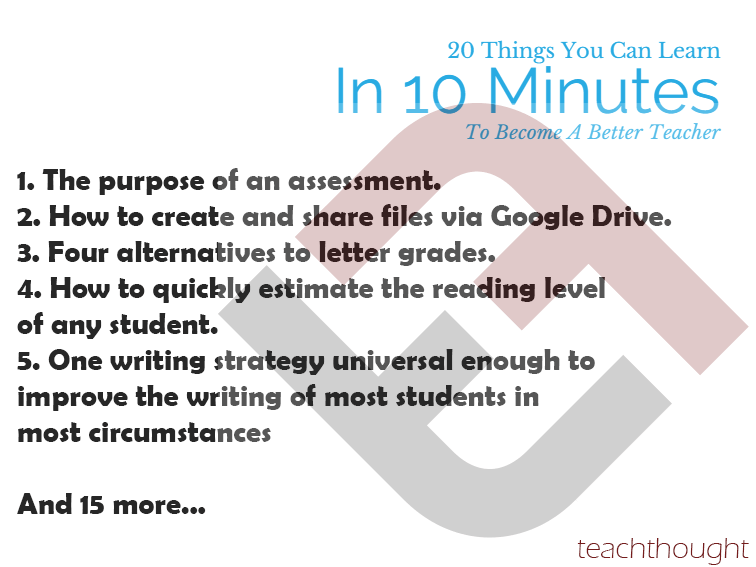
This list includes 20 (mostly) simple things you can do (relatively) quickly to become a better teacher in the 21st century.
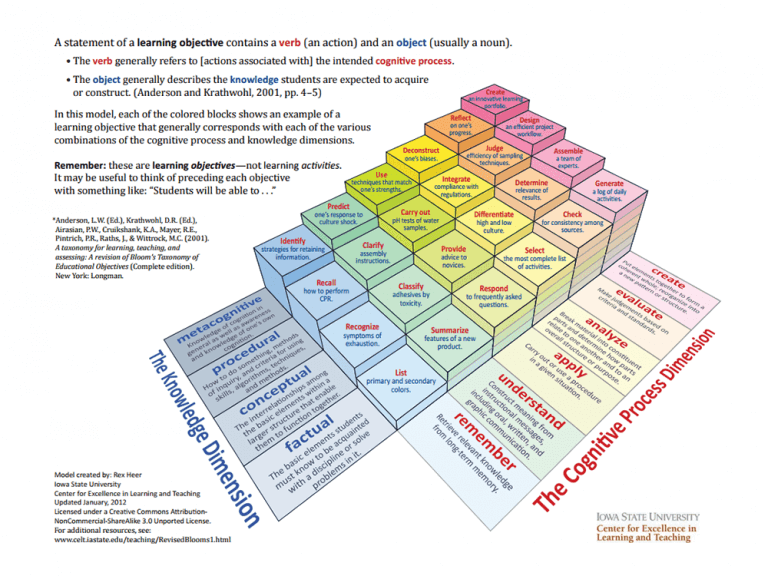
Each colored block has an example of a learning objective corresponding with each combination of the cognitive process and knowledge dimensions.
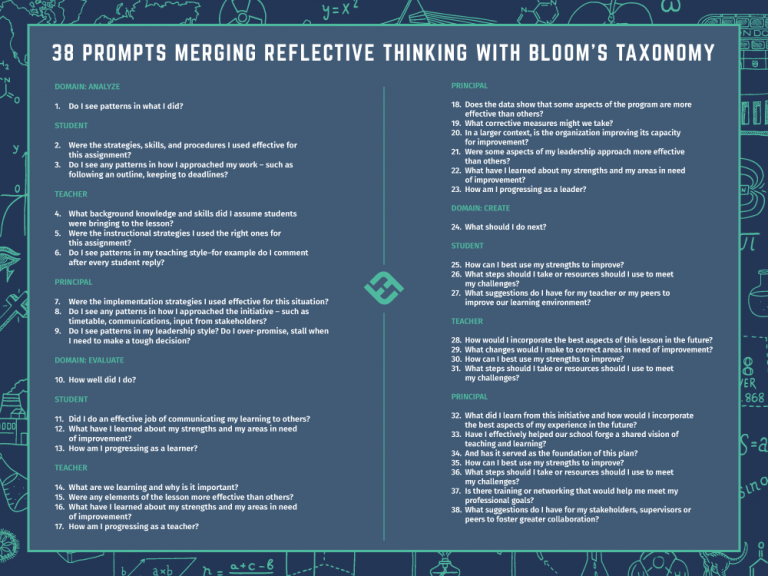
We developed a taxonomy to provide a schema of prompts that could be used by students and teachers to hone their reflective thinking skills.
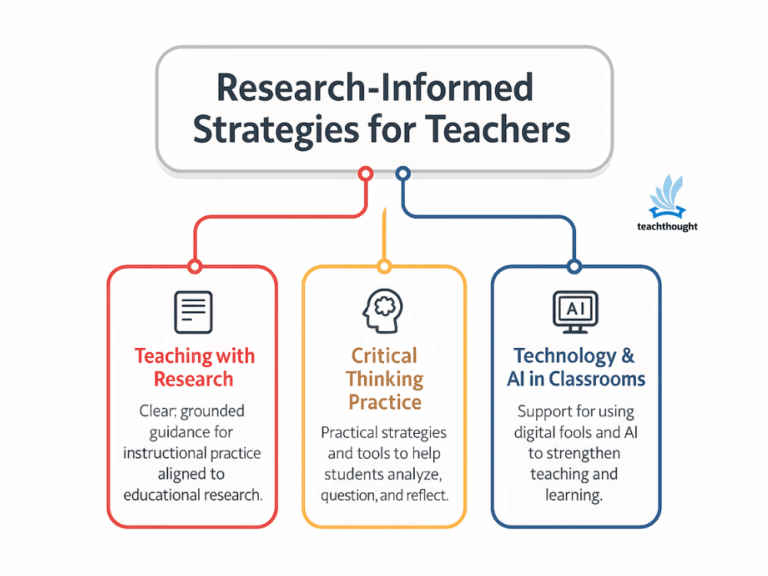
Here are 50 ways teachers across content areas–and homeschooled learners too–can promote digital media literacy.
From rubrics and presentations to apps, definitions, and frameworks, here are 25 of the best resources for critical thinking.
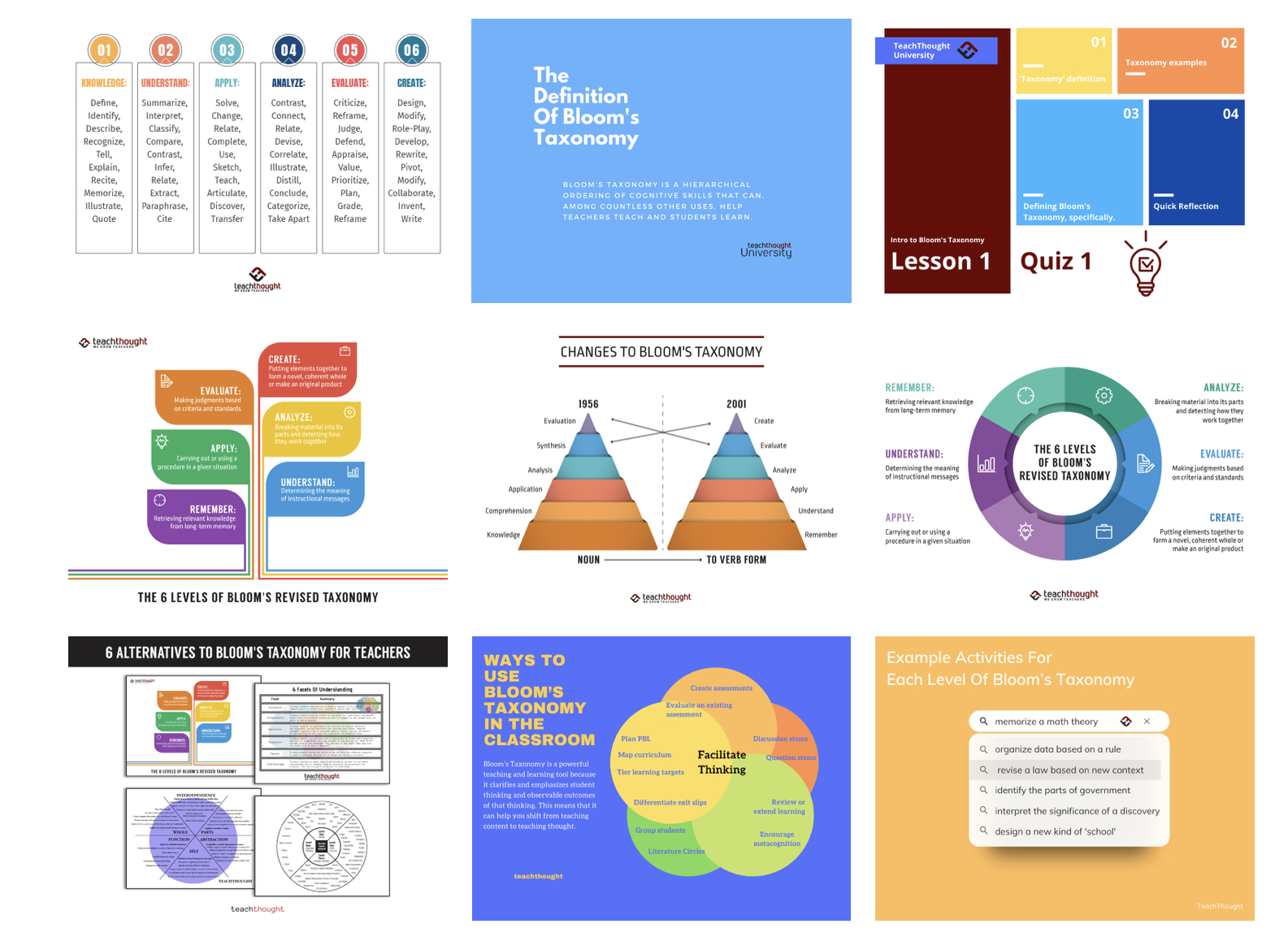
Bloom’s Taxonomy is a powerful teaching and learning tool that can help you shape nearly everything that happens in your classroom.
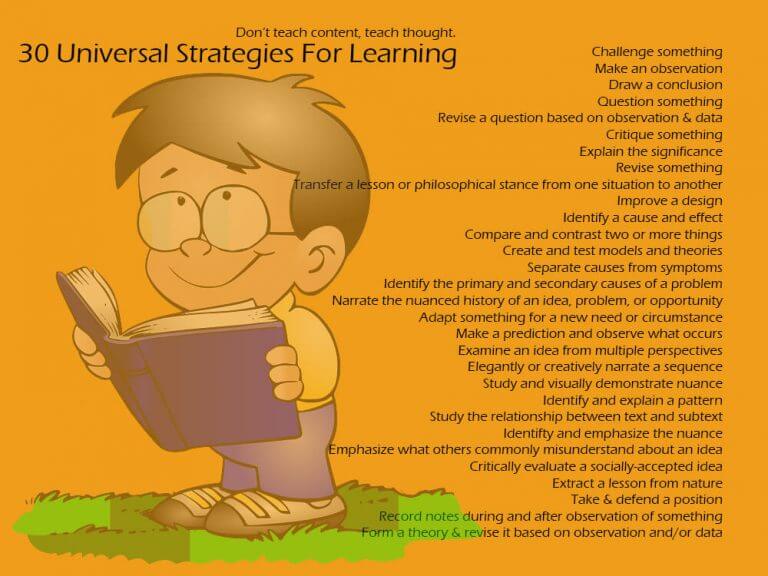
From making an observation and drawing a conclusion to forming and improving a question, here are 27 strategies for critical learning.