How Teaching Is Changing: 15 Challenges For The Modern Teacher
A modern teacher has to demonstrate for students not how to solve problems, but why those problems should be solved.


A modern teacher has to demonstrate for students not how to solve problems, but why those problems should be solved.

From affording choice to anchoring year-long discussion of certain themes, here are strategies for teaching literature in the 21st century.

What works in education and how do we know? What do we know an idea is ‘good’? Letter grades? Test performance? Graduation Rates?
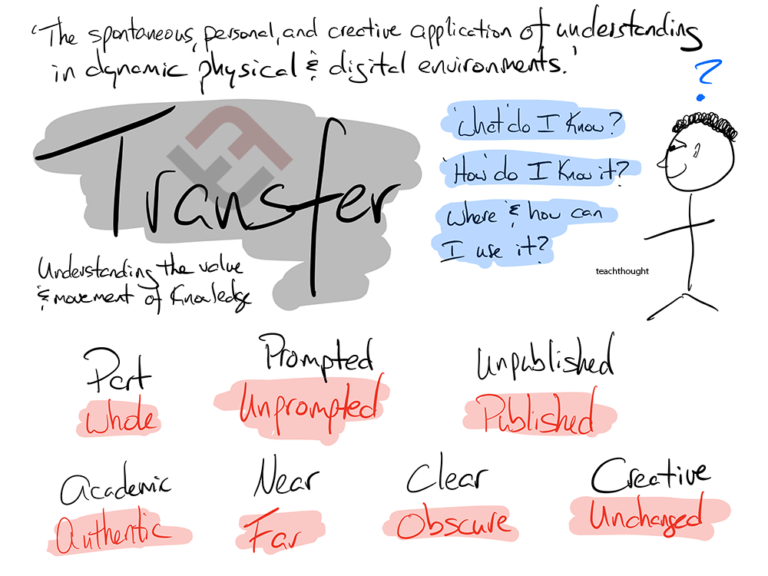
Understanding the value of information is the core of transfer. These categories include 14 ways students can transfer knowledge.
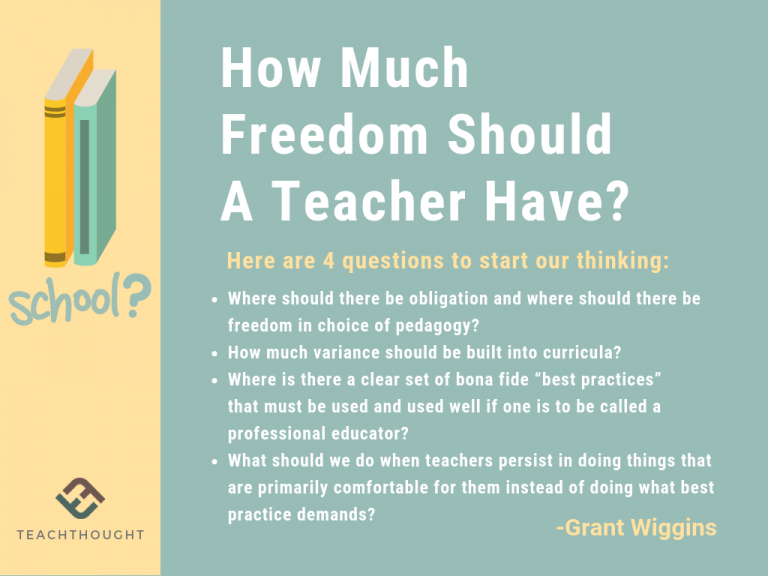
Where should there be obligation and where should there be freedom in choice of pedagogy, models, and curriculum?

Looking for new and innovative ideas for your teaching? Here are 15 examples to get you started.
These are simple prompts that a teacher who has really thought through the course should be able to answer.
Use Google Docs to collaborate with your colleagues on joint lesson plans or to create shared calendars for cross-classroom activities.
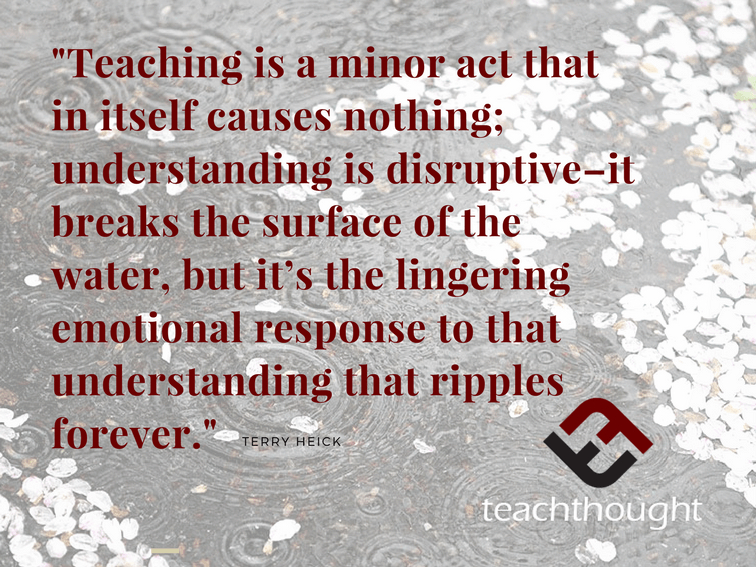
The need to belong, the desire to be understood, and the instinct to understand are universal human emotions that mean everything.
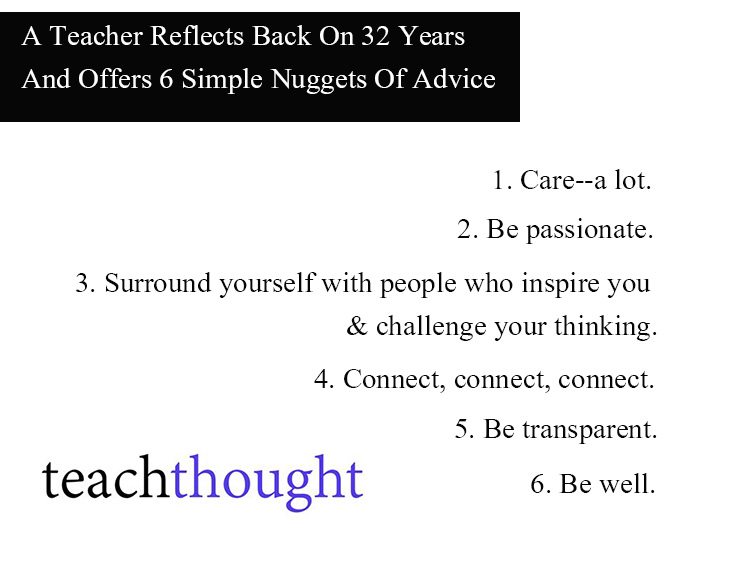
Dear first-year me: Don’t forget to take time to be patient and really listen–to students and colleagues, but also your own mind and body.
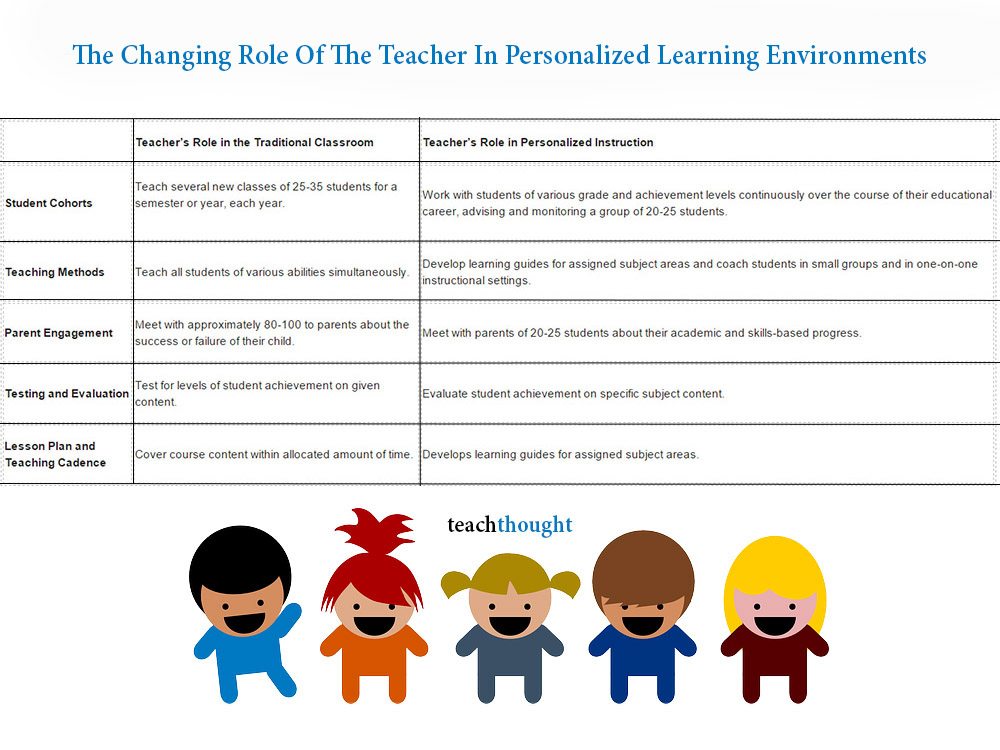
The changing uses of technology require that teachers adapt their methods of instruction to support student-directed learning.
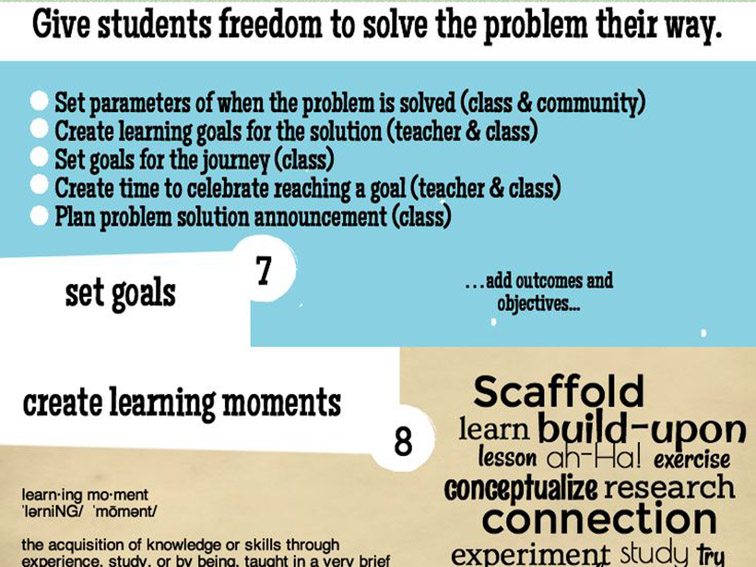
What is problem-based learning? An approach to learning where the identification, analysis, and solving of problems drives student learning.
The real problem with multiple-choice questions isn’t assessment design as much as it is function and tone–and these things matter.
Perhaps it’s time to explore a radical but common sense notion: maybe we don’t understand how reading comprehension develops over time.