Skip to content
220x140
  • LearnExpand
    • Learning Theory
    • Neuroscience Terms
    • Teaching Dictionary
    • Cognitive Biases Master List
    • Logical Fallacies Master List
    • What Is Your Teaching Philosophy?
  • TopicsExpand
    • Critical Thinking Posts
    • Teaching Posts
    • Technology Posts
    • Learning Posts
    • Literacy Posts
    • Project-Based Learning Posts
Search
220x140
  • Teaching Disruptively
    Teaching Posts

    Teaching Disruptively

    ByTerry Heick

    Teaching disruptively helps create learners who ask the right question at the right time for reasons that matter to them.

    Read More Teaching DisruptivelyContinue

  • Rethinking Learning Loss
    Learning Posts

    Rethinking Learning Loss: When Students Don’t Use What They Learn

    ByTerry Heick

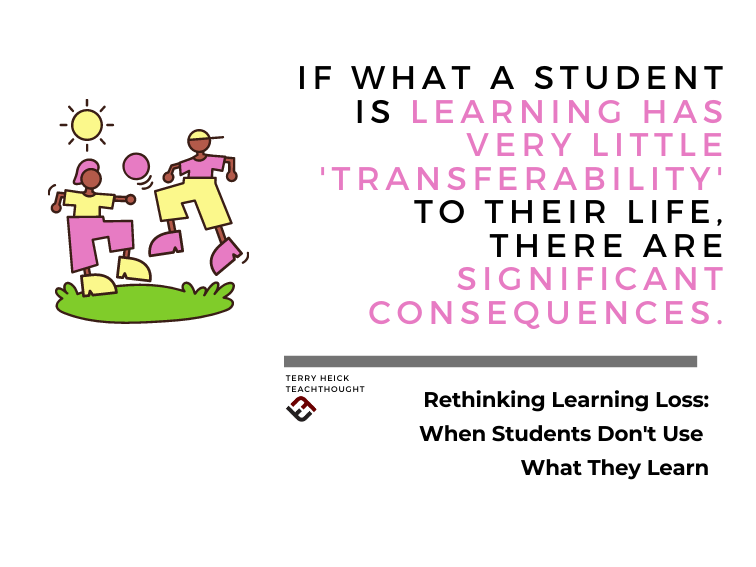
    When rethinking learning loss, we should consider ‘transferability’ of knowledge to student life.
    Read More Rethinking Learning Loss: When Students Don’t Use What They LearnContinue

  • create simple quizzes
    Technology

    Digital Tools To Create Simple Quizzes And Collect Feedback From Students

    ByTeachThought Staff

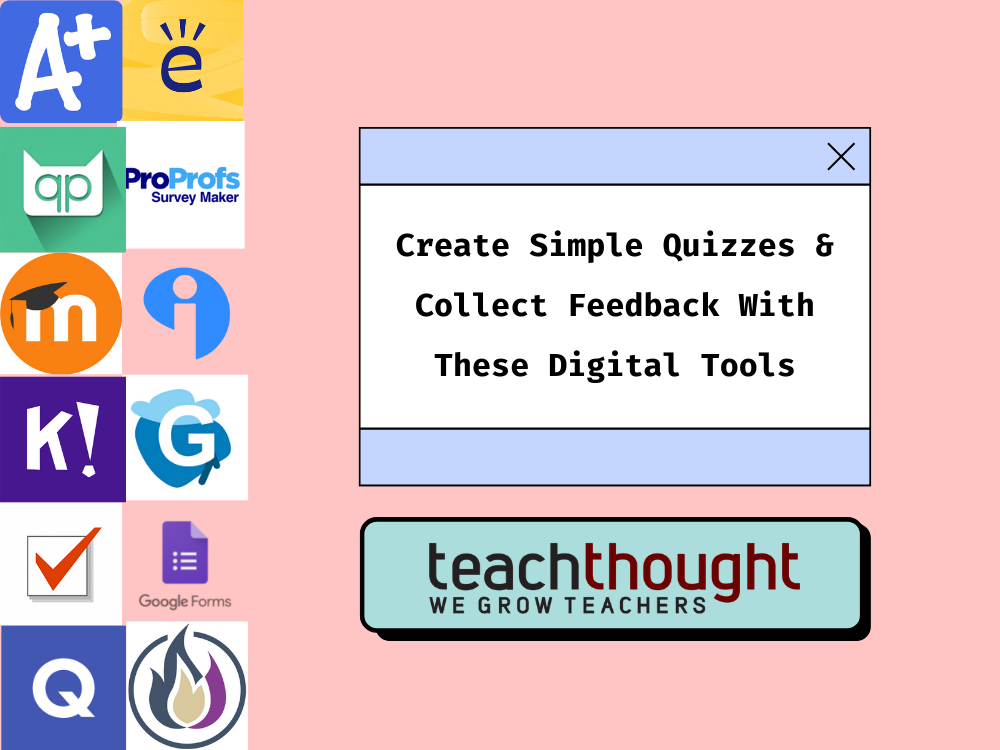
    These sites, tools, and apps can save teachers time by allowing them to create simple quizzes and collect feedback from students.
    Read More Digital Tools To Create Simple Quizzes And Collect Feedback From StudentsContinue

  • 5 learning strategies that make students curious
    Learning Posts

    5 Learning Strategies That Make Students Curious

    ByTerry Heick

    Ambition precedes curiosity. Without wanting to change or grow, curiosity is simply a momentary neurological reaction to stimuli.
    Read More 5 Learning Strategies That Make Students CuriousContinue

  • The Difference Between Instructivism, Constructivism, & Connectivism
    Learning Posts

    The Difference Between Instructivism, Constructivism, & Connectivism

    ByTerry Heick

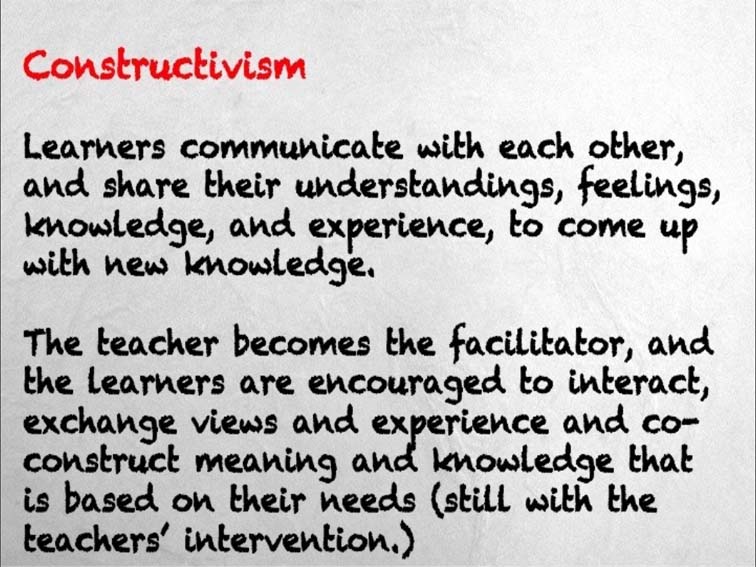
    Connectivism is similar to constructivism. The difference lies in networks; rather than supplemental, they are primary sources.
    Read More The Difference Between Instructivism, Constructivism, & ConnectivismContinue

  • 21 Smart Games For Game-Based Learning
    The Future Of Learning Posts

    14 Games For Game-Based Learning By Grade Level

    ByTeachThought Staff

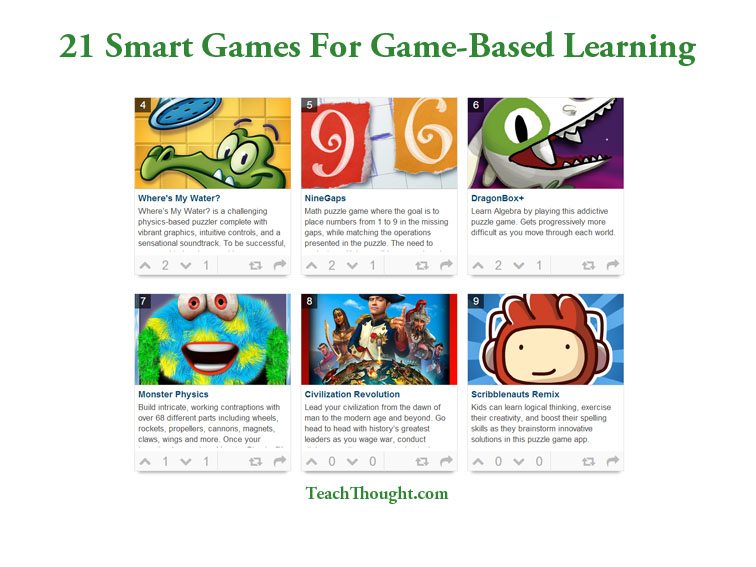
    Good candidates for game-based learning games include Portal 2, Civilization VI, Democracy 4, and Assassin’s Creed Museum Tour.
    Read More 14 Games For Game-Based Learning By Grade LevelContinue

  • 25 Reading Strategies That Work In Every Content Area
    Literacy Posts

    25 Reading Strategies That Work In Every Content Area

    ByTeachThought Staff

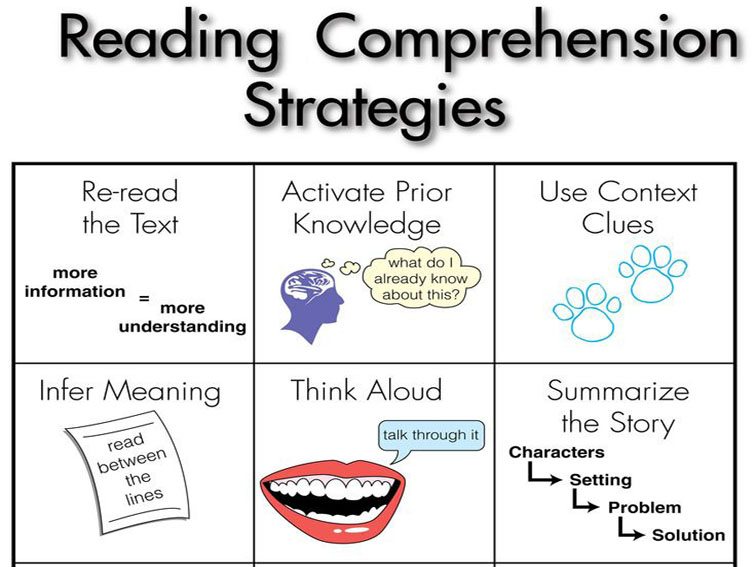
    Reading strategies useful in every content area include Questioning the text, Visualization, and using Context Clues to infer meaning.
    Read More 25 Reading Strategies That Work In Every Content AreaContinue

  • The Definition Of Critical Thinking
    Critical Thinking Posts

    The Definition Of Critical Thinking

    ByTerry Heick

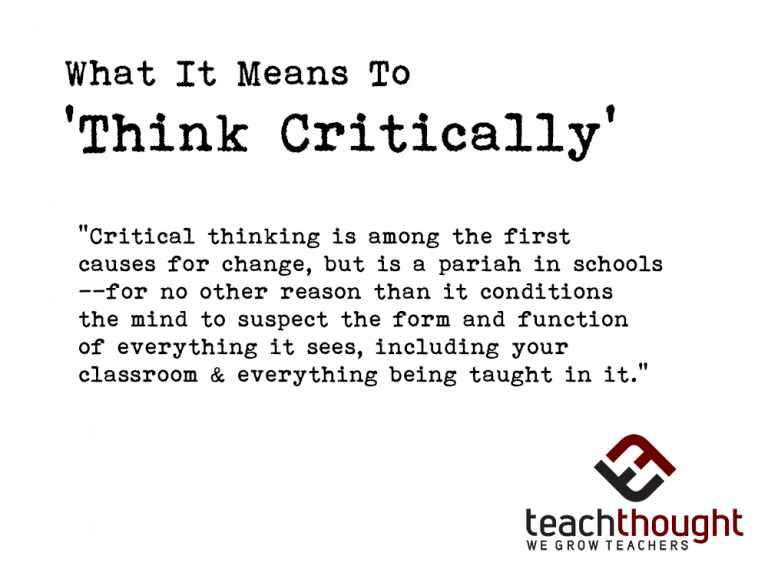
    Critical thinking is the suspension of judgment while identifying biases and underlying assumptions in order to draw accurate conclusions.
    Read More The Definition Of Critical ThinkingContinue

  • 7 Data Visualization Tools You Can Use In The Classroom
    Technology

    7 Data Visualization Tools You Can Use In The Classroom

    ByTeachThought Staff

    Data can be boring. Brightening it up with images and other data visualization tools can make inaccessible information easier to digest.
    Read More 7 Data Visualization Tools You Can Use In The ClassroomContinue

  • 3 Knowledge Domains For The 21st-Century Student
    Learning Posts

    3 Knowledge Domains For The 21st-Century Student

    ByTerry Heick

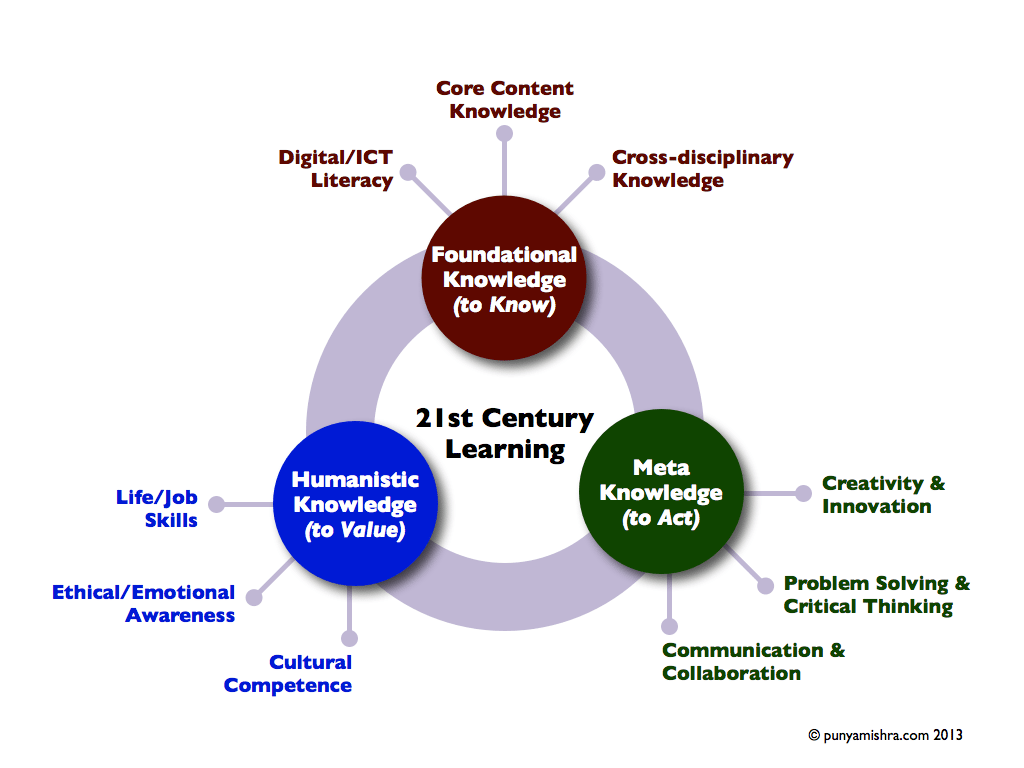
    Humanistic knowledge focuses on studying human experiences, values, and cultures.
    Read More 3 Knowledge Domains For The 21st-Century StudentContinue

  • 40-40-40 rule
    Teaching Posts

    Which Content Is Most Important? The 40/40/40 Rule

    ByTerry Heick

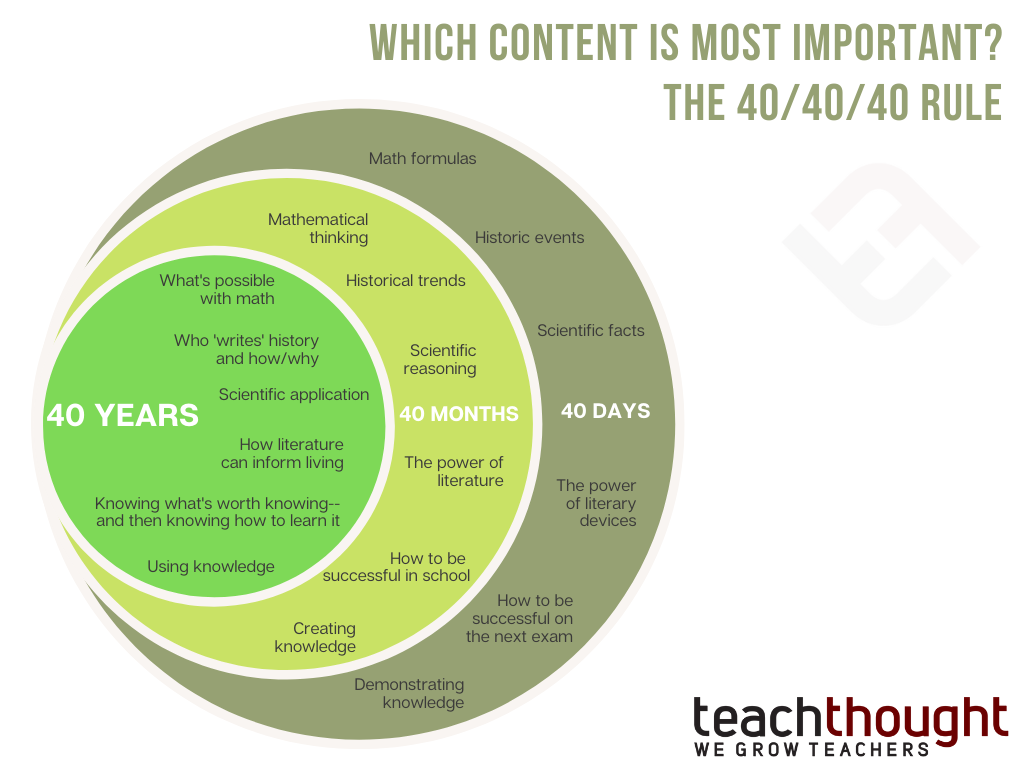
    The 40/40/40 rule: What’s important that students understand for the next 40 days, for the next 40 months, for the next 40 years?
    Read More Which Content Is Most Important? The 40/40/40 RuleContinue

  • The Most Dangerous Phrase In Education
    Education Posts

    The Most Dangerous Phrase In Education

    ByTerry Heick

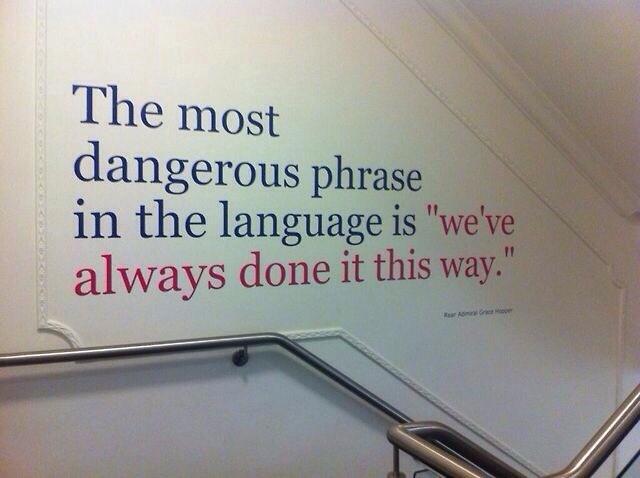
    “We’ve always done it this way” is one of the most dangerous phrases we can use—and this danger extends to education, as well.
    Read More The Most Dangerous Phrase In EducationContinue

  • So? So What? What Now? How To Keep The Learning Going
    Learning Posts

    So? So What? What Now? How To Keep The Learning Going

    ByTerry Heick

    It’s never really over, and rather than maddening, this is indicative of a trend seemingly encouraged by the digital universe we all duck our heads into each day.

    Read More So? So What? What Now? How To Keep The Learning GoingContinue

  • better project-based learning
    Project-Based Learning Posts

    Why Project-Based Learning Is So Popular

    ByTeachThought Staff

    Project-based learning is popular because it can function as a frame for everything else that teachers already plan for and want for their classrooms, from improved student engagement to critical thinking,

    Read More Why Project-Based Learning Is So PopularContinue

Page navigation

Previous PagePrevious 1 2 3 4 … 33 Next PageNext

About

TeachThought is an education resource platform that provides teachers with evidence-based teaching strategies and resources classroom resources that promote critical thinking.

More

  • Analogies Workbook
  • TeachersPayTeachers
  • Teaching Philosophy Quiz
  • Newsletter

Policies

  • Policy Page
  • Privacy
  • Cookie Overview
  • Disclaimer
  • Copyrights
  • Editorial Standards
  • Topics
    • Critical Thinking Posts
    • Teaching Posts
    • Technology Posts
    • Learning Posts
    • Literacy Posts
    • Project-Based Learning Posts