Standards-Based Grading Only Solves Half The Problem
If the goal a student has to clear is absurdly low, then the assessment is not rigorous even though it is ‘standards-based’ grading.

If the goal a student has to clear is absurdly low, then the assessment is not rigorous even though it is ‘standards-based’ grading.
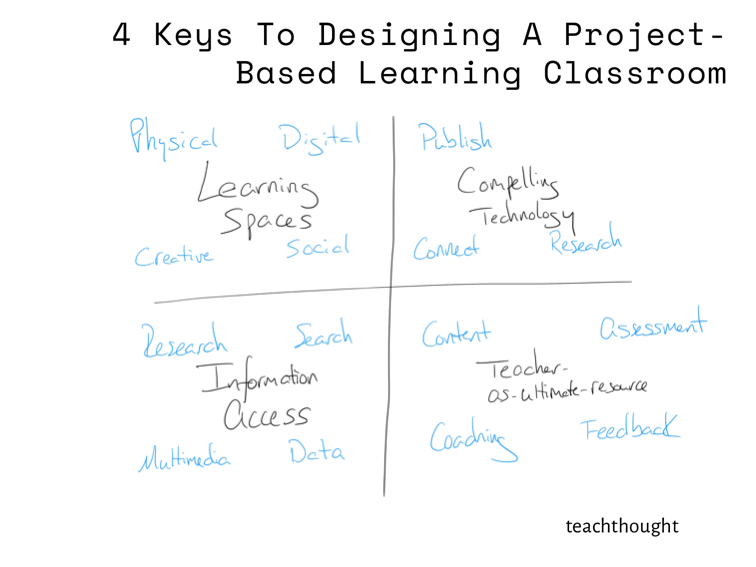
In designing a project-based learning classroom, mistakes are allowed & expected. Students then become active rather than passive learners.

Why Scoopit Is Becoming An Indispensable Learning Tool contributed Leanna Johnson, Learning with Technology Scoop.it collates work from online publications using an online magazine format, and this visual impact alone makes it very effective. The additional appeal of broadcasting from a hub allows me to tap into and share with my ed tech networks, which is…
After the teachers disappeared, students knew that if they were too rowdy someone would notice, so they kept the noise to a minimum.

A good school decenters itself–makes its curriculum, policies, and other ‘pieces’ less visible than students and hope and growth.
Just as a teacher has to create conditions that support and encourage student success, school districts have to support teachers’ PD.
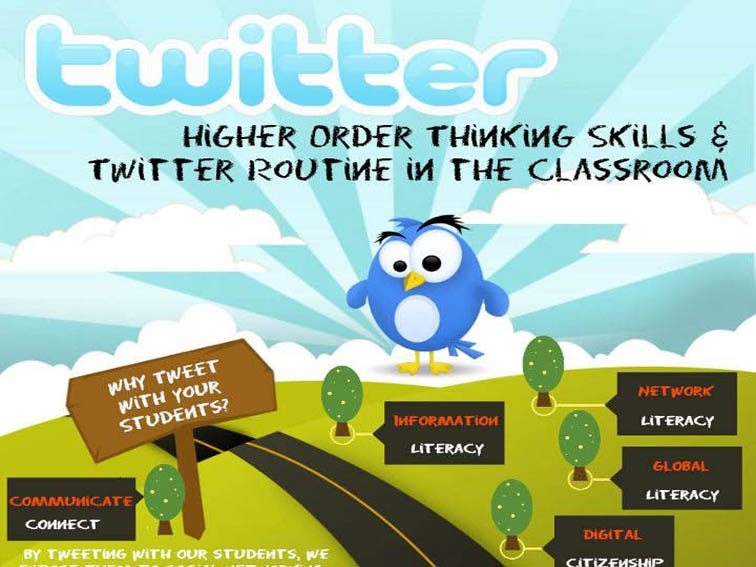
These high school students put together questions to ask historians on Twitter, getting answers that may not be easy to find in history books.

Flipping the lesson design by asking students to explain an activity’s purpose after it’s done encourages them to make important connections.
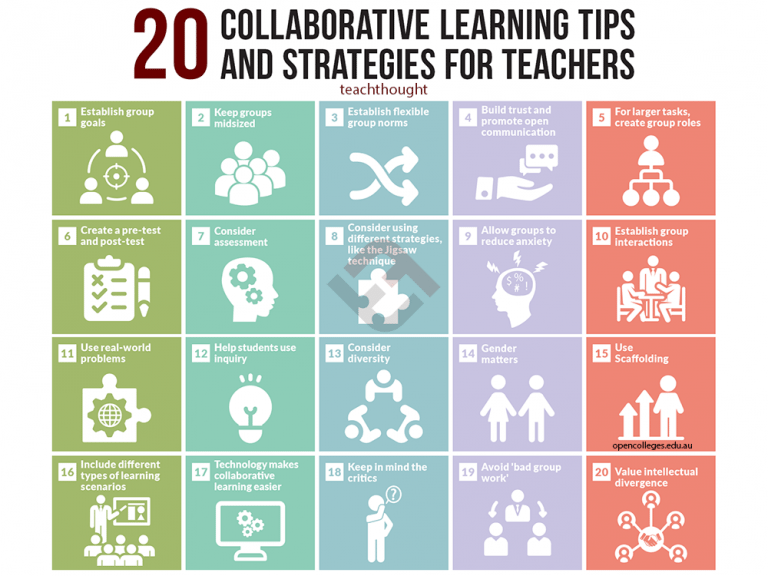
By definition, learning is social in nature. Using different mediums, whether it be books, discussions, technology, we study and make meaning together.

The shift from being asked for answers to being asked for questions can be powerful in building a powerful learning environment.

I found myself more frustrated in the classroom, less tolerant, less friendly, and worst of all, sarcastic. I needed to recharge my teaching.
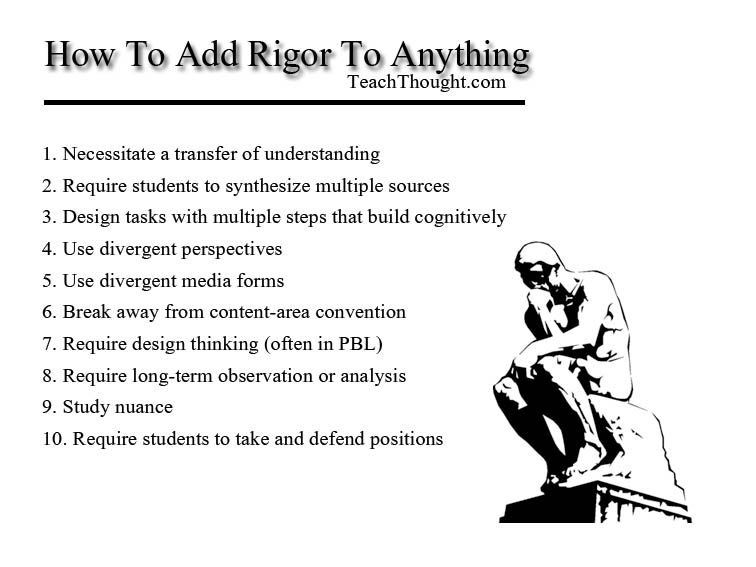
In rigorous tasks, learners will often need to synthesize data, positions, or theories from multiple sources or perspectives.
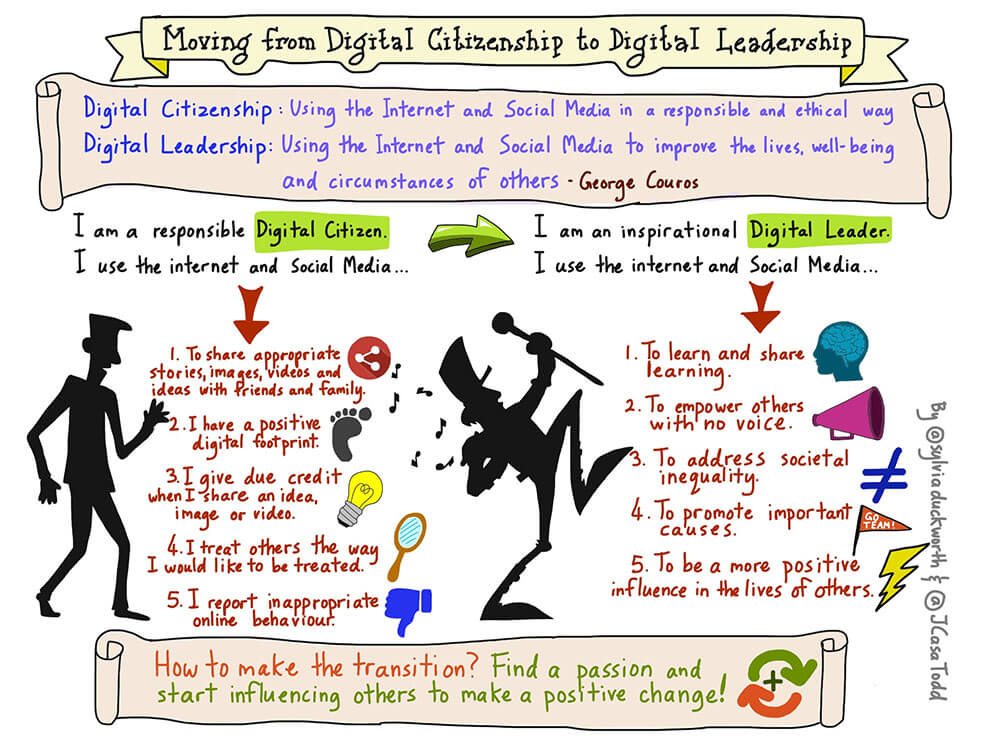
Digital Leadership is about, in part, using the internet and social media to improve the lives, well-being, and circumstances of others.
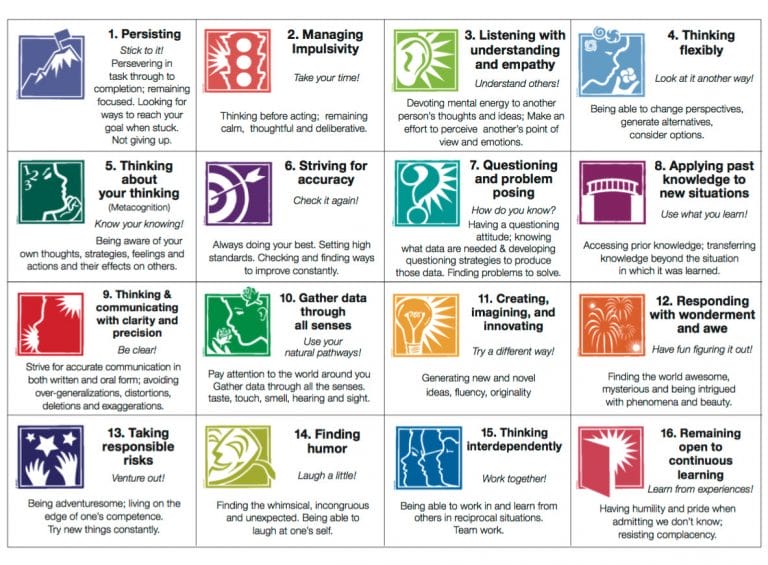
Habits of Mind are dispositions mindfully employed by characteristically ‘successful’ people when confronted with problems.