12 Examples Of Gamification In The Classroom
Examples of gamification include additive grading, using levels of progress, creating learning badges or trophies to include, and more.

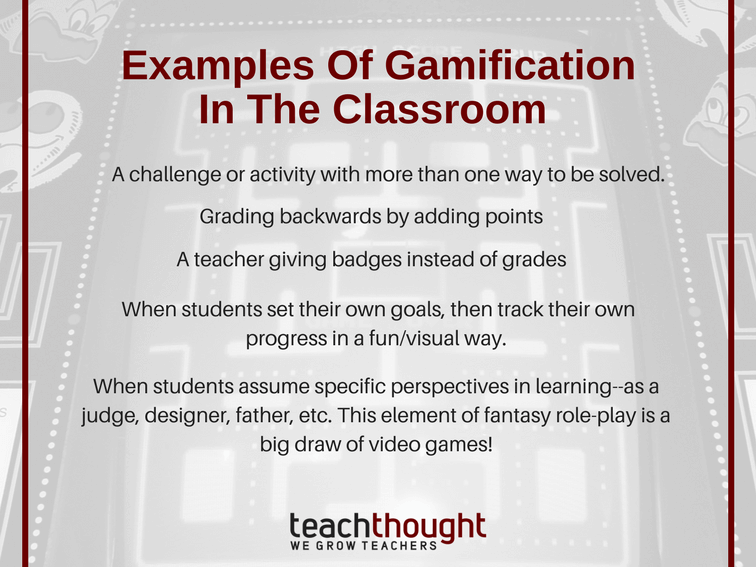
Examples of gamification include additive grading, using levels of progress, creating learning badges or trophies to include, and more.
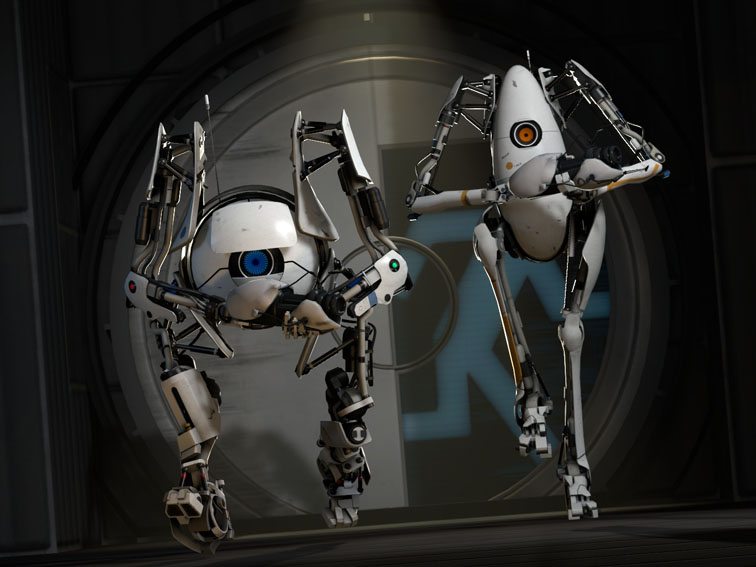
One student engagement strategy is to offer diverse pathways through content–pathways students would have to ‘unlock’ to progress.
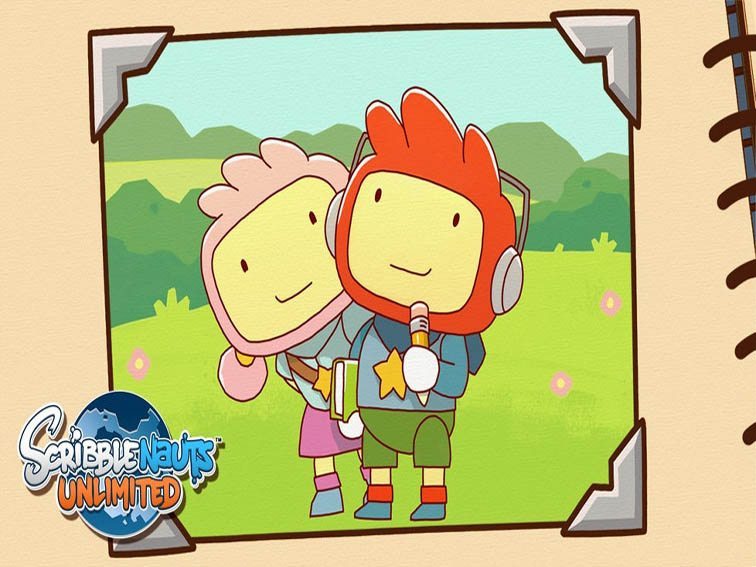
Games can serve as platforms for lessons in math, science or just about anything — even if they weren’t designed to be educational.
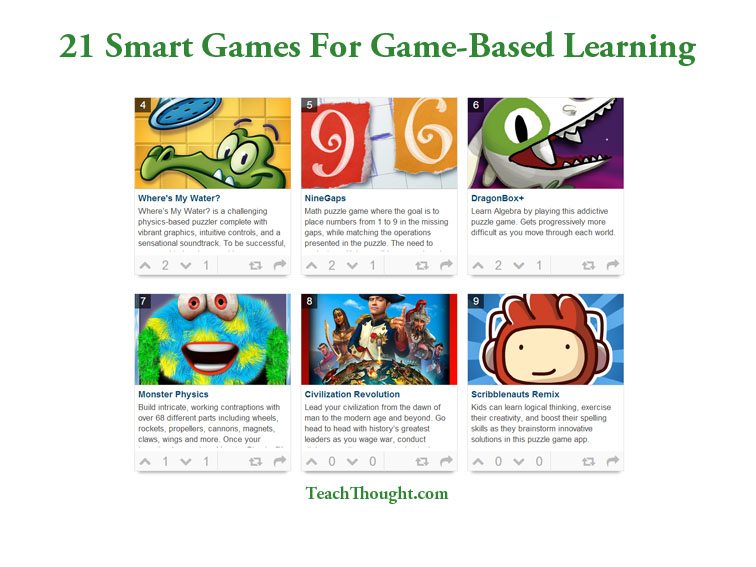
Good candidates for game-based learning games include Portal 2, Civilization VI, Democracy 4, and Assassin’s Creed Museum Tour.
Gamers often throw around ‘escapism’ when talking about their hobby, but this is a hollow explanation for what motivates us to play games.
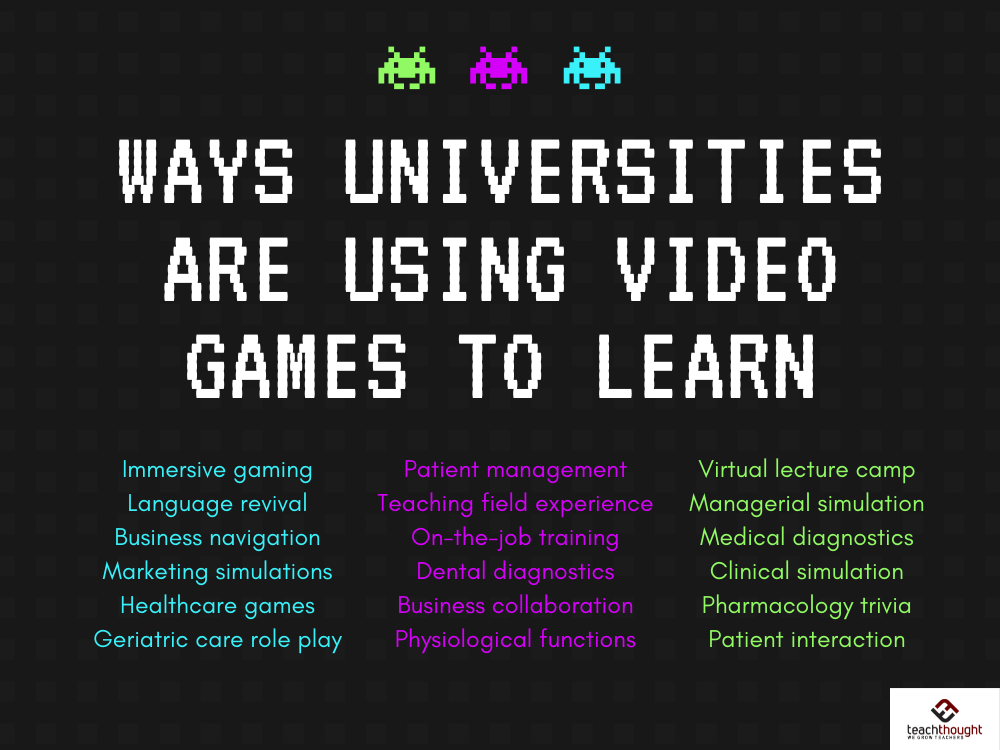
From simulations to role-playing, here are just a few of the ways universities are using video games to learn.

If you’re of the correct vintage, you probably remember a game called Oregon Trail.
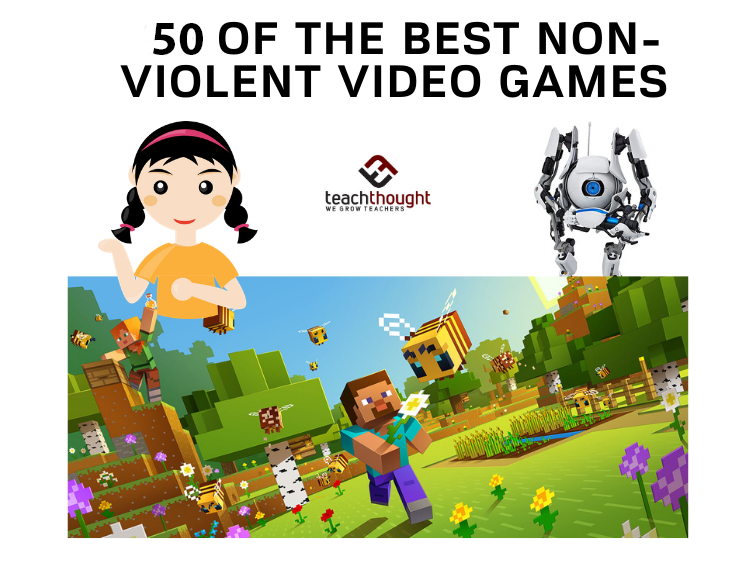
What are the best non-violent video games for children? Well, that depends on how you define ‘violent’ but here are 50 to get you started.
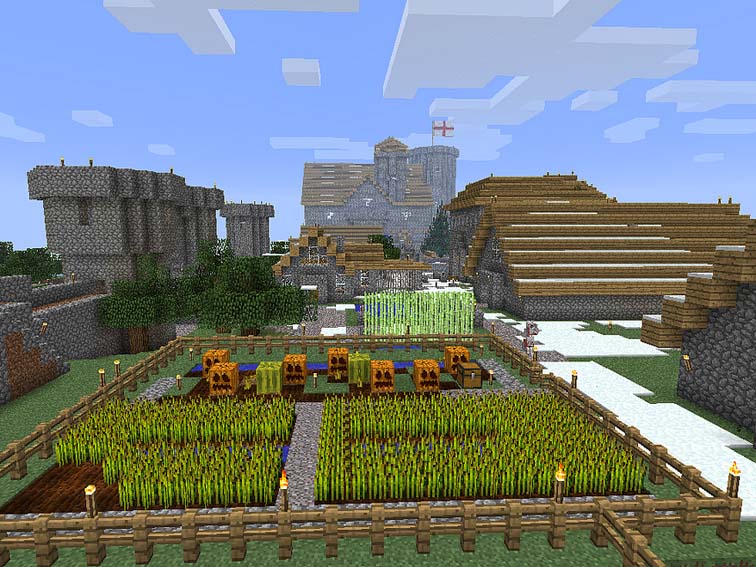
Minecraft in Education: What Minecraft Can Teach You About Pedagogy by TeachThought Staff Minecraft is a simple, clumsy-looking little game full of blocky graphics and unclear terms of play. It is essentially a giant sandbox of digital legos that players can do with what they wish–tear stuff down, dig holes, or build dizzying towers of…
What Are The Benefits Of Game-Based Learning? by TeachThought Staff There seems to be a perception that online gaming has a detrimental impact on children’s development. Nothing could be further from the truth, and there are countless–and complex–reasons for this, but it also makes sense to the basic benefits of game-based learning. Of course, children…
In a growth mindset, there are larger factors than the outcome. Progress and growth are acknowledged as valuable in the learning process.
As they are learning, give students the opportunity to articulate their thought process of how they came up with their solution to a puzzle.
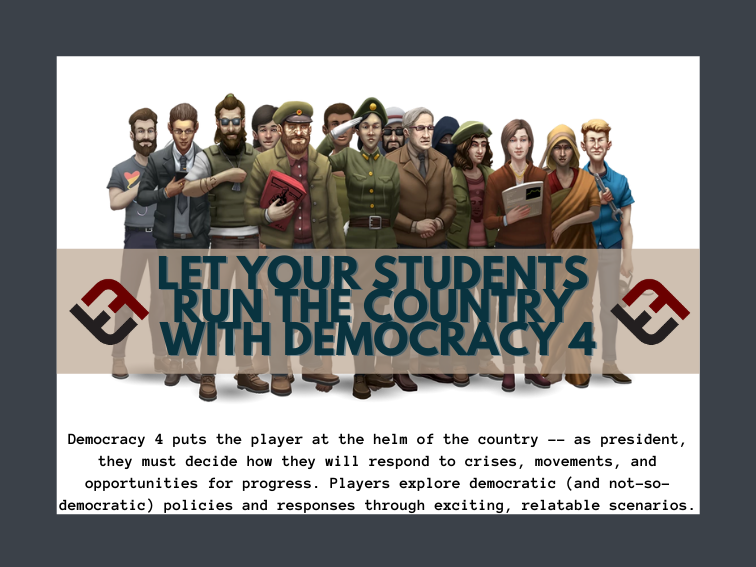
In Democracy 4, the player is elected president and must decide how they will respond to crises, movements, and opportunities for progress.
While they have the connotation of being wastes of time, video games and simulations provide useful and compelling platforms for learning.