7 Strategies For Using Context Clues In Reading
Strategies for using context clues in reading including word parts, definition–> explanation, examples, antonyms, and analogies.

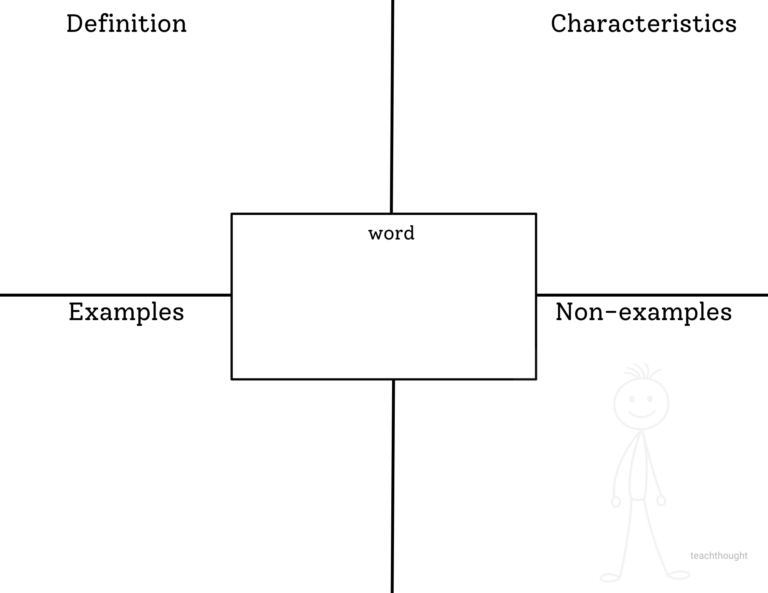
Strategies for using context clues in reading including word parts, definition–> explanation, examples, antonyms, and analogies.
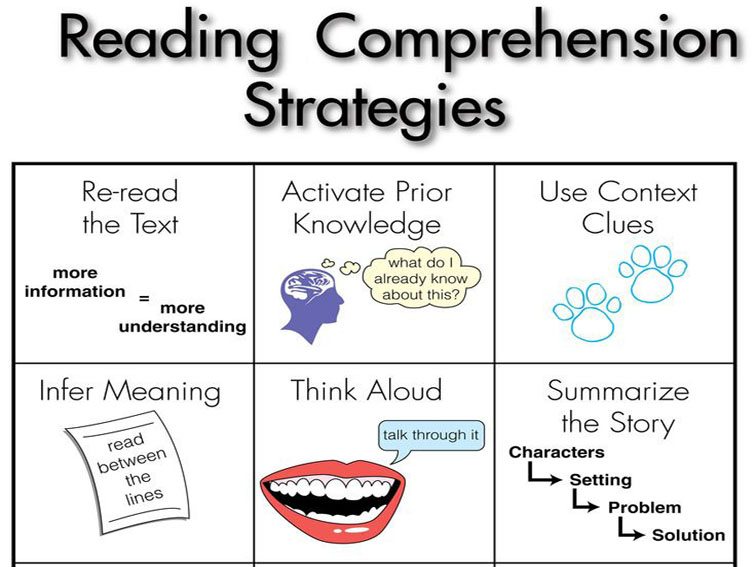
Reading strategies useful in every content area include Questioning the text, Visualization, and using Context Clues to infer meaning.
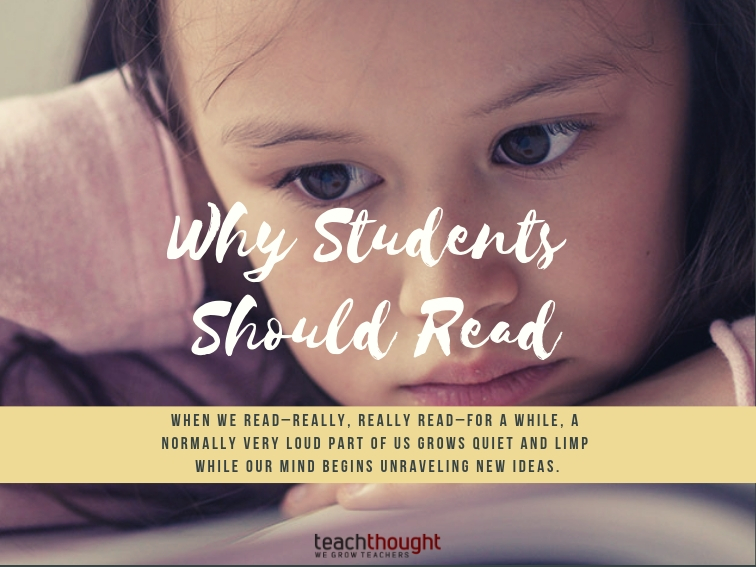
Why should students read? When we read–really, really read–for a while, a normally very loud part of us grows quiet.
For amateurs developing skills, the process is far more important than the product. This is true in science and is true for writing, too.
Newsla provides Leveled nonfiction with quizzes to build vocabulary and comprehension.
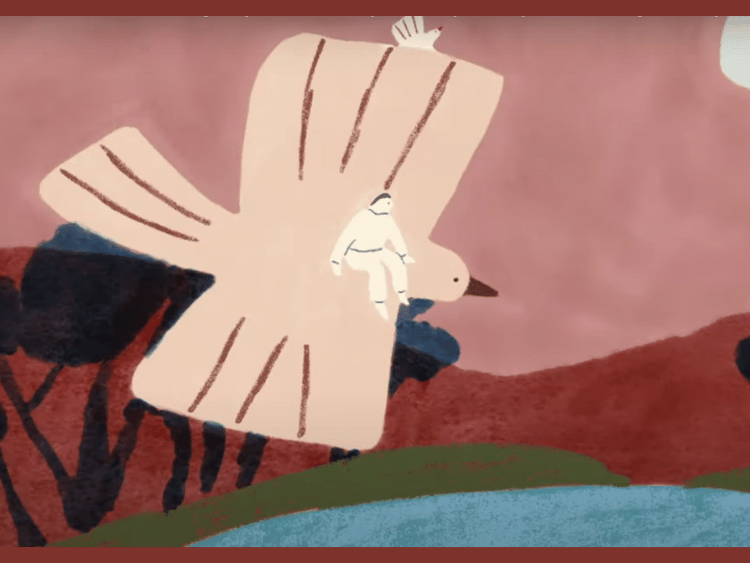
The Peace of Wild Things invites you to step out of your mind and back into the world’s heart,
The United States’ most precious documents are housed at the National Archives.
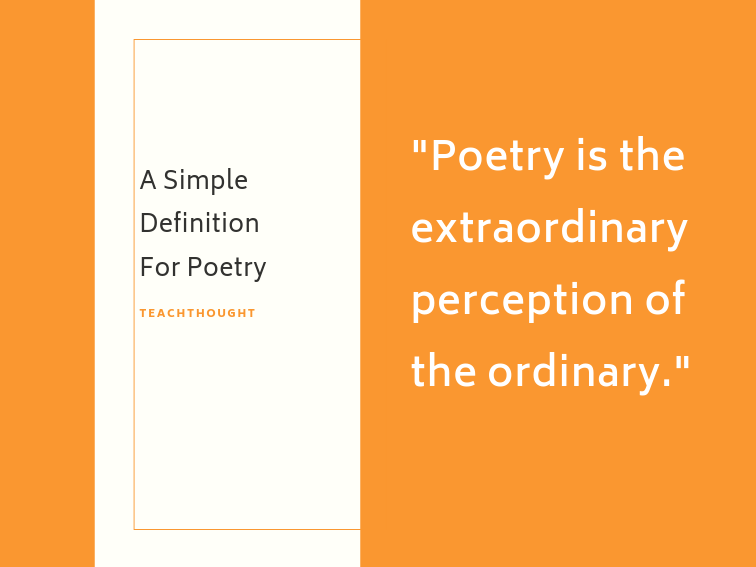
The best definition I’ve heard is that poetry is ‘the extraordinary perception of the ordinary.’
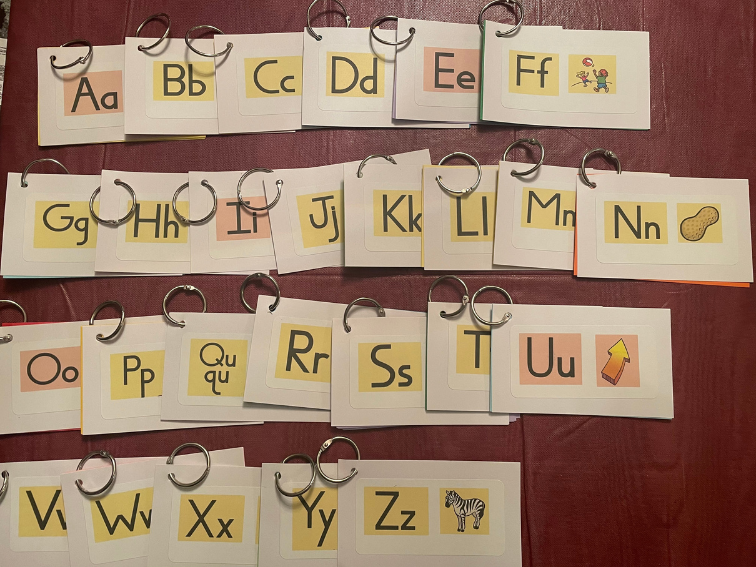
When students are writing and they come across a word that they can’t phonetically sound out a word wall becomes a great resource.
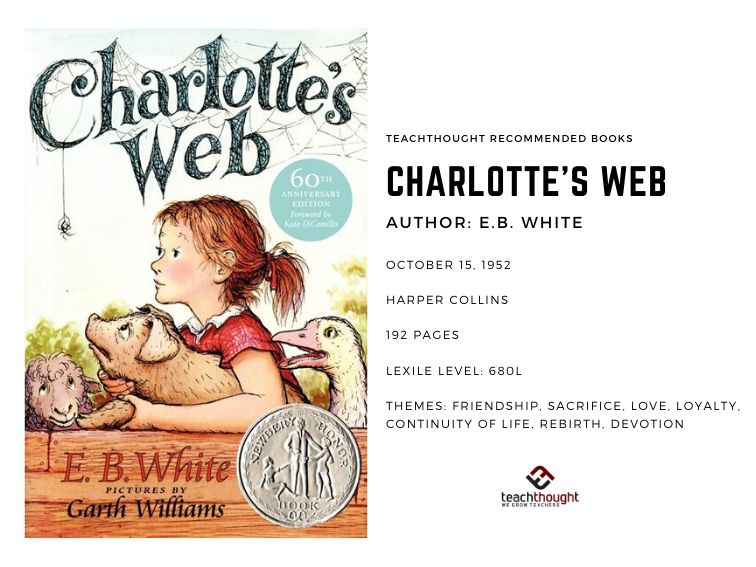
This is obviously so subjective it’s worthless but it’s a start.
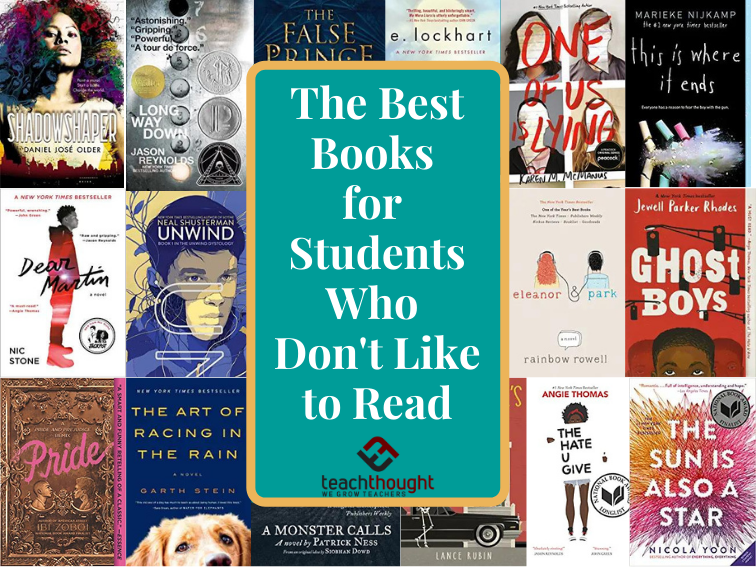
Here are the best books for students who don’t like to read. From murder mysteries to dystopian societies, there’s something for everyone!
Sounds leads to words, words to ideas, ideas to perspectives, perspectives to behavioral change, and behavioral change to a better world.
“Reading gives us someplace to go when we have to stay where we are.”

Thrift Stores and Yard Sales: Find gently used books at thrift stores or yard sales for a fraction of their original cost.